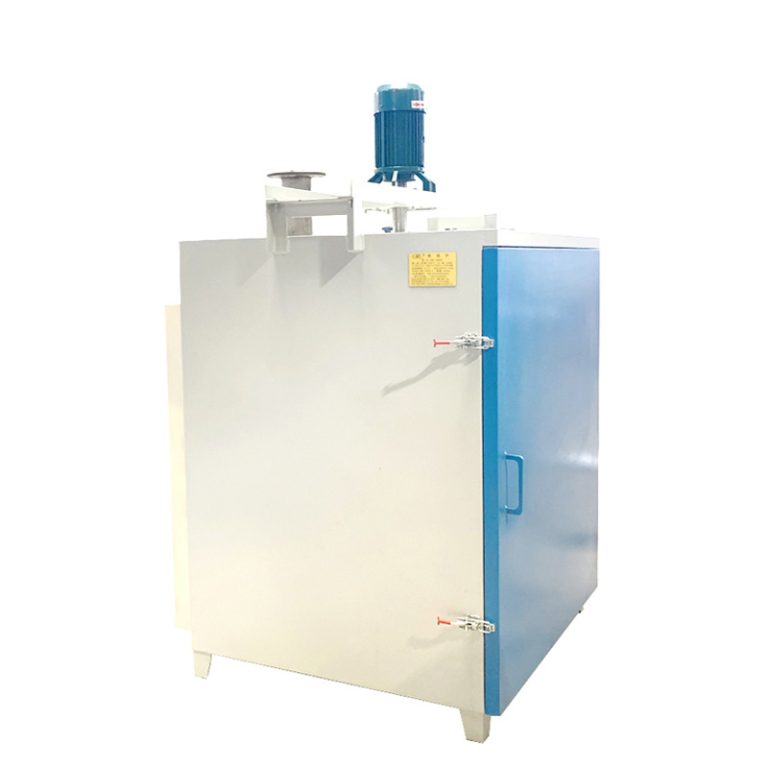
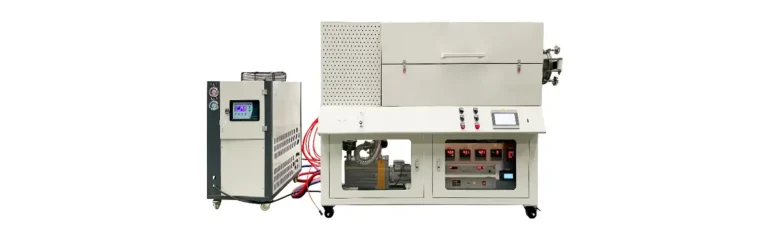
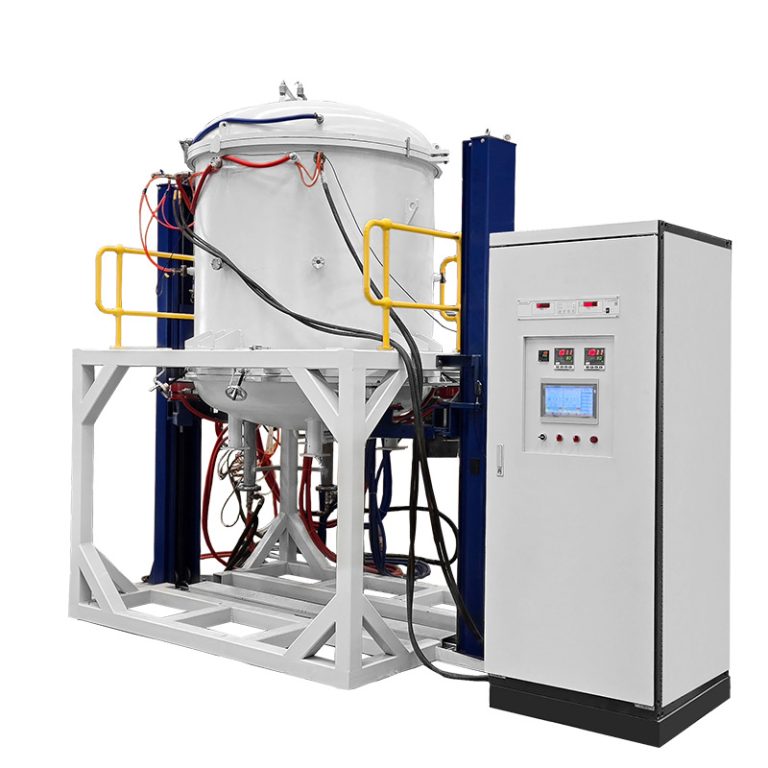
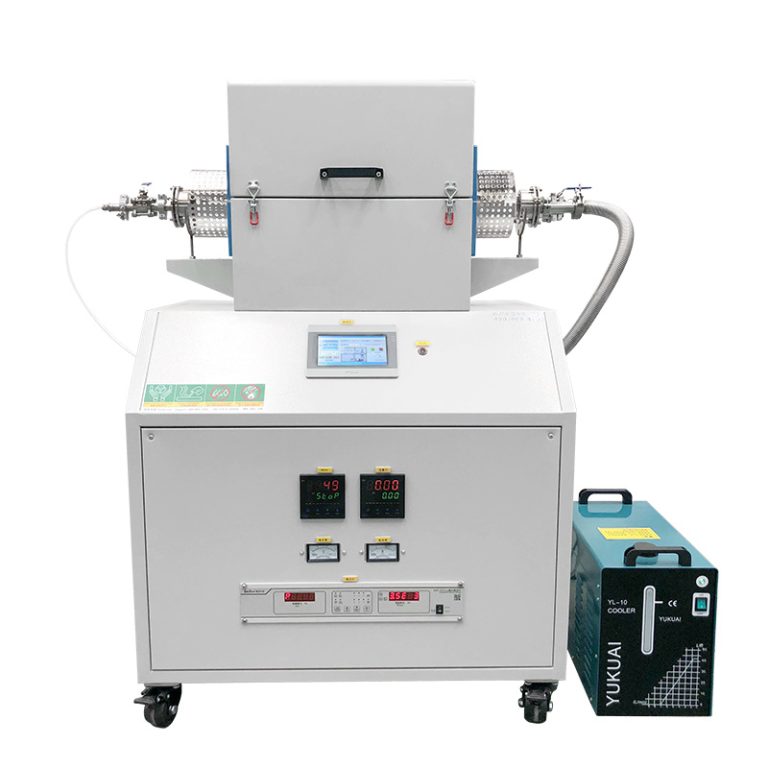
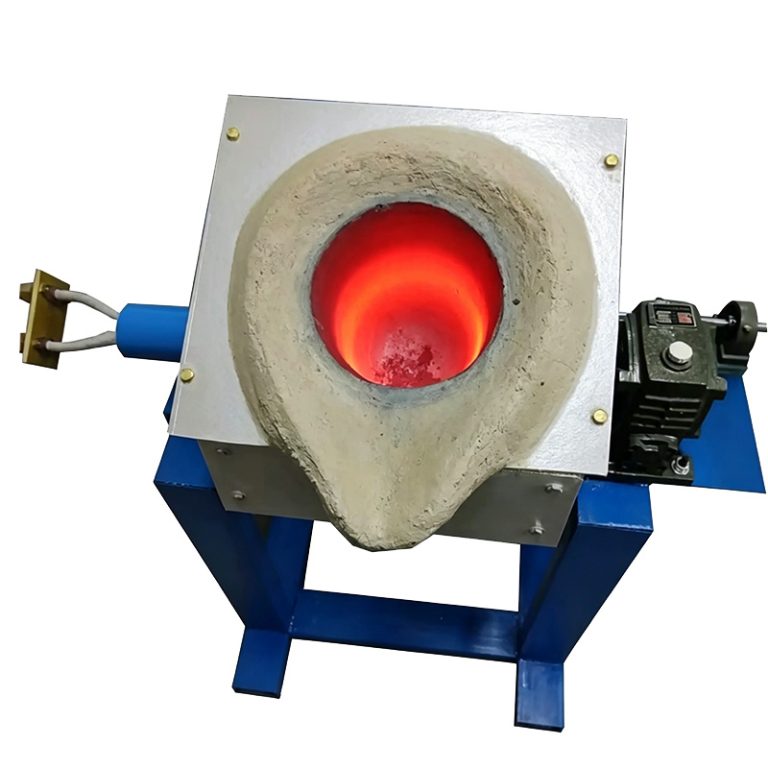
Luoyang Anjing Intelligence Equipment er en global leder inden for højtemperatur elektriske ovne



Sådan vælger du en vakuumovn: A Practical Selection Guide
Choosing the right vacuum furnace is crucial for achieving stable temperature control, minimizing oxidation and contamination, and maintaining repeatable material processing results.
I. What Is a Vacuum Furnace?
A vacuum furnace is a thermal processing device used to heat materials in a vacuum or protective atmosphere. By removing or reducing the amount of gas inside the furnace, oxidation and contamination during the heating process are reduced. Vacuum furnaces are commonly used in high-temperature processes such as heat treatment, sintring, udglødning, brazing, and materials research.
II. Sådan vælger du en vakuumovn
1. Determine the Required Operating Temperature
Do not select a furnace based only on its maximum temperature.
Instead, determine three parameters:
- Required process temperature
- Required continuous operating temperature
- Required temperature control range
A reasonable selection normally leaves sufficient temperature margin above the actual process temperature rather than operating the furnace continuously at its absolute maximum rating.
For example, if your process requires 1100°C, you should compare furnaces based on their continuous operating capability, ensartet temperatur, heating element, insulation system, and control accuracy.Heating-element selection also matters. Depending on the temperature and process, furnace systems may use resistance wires, silicon carbide (SiC) stænger, molybdenum disilicide (MoSi₂) elements, or other specialized heating systems.
2.Determine Whether You Need Vacuum, Inert Gas, or Reducing Atmosphere
A vacuum furnace is not simply a furnace with a vacuum pump. Its main advantage is that it allows the internal environment to be controlled during heating.
Depending on your material and process, you may need:
- Vacuum
- Nitrogen atmosphere
- Argon atmosphere
- Hydrogen or another reducing atmosphere
Vacuum and controlled atmospheres are particularly useful for materials that are easily oxidized or contaminated. Our vacuum furnace product line is geared towards vacuum and atmosphere-controlled heat treatment, and can be configured with vacuum, inert gas, and reducing atmosphere environments.
Why Atmosphere Control Matters
At high temperatures, oxygen can react with many metals, powders, keramik, og avancerede materialer.
A controlled vacuum or gas atmosphere can help:
- Reduce oxidation
- Reduce contamination
- Reduce unwanted surface reactions
- Improve material purity
- Support controlled sintering
- Improve process repeatability
3.Determine the Required Vacuum Level
Not every application requires the same vacuum performance.
For high-purity materials and sensitive heat-treatment processes, a higher vacuum level may be required to reduce contamination and oxidation.
For other applications, a vacuum followed by inert-gas protection may be sufficient.
4.Choose the Right Vacuum Furnace Type
Different vacuum furnace structures are designed for different materials, sample sizes, loading methods, and production requirements.
Your Vacuum Electric Furnace product range includes several configurations.
| Furnace Type | Key Features | Applicable Scenarios / Materials |
|---|---|---|
| Højvakuumovn | High-purity environment, strict control of oxidation / contamination | Advanced materials research, high-purity material processing, precision manufacturing, sensitive material experiments |
| Vakuumkasseovn | Box-type structure, vacuum / atmosfære kontrol, easy loading and unloading | Batch processing, laboratory or R&D use, small-batch production |
| High-Atmosphere Bottom-Lift Furnace | Bottom-lift mechanism, high load capacity, suitable for large / heavy workpieces | Industrial heat treatment, large or heavy workpieces, protective atmosphere processing |
| Vakuum roterovn | Rotating structure, improved material movement and heating uniformity | Powder processing, pulvermetallurgi, materialesintring, continuous processing |
| Vacuum Pit Ovn | Vertical chamber structure, compact footprint | Long workpieces, deep workpieces, vertical heat treatment, space-limited applications |
| Vakuumrørsovn | Tube-type structure, high temperature control accuracy, optional multi-zone heating | Material synthesis, powder processing, laboratory heat treatment, atmosphere control experiments, high-temperature research |
| Atmosphere Roller Hearth Kiln | Conveyor-belt structure, continuous batch production | Mass production, continuous material processing, controlled-atmosphere production lines |
5. Determine Batch or Continuous Production
Your production method should determine the furnace structure.
Choose Batch Vacuum Furnace If:
- You process individual batches.
- Production volume is relatively low.
- Workpieces vary between batches.
- You need flexible process parameters.
- You are conducting R&D.
- Different materials require different programs.


Choose Continuous Furnace If:
- Production volume is high.
- The same material is processed continuously.
- Automatic feeding is required.
- Automatic discharge is required.
- Production throughput is a major concern.
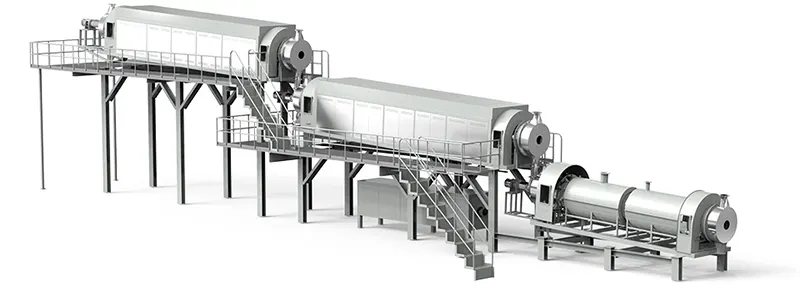
The correct choice therefore depends not only on the material but also on your production workflow.
6.Consider Your Material and Application
The material being processed is one of the most important factors in vacuum furnace selection.
Different materials have different requirements.
| Application | Important Furnace Requirements |
|---|---|
| Metal annealing | Temperature control + vacuum/atmosphere |
| Stress relief | Precise temperature + uniformity |
| Degassing | Vacuum performance + controlled heating |
| Powder metallurgy | Vacuum/atmosphere + uniform heating |
| Ceramic sintering | High temperature + atmosfære kontrol |
| Advanced materials | High purity + præcis temperaturkontrol |
| Semiconductor materials | High purity + contamination control |
| Metal reduction | Suitable reducing atmosphere |
| Titanium alloys | Strong oxidation protection |
| Tungsten/Molybdenum materials | High temperature + suitable atmosphere |
III.Common Mistakes When Choosing a Vacuum Furnace
1. Choosing Only by Temperature
A higher temperature rating does not automatically mean a better furnace.The furnace must match your actual process temperature, atmosfære, material, and heating requirements.
2.Ignoring the Required Vacuum Level
Different processes have different vacuum requirements.A furnace that can operate under vacuum is not necessarily suitable for a process requiring high-vacuum, high-purity conditions.
3.Choosing the Wrong Furnace Structure
A vacuum box furnace, vacuum tube furnace, vacuum rotary kiln, and vacuum pit furnace are designed for different applications.The furnace structure should match the shape, quantity, movement, and loading method of your material.
4. Ignoring Atmosphere Requirements
Some materials cannot be processed correctly in air at high temperature.If oxidation, reduction, contamination, or material purity is important, specify the atmosphere requirements before purchasing the furnace.
5.Selecting the Chamber by Volume Alone
A large chamber is not necessarily better.An oversized chamber can increase energy consumption and heating time, while an undersized chamber can limit production capacity.Choose the chamber according to your actual workpieces, fixtures, batch weight, and process requirements.
IV.Summarize
Choosing a vacuum furnace requires more than comparing maximum temperature and equipment price. Start with your material and process, then determine the required temperature, vakuum niveau, atmosfære, chamber size, heating zone, furnace structure, loading method, and automation level. For laboratory research, a vacuum box furnace or vacuum tube furnace may provide the flexibility required for experiments, while high-vacuum, bottom-loading, rotary, pit, or continuous atmosphere furnaces can be selected for more specialized industrial processes.
Need help choosing a vacuum furnace? Explore the Vakuum elektriske ovne range from Luoyang Anjing Intelligence Equipment, or contact our technical team with your required temperature, vakuum niveau, atmosfære, material, chamber size, and production capacity for a customized solution.
Click “Request a Quote” to get a customized solution.
V. FAQ
1. Can a vacuum furnace be customized?
Ja. Vacuum furnace configurations can be designed according to process temperature, vacuum requirements, chamber dimensions, atmosfære, heating zones, loading method, control requirements, and production capacity. The specific configuration should be confirmed according to the application and selected furnace model.
2. What is the difference between a vacuum furnace and a conventional furnace?
A conventional furnace generally heats materials in air, while a vacuum furnace can remove air from the chamber and operate under vacuum or controlled gas atmospheres. This helps reduce oxidation and contamination and allows materials to be processed under controlled atmospheric conditions.
3. What vacuum level do I need for heat treatment?
The required vacuum level depends on the material and process. High-purity materials and oxidation-sensitive applications may require higher vacuum performance, while some heat-treatment processes can use vacuum followed by inert-gas protection. The required working vacuum should be specified when selecting the furnace.
4. What type of vacuum furnace is best for powder metallurgy?
For powder metallurgy, the appropriate choice depends on whether the process is batch or continuous. Vacuum box furnaces can be suitable for batch sintering, while vacuum rotary kilns can be advantageous for powder processing requiring material movement and continuous operation.
5. Can a vacuum furnace use inert or reducing gas?
Ja. Vacuum furnaces can be configured for controlled-atmosphere processing using gases such as inert or reducing gases, depending on the furnace design and process requirements. Your vacuum furnace range includes equipment designed for vacuum, inert, and reducing-atmosphere applications.
Supplier
Luoyang Anjing Intelligent Equipment Co., Ltd. is an enterprise dedicated to the research, development, production, sales, and technical services of heat treatment equipment such as high-temperature electric furnaces. We produce laboratory, vacuum, industrial, and medium frequency furnace, covering a temperature range from -100℃ to 2600℃, serving industries such as new energy, halvledere, og avancerede materialer. We can provide customized solutions based on specific atmosphere, ultra-high temperature, and intelligent control system requirements. Please feel free to contact us if you are interested.