Luoyang Anjing Intelligence Equipment er en global leder inden for højtemperatur elektriske ovne



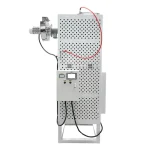
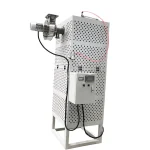
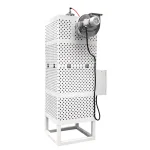
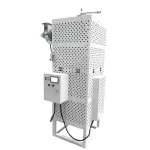
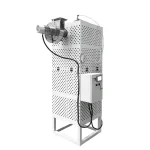
Exhaust Gas Purification Furnace For Voc Treatment


PRODUKTPARAMETRE
Beskrivelse
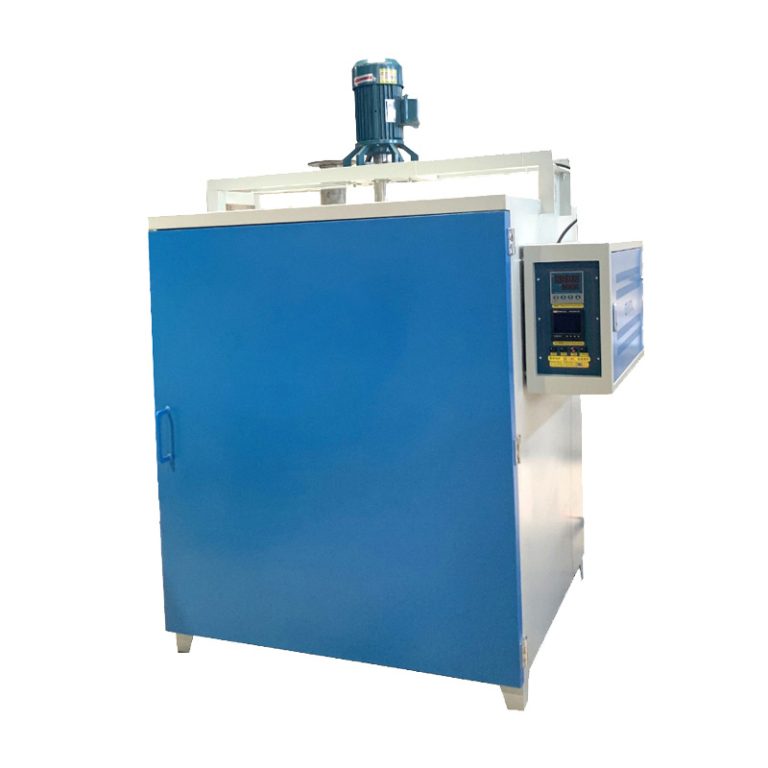
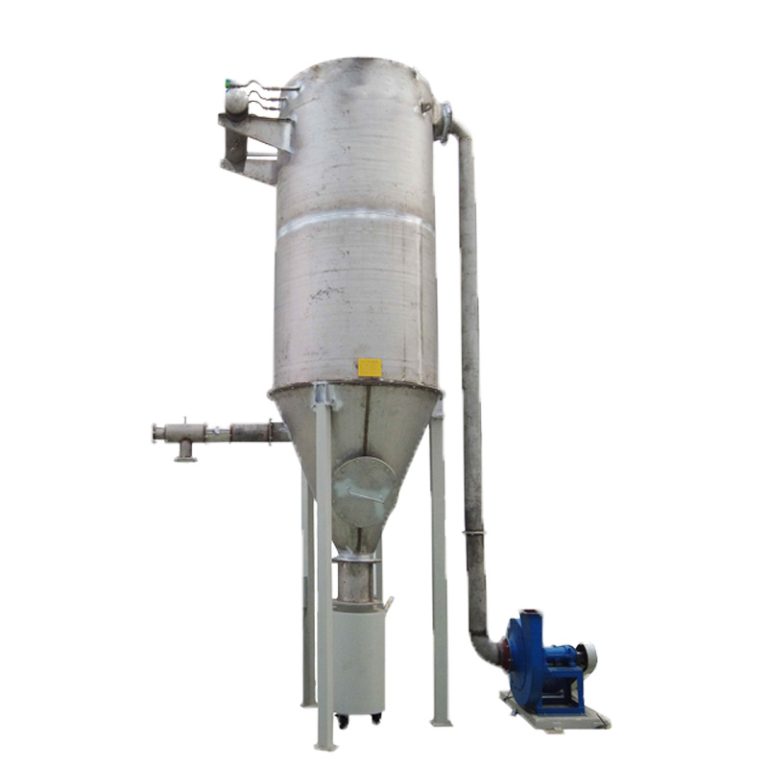
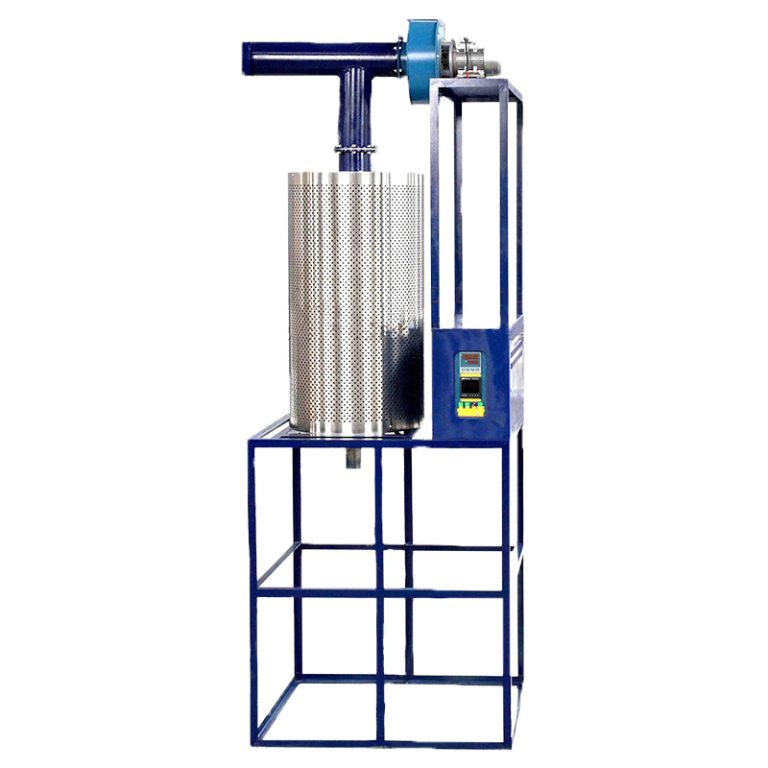
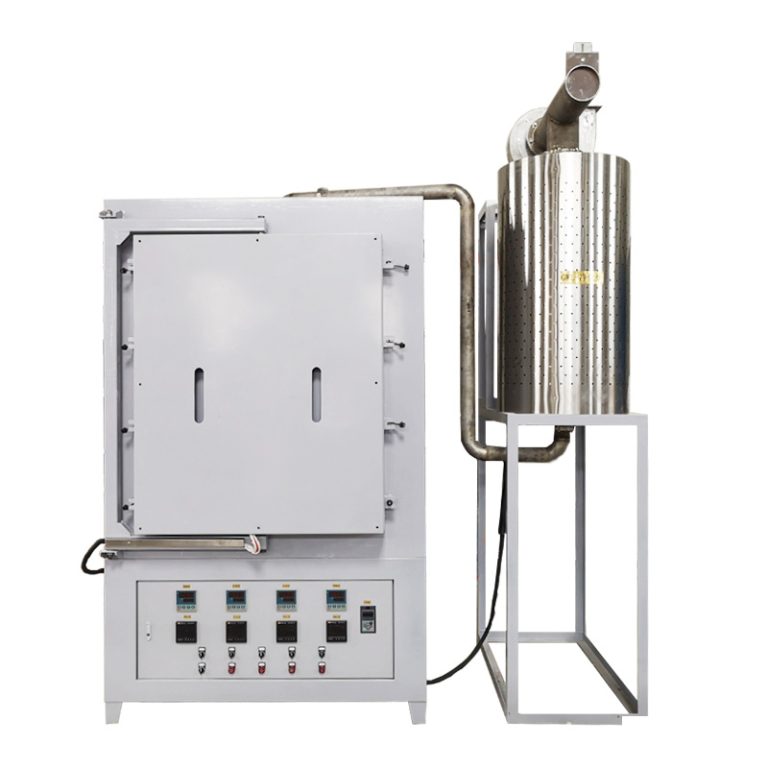
1000℃ VOC Exhaust Gas Purification Furnace
The 1000℃ VOC exhaust gas purification furnace is a high-efficiency organic waste gas treatment device. It employs regenerative thermal oxidation (RTO) technology, using high-temperature oxidation to decompose volatile organic compounds (VOCs) in the waste gas into carbon dioxide and water, achieving highly efficient purification.
This equipment features high purification efficiency and high heat recovery rate, and is widely used in waste gas treatment in industrial production. It is an important VOC treatment/exhaust gas purification system in the modern environmental protection field.
Produktegenskaber (Udstødningsgasrensningsovn)
- High Purification Efficiency, ≥99%
The three-chamber series design achieves an exhaust gas decomposition efficiency of over 99%. Each heat storage chamber undergoes a heating-heat release-cleaning process sequentially, ensuring a stable VOC removal rate of over 98%, with an overall purification efficiency of ≥99%.
- High Heat Recovery Efficiency, ≥95%
The ceramic heat storage element recovers the heat released from exhaust gas decomposition, which is used to preheat subsequent organic waste gas. The heat recovery efficiency reaches over 95%, significantly reducing heating energy consumption.
- Self-Heating Operation, Significant Energy Savings
Under suitable exhaust gas concentration conditions, self-heating operation is achieved without the need for auxiliary fuel. The system operates using the heat generated by the oxidation and decomposition of the exhaust gas itself, resulting in low operating costs.
- Wide Range of Exhaust Gas Treatment Capabilities
It can treat almost all exhaust gases containing organic compounds, including alkanes, alkenes, ketones, ethers, esters, aromatics, benzenes, and other hydrocarbons.
- High adaptability and stable operation
It can handle low-volume, high-concentration organic waste gas, with a high degree of flexibility in handling organic waste gas flow rates. It can adapt to changes and fluctuations in the composition and concentration of VOCs in organic waste gas, ensuring stable and reliable operation.
- Strong resistance to impurity interference
It is not sensitive to small amounts of dust and solid particles entrained in the waste gas, requires no complex pretreatment system, and is easy to maintain.
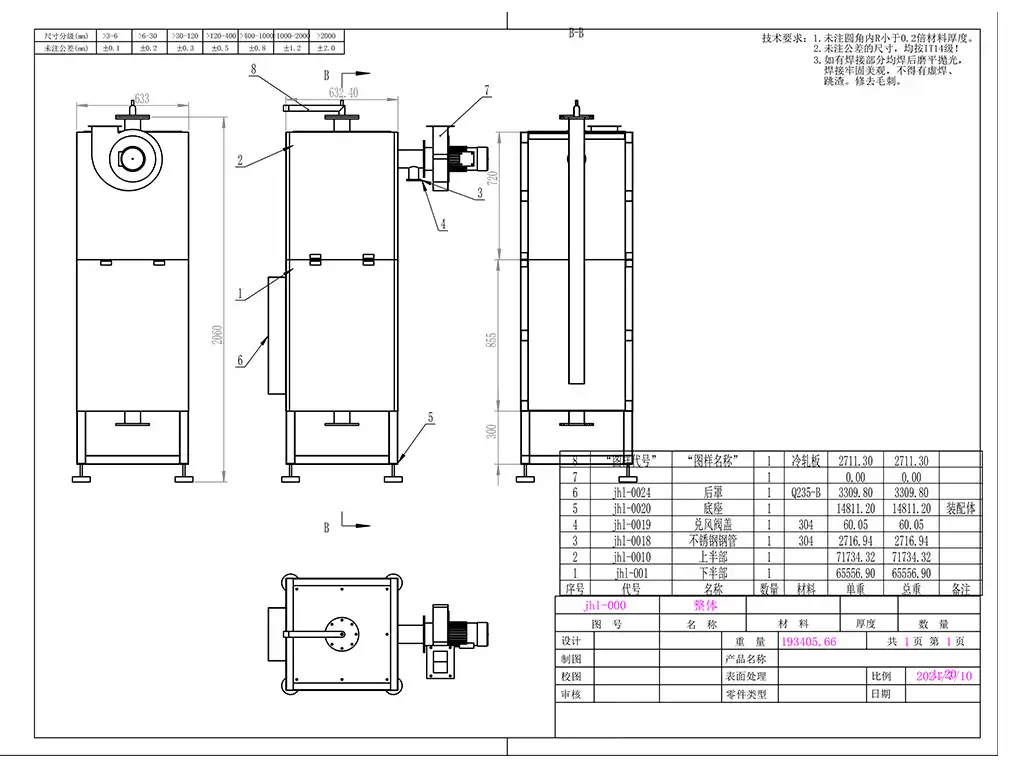
| Maximum Temperature | 1000℃ |
| Normal Operating Temperature | 750℃ |
| Exhaust Gas Treatment Capacity | 80 m³/h, treatment efficiency 95% |
| Voltage | 380V AC |
| Magt | 16 kW |
| Pipe Material | 304 rustfrit stål |
| Temperaturmåleelement | Type K termoelement |
| Temperaturkontrol nøjagtighed | ±3℃ |
| Kontrolmetode | Programmable, PID auto-tuning + SCR |
| Opvarmningshastighed | 50℃/min |
Exhaust Gas Purification Furnace Applications
- Ceramics and Sputters: Suitable for the purification of organic waste gas generated during ceramic blank removal and sputtering production.
- Printing Industry: Suitable for waste gas treatment in packaging printing processes such as plastic reverse printing, plastic surface printing, film packaging printing, paper gravure printing, flexographic printing, screen printing, offset printing, letterpress printing, oil printing, pad printing, metal printing, tinplate printing, commercial rotary printing, and sheet-fed printing.
- Drying and Laminating Processes: Suitable for the purification of organic waste gas generated during drying, laminating, and cleaning processes, such as the treatment of volatiles from inks, adhesives, coating agents, dampening solutions, and car wash water.
- Chemical Industry: Suitable for the treatment of VOCs-containing waste gas generated during chemical production processes, including solvent recovery and reaction tail gas treatment.
- Adhesives and Coatings: Suitable for the purification of organic waste gas generated during the production and use of adhesives and coating agents, meeting environmental emission requirements.
- Electronics and Semiconductors: Suitable for the cleaning of electronic components and the treatment of organic waste gas generated during semiconductor manufacturing, ensuring a clean production environment.
- Nye energimaterialer: Applicable to the purification of waste gas from degreasing and annealing during the production of lithium battery materials and photovoltaic materials, ensuring product purity and environmentally friendly production.
Virksomhedsprofil
En professionel virksomhed med speciale i varmebehandlingsteknologitjenester og R&D, fremstilling, og salg af højtemperatur elektriske ovne.
Virksomheden fokuserer på at udvikle højtemperatur elektriske ovne, der dækker et fuldt temperaturområde på -100 ℃ til 2600 ℃. Dets produkter omfatter eksperimentelle elektriske ovne, vakuum atmosfære ovne, industrielle ovne, og mellemfrekvent induktionsvarmeudstyr. De vigtigste produkter omfatter kasseovne, rørovne, løfteovne, skubbeovne, bogie ovne, roterovne, tunnelovne, og forskellige specialiserede mellemfrekvente ovne.
Virksomheden holder sig til teknologisk innovation og har bestået ISO9001 og EU CE-certificeringer. Det ejer 21 registrerede varemærker, 29 patenter, og 27 software ophavsrettigheder.
Betalingsmetoder
TT
Forsendelsesmetoder
El-ovnen er pakket i tre lag: først pakket ind i skumpapir, derefter pakket ind i plastfilm, og til sidst pakket i en trækasse.
Exhaust Gas Purification Furnace Frequently Asked Questions (FAQ)
- Does it require continuous fuel supply?
It can operate self-heating under suitable exhaust gas concentrations, requiring no additional fuel.
- Does it require additional heating?
When the exhaust gas concentration is suitable, it can operate self-heating without auxiliary fuel.
- What organic waste gases can it treat?
Alkanes, alkenes, ketones, ethers, esters, aromatics, benzenes, and other hydrocarbons.
- Can it adapt to fluctuations in exhaust gas concentration?
Ja. It is highly adaptable to changes and fluctuations in VOC composition and concentration.
- Is it susceptible to dust and particulate matter?
Ingen. It is not sensitive to small amounts of dust and particulate matter.