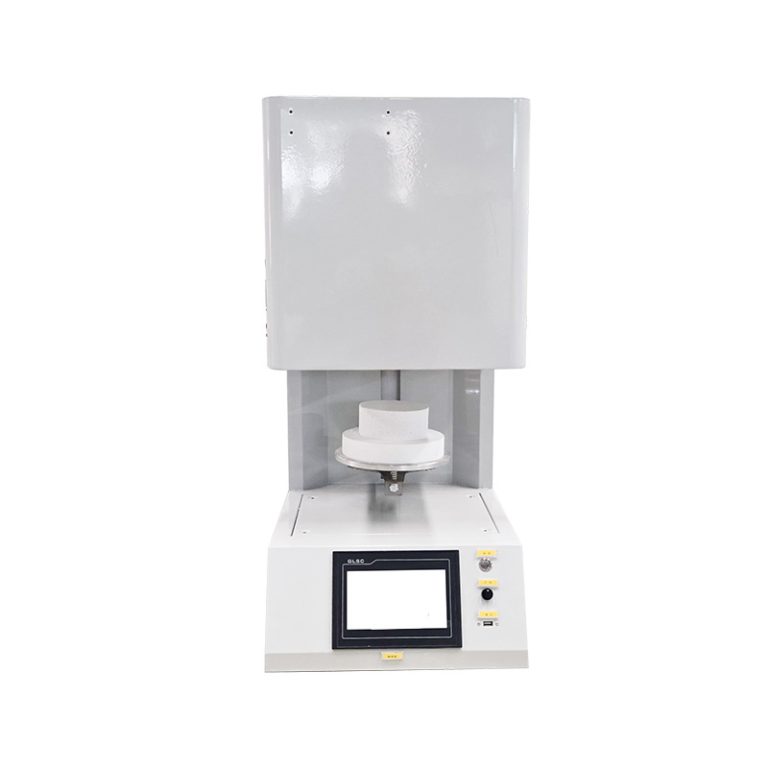
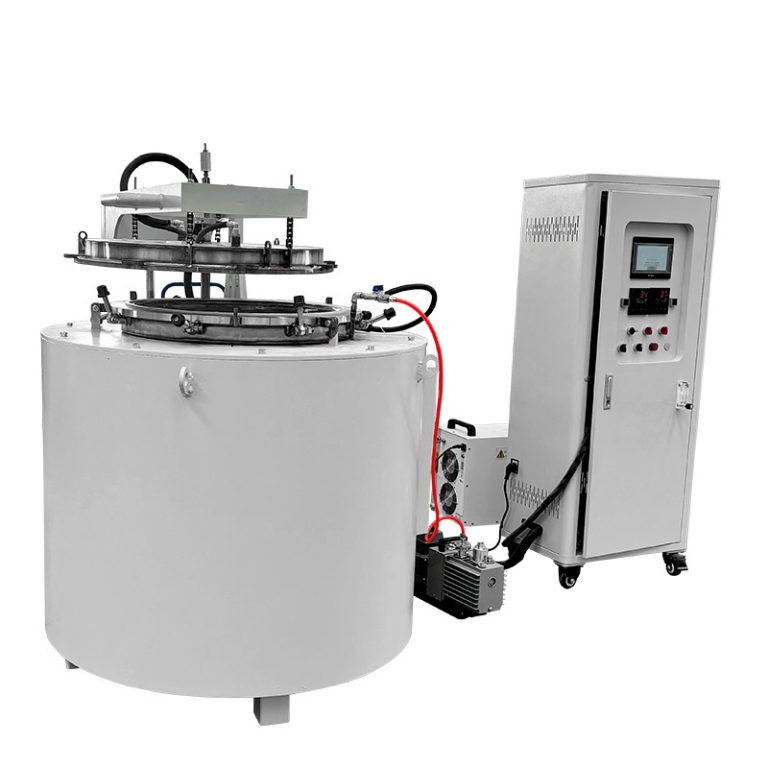
Luoyang Anjing Intelligence Equipment er en global leder inden for højtemperatur elektriske ovne



Hvad er forskellen mellem modstand og induktionsovn?
In the field of industrial heating, resistance furnace og induction furnace are both common high-temperature processing equipment, but their heating principles, energy conversion methods, and applicable scenarios differ significantly.Simply put, resistance furnaces generate heat by passing an electric current through a heating element, which then heats the workpiece through radiation and conduction; induction furnaces, on the other hand, utilize electromagnetic induction to directly generate heat within the metal, achieving rapid heating. There is no absolute superiority or inferiority between the two types; the key factors depend on the material type, production efficiency, temperature requirements, and process objectives.
As the manufacturing industry moves towards higher efficiency, lower energy consumption, and automation, correctly selecting the type of furnace has become a crucial factor affecting production costs and product quality.
I. Overview of Resistance Furnaces and Induction Furnaces
Resistance furnaces and induction furnaces are the two most commonly used types of electric heating equipment in industry and laboratories. Their most fundamental difference lies in the location of heat generation—resistance furnaces transfer heat “from the outside in” to the material through a heating element, while induction furnaces directly heat the material “from the inside out” using electromagnetic induction.
This difference in “heating location” determines the fundamental differences between the two in terms of heating speed, energy efficiency, control precision, and applicable materials. The working principle of a resistance furnace is similar to a household electric oven—a resistance wire heats up, and thermal radiation and convection transfer heat to the surface of the material, which is then gradually conducted inwards. An induction furnace, on the other hand, is like an induction cooker—an alternating magnetic field induces eddy currents inside the metal, and the material itself heats up due to resistance.
There is no inherent superiority or inferiority in their heating methods; the difference lies only in their applicable scenarios. Understanding this basic principle is the first step in choosing the right equipment.
II. Characteristics and Advantages of Resistance Furnaces and Induction Furnaces
- Different Heating Methods
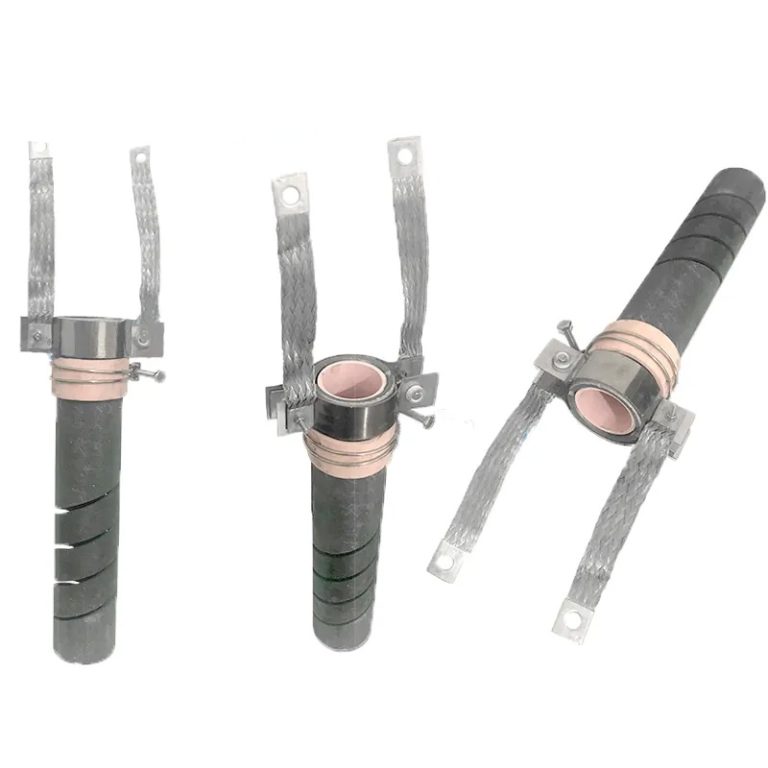
Resistance furnaces generate heat through heating elements such as resistance wires, siliciumcarbid stænger, or silicon molybdenum rods. Heat must be transferred to the material through the furnace chamber, resulting in a relatively uniform heating process, but the rate of heating is typically slower.
Induction furnaces utilize electromagnetic fields to directly act on conductive materials, generating heat within the material. Because the heat transfer process is reduced, the heating response is much faster.
- Different Temperature Control Capabilities
Resistance furnaces excel in temperature stability. Due to the relatively stable internal space of the furnace chamber, they are suitable for maintaining a constant temperature for extended periods. For example, processes such as ceramic sintering and material annealing require holding at temperature for several hours or even longer, and resistance furnaces provide a stable environment.
Induction furnaces are better suited for rapid heating and dynamic control. In metal smelting processes, induction heating allows for rapid power adjustments, resulting in more rapid temperature changes.
- Different Energy Efficiency
Because heat is generated directly within the metal in induction furnaces, heat storage within the furnace body and heat transfer losses are reduced. Therefore, they typically have higher energy efficiency in metal smelting.
While resistance furnaces require heating the furnace body and surrounding environment, modern equipment can significantly reduce energy consumption through ceramic fiber insulation, multi-layered insulation structures, og intelligente styresystemer.
Therefore: Long-term heat preservation → Resistance furnaces are more economical; High-frequency melting → Induction furnaces offer superior efficiency.
- Different Applicable Material Ranges
Resistance furnaces are suitable for:
Metal heat treatment
Ceramic material sintering
Powder material processing
High-temperature laboratory experiments
Induction furnaces are mainly suitable for:
Metal melting (jern, steel, kobber, aluminium, osv.)
Metal through-heating treatment
Rapid heating before forging
Induction furnaces have limited heating capacity for non-conductive materials, while resistance furnaces have a wider range of applicable materials.


| Comparison Dimension | Resistance Furnace | Induction Furnace |
|---|---|---|
| Heating Principle | Heating elements → radiation/convection heat transfer | Electromagnetic induction → eddy current heating inside the material |
| Heating Method | Indirect heating (heat transfers from outside inward) | Direct heating (heat generated internally) |
| Heating Speed | Relatively slow, requires heating elements and chamber | Extremely fast, energy acts directly on the material |
| Energy Efficiency | Moderate, part of heat used to heat the chamber | High, minimal non-essential losses |
| Applicable Materials | All materials (metals, keramik, glass, osv.) | Only conductive materials (metals and their alloys) |
| Temperaturensartethed | Chamber temperature uniform, suitable for overall heating | May have temperature gradients, suitable for localized heating |
| Equipment Cost | Relatively low, simple structure | Relatively high, requires complex power supply and coils |
| Typical Applications | Annealing, temperering, keramisk sintring, drying/curing | Melting, induction forging, surface hardening, brazing |
III. Two Key Topics: How to Choose the Right Furnace?
- Which is more important: production efficiency or process requirements?
Equipment selection should first consider production goals. If a company focuses on rapid melting and large-volume metal processing, an induction furnace is generally more suitable.
For example, the foundry industry requires rapid melting of molten iron, kobber, or aluminum; an induction furnace can shorten the melting cycle and increase production speed.
However, if the process focuses on material structure changes, such as sintering, udglødning, or crystal growth, a resistance furnace is more advantageous. This is because these processes require a stable temperature environment, rather than simply pursuing a rapid heating rate.
- How to balance maintenance costs with long-term operation?
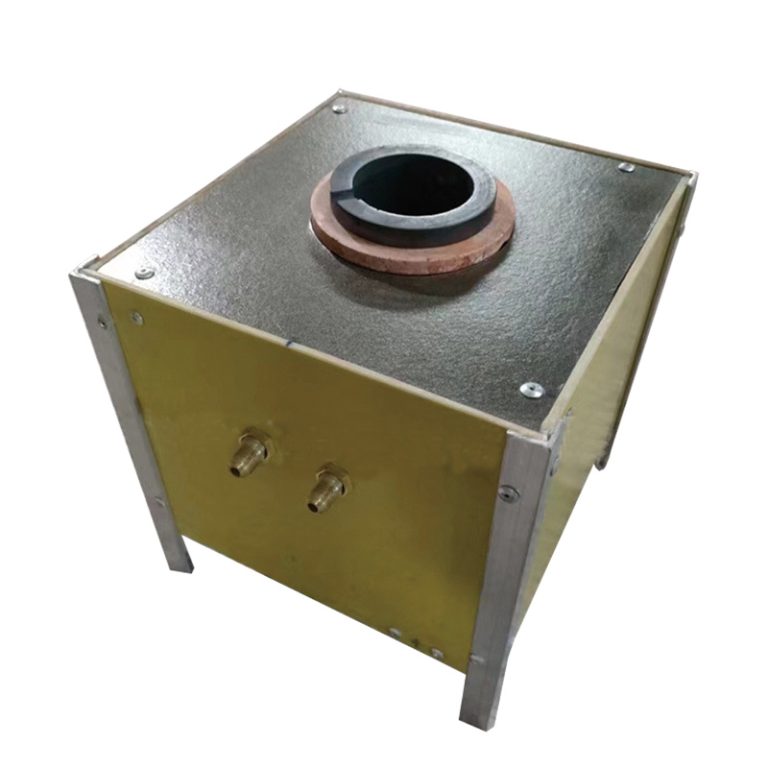
While induction furnaces are highly efficient, their system structure is more complex. Key maintenance areas include: induction coils, cooling systems, inverter power supplies, and electrical control modules. Abnormal cooling or coil insulation damage can lead to equipment downtime.
Resistance furnaces have a relatively simple structure, and maintenance mainly focuses on: heating elements, furnace lining materials, and temperature control systems. For laboratory and small-to-medium-sized production environments, resistance furnaces generally have lower maintenance difficulty. The future trend is that both types of equipment are upgrading towards intelligence: automatic temperature control, energy consumption monitoring, remote diagnostics, and data management are reducing the uncertainty of equipment operation.
IV. Product Applications
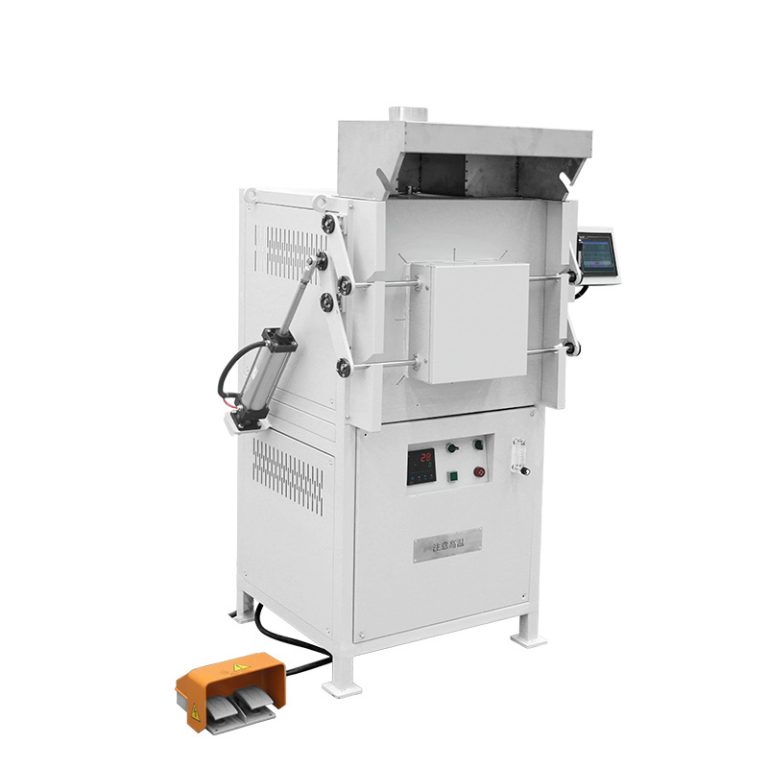
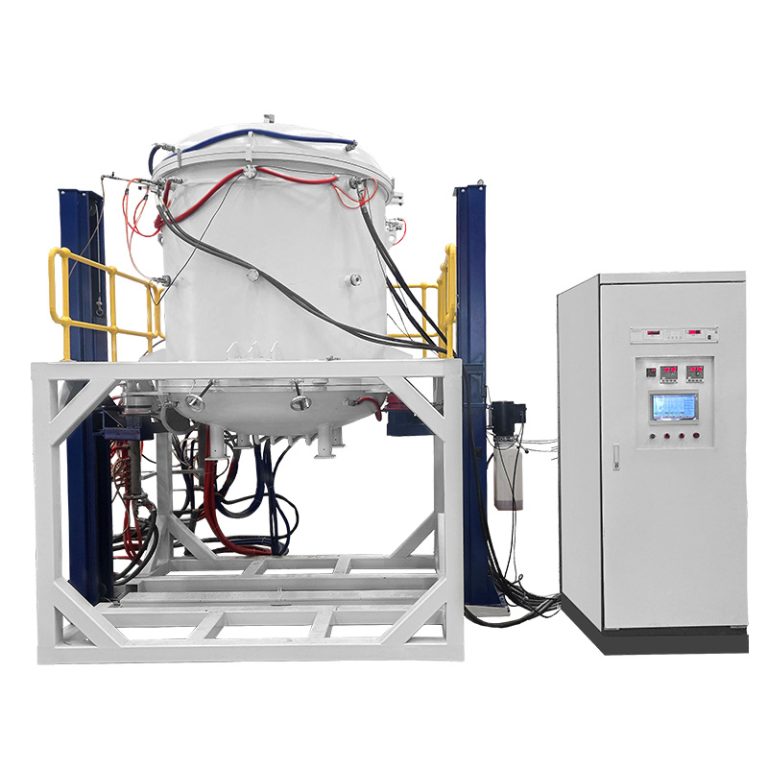
Resistance Furnace Applications: In the field of metal heat treatment, udglødning, temperering, and normalizing are traditional uses of resistance furnaces, suitable for processes requiring uniform overall heating. In the fields of ceramics and powder metallurgy, resistance furnaces are the main equipment for ceramic sintering and powder metallurgy sintering. Box-type, tube-type, and pit-type resistance furnaces with uniformly arranged heating elements can ensure batch consistency. In the field of materials testing and drying, laboratory muffle furnaces are used for ashing analysis, loss on ignition determination, and sample drying.
Induction Furnace Applications: In the field of metal smelting, medium-frequency induction furnaces are core equipment in foundries for smelting cast iron, cast steel, rustfrit stål, and copper-aluminum alloys. Electromagnetic stirring ensures uniform alloy composition. In the field of through-heated forging, bar stock is rapidly heated to the forging temperature before forging through induction heating, reducing the oxidation loss rate from 3% in coal-fired furnaces to below 0.5%. In the field of surface hardening, high-frequency induction heating is used for rapid heating and quenching of localized areas such as gears and journals, with extremely high efficiency. In the field of high-purity material processing, induction heating has no external heating element and no risk of impurity introduction, making it suitable for high-purity metal smelting and crystal growth.
V.Supplier
Luoyang Anjing Intelligent Equipment Co., Ltd. is an enterprise dedicated to the research, development, production, sales, and technical services of heat treatment equipment such as high-temperature electric furnaces. We produce laboratory, vacuum, industrial, and medium frequency furnace, covering a temperature range from -100℃ to 2600℃, serving industries such as new energy, halvledere, og avancerede materialer. We can provide customized solutions based on specific atmosphere, ultra-high temperature, and intelligent control system requirements. Please feel free to contact us if you are interested.