


Luoyang Anjing Intelligence Equipment es líder mundial en hornos eléctricos de alta temperatura



Horno Túnel
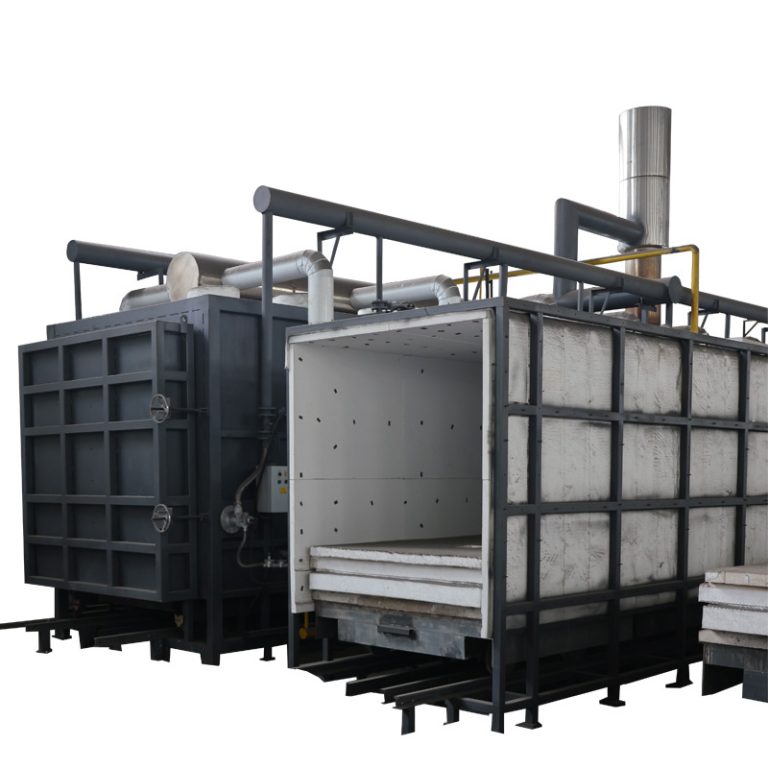
30m³ Gas-Fired Tunnel Kiln Car Furnace With Automatic Control System
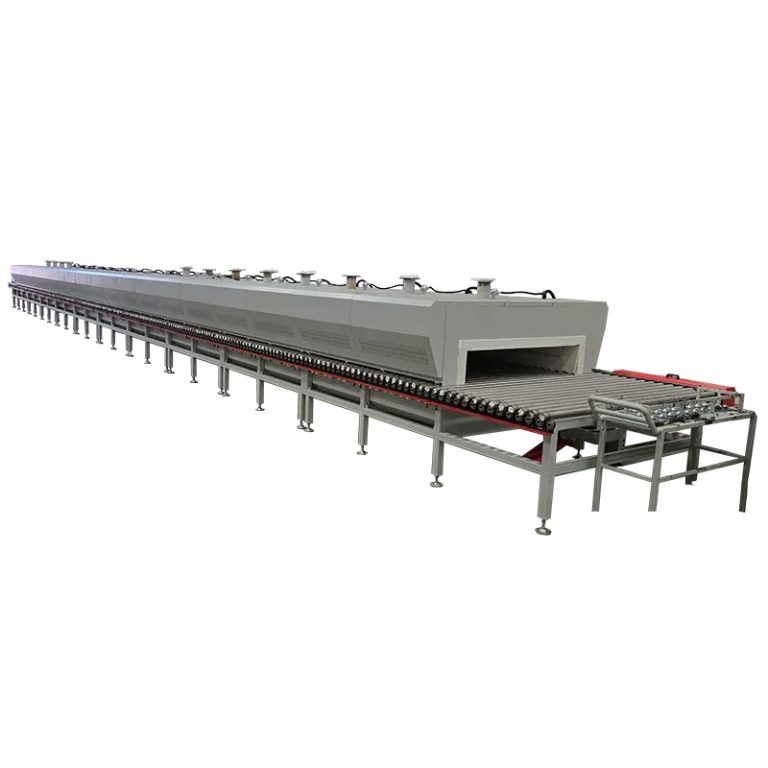
1000°C Continuous High-Temperature Roller Hearth Kiln System
Horno Túnel
A tunnel kiln is a continuous high-temperature furnace where materials are carried by kiln cars that move slowly within a fixed furnace body, achieving a continuous firing process.
The equipment is typically divided into a preheating zone, a firing zone, and a cooling zone. The material travels sequentially through each temperature zone with the kiln car to complete the entire heat treatment process. It is suitable for continuous production scenarios with stable output and fixed processes.
Características del producto (Horno Túnel)
- High-efficiency continuous production via kiln car
This tunnel kiln uses a kiln car loading method. Materials are placed on the kiln car and continuously or intermittently pass through the preheating, sinterización, and cooling zones along the track, enabling large-scale production.
- Multi-zone independent temperature control, precise temperature curves
Multiple independent heating zones are set along the length of the furnace, divided into a preheating section, a high-temperature sintering section, and a cooling section. Each zone can be set with its own temperature, achieving precise control of the heating, holding, and cooling curves to meet the requirements of complex sintering processes.
- Adjustable kiln car speed, controllable residence time
The kiln car's advancing speed is infinitely adjustable, allowing for flexible adjustment of the material's residence time within the furnace according to material characteristics and process requirements, ensuring consistent sintering quality.
- Wide temperature range, covering various processes
The maximum operating temperature can be designed according to process requirements, covering 1200℃ to 1700℃.
- Kiln car materials are optional, with strong load-bearing capacity.
Kiln cars can be selected from refractory brick kiln cars, fiber kiln cars, or lightweight kiln cars according to the sintering temperature and material characteristics. They have strong load-bearing capacity, high temperature resistance, and corrosion resistance. A sealing structure is provided between the kiln car and the furnace body to reduce heat leakage.
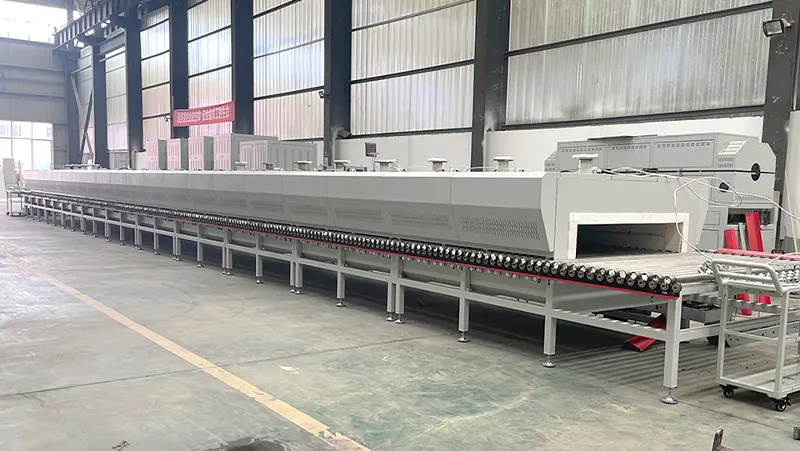
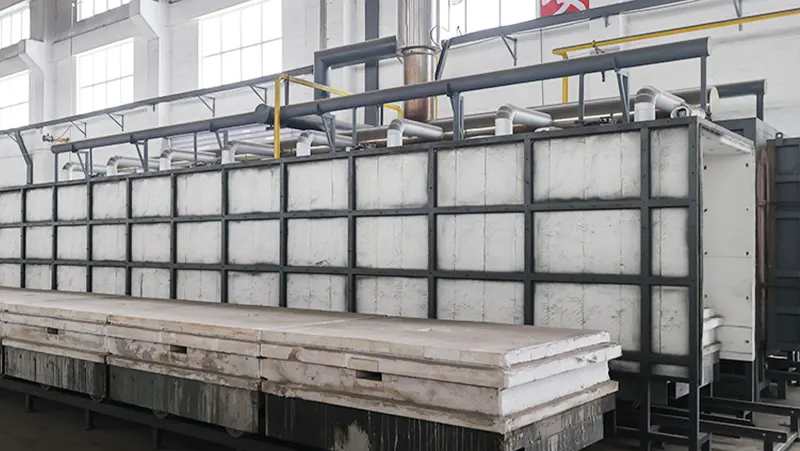
| Continuous Production | Materials loaded on kiln cars, passing through preheating, sintering and cooling zones in sequence |
| Multi-zone Temperature Control | Multiple independent heating zones along the furnace length for precise temperature profile control |
| Adjustable Speed | Stepless adjustable kiln car advancing speed, controllable holding time |
| Wide Temperature Range | Maximum temperature customizable upon demand, covering 1200–1700℃ |
| Optional Kiln Cars | Refractory brick, fiber or lightweight kiln cars, high load capacity and corrosion resistance |
Áreas de aplicación (Horno Túnel)
- Refractory Materials: Suitable for continuous batch sintering of refractory products such as refractory bricks, magnesia-carbon bricks, high-alumina bricks, and clay bricks. The kiln car structure has strong load-bearing capacity, suitable for the production of heavy-duty, large-size refractory materials.
- Advanced Ceramics: Suitable for large-scale batch sintering of high-performance ceramics such as alumina, óxido de circonio, silicon nitride, and silicon carbide. Multi-temperature zone design and stable kiln car conveying ensure consistent product performance.
- Electronic Ceramics: Adecuado para la sinterización por lotes de cerámicas funcionales electrónicas como, por ejemplo, cerámicas piezoeléctricas., cerámica dieléctrica, and PTC/NTC thermistors. Precise temperature profiles and a stable atmosphere environment ensure the electrical properties of electronic ceramics.
- Daily-Use Ceramics and Building Ceramics: Suitable for continuous sintering of daily-use ceramics (tableware, teaware) and building ceramics (tiles, sanitary ware). The kiln car tunnel furnace has high capacity and stable operation, making it the mainstream sintering equipment in the ceramics industry.
- Materiales magnéticos: Suitable for continuous sintering of magnetic materials such as soft magnetic ferrites and permanent magnetic ferrites. A uniform temperature field ensures consistent magnetic properties.
- Metalurgia de polvos: Suitable for continuous sintering of iron-based and copper-based powder metallurgy products. A protective atmosphere can be introduced to prevent oxidation and improve the density and strength of the products.
- Lithium-ion Battery Materials: Suitable for continuous sintering of positive electrode materials such as lithium iron phosphate and ternary materials, as well as the carbonization treatment of negative electrode materials. Nitrogen or argon gas can be introduced for protection to prevent material oxidation.
- Catalysts and Supports: Suitable for continuous calcination and activation treatment of catalyst supports, molecular sieves, and other materials. Multi-temperature zone design meets the requirements of complex temperature profiles.
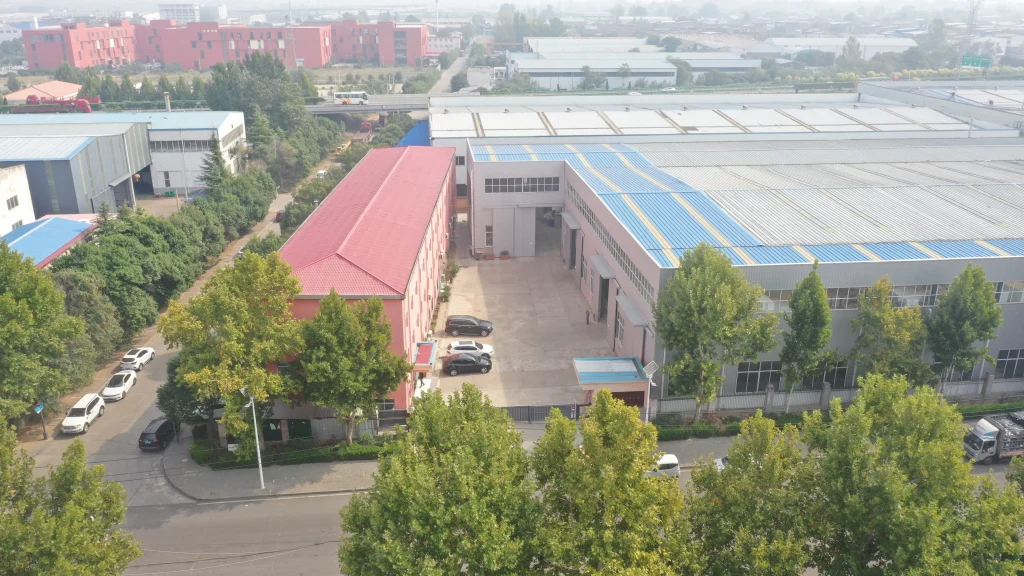
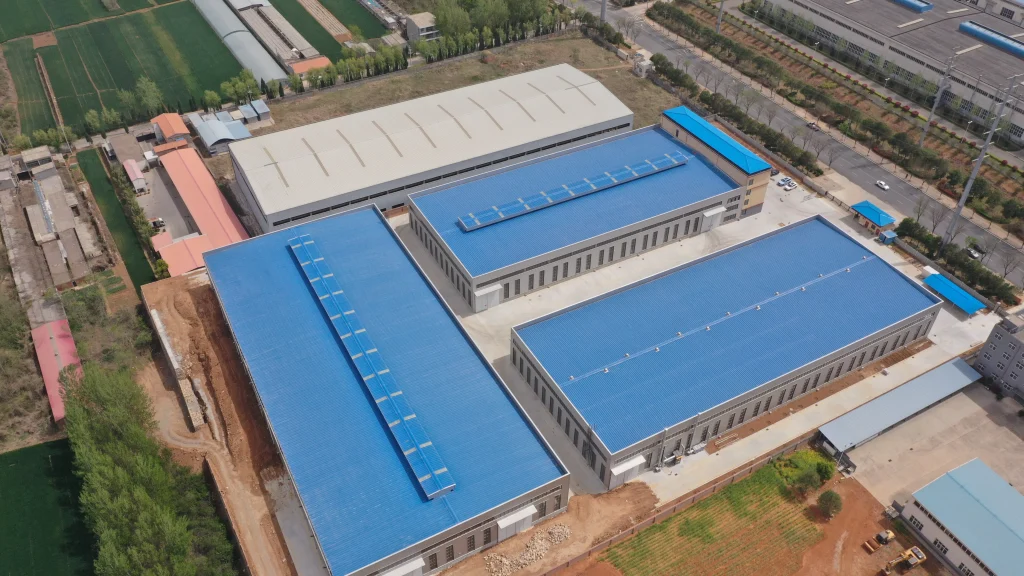
Perfil de la empresa
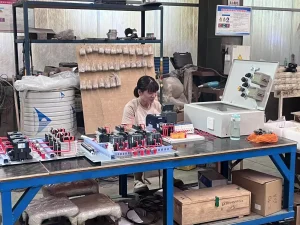
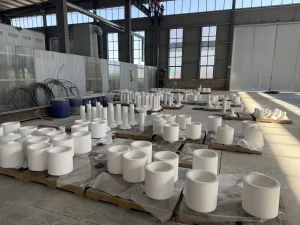
Una empresa profesional especializada en servicios de tecnología de tratamiento térmico y R.&D, fabricación, y venta de hornos eléctricos de alta temperatura.
La empresa se centra en el desarrollo de hornos eléctricos de alta temperatura que cubren un rango completo de temperatura de -100 ℃ a 2600 ℃.. Entre sus productos se encuentran hornos eléctricos experimentales., hornos de atmósfera de vacío, hornos industriales, y equipos de calentamiento por inducción de media frecuencia. Los principales productos incluyen hornos de caja., hornos tubulares, hornos elevadores, hornos de empuje, hornos de bogie, hornos rotativos, hornos de túnel, y varios hornos especializados de media frecuencia.
La empresa se adhiere a la innovación tecnológica y ha aprobado las certificaciones ISO9001 y CE de la UE.. posee 21 marcas registradas, 29 patentes, y 27 derechos de autor del software.
Métodos de pago
TT
Métodos de envío
El horno eléctrico de carga inferior está empaquetado en tres capas.: primero envuelto en papel de espuma, luego envuelto en película plástica, y finalmente embalado en una caja de madera.
Preguntas frecuentes (Preguntas frecuentes)
- What is the difference between a tunnel kiln and a pusher furnace?
Tunnel kilns use kiln cars for conveying and are suitable for larger or heavier products.
- How heavy can the workpieces be?
From several hundred kilograms to tens of tons. Kiln car size and load capacity can be customized.
- Can a protective atmosphere be used?
Sí. Some tunnel kilns can be designed for a protective atmosphere.
- How do kiln cars return?
After exiting the cooling section, the kiln car returns to the charging area via a side line or underground return line.
- Is it energy-intensive?
Continuous production, high thermal efficiency, more energy-efficient than batch furnaces.