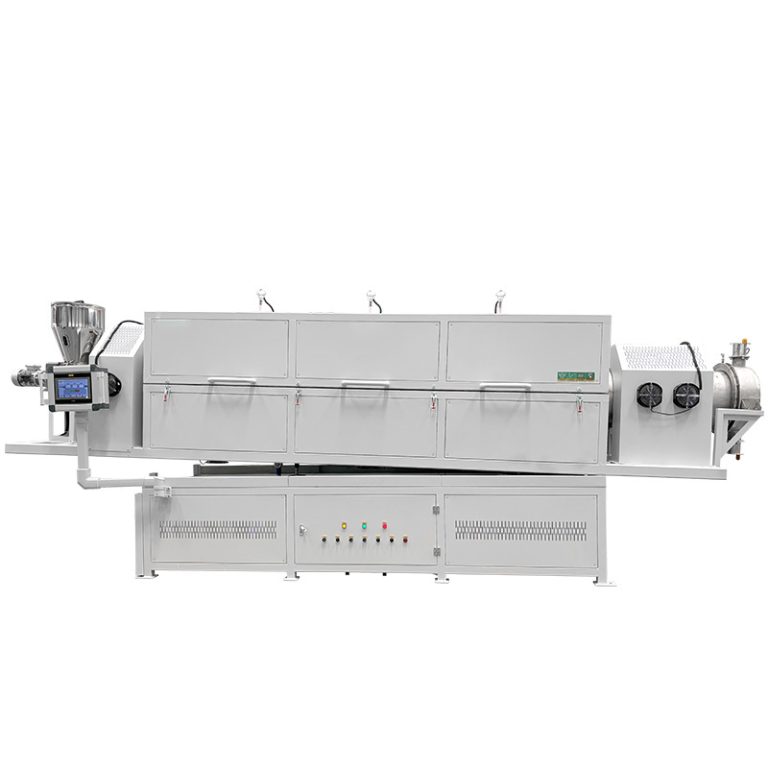
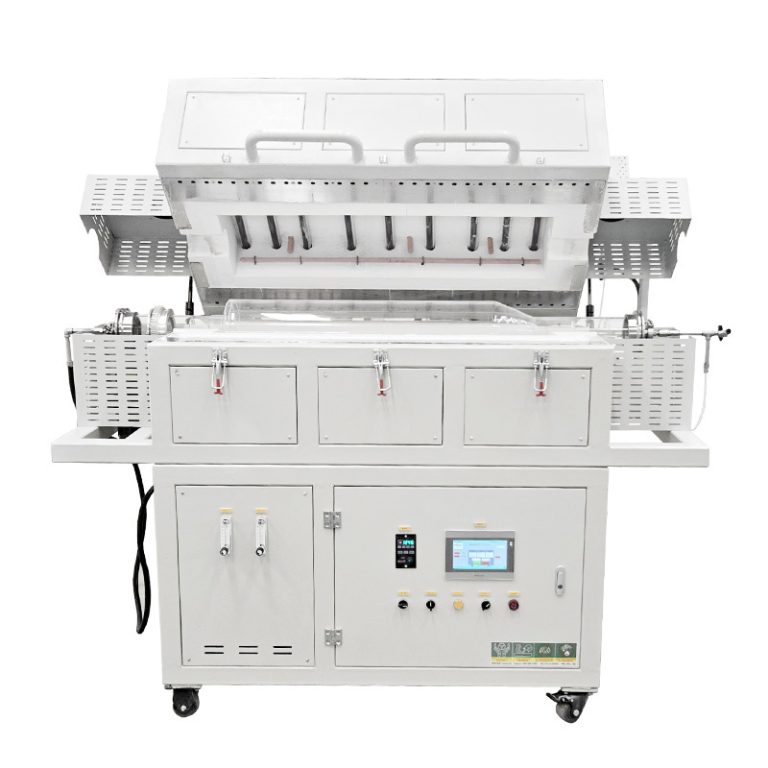
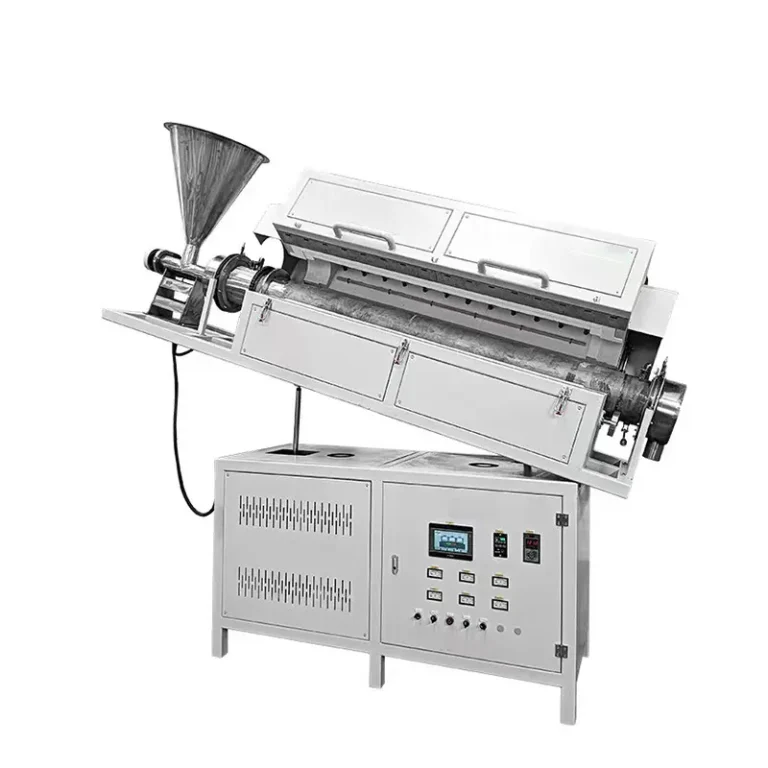
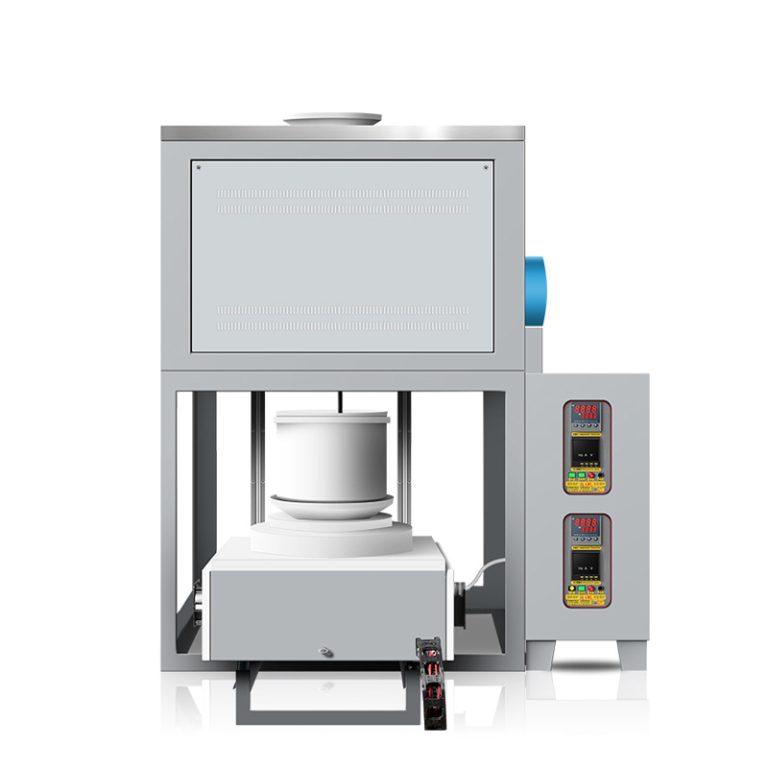
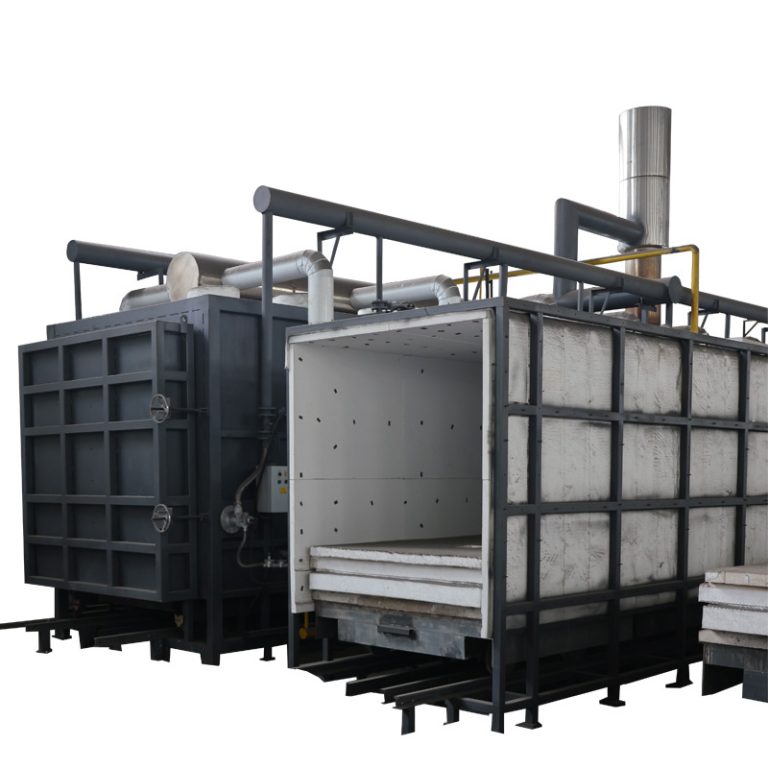
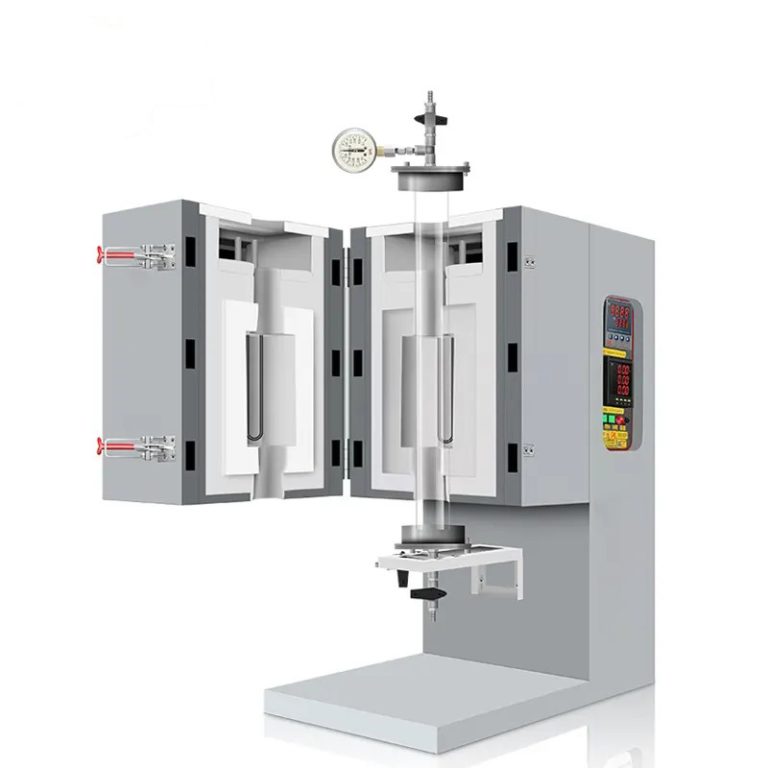
Peralatan Perisikan Luoyang Anjing ialah peneraju global dalam relau elektrik suhu tinggi



How To Achieve Uniform Temperature And Low Energy Consumption In A Laboratory Furnace
In laboratory furnace heat treatment processes, the true determinant of experimental results stability is often not the highest temperature, but rather “temperature uniformity” dan “energy consumption control.” Especially in materials research, new energy powders, and ceramic sintering, even a temperature difference of just a few degrees can affect sample structure, reaction efficiency, and even the reproducibility of final data.
The current industry trend is clear: laboratory furnaces are no longer simply pursuing high temperatures, but are upgrading towards “precise thermal field control + low energy consumption operation.” Atmosphere-protected box furnaces, in particular, are becoming core equipment in high-end experiments and materials research and development.
saya. Overview of Laboratory Furnace
Laboratory furnaces are high-temperature equipment used for material heating, pensinteran, heat treatment, and thermal analysis. They are widely used in universities, research institutes, new energy laboratories, and industrial R&D centers.
The application of atmosphere-protected box furnaces has increased significantly in recent years because they can perform heat treatment in a specific gas environment.
As the requirements for high-end materials and precision experiments become increasingly stringent, the performance evaluation standards for laboratory furnaces are also changing—no longer just about “whether it can heat,” but placing greater emphasis on “heating stability, energy efficiency, and reproducible results.”
II. Features and Advantages of Laboratory Furnace
- High Temperature Control Precision
Laboratory furnaces typically employ PID intelligent temperature control systems, which automatically adjust heating power according to a set program to achieve stable heating and constant temperature control.
For experiments requiring precise heat treatment, stable temperature control reduces sample errors and improves experimental repeatability.
- Better Furnace Temperature Uniformity
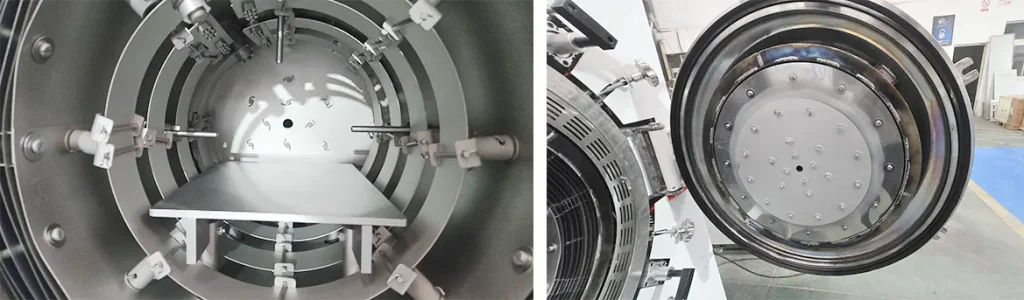
Through optimized heating element layout and thermal field design, modern laboratory furnaces effectively reduce localized temperature differences.
Some high-end equipment uses a multi-faceted heating structure, resulting in more uniform heat distribution within the furnace chamber and preventing inconsistent sample heating.
- Strong Atmosphere Protection Capability
Atmosphere-protected box furnaces can introduce protective gases such as nitrogen and argon, reducing high-temperature oxidation.
For experiments involving metallic materials, lithium battery materials, and powder materials, a stable atmosphere effectively improves material performance and experimental stability.
- Significantly Improved Energy Efficiency
In recent years, an increasing number of laboratory furnaces have adopted ceramic fiber insulation structures, resulting in lower heat loss and faster heating rates compared to traditional refractory brick furnace bodies.
Meanwhile, the intelligent standby and programmable temperature control functions can also reduce unnecessary energy consumption.

| Kawalan Suhu Tepat | • Reasonable heating element layout to ensure chamber temperature uniformity • High-sensitivity feedback to avoid overshoot or lag • Programmed curve control for smooth power adjustment • High-quality insulation to reduce heat loss |
| Atmosphere Protection | • Good sealing to prevent air infiltration • Precise control of gas flow and composition • Reasonable atmosphere circulation to avoid heat waste |
| Energy Saving Optimization | • Optimize heating and soaking time • Utilize waste heat recovery and standby energy-saving modes • Set parameters according to actual needs, avoid over-standardization • Regular maintenance of key components |
III. Laboratory Furnace Achieves Uniform Temperature and Low Energy Consumption
1. Common “traps” and verification methods for temperature field uniformity
Many users find that the temperature displayed on the furnace does not match the actual temperature of the sample. This is not actually a malfunction, but rather a natural limitation imposed by the thermocouple’s location. In box furnaces, the temperature-controlling thermocouple is typically mounted on the rear wall of the furnace chamber.while the sample is placed in the center. During heating and cooling, there is a time difference between the rear wall temperature and the central temperature.
A reliable method to verify temperature field uniformity is to perform “empty furnace temperature measurement.” Place five calibrated thermocouples at different positions in the furnace chamber (top, center, bottom; left, center, right), run the furnace according to a common heating program, and record the temperature differences at each point throughout the process. A qualified box furnace should not have a maximum temperature difference exceeding ±5℃ during the isothermal phase. If an excessive temperature difference is found, the sample placement can be adjusted—avoiding positions near the furnace door and directly opposite the heating wire.
- How to Improve Furnace Temperature Uniformity
The temperature uniformity of a laboratory furnace depends not only on the heating power but, more importantly, on the thermal field design. If the heating element layout is unreasonable, even if the furnace temperature reaches the set value, significant temperature differences may still occur inside the furnace. For example, excessively high temperatures at the top and insufficient heating at the edges will affect experimental results.
To improve temperature uniformity, many laboratory furnaces now employ: multi-zone independent temperature control, a surrounding heating structure, optimized heat reflector layer design, and hot air circulation auxiliary systems. These designs reduce heat concentration and localized hot spots, creating a more stable thermal environment throughout the furnace. Sample placement also affects the thermal field distribution. Overly dense samples hinder heat flow; therefore, it is necessary to properly control the loading and spacing during experiments.
IV. laboratory Furnace Product Applications
- Ceramic Material Sintering: Structural ceramics such as alumina and zirconia are extremely sensitive to sintering temperature. A temperature difference exceeding 10°C within the furnace can lead to over-sintering and under-sintering of samples within the same batch. A uniform temperature field ensures consistency in batch sintering, while energy-saving characteristics allow for long-term operation without concerns about electricity costs.
- Metal Heat Treatment: Processes such as stainless steel solution treatment and tool steel annealing require rapid heating and precise temperature control.
- Semiconductor Material Annealing: Semiconductor materials such as silicon wafers and gallium nitride require extremely high atmosphere purity. Optimized atmosphere management strategies reduce the consumption of high-purity argon while maintaining low oxygen content. A 40L bottle of high-purity argon can extend the processing time from 10 to 15 furnaces.
- Lithium-ion Battery Material Synthesis: Sintering of lithium iron phosphate precursors requires prolonged holding at an inert atmosphere. Utilizing a standby temperature maintenance strategy, the temperature automatically drops to standby temperature after the high-temperature phase is completed overnight, and then rises directly to continue the experiment the next morning, saving energy and improving equipment turnover.
- Catalyst activation treatment: Air or nitrogen needs to be introduced during catalyst support calcination. Using a minimum maintenance flow rate strategy avoids high-speed airflow carrying away heat, improving temperature field stability and resulting in more consistent catalyst specific surface area and activity.
V.Pembekal
Luoyang Anjing Intelligent Equipment Co., Ltd. adalah sebuah perusahaan khusus untuk penyelidikan, pembangunan, pengeluaran, jualan, dan perkhidmatan teknikal peralatan rawatan haba seperti relau elektrik suhu tinggi. Kami menghasilkan makmal, kosong, perindustrian, and medium-frequency furnaces, meliputi julat suhu dari -100 ℃ hingga 2600 ℃, memberi perkhidmatan kepada industri seperti tenaga baharu, semikonduktor, dan bahan termaju. Kami boleh menyediakan penyelesaian tersuai berdasarkan suasana tertentu, suhu ultra tinggi, dan keperluan sistem kawalan pintar. Sila hubungi kami jika anda berminat.