


Peralatan Perisikan Luoyang Anjing ialah peneraju global dalam relau elektrik suhu tinggi



Berita
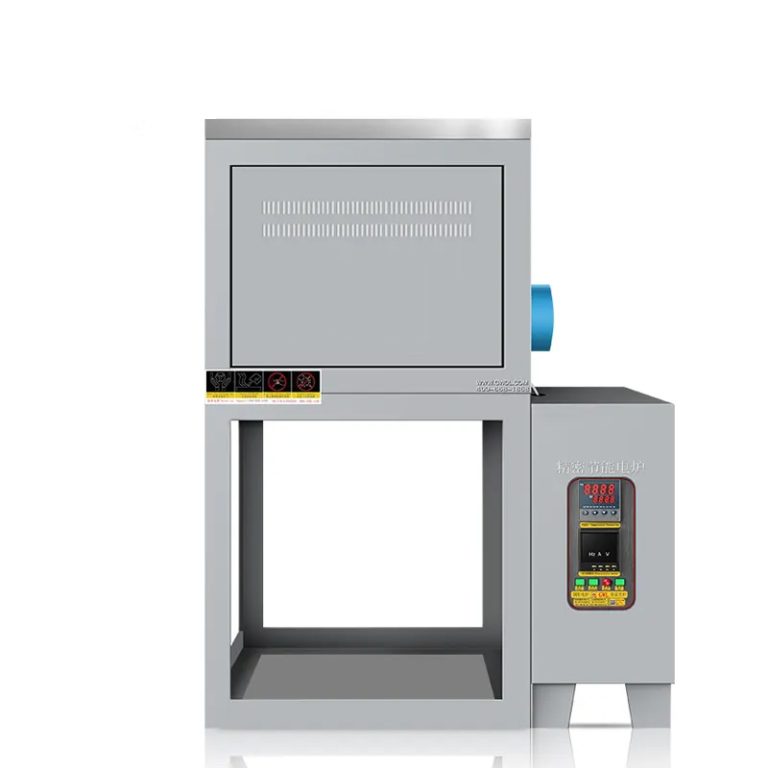
How Hot Does a Furnace Need to Be to Melt Glass?
A furnace typically needs to reach about 1,400–1,600°C to fully melt many common glass compositions, but the required temperature depends on the glass formulation and process. Soda-lime and borosilicate glass have different…
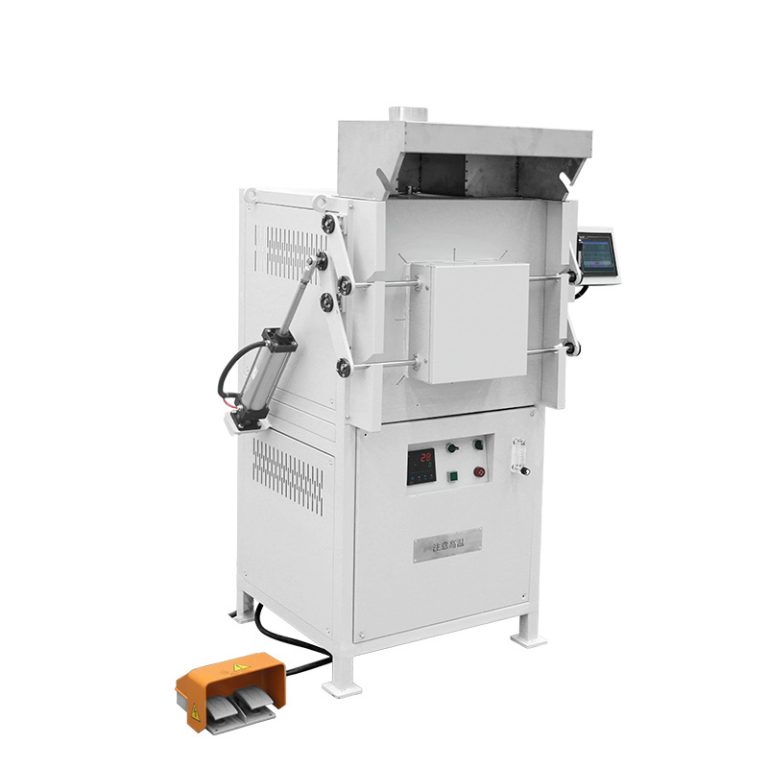
What Is a Cupellation Furnace Used for in Fire Assaying?
A cupellation furnace is used during the cupellation stage of fire assaying to oxidize and remove lead and other base metals from a lead button, leaving a precious-metal bead containing gold and…
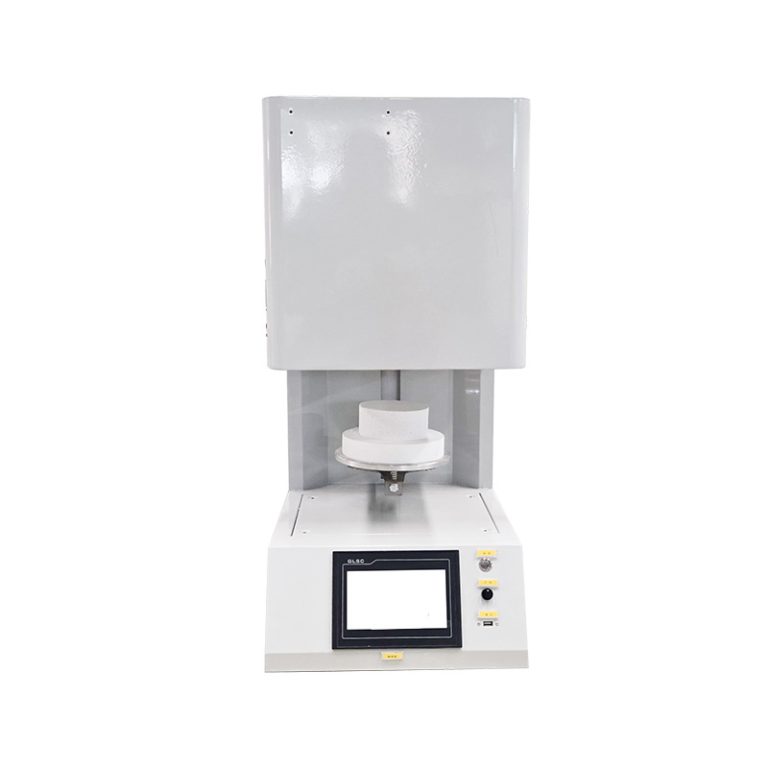
What Are the Steps Involved in the Sintering Procedure for Dental Ceramics?
The dental ceramic sintering procedure typically includes preparation, cleaning, drying, furnace loading, controlled heating, sintering at the material-specific temperature, controlled cooling, and final inspection, with zirconia requiring a precisely controlled temperature cycle.…
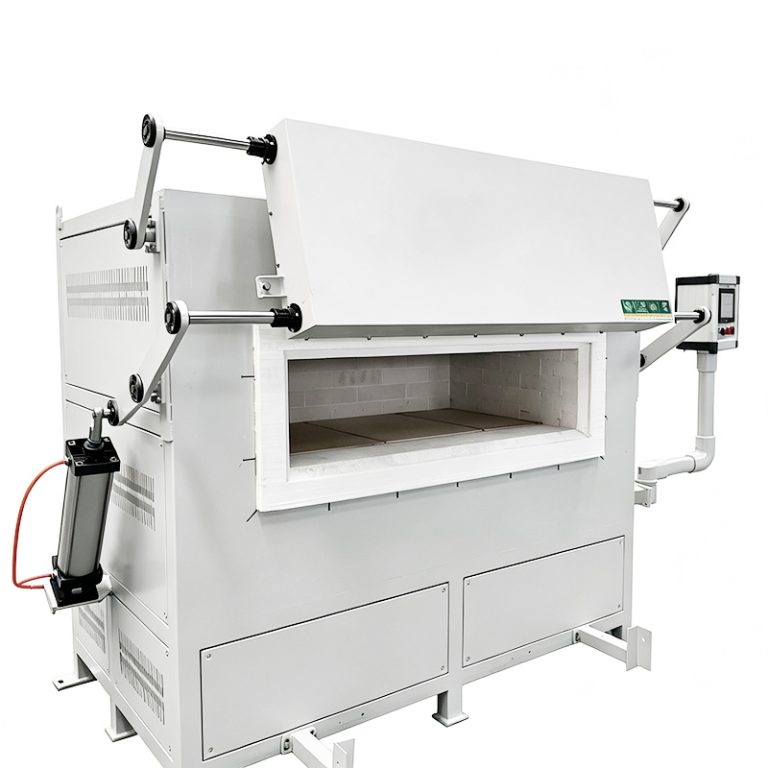
Electric Furnace vs Gas Furnace: Which Is Better for Industrial Heating?
An electric furnace uses electrical resistance or other electric heating methods to generate heat, while a gas furnace burns fuel to produce thermal energy. For industrial applications requiring precise temperature control, clean…
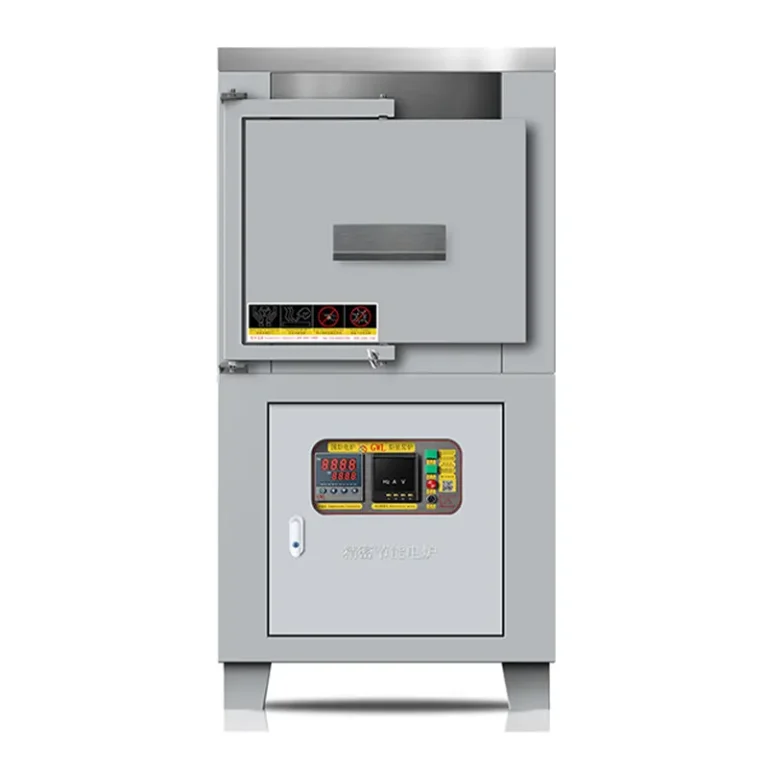
What Are the Key Differences Between a Muffle Furnace and a Box Furnace?
A muffle furnace isolates the sample from heating elements for clean, uniform heating, while a box furnace describes a rectangular chamber design and may serve broader heating applications. I.Introduction Choosing between a…
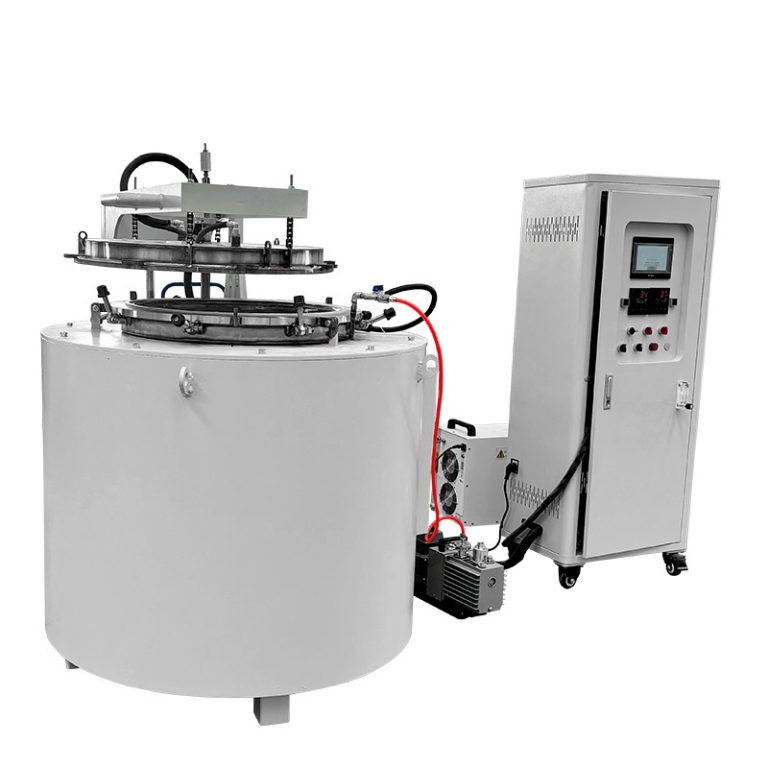
What Is Heat Treatment and Its Process? A Complete Guide
Heat treatment is a controlled process of heating, holding, and cooling metal or other materials to change their microstructure and improve properties such as hardness, strength, toughness, ductility, wear resistance, and dimensional…
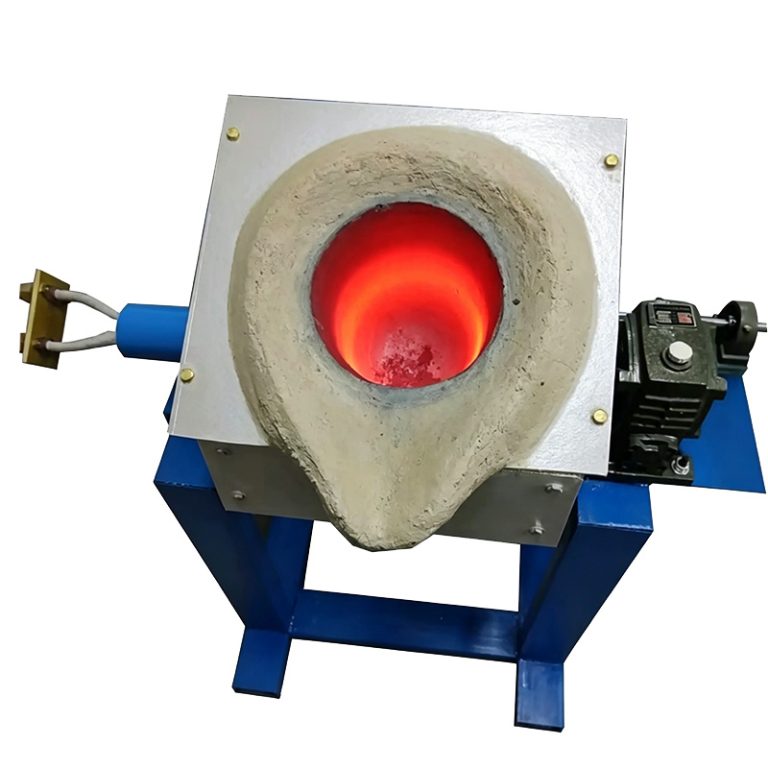
Which Furnace Is Best for Smelting? A Complete Guide to Choosing the Right Smelting Furnace
The type of furnace used for smelting depends on the type of metal, production volume, and quality requirements. Pada masa ini, most foundries prefer induction melting furnaces because they are highly efficient, offer precise…
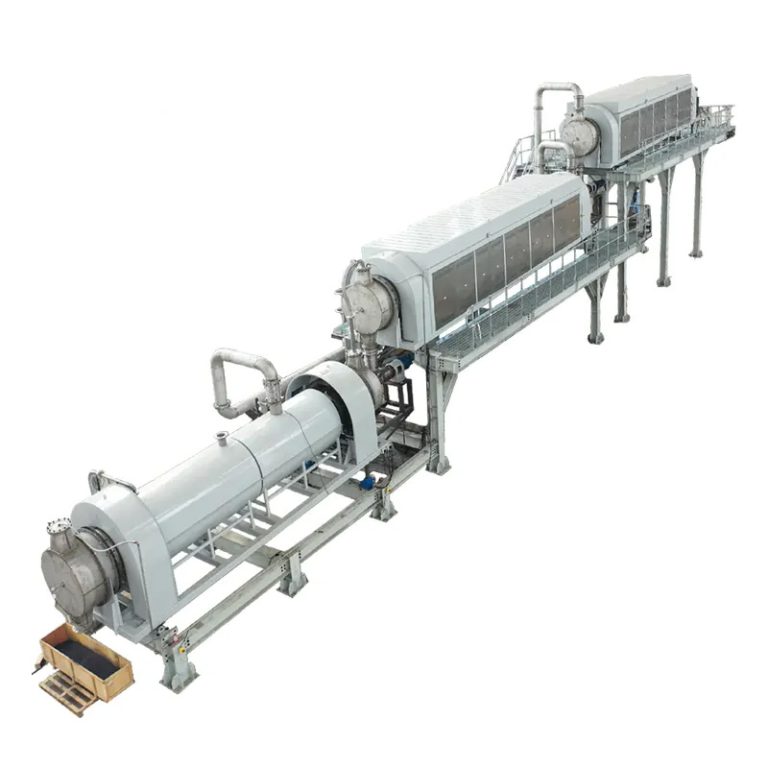
What Is a Rotary Calcination Furnace? A Complete Guide for Industrial Applications
A rotary calcination furnace is a continuous high-temperature heating system that uses a rotating tube to uniformly calcine powder or granular materials. It improves heat transfer, controls residence time, and is widely…
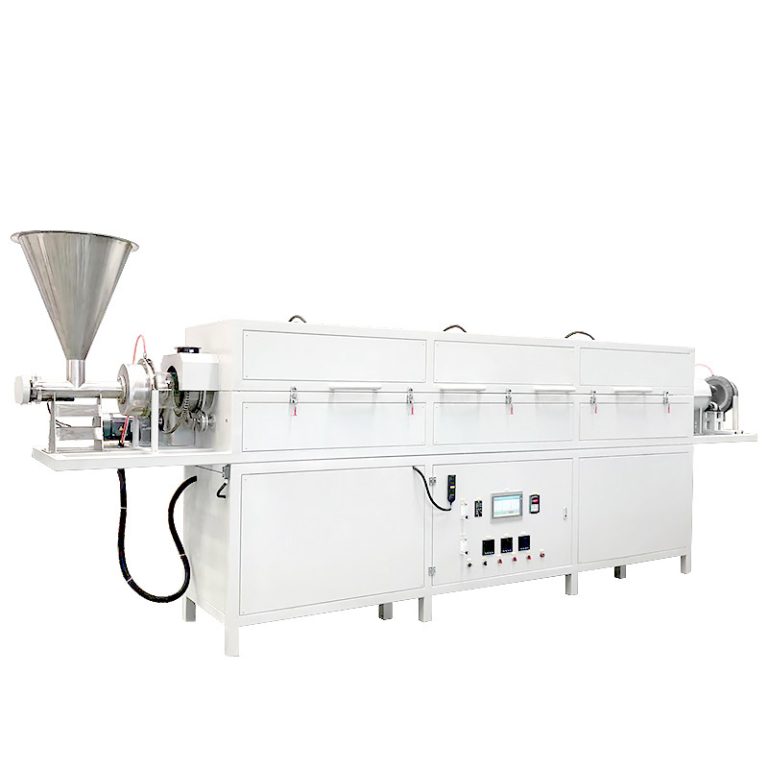
What Is the Purpose of Calcination? A Complete Guide
The purpose of calcination is to heat a material to a controlled high temperature to cause thermal decomposition, remove moisture or volatile components, eliminate organic matter, or change its crystal structure and…
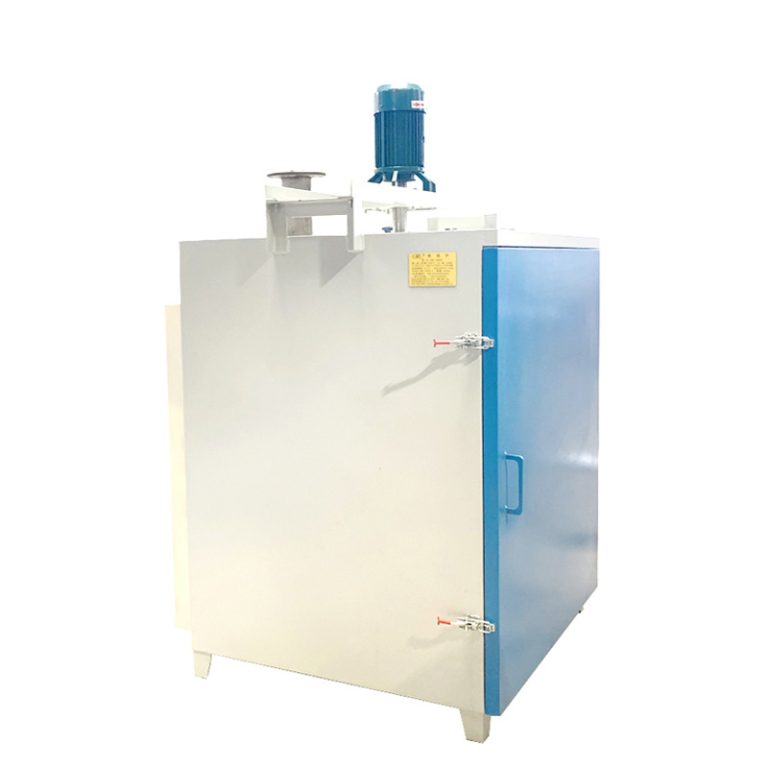
What Is a Dewaxing Furnace? A Complete Guide to Dewaxing and Debinding Furnaces
A dewaxing furnace is a specialized thermal-processing furnace used to remove wax, binders, lubricants, and other organic materials from molded or pressed components before sintering or high-temperature processing. I.What Is a Dewaxing…

Which Thermocouple Is Best for High Temperatures?
For high temperature applications, Type S, Type R, and Type B thermocouples are among the best choices, while Type B is preferred for the highest continuous temperatures and Type S or R…
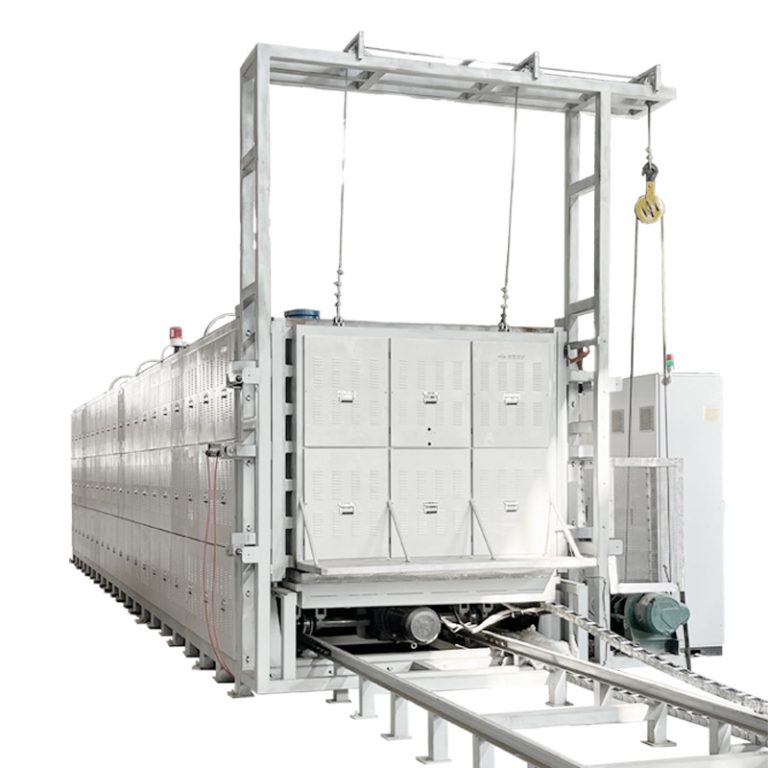
Industrial Furnace Selection Guide: How to Choose the Right Industrial Furnace
The right industrial furnace should be selected based on process temperature, material, production capacity, heating cycle, atmosphere, loading method, temperature uniformity, and automation requirements rather than maximum temperature alone. I.What Is an…