Luoyang Anjing Intelligence Equipment er en global leder inden for højtemperatur elektriske ovne



Silicon Carbide Graphite Crucible for Aluminum, Copper and Precious Metal Melting


PRODUKTPARAMETRE
Beskrivelse
silicon carbide graphite crucible
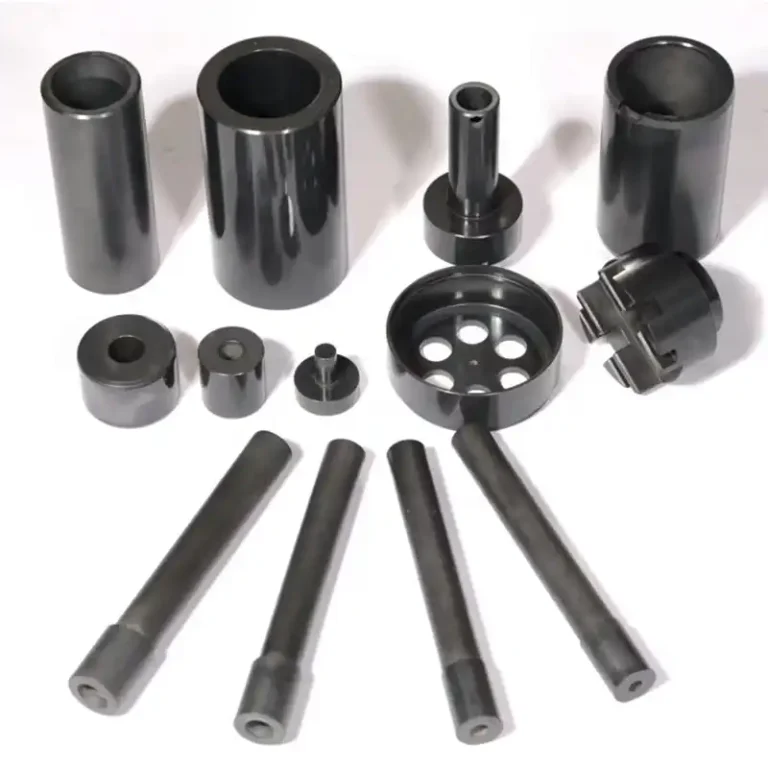
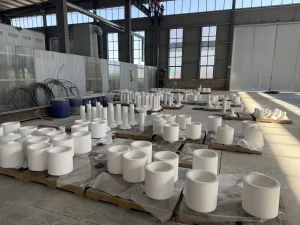
Silicon carbide graphite crucibles are high-performance refractory containers specifically designed for non-ferrous metal smelting, manufactured using high-quality natural flake graphite and silicon carbide (SiC) particles as main raw materials through advanced formula design and isostatic pressing.
The product combines the excellent thermal conductivity and good electrical conductivity of graphite with the superior wear resistance, corrosion resistance, and thermal shock resistance of silicon carbide, med hurtig opvarmning, high thermal efficiency, strong resistance to molten metal erosion, and long service life.
Silicon carbide graphite crucibles can be used stably in temperature environments ranging from 400℃ to 1700℃, and their service life is 2 to 5 times longer than that of ordinary clay-graphite crucibles.
Produktegenskaber
- Graphite + Silicon Carbide Multiphase Design: Combining Thermal Conductivity and Wear Resistance
The main materials are natural flake graphite and silicon carbide particles, which have both high thermal conductivity and wear resistance. The thermal conductivity at room temperature is 140–150 W/(m·K), and at 800℃ it is 40–50 W/(m·K), which is fast and efficient, and shortens the melting time.
- Isostatic Pressing: Dense and Uniform Structure
Manufactured using isostatic pressing, the bulk density is 2.21-2.25 g/cm³, and the apparent porosity is 9-12%. The structure is uniform and dense, with a flexural strength of 8-12 MPa, and a service life 2-5 times longer than ordinary clay-graphite crucibles.
- Excellent Thermal Shock Resistance and Resistance to Rapid Temperature Changes
The coefficient of thermal expansion is 3.0-4.5 × 10⁻⁶/K, providing excellent thermal shock resistance. 4. Excellent resistance to molten metal erosion. It exhibits excellent resistance to molten aluminum, kobber, zink, og andre ikke-jernholdige metaller. It does not contaminate the molten metal, ensuring casting quality. The operating temperature range is 400-1700℃, covering the temperature requirements of most non-ferrous metal smelting processes.
- Moderate resistivity and high induction heating efficiency.
The resistivity at room temperature is 3.5-4.5×10⁻³Ω·CM, and at 800℃ it is 3.0-4.0×10⁻³Ω·CM, which is well-matched with medium-frequency induction heating, resulting in high efficiency in converting electrical energy into heat energy.

| Bulk density | 2.21 ~ 2.25 g/cm³ |
| Apparent porosity | 9 ~ 12% |
| Flexural strength | 8 ~ 12 MPa |
| Electrical resistivity (24℃) | 3.5 ~ 4.5 × 10⁻³ Ω·cm |
| Electrical resistivity (800℃) | 3.0 ~ 4.0 × 10⁻³ Ω·cm |
Anvendelsesområder
- Aluminum Alloy Smelting: Suitable for rapid smelting, varmekonservering, and refining of aluminum and aluminum alloys. High thermal conductivity and heating efficiency significantly reduce smelting energy consumption.
- Zinc Alloy Smelting: Suitable for smelting and heat preservation in hot-dip galvanizing, die casting, and other processes involving zinc alloys.
- Copper Alloy Smelting: Suitable for smelting and heat preservation of copper and copper alloys. Temperature resistance up to 1700℃ meets the smelting temperature requirements for copper alloys.
- Non-ferrous Metal Die Casting: Suitable for smelting and heat preservation of non-ferrous metals in the die casting industry.
- Precious Metal Smelting: Suitable for smelting and recycling precious metals such as gold and silver.
- Metal Recycling: Suitable for recycling and smelting non-ferrous metal scraps such as aluminum, kobber, and zinc.
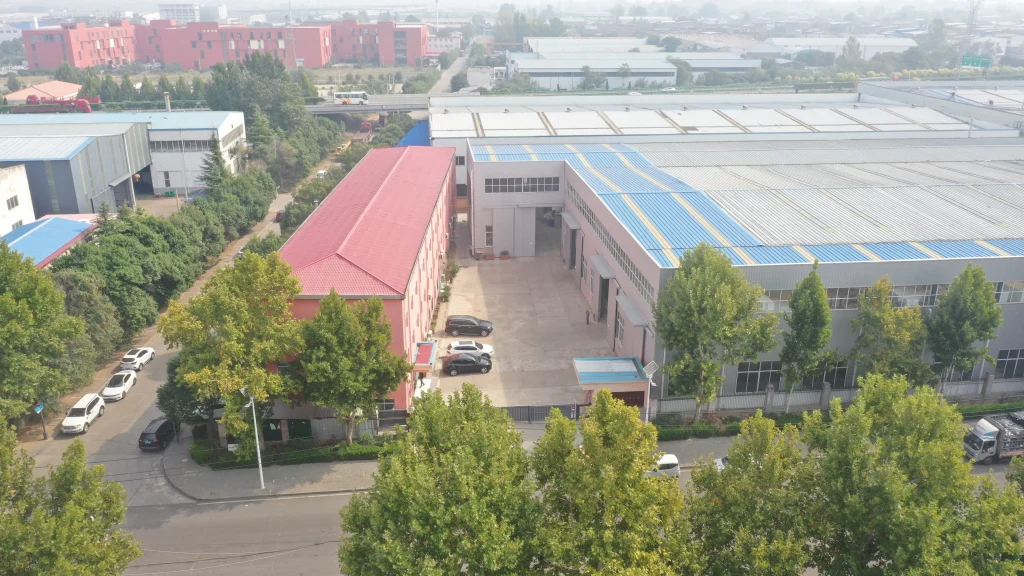
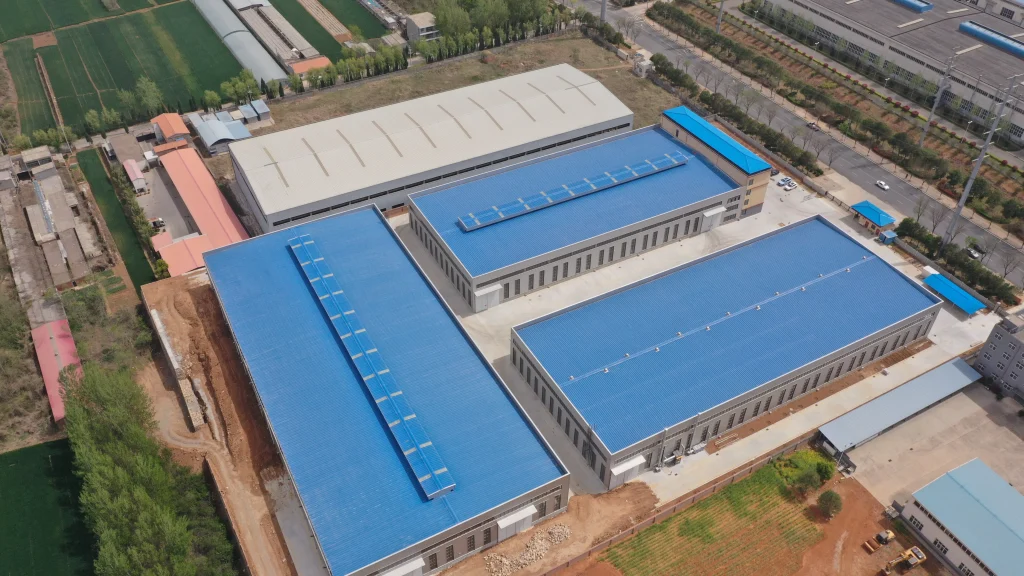
Virksomhedsprofil
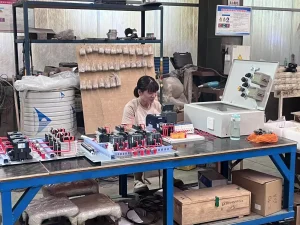
En professionel virksomhed med speciale i varmebehandlingsteknologitjenester og R&D, fremstilling, og salg af højtemperatur elektriske ovne.
Virksomheden fokuserer på at udvikle højtemperatur elektriske ovne, der dækker et fuldt temperaturområde på -100 ℃ til 2600 ℃. Dets produkter omfatter eksperimentelle elektriske ovne, vakuum atmosfære ovne, industrielle ovne, og mellemfrekvent induktionsvarmeudstyr. De vigtigste produkter omfatter kasseovne, rørovne, løfteovne, skubbeovne, bogie ovne, roterovne, tunnelovne, og forskellige specialiserede mellemfrekvente ovne.
Virksomheden holder sig til teknologisk innovation og har bestået ISO9001 og EU CE-certificeringer. Det ejer 21 registrerede varemærker, 29 patenter, og 27 software ophavsrettigheder.
Betalingsmetoder
TT
Forsendelsesmetoder
El-ovnen er pakket i tre lag: først pakket ind i skumpapir, derefter pakket ind i plastfilm, og til sidst pakket i en trækasse.
Ofte stillede spørgsmål (FAQ)
- What is the maximum operating temperature of a silicon carbide graphite crucible?
The operating temperature range of a silicon carbide graphite crucible is approximately 400℃ to 1700℃. The specific operating temperature depends on the smelting material, furnace type, and heating method.
- What metals are suitable for melting with silicon carbide graphite crucibles?
They are mainly suitable for melting non-ferrous metals such as aluminum, zinc alloys, and copper alloys. They can also be used for high-temperature melting of other low-melting-point alloys.
- What are the advantages of silicon carbide graphite crucibles compared to ordinary graphite crucibles?
Silicon carbide graphite crucibles, with the addition of a silicon carbide reinforcing phase, have higher wear resistance, corrosion resistance, and thermal shock resistance. Their service life is typically 2 to 5 times longer than that of ordinary clay graphite crucibles.
- What precautions should be taken when using a silicon carbide graphite crucible?
For first-time use, it is recommended to preheat slowly to avoid rapid thermal shock. During the melting process, avoid strong mechanical impacts and prevent prolonged dry-firing to extend the crucible’s service life.
- Does the company support customization of different specifications?
Ja. We can customize silicon carbide graphite crucibles of different capacities, sizes, wall thicknesses, and structural forms according to customer needs, meeting the requirements of laboratory work, small-scale smelting, and continuous industrial production.