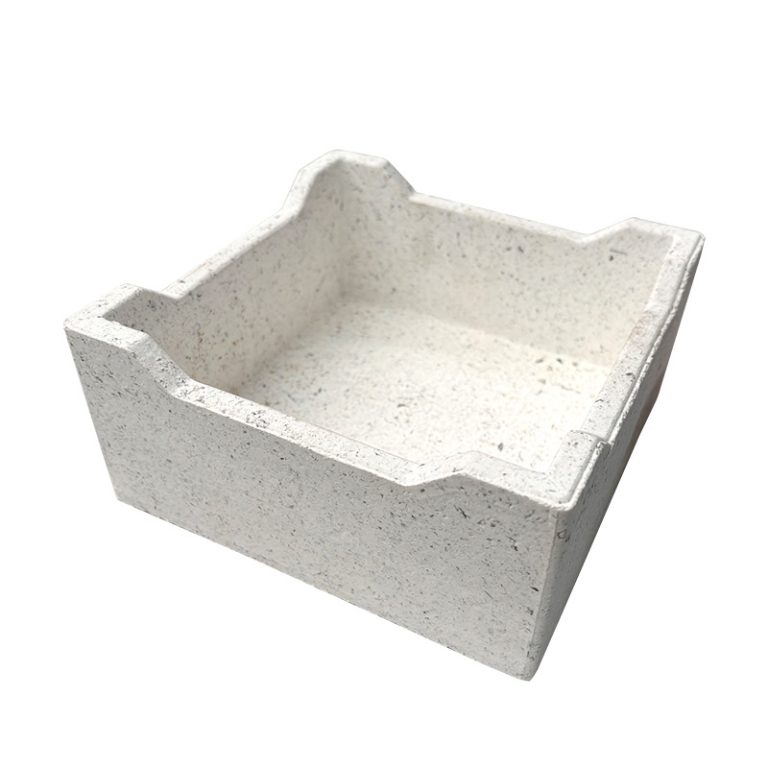
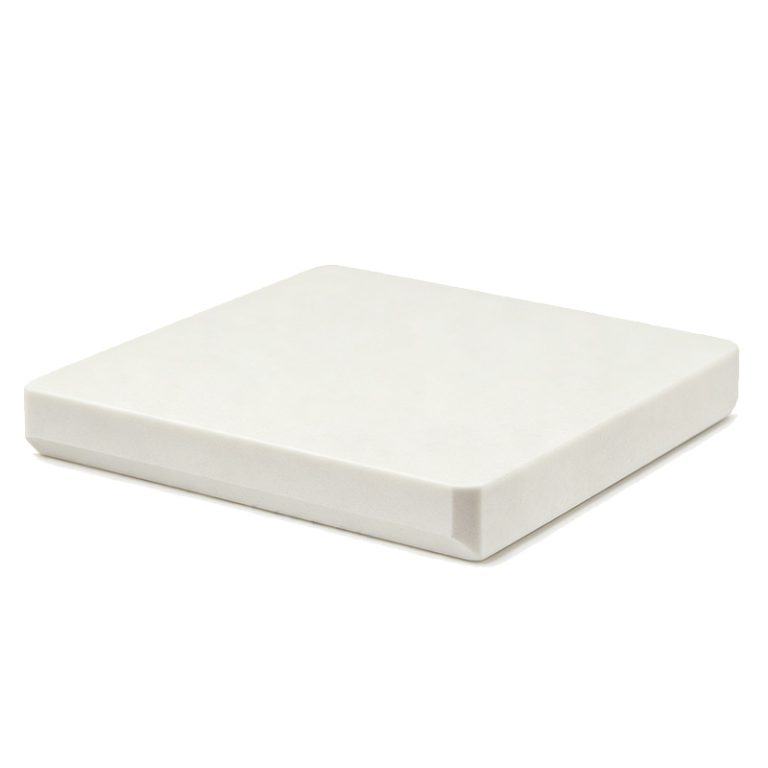
Luoyang Anjing Intelligence Equipment sinn e weltwäite Leader an Héichtemperatur elektresch Uewen



Silicon Carbide Graphite Crucible fir Al, Kupfer a Edelmetall Schmelzen


PRODUIT PARAMETER
Beschreiwung
silicon carbide graphite crucible
Silicon carbide graphite crucibles are high-performance refractory containers specifically designed for non-ferrous metal smelting, manufactured using high-quality natural flake graphite and silicon carbide (SiC) particles as main raw materials through advanced formula design and isostatic pressing.
The product combines the excellent thermal conductivity and good electrical conductivity of graphite with the superior wear resistance, corrosion resistance, and thermal shock resistance of silicon carbide, featuring rapid heating, high thermal efficiency, strong resistance to molten metal erosion, and long service life.
Silicon carbide graphite crucibles can be used stably in temperature environments ranging from 400℃ to 1700℃, and their service life is 2 to 5 times longer than that of ordinary clay-graphite crucibles.
Produit Fonctiounen
- Graphite + Silicon Carbide Multiphase Design: Combining Thermal Conductivity and Wear Resistance
The main materials are natural flake graphite and silicon carbide particles, which have both high thermal conductivity and wear resistance. The thermal conductivity at room temperature is 140–150 W/(m·K), and at 800℃ it is 40–50 W/(m·K), which is fast and efficient, and shortens the melting time.
- Isostatic Pressing: Dense and Uniform Structure
Manufactured using isostatic pressing, the bulk density is 2.21-2.25 g/cm³, and the apparent porosity is 9-12%. The structure is uniform and dense, with a flexural strength of 8-12 MPa, and a service life 2-5 times longer than ordinary clay-graphite crucibles.
- Excellent Thermal Shock Resistance and Resistance to Rapid Temperature Changes
The coefficient of thermal expansion is 3.0-4.5 × 10⁻⁶/K, providing excellent thermal shock resistance. 4. Excellent resistance to molten metal erosion. It exhibits excellent resistance to molten aluminum, Koffer, zinc, and other non-ferrous metals. It does not contaminate the molten metal, ensuring casting quality. The operating temperature range is 400-1700℃, covering the temperature requirements of most non-ferrous metal smelting processes.
- Moderate resistivity and high induction heating efficiency.
The resistivity at room temperature is 3.5-4.5×10⁻³Ω·CM, and at 800℃ it is 3.0-4.0×10⁻³Ω·CM, which is well-matched with medium-frequency induction heating, resulting in high efficiency in converting electrical energy into heat energy.

| Bulk density | 2.21 ~ 2.25 g/cm³ |
| Apparent porosity | 9 ~ 12% |
| Flexural strength | 8 ~ 12 MPa |
| Electrical resistivity (24℃) | 3.5 ~ 4.5 × 10⁻³ Ω·cm |
| Electrical resistivity (800℃) | 3.0 ~ 4.0 × 10⁻³ Ω·cm |
Applikatioun Beräicher
- Aluminum Alloy Smelting: Suitable for rapid smelting, heat preservation, and refining of aluminum and aluminum alloys. High thermal conductivity and heating efficiency significantly reduce smelting energy consumption.
- Zinc Alloy Smelting: Suitable for smelting and heat preservation in hot-dip galvanizing, die casting, and other processes involving zinc alloys.
- Copper Alloy Smelting: Suitable for smelting and heat preservation of copper and copper alloys. Temperature resistance up to 1700℃ meets the smelting temperature requirements for copper alloys.
- Non-ferrous Metal Die Casting: Suitable for smelting and heat preservation of non-ferrous metals in the die casting industry.
- Precious Metal Smelting: Suitable for smelting and recycling precious metals such as gold and silver.
- Metal Recycling: Suitable for recycling and smelting non-ferrous metal scraps such as aluminum, Koffer, an Zénk.
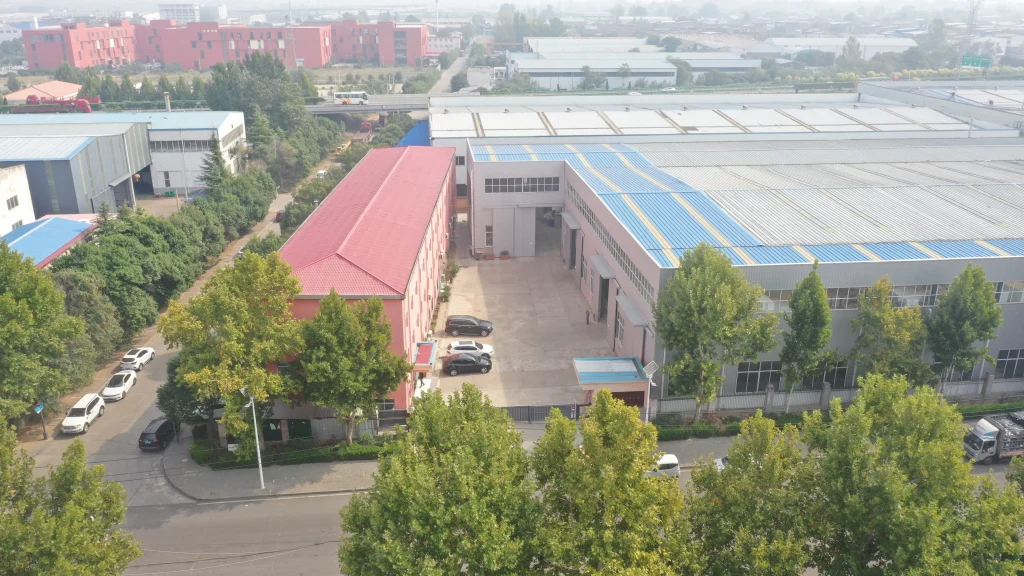
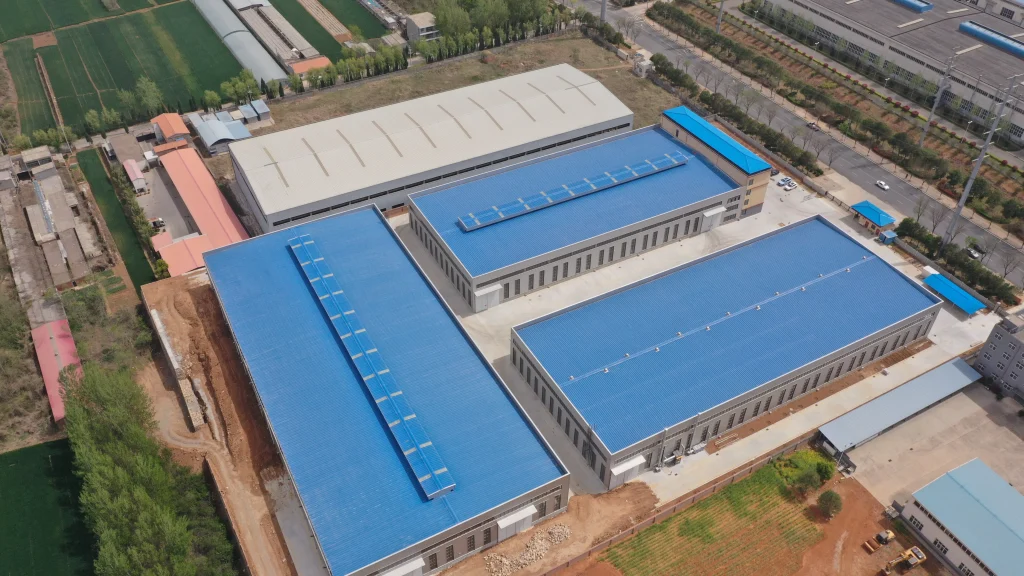
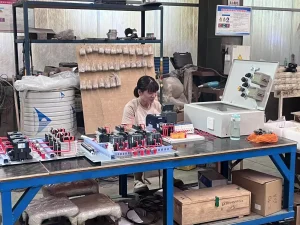
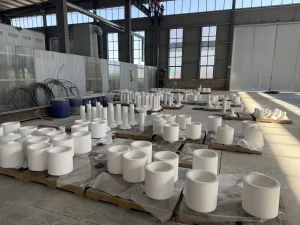
Firma Profil
Eng professionell Entreprise spezialiséiert op Wärmebehandlungstechnologie Servicer an de R&D, Fabrikatioun, a Verkaf vun héich-Temperatur elektresch Schmelzhäre.
D'Firma konzentréiert sech op d'Entwécklung vun héijen Temperaturen elektreschen Uewen, déi e ganzt Temperaturberäich vun -100 ℃ bis 2600 ℃ decken. Seng Produkter enthalen experimentell elektresch Schmelzen, Vakuum Atmosphär Schmelzen, industriell Uewen, a Mëttelfrequenz Induktiounsheizungsausrüstung. Haaptprodukter enthalen Këschtofen, Rouer Uewen, Levée Schmelzen, pusher Uewen, bogie Uewen, Rotary Uewen, Tunnelofen, a verschidde spezialiséiert Mëttelfrequenz Uewen.
D'Firma hält technologesch Innovatioun an huet ISO9001 an EU CE Zertifizéierungen passéiert. Et gehéiert 21 registréiert Marken, 29 Patenter, an 27 Software Copyright.
Bezuelmethoden
TT
Versandmethoden
Den elektreschen Uewen ass an dräi Schichten verpackt: éischt a Schaumpapier gewéckelt, dann a Plastikfilm gewéckelt, a schlussendlech an eng hëlze Këscht gepackt.
Oft gestallte Froen (FAQ)
- What is the maximum operating temperature of a silicon carbide graphite crucible?
The operating temperature range of a silicon carbide graphite crucible is approximately 400℃ to 1700℃. The specific operating temperature depends on the smelting material, Uewen Typ, and heating method.
- What metals are suitable for melting with silicon carbide graphite crucibles?
They are mainly suitable for melting non-ferrous metals such as aluminum, zinc alloys, and copper alloys. They can also be used for high-temperature melting of other low-melting-point alloys.
- What are the advantages of silicon carbide graphite crucibles compared to ordinary graphite crucibles?
Silicon carbide graphite crucibles, with the addition of a silicon carbide reinforcing phase, have higher wear resistance, corrosion resistance, and thermal shock resistance. Their service life is typically 2 to 5 times longer than that of ordinary clay graphite crucibles.
- What precautions should be taken when using a silicon carbide graphite crucible?
For first-time use, it is recommended to preheat slowly to avoid rapid thermal shock. During the melting process, avoid strong mechanical impacts and prevent prolonged dry-firing to extend the crucible’s service life.
- Does the company support customization of different specifications?
Jo. We can customize silicon carbide graphite crucibles of different capacities, sizes, wall thicknesses, and structural forms according to customer needs, meeting the requirements of laboratory work, small-scale smelting, and continuous industrial production.