Luoyang Anjing Intelligence Equipment sinn e weltwäite Leader an Héichtemperatur elektresch Uewen



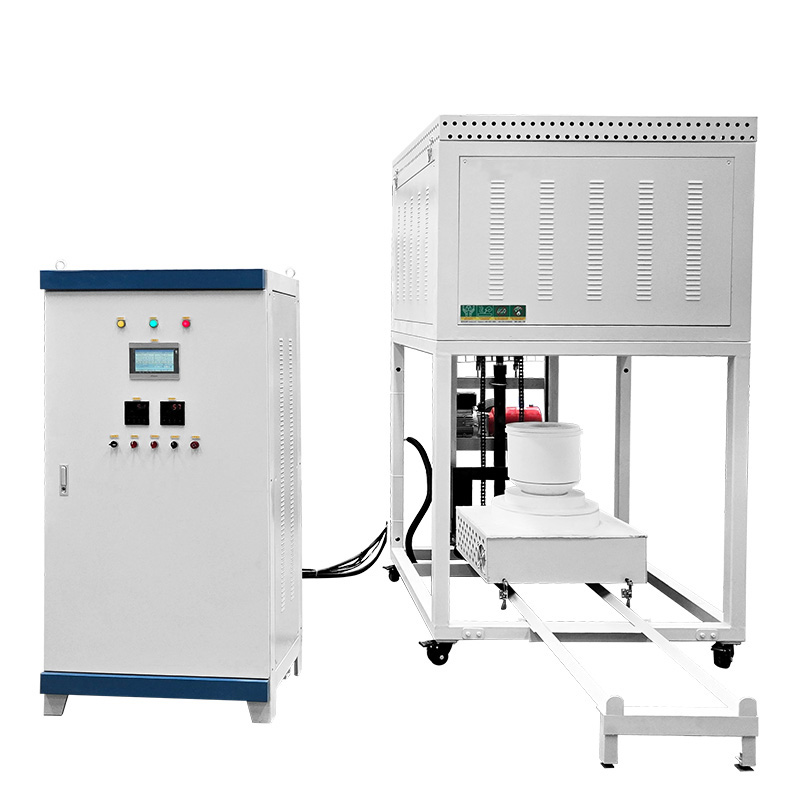
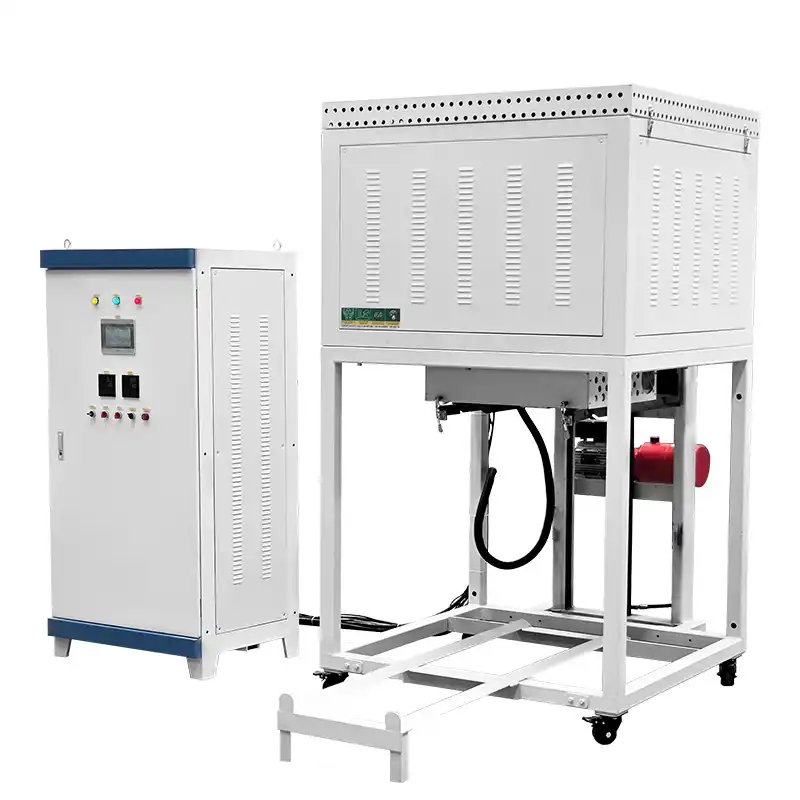
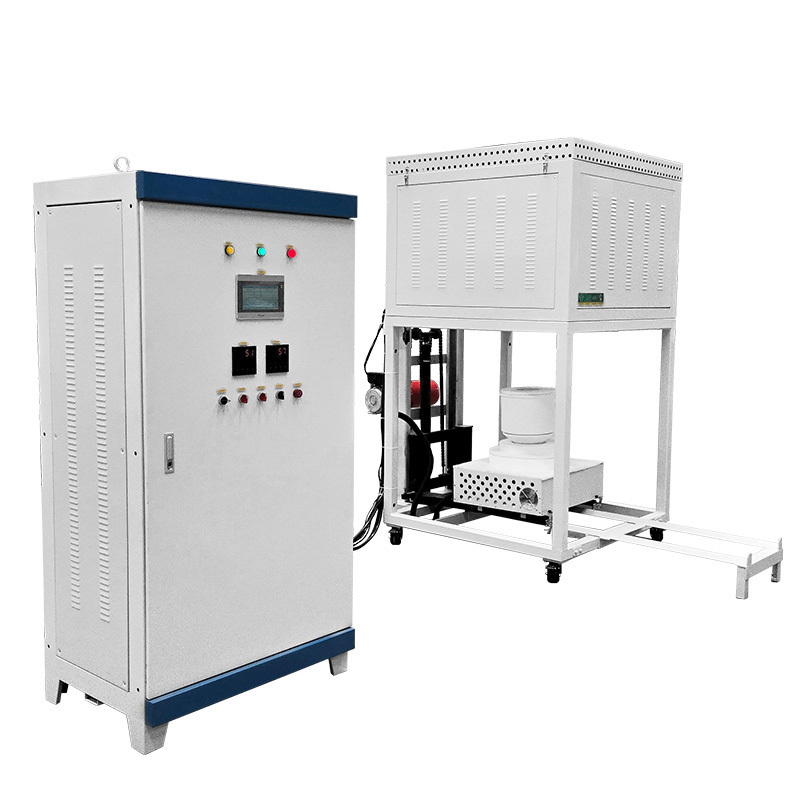
1700°C High-Temperature Frit Furnace (10L) with Mechanical Lift and Independent Temperature Control Cabinet
PRODUIT PARAMETER
Beschreiwung
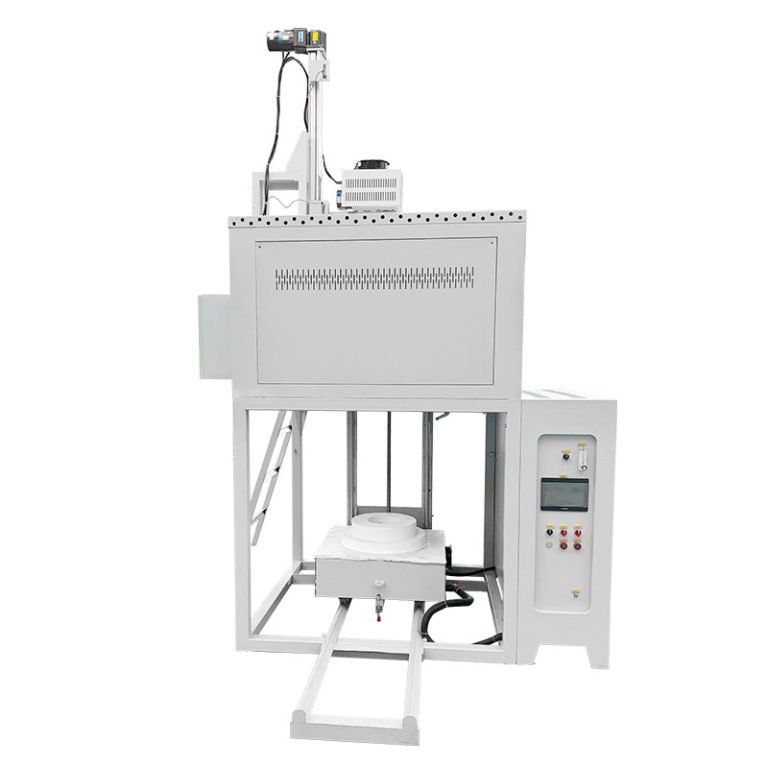
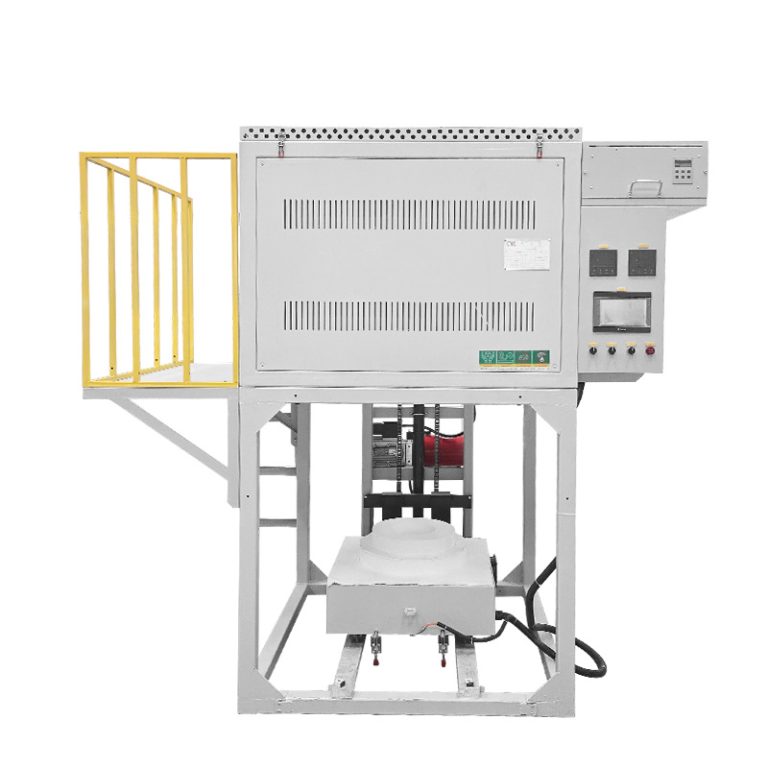
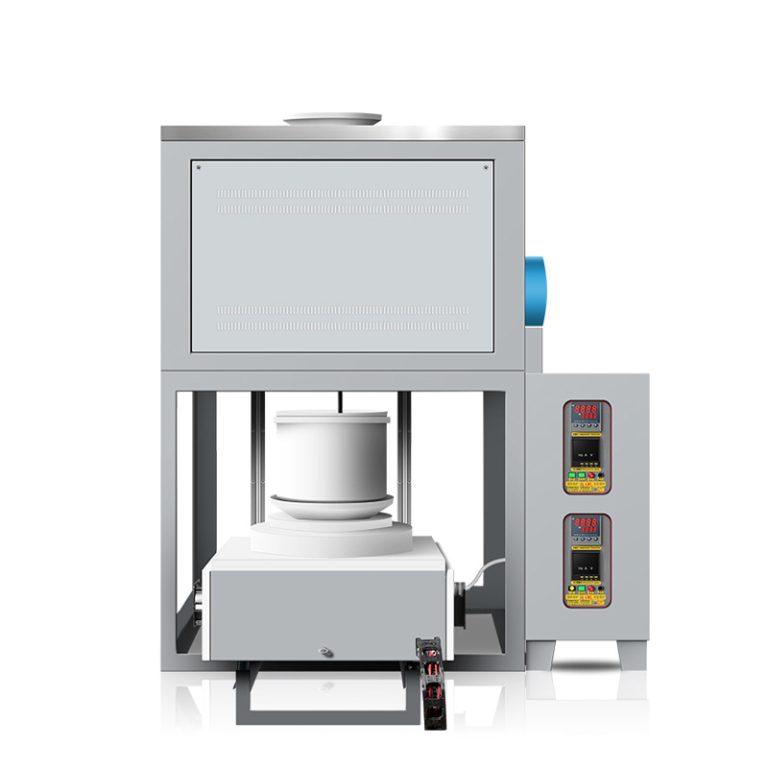
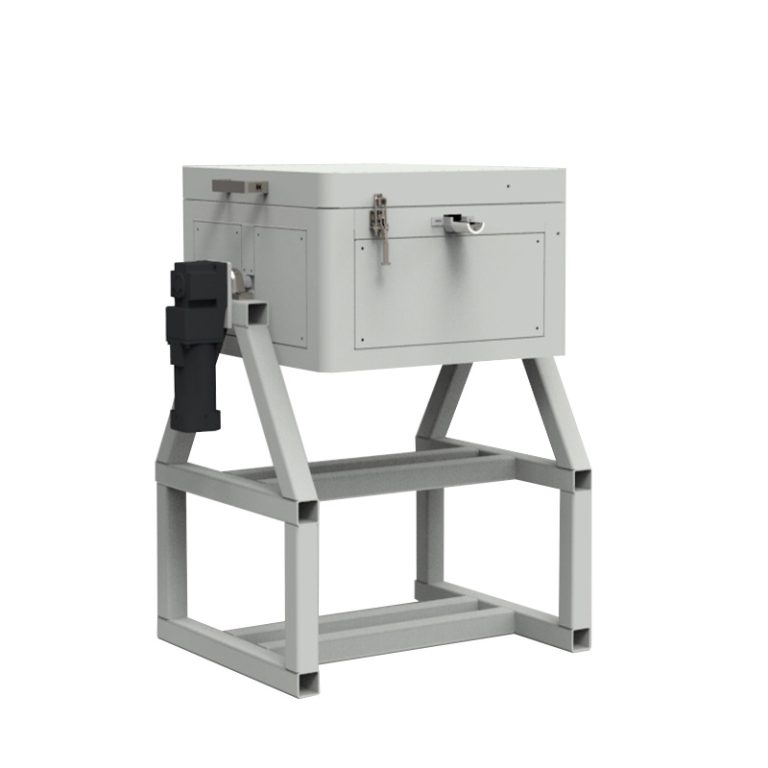
1700°C High-Temperature Frit Furnace (10L) with Mechanical Lifting Mechanism and Independent Control Cabinet
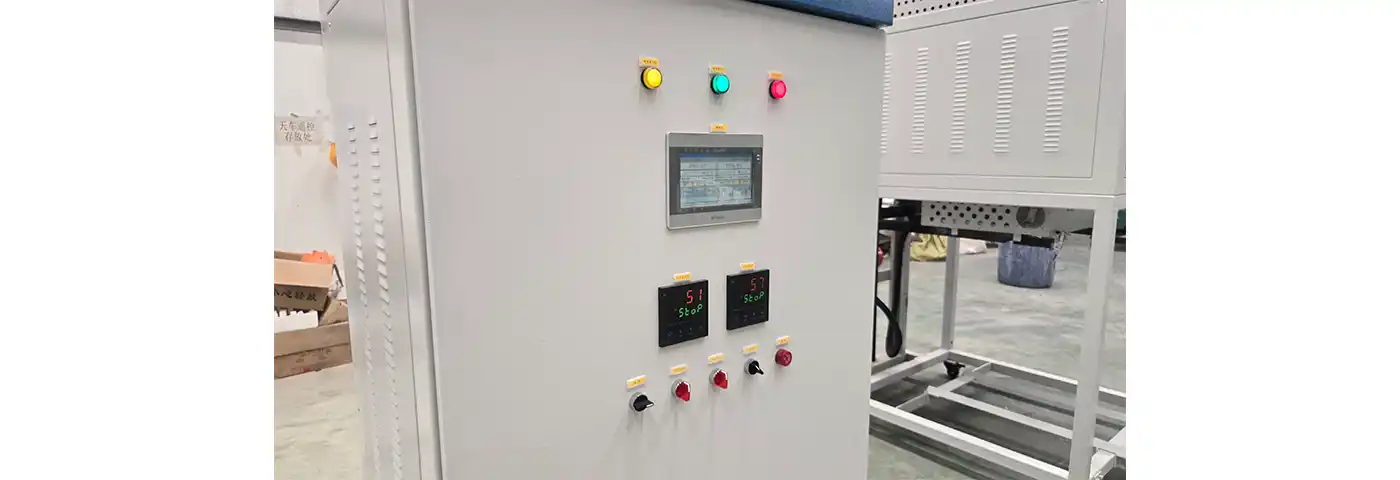
The 1700°C high-temperature frit furnace (10L) utilizes resistance heating and is designed specifically for high-temperature melting experiments involving materials such as glass and ceramics. It features a maximum operating temperature of 1700°C and a continuous operating temperature of 1680°C. The unit is equipped with an independent temperature control cabinet and a mechanical crucible lifting system; it employs a dual-heating configuration—heating both the sidewalls and the bottom—making it suitable for large-capacity high-temperature melting and pilot-scale production.
Produit Fonctiounen
- 1700°C High-Temperature Melting
The maximum operating temperature reaches 1700°C, with a continuous operating temperature of 1680°C. It utilizes 1800-grade molybdenum disilicide (MoSi2) heating elements and is suitable for melting experiments involving molten glass, ceramic materials, and other high-temperature substances.
- 10-Liter Mechanical Lifting Mechanism
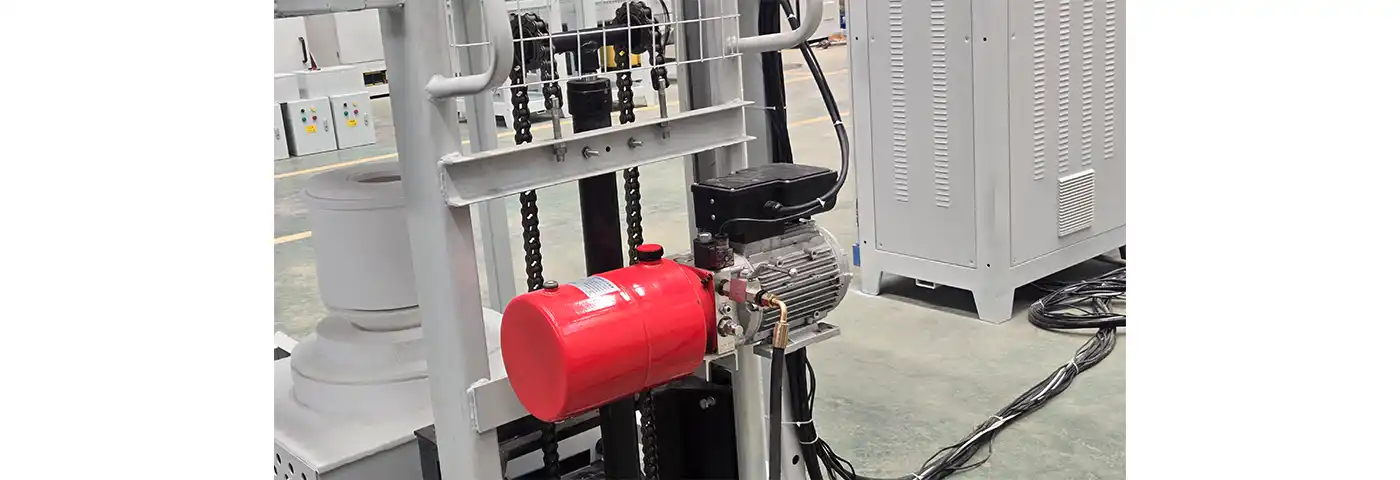
Models in the 10–17L range feature a mechanical lifting mechanism that raises the crucible from the bottom of the furnace into the high-temperature chamber, facilitating easy loading/unloading and melting operations. The unit can be configured with crucibles of various capacities to suit experimental requirements.
- Multiple Crucible Material Options
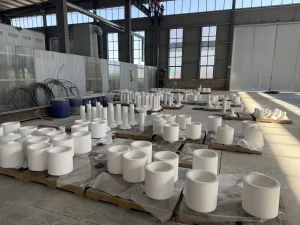
Crucibles are available in various materials—including 99% fused silica, mullite, an 99% alumina—allowing for selection based on the material being melted and the experimental temperature to meet diverse high-temperature melting needs
.

- Dual Heating System (Sides and Bottom)
The 10–17L models employ a dual heating system that heats both the sides and the bottom of the crucible, enhancing heating efficiency and temperature uniformity for large-capacity crucibles.
- Intelligent Programmed Temperature Control
Equipped with an intelligent temperature control system, the unit supports multiple control modes such as PID, APID, and MPT, and features auto-tuning, self-learning, and curve-fitting capabilities. It supports multi-stage programmed heating, Holding, an Ofkillung, with functions for cycling, pausing, and stopping operations.
| Maximum Operating Temperature | 1700°C |
| Long-Term Operating Temperature | 1680°C |
| Temperature Control Range | 100–1700°C |
| Temperature Control Accuracy | ±1°C |
| Temperature Measuring Element | B |
| Heating Element Material | 1800-type silicon-molybdenum rods |
| Crucible Material | 99% quartz ceramic material, mullite material, or 99% alumina material |
| Heating Element Installation Position | Around the crucible |
Applikatioun Beräicher
- Glass Batch Melting: Suitable for melting various types of glass batches, including architectural glass, glassware, and specialty glass.
- Low-Temperature Glass Flux Preparation: Suitable for melting low-temperature glass fluxes, which lower the glass melting temperature and save energy.
- Enamel Glaze Melting: Suitable for melting enamel ground coats, cover coats, and colored glazes.
- Ceramic Bond Preparation: Suitable for the preparation of ceramic bonds (such as those used for ceramic grinding wheels).
Firma Profil
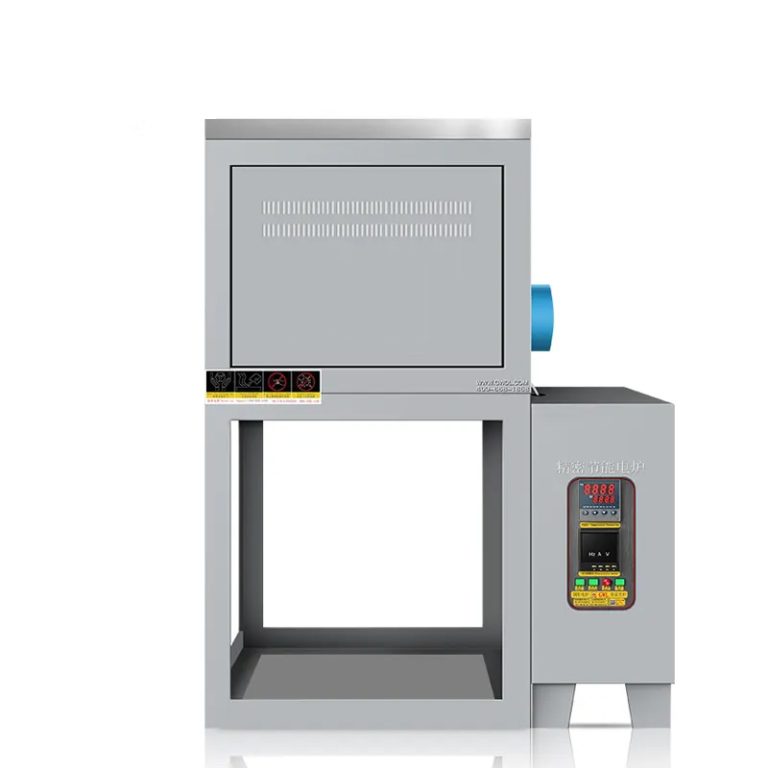
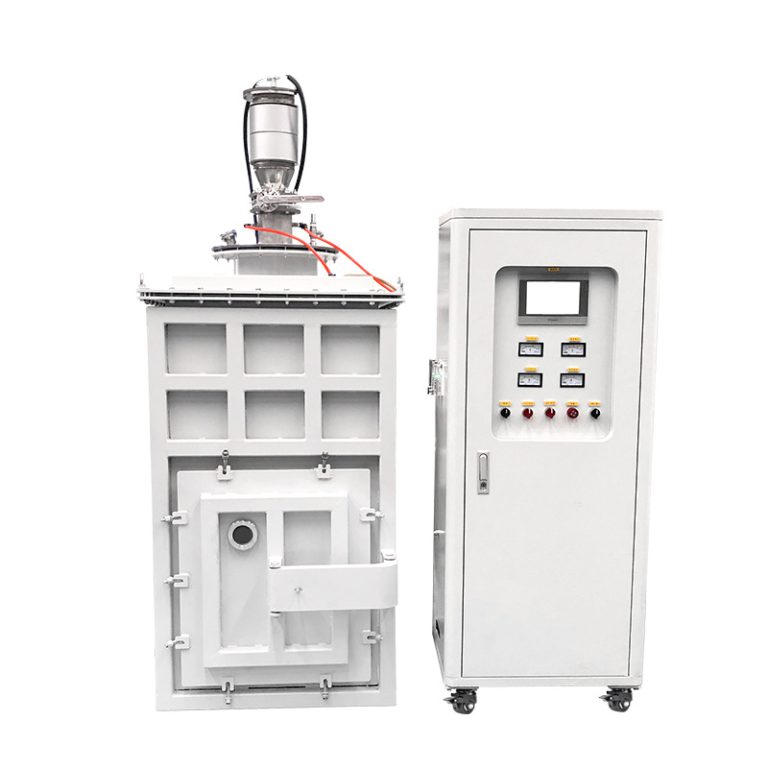
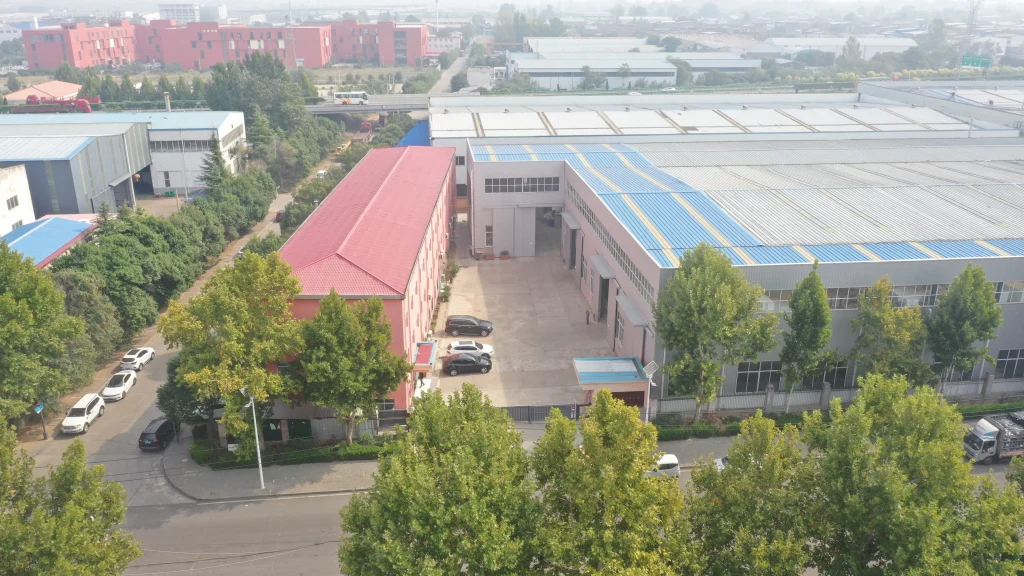
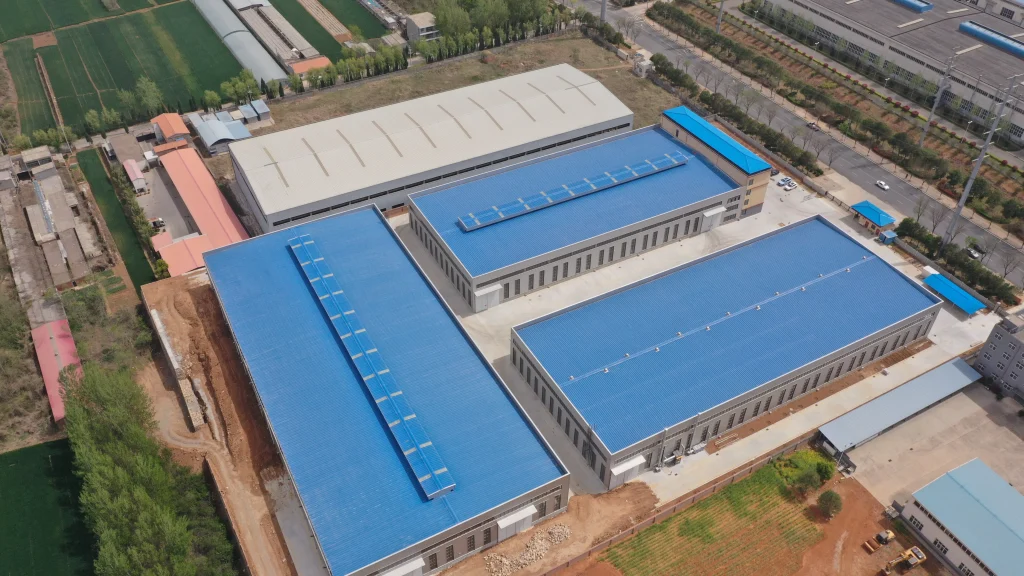
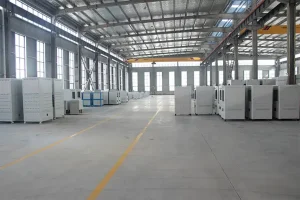
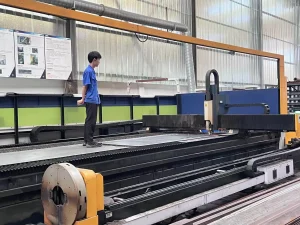
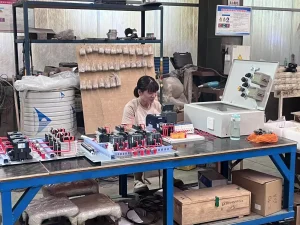
Eng professionell Entreprise spezialiséiert op Wärmebehandlungstechnologie Servicer an de R&D, Fabrikatioun, a Verkaf vun héich-Temperatur elektresch Schmelzhäre.
D'Firma konzentréiert sech op d'Entwécklung vun héijen Temperaturen elektreschen Uewen, déi e ganzt Temperaturberäich vun -100 ℃ bis 2600 ℃ decken. Seng Produkter enthalen experimentell elektresch Schmelzen, Vakuum Atmosphär Schmelzen, industriell Uewen, a Mëttelfrequenz Induktiounsheizungsausrüstung. Haaptprodukter enthalen Këschtofen, Rouer Uewen, Levée Schmelzen, pusher Uewen, bogie Uewen, Rotary Uewen, Tunnelofen, a verschidde spezialiséiert Mëttelfrequenz Uewen.
D'Firma hält technologesch Innovatioun an huet ISO9001 an EU CE Zertifizéierungen passéiert. Et gehéiert 21 registréiert Marken, 29 Patenter, an 27 Software Copyright.
Bezuelmethoden
TT
Versandmethoden
Den elektreschen Uewen ass an dräi Schichten verpackt: éischt a Schaumpapier gewéckelt, dann a Plastikfilm gewéckelt, a schlussendlech an eng hëlze Këscht gepackt.
Oft gestallte Froen (FAQ)
- Can the 1700°C high-temperature frit furnace be operated at 1700°C for extended periods?
The maximum operating temperature for this model is 1700°C, with a recommended long-term operating temperature of 1680°C.
- How is the crucible raised and lowered in the 10-liter furnace?
The 10–17L models utilize a mechanical lifting mechanism; the crucible is raised from the bottom of the furnace body into the high-temperature chamber, facilitating the loading, unloading, and melting operations associated with large-capacity crucibles.
- Can different crucible materials be selected for the furnace?
Jo. Crucible options include 99% fused silica, mullite, or 99% alumina; the choice should be based on the chemical properties of the material being melted and the operating temperature.
- What heating elements are used in the 1700°C frit furnace?
The 1700°C model employs “1800-grade” molybdenum disilicide (MoSi2) heating elements. The 10–17L models feature a dual heating system, with elements positioned around the sides and at the bottom of the crucible.
- Does the furnace support programmable temperature control?
That’s right. The equipment is equipped with an independent temperature control cabinet and an intelligent control system. It supports control methods such as PID, APID, and MPT, and allows for the configuration of multi-stage heating, Holding, and cooling programs; it also includes functions for cycling, pausing, and stopping.