


Luoyang Anjing Intelligence Equipment sinn e weltwäite Leader an Héichtemperatur elektresch Uewen



Vakuum elektresch Uewen
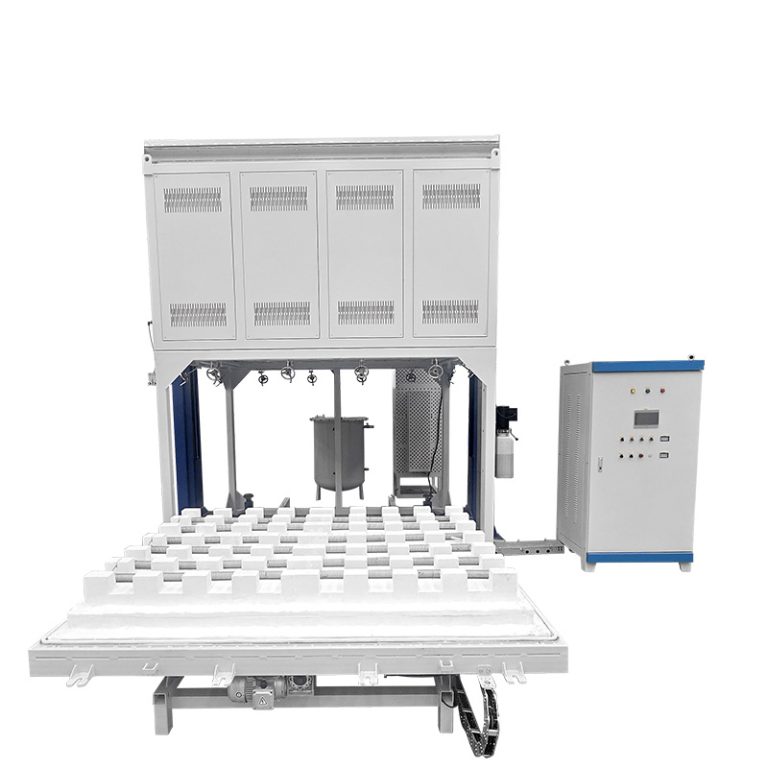
Reliable 1100°C Vacuum Atmosphere Lifting Furnace with Dust Filtration and VOC Exhaust Gas Purification
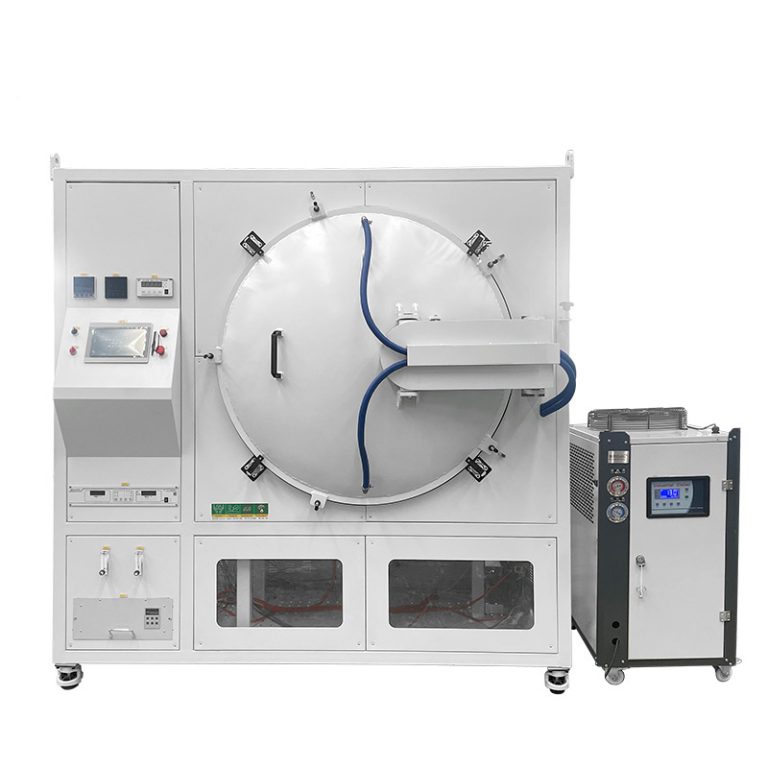
1200°C High Temperature Vertical Vacuum Atmosphere Sintering Furnace
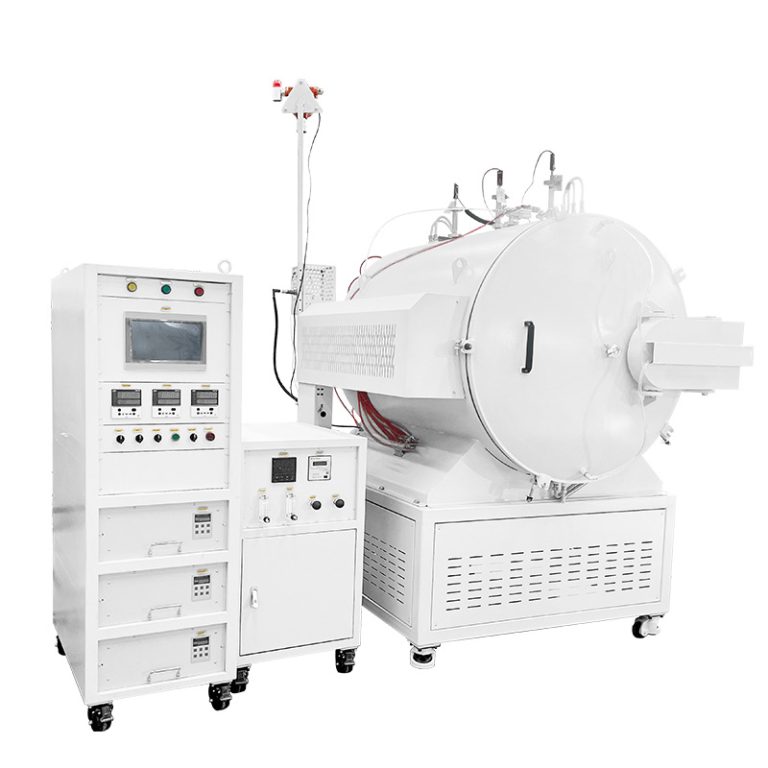
Advanced 1600°C Horizontal Hydrogen Furnace for Materials Research
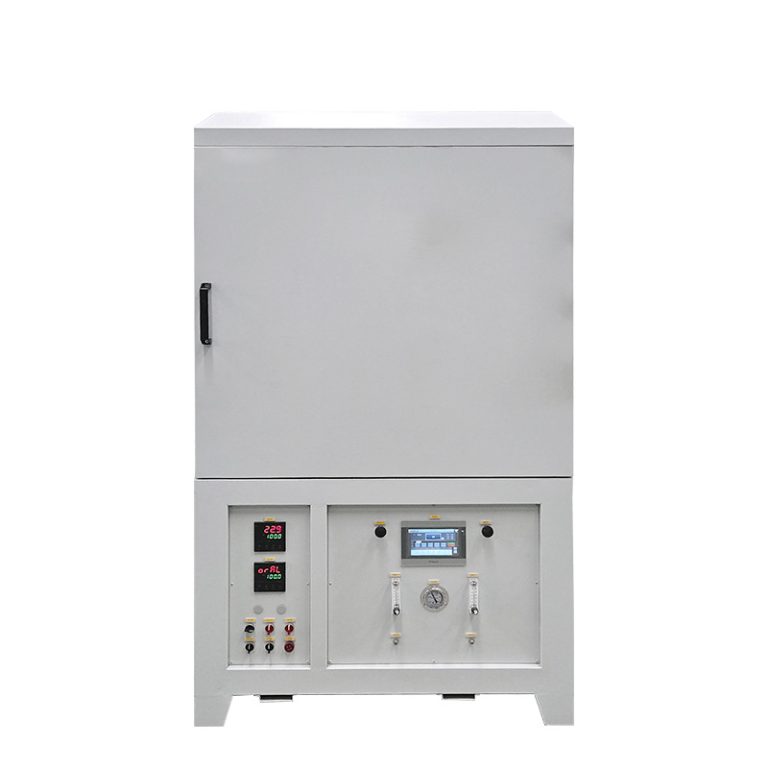
Reliable 1700°C Vacuum Atmosphere Box Furnace for Laboratory Research
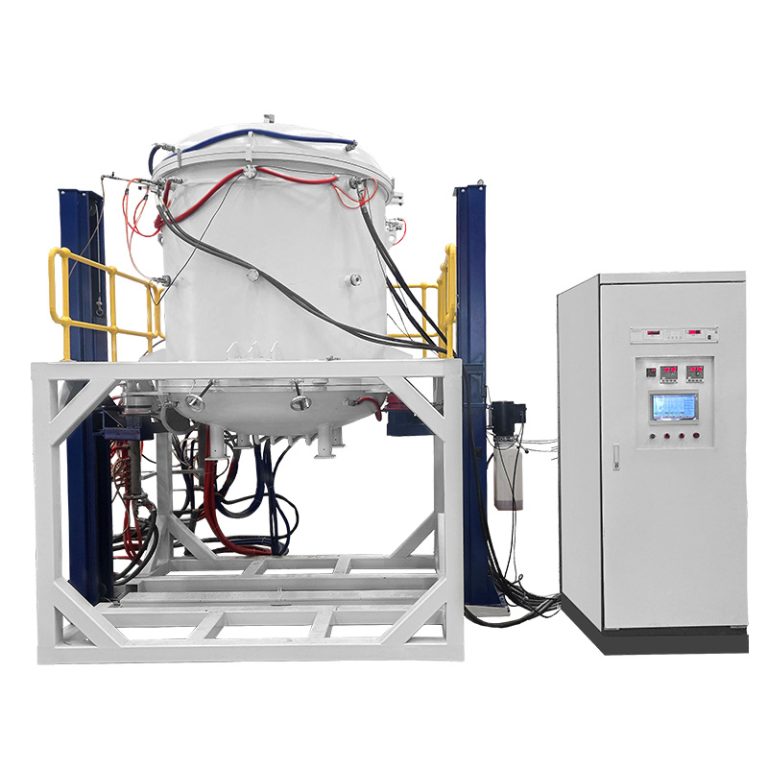
Reliable 1800°C Vacuum Annealing Furnace for Advanced Materials Research
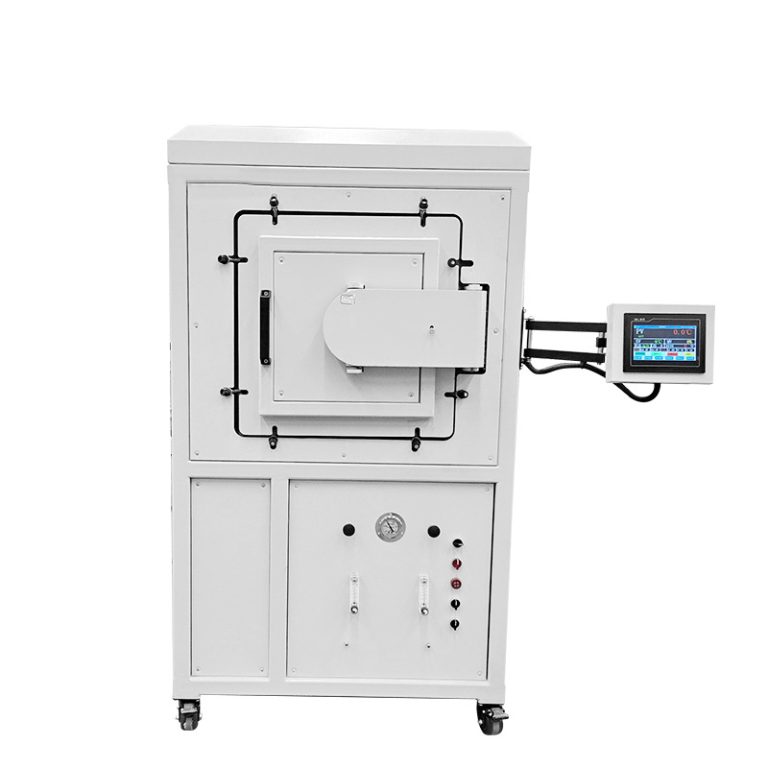
1700°C Vacuum & Atmosphere Box Furnace
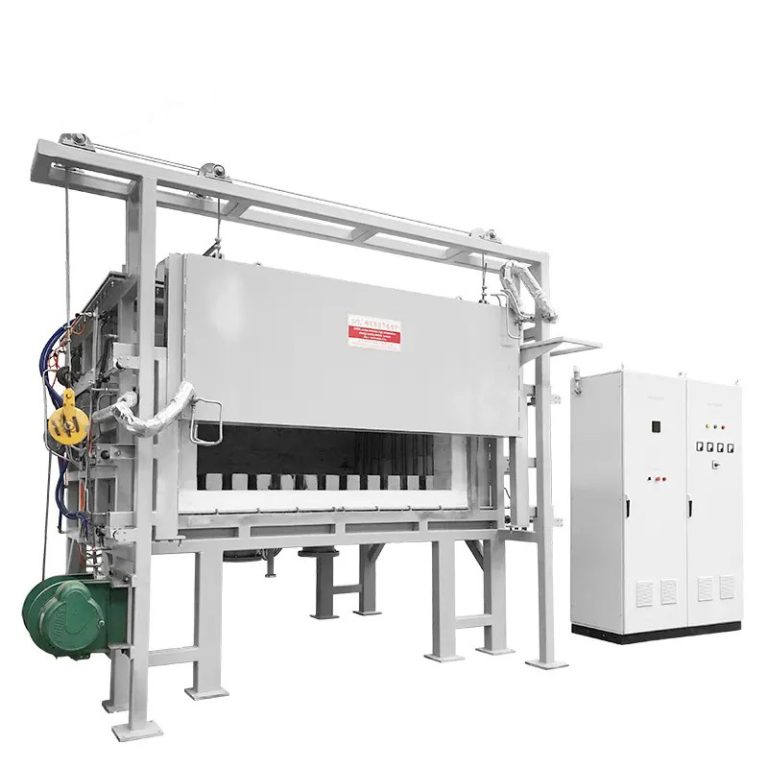
1600°C High-Temperature Hydrogen Furnace, High-Temperature Electric Furnace
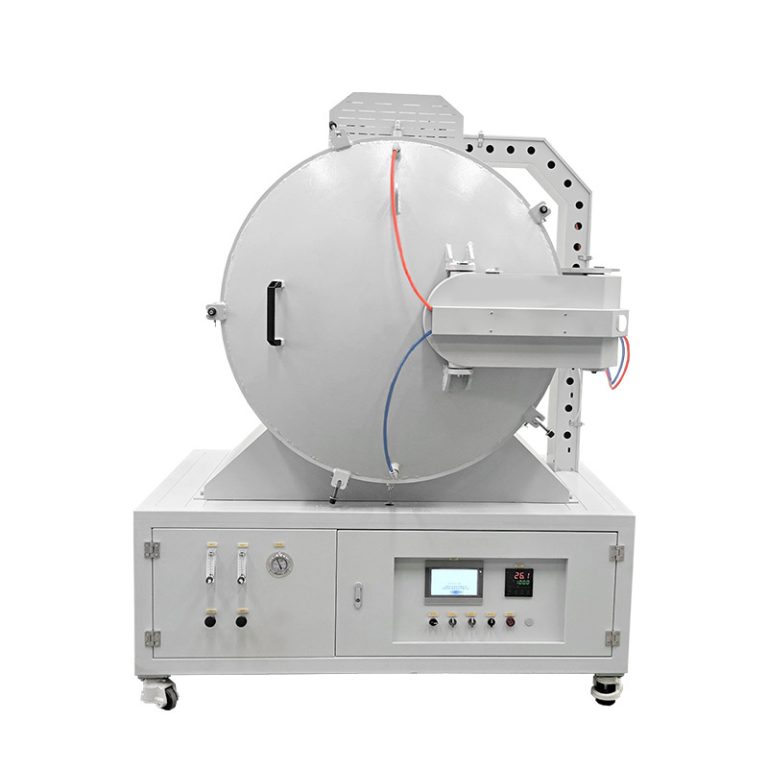
Reliable 1700°C Vacuum Atmosphere Sintering Furnace for Laboratory Research
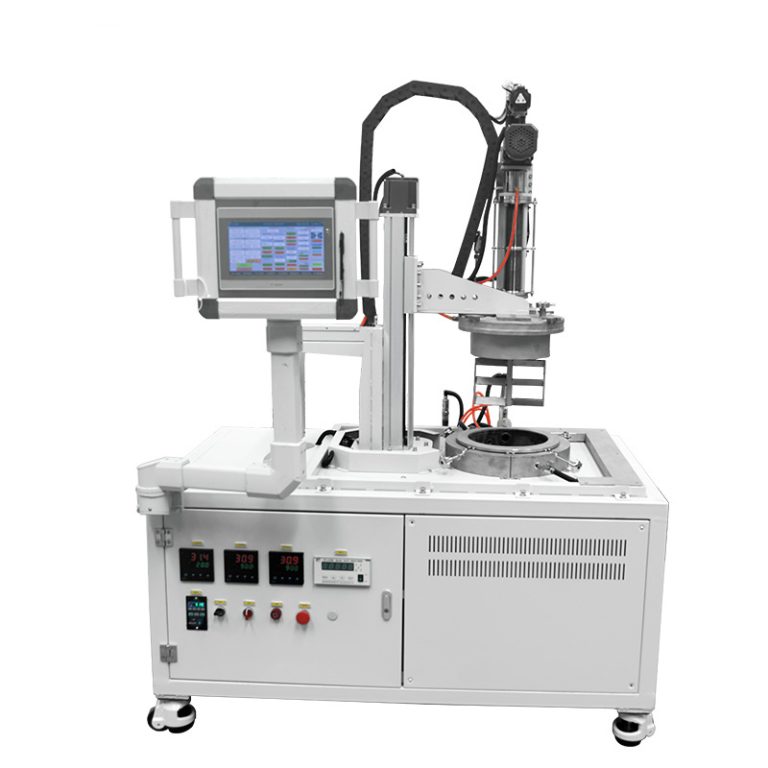
800°C Vacuum Atmosphere Pit Furnace for Laboratory and Industrial Applications
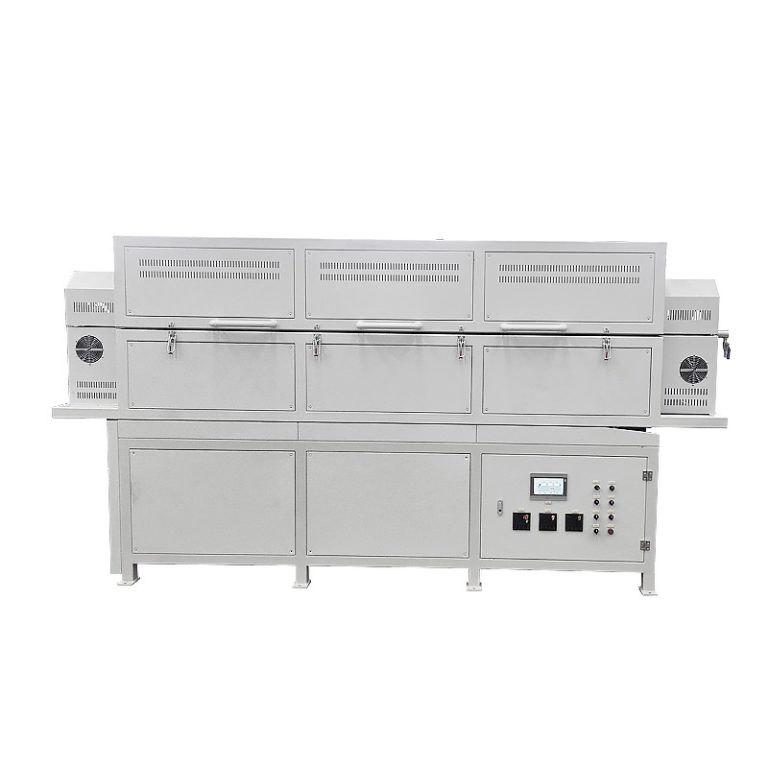
1050°C Inclined Rotary Tube Furnace, Stainless Steel Tube Type
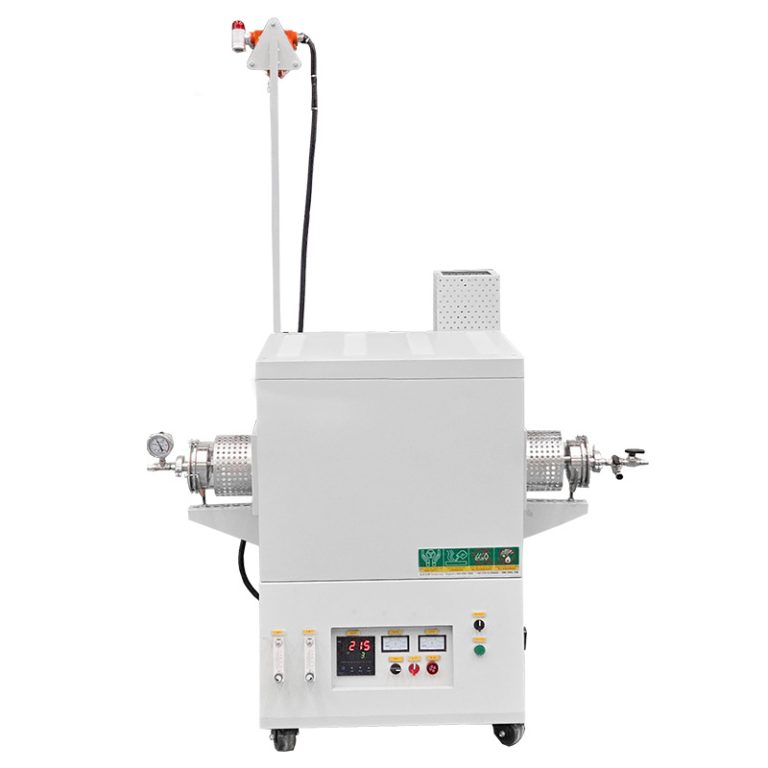
1200°C Elektresch Tubular Uewen mat Gas Leck Alarm System
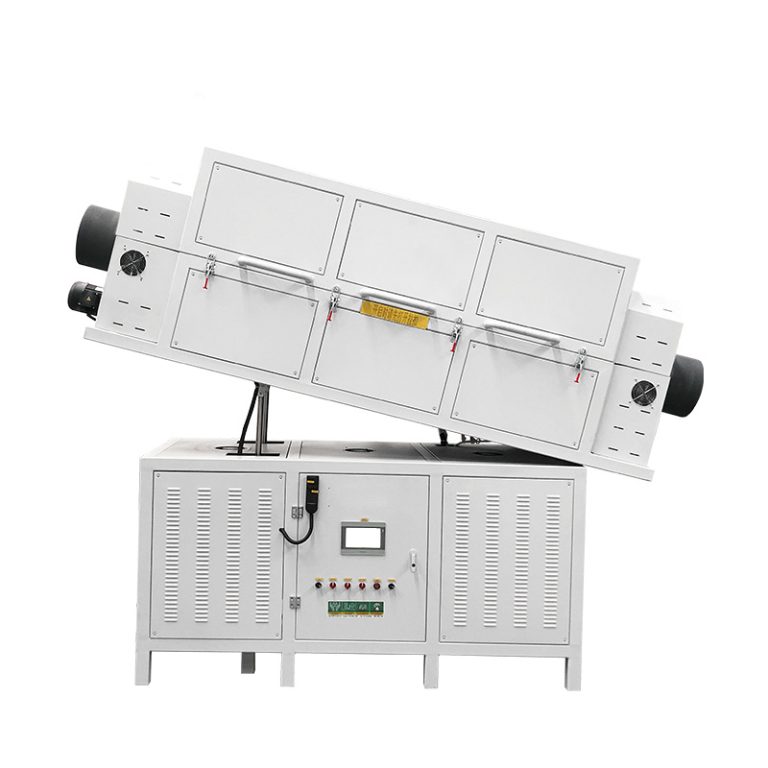
1400°C Rotary Tube Uewen fir Laboratoire an Industrieheizungsapplikatiounen
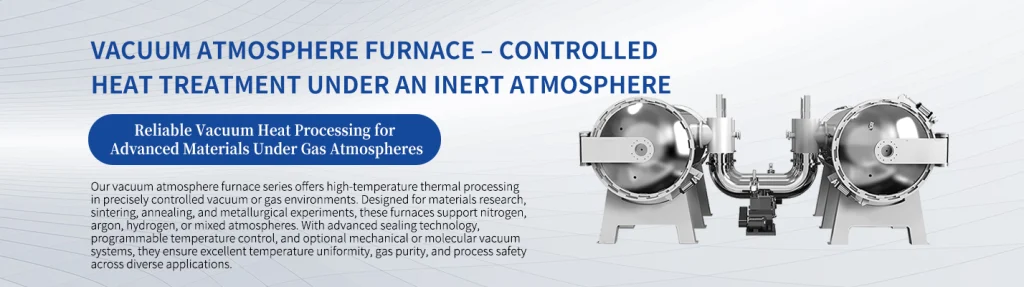
Vacuum furnaces are used for high-temperature vacuum and atmosphere-controlled heat treatment.
A vacuum furnace is a high-temperature device with an adjustable internal environment. It can operate under vacuum conditions or be purged with inert or reducing gases to meet the heating process requirements under different atmospheres.
As a common type of vacuum furnace, this type of furnace is widely used for processing materials sensitive to oxidation or requiring precise atmosphere control. In a vacuum or controlled atmosphere environment, oxidation and decarburization problems can be effectively reduced, thereby improving material properties and experimental stability.
We possess engineering expertise in heat treatment of 12 high-performance materials under combined vacuum and atmospheric stress conditions, and leverage our 2600°C composite heating platform to provide reliable assurance and precise control for every extreme application.
What is a Vacuum Furnace?
A vacuum furnace is a device capable of high-temperature heating in a vacuum or specific atmosphere, achieving precise temperature control through resistance heating or induction heating.
Its core feature is the ability to adjust the furnace atmosphere to meet the heat treatment requirements of different materials under varying conditions.
Main applications include:
- Vacuum sintering
- Metal annealing and heat treatment
- Materials synthesis and experimental research
- Ceramics and powder metallurgy processing
Main Application Areas
Vacuum furnaces are widely used in the following industries:
| Atmosphere Control Research | Study material property changes under oxygen-free or low-oxygen environments | • High-temperature phase transition studies • Material structural analysis • New material development |
| Metal Heat Treatment | Meet specific processing requirements for high-demand metals | • Vacuum annealing • Stress relief treatment • Degassing treatment • Surface purification treatment |
| Powder Metallurgy & Sinteren | Densification and forming preparation for high-performance materials | • Metal powder sintering • Cemented carbide forming • Precision component densification treatment |
| Ceramics & Advanced Materials | Preparation of high-end ceramics and functional materials | • High-temperature sintering • Contamination-free environment forming • High-purity material preparation |
| Aerospace & Electronic Materials | Material processing for high-performance and precision applications | • Superalloy treatment • Semiconductor material experiments • Precision electronic component heat treatment |
Vacuum Furnace Types
We offer a variety of vacuum furnace structures and atmosphere heat treatment equipment to meet the needs of different material processing and applications:
Héich Vakuum Uewen
- High vacuum operating capability
- Suitable for high-purity material processing
- Effectively avoids oxidation and contamination
- Suitable for high-end scientific research and precision manufacturing
Vakuum Këscht Uewen
- Compact structure, easy operation
- Good temperature uniformity
- Suitable for laboratory and pilot production
- Supports vacuum and atmosphere control
High Atmosphere Bottom Loading Furnace
- Bottom loading structure, strong load-bearing capacity
- Stable atmosphere control
- Suitable for industrial-grade heat treatment
- Can be used in various protective atmosphere environments
Vakuum Rotary Kiln
- Rotating structure, uniform heating
- Suitable for powder metallurgy and material sintering
- Can operate in vacuum or atmospheric environments
- Suitable for continuous process requirements
Vakuum Pit Uewen
- Vertical structure, small footprint
- Suitable for long or deep cavity workpieces
- Uniform temperature distribution
- Can achieve vacuum and atmospheric protection
Vakuum Tube Uewen
- Suitable for atmospheric and vacuum experiments
- High temperature control accuracy
- Commonly used in material synthesis and scientific research
- Supports multi-zone heating design
Atmosphär Roller Uewen
- Continuous conveyor structure
- Suitable for mass production
- Controllable atmosphere environment
- Widely used in industrial production lines
Technical Advantages
High vacuum environment protection, avoiding oxidation contamination
Multi-atmosphere control (vacuum/inert/reducing gas)
High-temperature stable control capability
Good temperature uniformity
Energy-efficient design
Safe and reliable industrial-grade structure
Recommended Product Solutions
Learn more about vacuum heat treatment equipment:
High Vacuum Furnace →/products/high-vacuum-furnace/
Vacuum Box Furnace →/products/vacuum-box-furnace/
High Atmosphere Bottom-Loading Furnace →/products/high-atmosphere-bottom-loading-furnace/
Vacuum Rotary Kiln → /products/vacuum-rotary-kiln/
Vacuum Pit Furnace →/products/vacuum-pit-furnace/
Vacuum Tube Furnace →/products/vacuum-tube-furnace/
Atmosphere Roller Furnace → /products/atmosphere-roller-furnace/
Typical Process Flow
Loading → Vacuuming → Atmosphere Replacement → Heating → Holding → Cooling → Unloading and Inspection
Why Choose a Vacuum Furnace?
Vacuum furnaces play an irreplaceable role in high-end material processing:
Preventing material oxidation and contamination
Improving material purity and performance
Meeting high-precision process requirements
Supporting complex experiments and R&D needs
Enhancing product consistency and reliability
Vacuum Electric Furnaces Frequently Asked Questions (FAQ)
- What is the difference between a vacuum furnace and a conventional furnace?
A vacuum furnace operates in an oxygen-free or controlled atmosphere, while a conventional furnace heats in air.
- Why is atmosphere control necessary? What experiments is it suitable for?
Some materials are prone to oxidation or reaction at high temperatures. Atmosphere control protects material properties. It is suitable for experiments and heat treatment processes involving materials sensitive to oxidation or requiring specific atmospheric conditions.
- What vacuum level can be achieved, and is the sealing reliable?
As a vacuum furnace, the furnace body features an integral sealed design, and the furnace door is equipped with a sealing ring and locking structure to ensure a high vacuum level (specific values need to be confirmed based on the model).
- Is operation complex?
Through gas path valves and the control system, one-button switching or program control of vacuum, gas filling, and atmosphere maintenance operations can be achieved.
- What processes is it suitable for?
Suitable for oxidation-sensitive materials (such as titanium alloys and special ceramics) and processes that require treatment in a reducing atmosphere (such as metal reduction and sintering of tungsten and molybdenum materials).
Get Solutions
If you need a vacuum furnace for research or industrial projects, we can provide customized design solutions based on your material properties and process requirements.
👉 Contact us for professional technical support (24-hour response)