Luoyang Anjing Intelligence Equipment es líder mundial en hornos eléctricos de alta temperatura



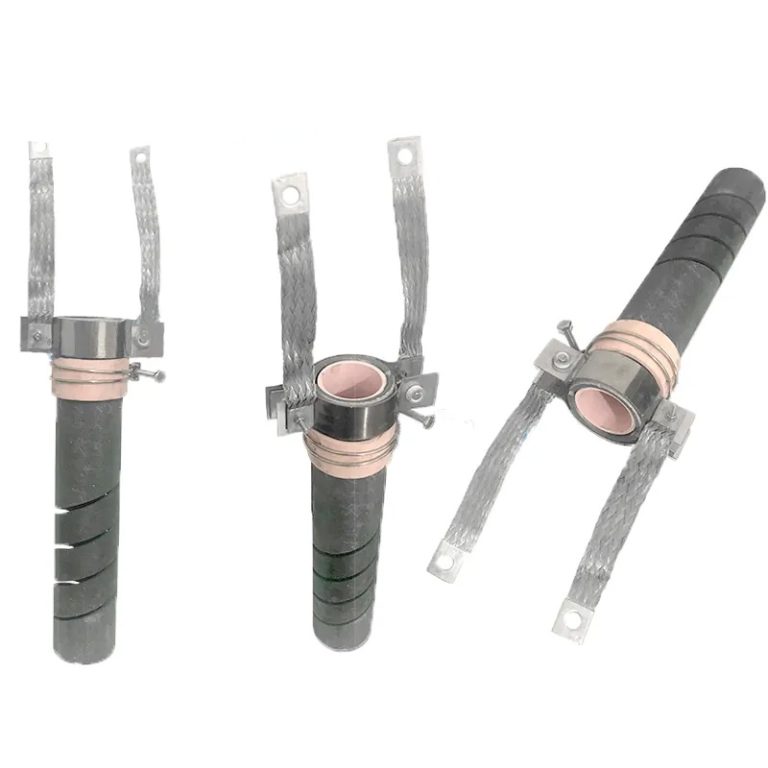
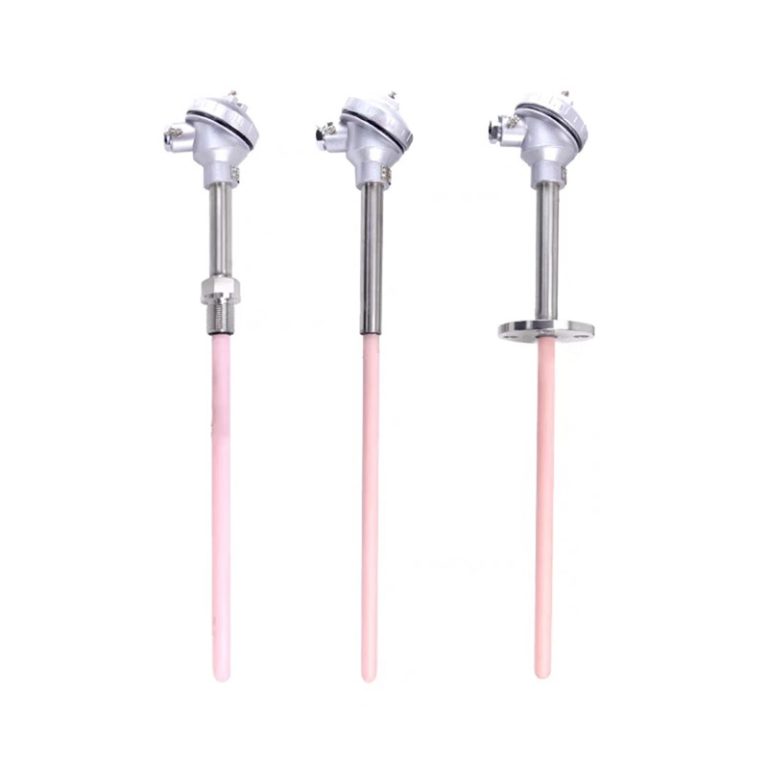
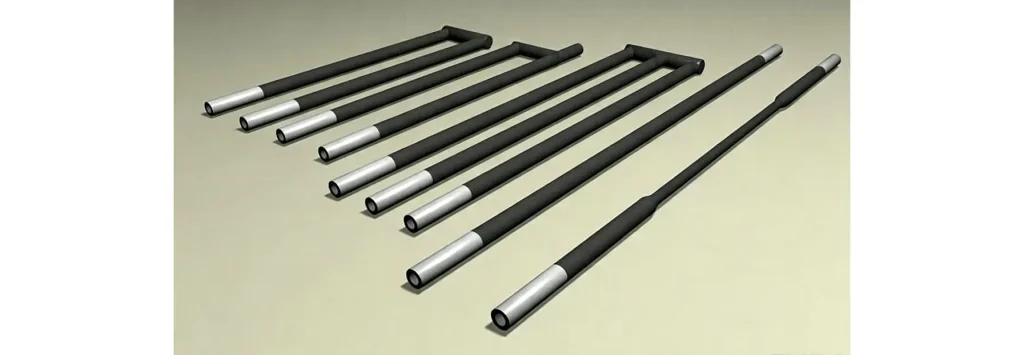
High Temperature Silicon Carbide Heating Rod


PARÁMETROS DEL PRODUCTO
Descripción
High-Temperature Silicon Carbide Heating Rods
Silicon carbide (SiC) heating elements are high-temperature heating elements made primarily of silicon carbide (SiC). They convert electrical energy into heat through resistance heating and are widely used in various industrial and laboratory furnaces. SiC heating elements are characterized by high temperature resistance, oxidation resistance, high thermal efficiency, y larga vida útil, making them commonly used heating elements in high-temperature sintering, tratamiento térmico, melting, and materials testing equipment.
SiC heating elements are manufactured using high-purity silicon carbide material through molding and high-temperature sintering processes, resulting in high operating temperatures and stable resistance characteristics. Compared to traditional metal heating elements, SiC heating elements can be used for extended periods at higher temperatures and are suitable for air atmospheres and various industrial heating applications.
Características del producto
- Excellent High-Temperature Performance
Made with silicon carbide material, the maximum heating temperature can reach 1500℃, meeting the process requirements of high-temperature sintering, tratamiento térmico, and material testing.
- High Thermal Efficiency and Stable Temperature Rise
The silicon carbide heating element has stable resistance, uniform heating, and strong thermal radiation, enabling rapid furnace temperature rise and improving equipment heating efficiency.
- Oxidation Resistance and Long Service Life
Under high-temperature oxidizing atmospheres, a protective oxide film forms on the surface, effectively reducing material loss and extending the service life of the heating element.
- Wide Applicability
A variety of product specifications are available, selectable according to furnace structure, Voltaje, actual, and installation method, suitable for different types of high-temperature electric furnace equipment.
| Material Type | Material Name | máx.. Heating Temperature(℃) | Remarks |
|---|---|---|---|
| Alloy Materials | Ni-Cr alloy | 1150 | Widely used |
| Fe-Cr alloy | 1400 | Widely used | |
| High-Melting Pure Metals | Platinum (Pt) | 1600 | Requires protective atmosphere |
| Molybdenum (Mo) | 1800 | Requires protective atmosphere | |
| Tantalum (Ta) | 2200 | Requires protective atmosphere | |
| Tungsten (W.) | 2400 | Requires protective atmosphere | |
| SiC / MoSi₂ Elements | SiC rods, SiC tubes | 1500 | Hard and brittle; formed before use |
| MoSi₂ rods | 1800 | Hard and brittle; formed before use |
Áreas de aplicación
- High-Temperature Electric Furnace Heating Elements: Widely used in heating systems of various high-temperature electric furnaces and industrial kilns, including box furnaces, hornos tubulares, hornos elevadores, bell furnaces, hornos de bogie, hornos de empuje, hornos de túnel, and roller kilns. Suitable for industries such as ceramics, electronics, metallurgy, glass, chemicals, and heat treatment.
- Ceramics and Magnetic Materials Sintering: Used for high-temperature sintering processes of electronic ceramics, structural ceramics, and magnetic materials in air atmosphere.
- Metal Heat Treatment and Powder Metallurgy: Used for heat treatment processes such as annealing, normalizando, and quenching of metallic materials, as well as sintering of powder metallurgy products in protective atmospheres or air.
- Rare Earth and New Materials Research and Development: Used for high-temperature synthesis and processing of rare earth materials, new ceramic materials, and composite materials.
- Laboratories and Research Institutions: Suitable for use with high-temperature experimental electric furnaces in materials science, metallurgical engineering, and other related fields in universities and research institutes.
Perfil de la empresa
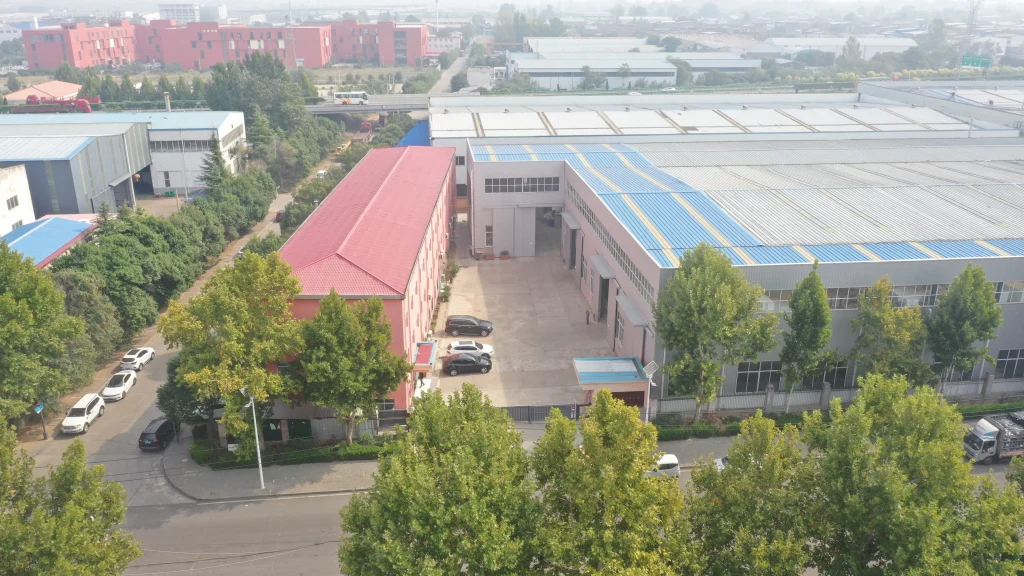
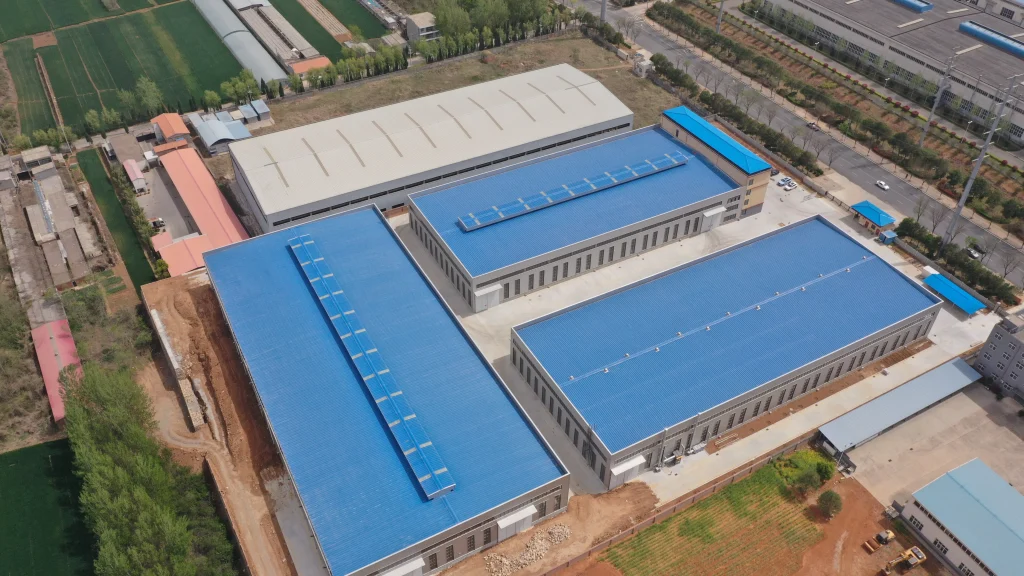
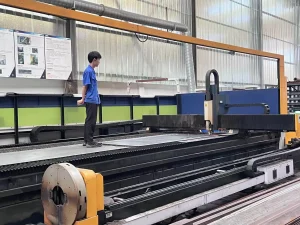
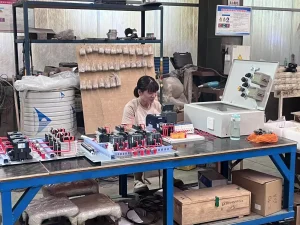
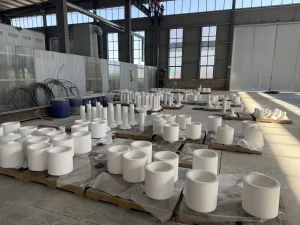
Una empresa profesional especializada en servicios de tecnología de tratamiento térmico y R.&D, fabricación, y venta de hornos eléctricos de alta temperatura.
La empresa se centra en el desarrollo de hornos eléctricos de alta temperatura que cubren un rango completo de temperatura de -100 ℃ a 2600 ℃.. Entre sus productos se encuentran hornos eléctricos experimentales., hornos de atmósfera de vacío, hornos industriales, y equipos de calentamiento por inducción de media frecuencia. Los principales productos incluyen hornos de caja., hornos tubulares, hornos elevadores, hornos de empuje, hornos de bogie, hornos rotativos, hornos de túnel, y varios hornos especializados de media frecuencia.
La empresa se adhiere a la innovación tecnológica y ha aprobado las certificaciones ISO9001 y CE de la UE.. posee 21 marcas registradas, 29 patentes, y 27 derechos de autor del software.
Métodos de pago
TT
Métodos de envío
The electric furnace is packaged in thThe electric furnace is packaged in three layers: primero envuelto en papel de espuma, luego envuelto en película plástica, y finalmente embalado en una caja de madera..
Preguntas frecuentes (Preguntas frecuentes)
- What is the maximum operating temperature of silicon carbide heating elements?
Silicon carbide heating elements can reach a maximum heating temperature of 1500℃. The actual operating temperature needs to be determined based on the furnace structure, atmosphere, and process requirements.
- What is the difference between silicon carbide heating elements and metal heating elements?
Silicon carbide heating elements have higher operating temperatures and stronger oxidation resistance, making them suitable for high-temperature environments; metal heating elements are mainly used in medium- and low-temperature heating applications.
- Can silicon carbide heating elements be used continuously for extended periods?
Sí. Under reasonable operating temperature, Voltaje, and installation conditions, silicon carbide heating elements can meet the requirements for long-term continuous operation.
- Are silicon carbide heating elements customized?
Sí. Specifications can be customized according to the furnace size, power, Voltaje, installation method, and operating temperature requirements.
- What atmospheres are silicon carbide heating elements suitable for?
Primarily suitable for air oxidation atmospheres, but can also be used in some protective atmosphere environments according to process requirements.essively rapid temperature changes.