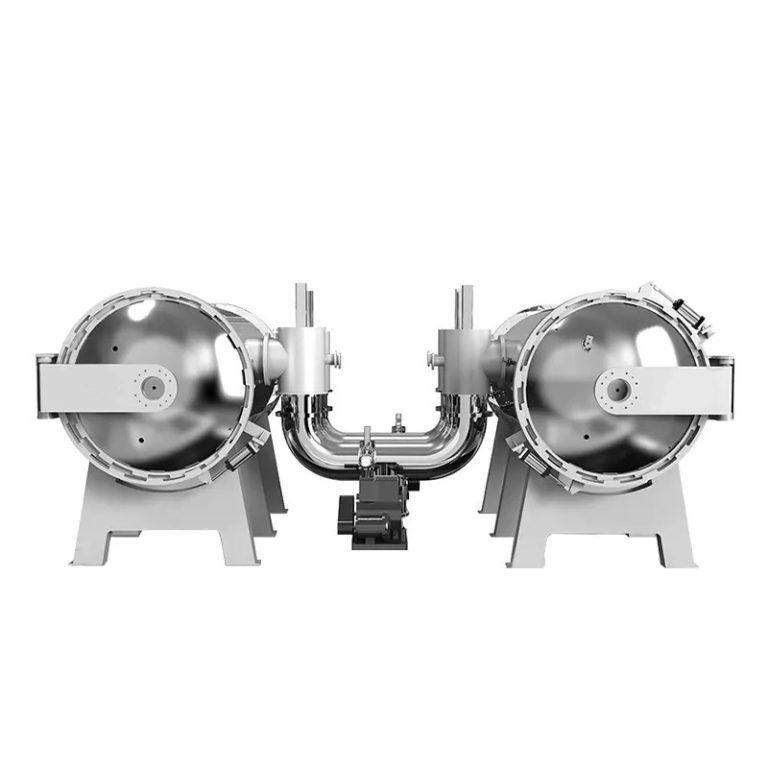
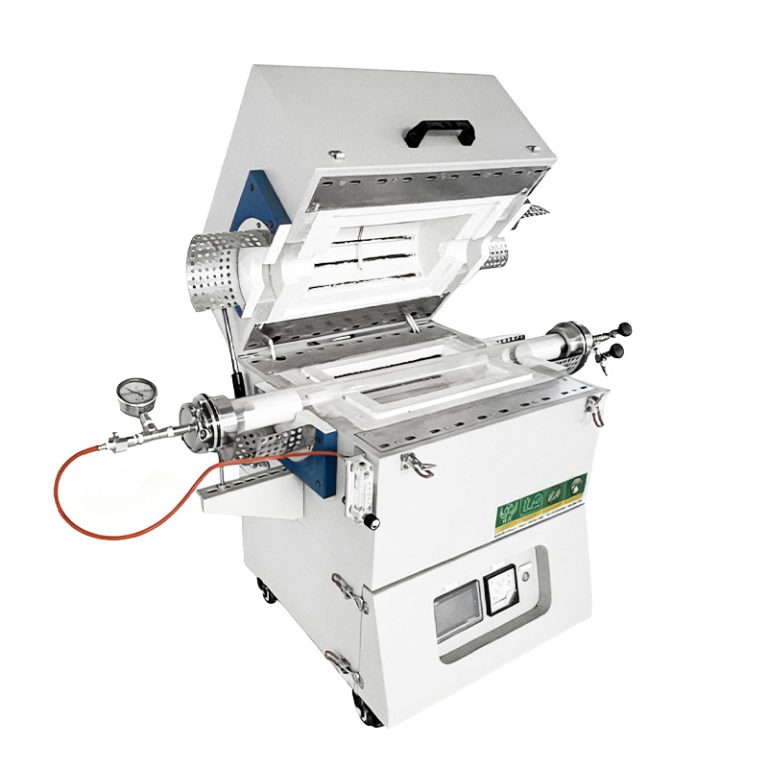
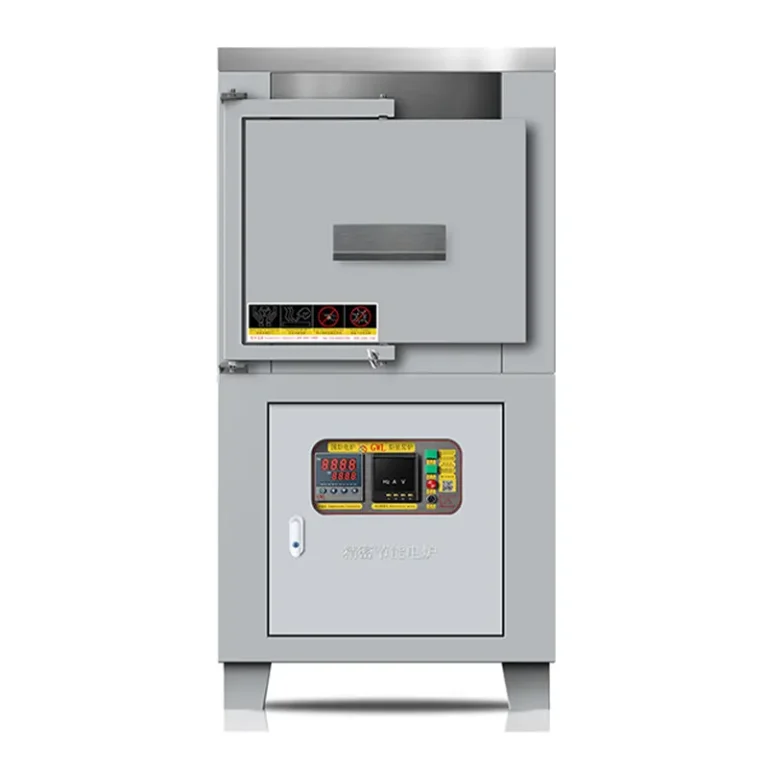
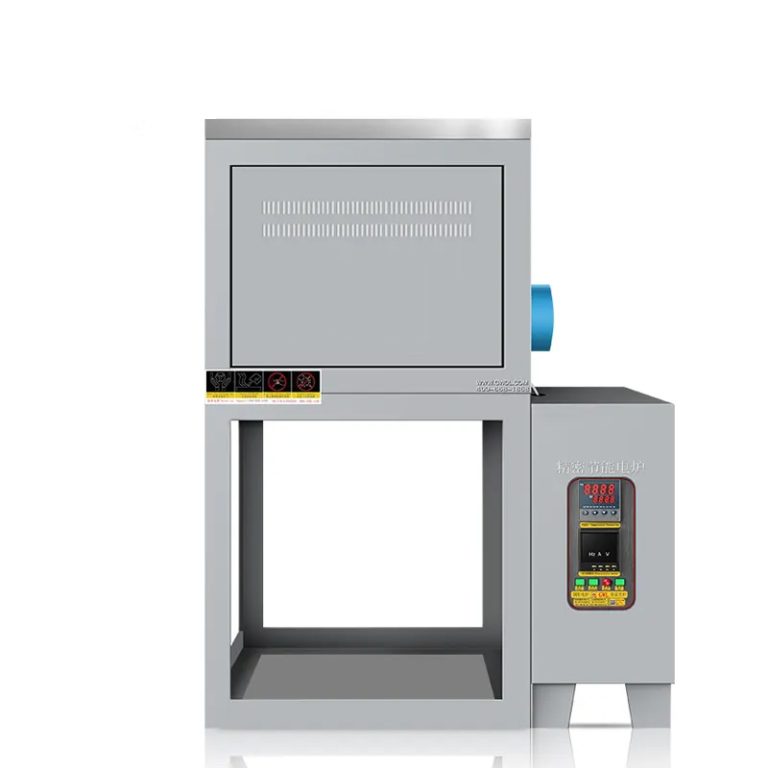
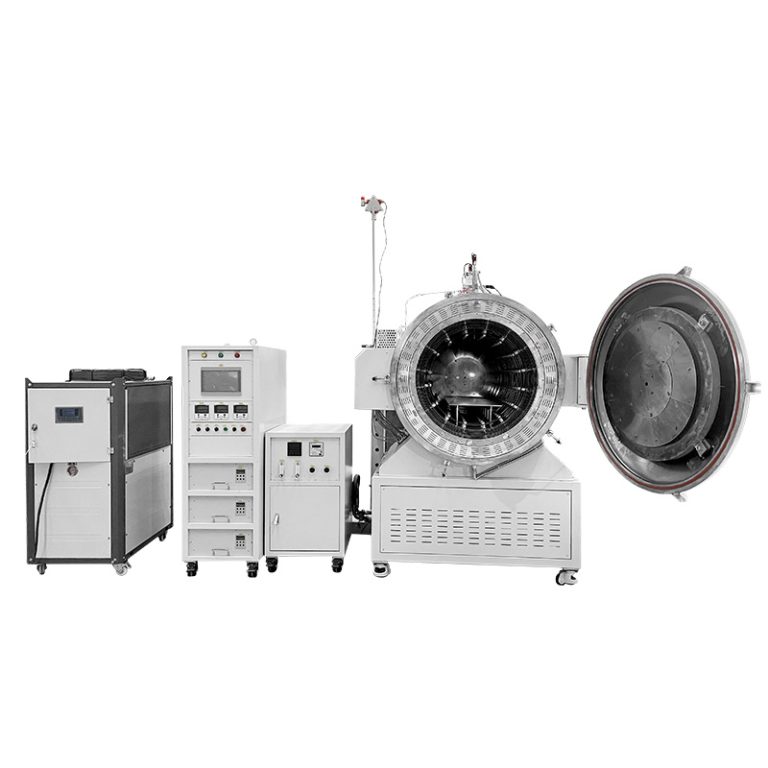
Luoyang Anjing Intelligence Equipment es líder mundial en hornos eléctricos de alta temperatura



What Are the Benefits of a Roller Hearth Kiln? Una guía completa
In the field of continuous high-temperature production, the Horno de rodillos has become an important heat treatment equipment in industries such as ceramics, new energy materials, and electronic components, thanks to its precise temperature control, high level of automation, and stable product conveying capabilities.
Compared to traditional intermittent furnaces, the advantage of roller kilns is that they can produce continuously—products pass through several temperature zones, including preheating, firing, and cooling, along a fixed route, forming a complete process chain. This structure not only improves production efficiency but also reduces manual intervention and enhances product consistency.
As advanced materials manufacturing demands increasingly higher requirements for temperature precision and energy efficiency, the advantages of Roller Hearth Kilns have expanded from simple continuous production to high-precision heat treatment and intelligent manufacturing.
I. Overview of Roller Hearth Kilns
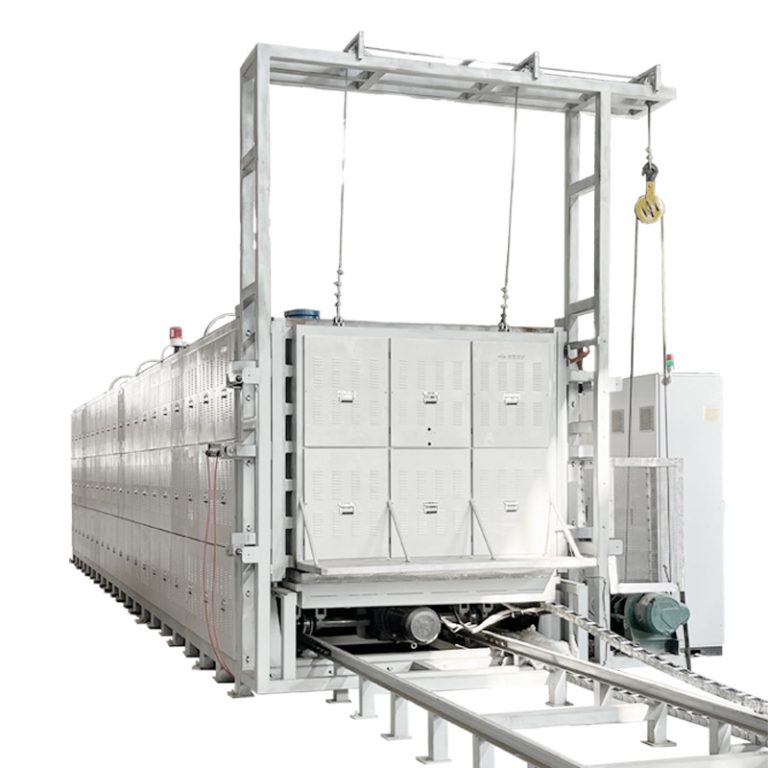
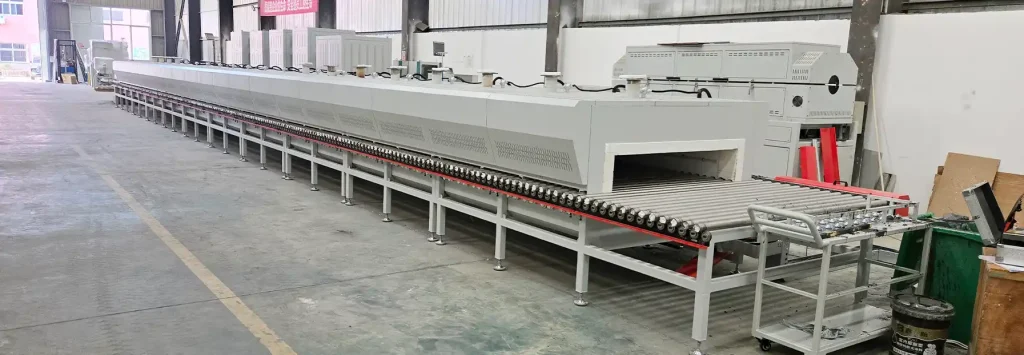
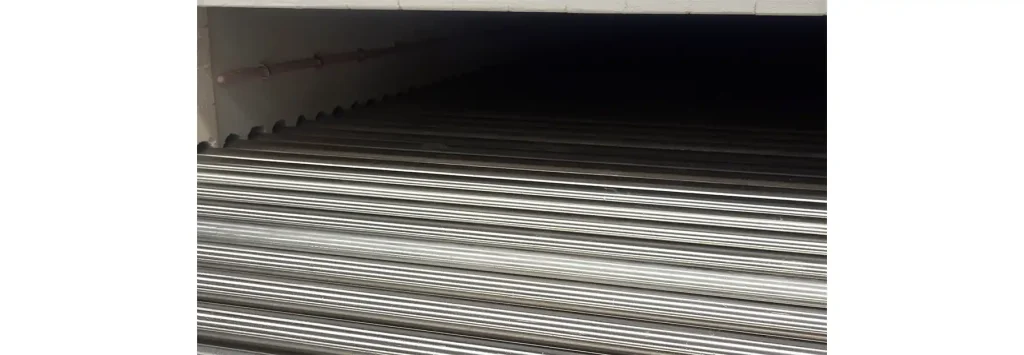
The Roller Hearth Kiln is an industrial kiln that utilizes high-temperature resistant rollers to convey products and complete sintering, firing, or heat treatment through continuous heating.
Its core structure includes:
- Furnace body and insulation system
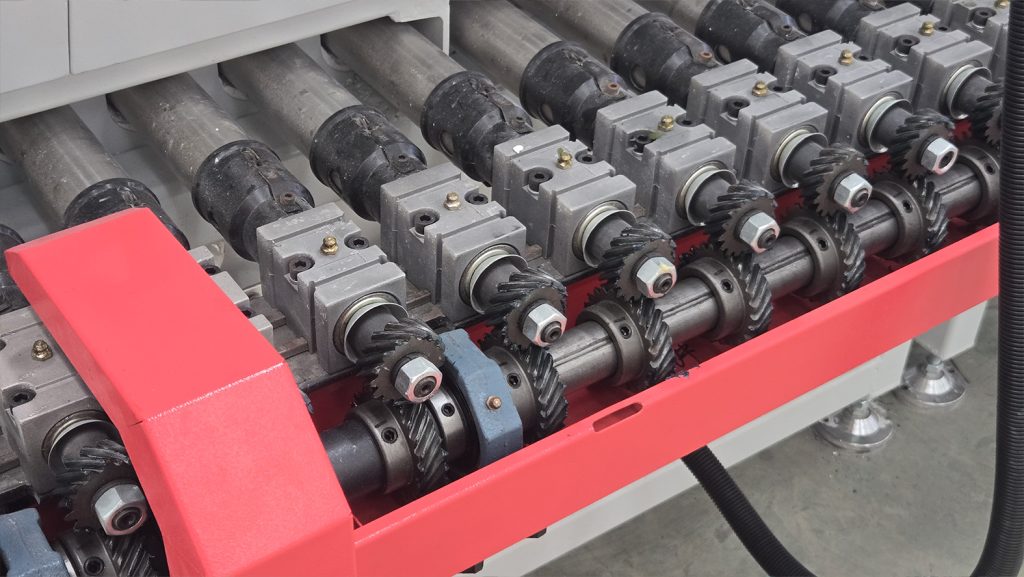
- High-temperature resistant roller drive system
- Multi-zone heating system
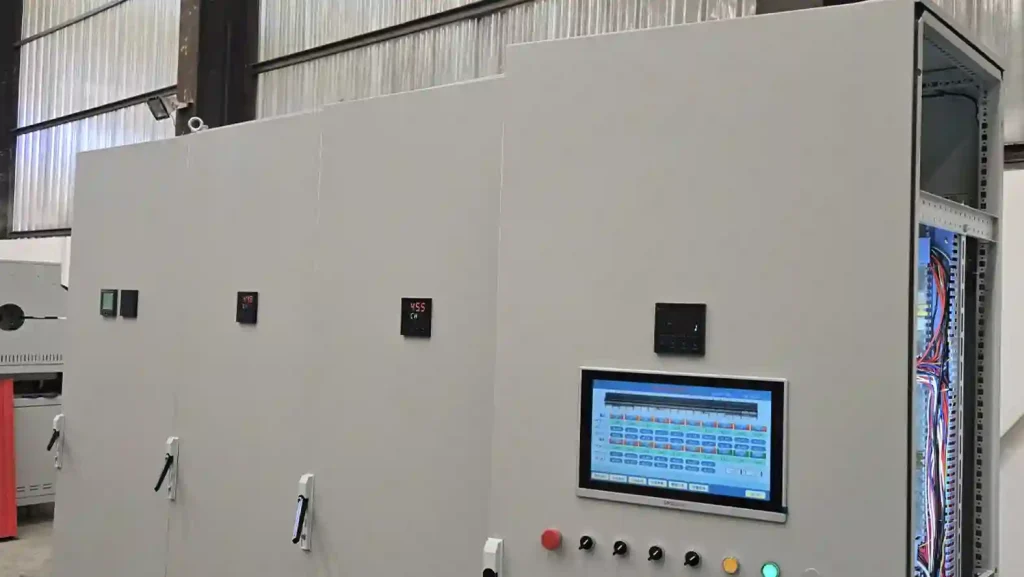
- Temperature control system
- Cooling system
During operation, the product is placed on the rollers and driven at a constant speed through the furnace chamber by the drive system. Different zones are set with different temperatures according to process requirements, achieving continuous heat treatment.
Unlike rotary kilns, which process powdery and granular materials, roller kilns are more suitable for products with regular dimensions that require stable conveying.
II. Product Features and Advantages
- Excellent Temperature Uniformity
Roller kilns achieve omnidirectional radiant heating through roller conveying, allowing for temperature distribution control within an extremely narrow range. High-quality roller kilns can achieve a temperature uniformity of ±2℃. A uniform temperature field means high batch-to-batch product consistency, eliminating the need to compensate for temperature differences by extending holding time, a fundamental condition for rapid firing in roller kilns. The smaller kiln cross-section allows for heating elements to be placed both above and below, further eliminating temperature differences.
- High Thermal Efficiency and Low Energy Consumption
Traditional tunnel kilns suffer from heat loss primarily from two sources: heat storage in the kiln cars and saggers, and heat dissipation from the kiln body. Roller kilns eliminate the kiln cars and saggers, completely eliminating this heat loss. Compared to tunnel kilns, roller kilns save a significant amount of fuel. In the field of powder calcination, electrically heated roller kilns save approximately 35% more energy than traditional pusher kilns, and produce more consistent product performance and a higher yield. The thermal efficiency of electrically heated roller kilns can approach 95%, while gas-fired systems lose as much as 60%-70% of their heat through the chimney.
3. Flexible Atmosphere Control and High Cleanliness
The roller kiln has excellent sealing properties, making precise atmosphere control easy. It can be supplied with air, nitrogen, oxygen, nitrogen-hydrogen mixtures, etc., and different atmospheres can be used in different temperature zones. All parts of the furnace that come into contact with materials are made of ceramic, avoiding the risk of metal contamination.
- High Capacity and Small Footprint
Roller kilns enable multi-layer, multi-row loading and conveying, significantly increasing output per unit area. Advanced designs can achieve up to three times the usual capacity increase. As a continuous kiln, its high degree of automation greatly reduces the labor intensity of operators, meeting the efficiency requirements of large-scale continuous production.
- Rapid Heating and Cooling Capabilities
Due to excellent temperature uniformity, roller kilns achieve extremely rapid heating and cooling rates.A shorter firing cycle means higher equipment turnover and lower energy consumption per unit, which directly reduces production costs.
III. Two Key Product Topics
- Roller Kiln vs. Tunnel Kiln vs. Pusher Kiln – Why is the Roller Kiln More Energy Efficient?
Roller kilns, hornos de túnel, and pusher kilns are all continuous kilns; the core difference lies in the material conveying method.
Tunnel kilns use kiln cars to carry material. These cars repeatedly move through high-temperature zones, absorbing a significant amount of heat each time they enter the kiln. This heat loss is the main reason for the high energy consumption of tunnel kilns. The manufacturing and maintenance costs of the kiln cars also increase long-term costs. Roller kilns eliminate kiln cars entirely; material is conveyed smoothly on the rollers without additional heat storage, resulting in significantly improved thermal efficiency.
Pusher kilns use pushers to carry material, which slides along tracks. They also suffer from the problems of heat storage and frictional losses associated with pushers. In the field of powder calcination, electrically heated roller kilns save approximately 35% more energy than pusher kilns, while also offering shorter firing cycles, better furnace temperature uniformity, higher automation, and lower labor intensity for operators. Roller kilns offer greater flexibility than pusher kilns—customers can scientifically extend the kiln length based on actual needs, something pusher kilns cannot do.
- The Trend of Electric Heating for Roller Kilns—A Leap from Ceramics to Steel
Electrically heated roller kilns have long been standard equipment in the production of lithium battery materials, MLCCs, and other electronic materials. Precise temperature control, clean operation, and high productivity are their core advantages. In recent years, this trend has been expanding into the steel heat treatment field.
Steel producers are exploring gas-fired alternatives to electric-heated roller kilns, driven primarily by three factors: carbon emission requirements, higher thermal efficiency, and process precision. Electric heating systems waste almost no heat, achieving thermal efficiency close to 95%, while gas-fired systems typically suffer from 60%-70% heat loss in flue gas. Electric heating systems can precisely control power density and temperature profiles, achieving control precision unattainable by gas-fired systems.
User Decision Reference: For the firing of ceramics, materiales de la batería de litio, and electronic components, roller kilns are the standard choice; whether or not to use them is simply a matter of scale and process requirements. In the steel industry, gas-fired roller hearth furnaces are still the mainstream, but electric heating is becoming more common.
| Function | Descripción |
|---|---|
| Intelligent Temperature Control | Real-time temperature data acquisition via sensors; automatically adjusts heating power based on variations |
| Data Monitoring | Records temperature, speed, and energy consumption data during production to help optimize processes |
| Automatic Fault Diagnosis | System detects roller bar anomalies, temperature deviations, and other issues in advance to minimize downtime |
IV. Product Applications
- Lithium-ion Battery and New Energy Materials: Continuous calcination and sintering of lithium-ion battery cathode materials (LCO, NCM), anode materials, precursors, and solid electrolytes (solid-state batteries). Lithium-ion battery materials have extremely high requirements for atmosphere purity and temperature uniformity; roller kilns are standard equipment.
- Electronic Components: Firing of MLCCs (multilayer ceramic capacitors), piezoelectric elements, thermistors, LTCCs, inductors, ferrite cores, etc., requiring no metal contamination and extremely high batch consistency.
- Advanced Ceramics and Powder Metallurgy: Degreasing and sintering of alumina substrates, catalyst supports, and powder metal parts.
- Building and Sanitary Ceramics: Rapid firing of ceramic tiles, slabs, and sanitary ceramics. This is the most traditional application area for roller kilns. In recent years, the energy efficiency of double-layer roller kilns has reached a level where natural gas consumption is less than 1.5 Nm³/m² of bricks, placing them in a leading international position.
- Steel heat treatment: Processes such as stainless steel strip annealing are transitioning to electrically heated roller kilns. The electric heating scheme can achieve more precise temperature control while eliminating carbon emissions from fossil fuels.
V.Supplier
Luoyang Anjing equipo inteligente Co., Limitado. es una empresa dedicada a la investigación, desarrollo, producción, ventas, y servicios técnicos de equipos de tratamiento térmico como hornos eléctricos de alta temperatura.. Producimos laboratorio, vacío, industrial, y horno de media frecuencia, cubriendo un rango de temperatura de -100 ℃ a 2600 ℃, sirviendo a industrias como las de nuevas energías, semiconductores, y materiales avanzados. Podemos proporcionar soluciones personalizadas basadas en una atmósfera específica., temperatura ultra alta, y requisitos del sistema de control inteligente. Por favor no dude en contactarnos si está interesado.
If you are struggling with equipment selection or parameter issues, simply leave your contact information and basic process requirements. We will arrange for a dedicated engineer to communicate directly with you and provide a detailed equipment configuration list and quotation.
Hacer clic “Solicitar una cotización” para obtener una solución personalizada.