Luoyang Anjing Intelligence Equipment es líder mundial en hornos eléctricos de alta temperatura



What Is Sintering in a Furnace? Process, Principles and Applications
Sintering in a furnace is a key high-temperature process in modern materials manufacturing. It involves heating powder or formed green bodies at temperatures below the material’s melting point, causing particles to bond together and thus improving the material’s strength, density, and properties. While the sintering process may seem like simply “heating,” it actually involves multiple factors, including heat transfer, material diffusion, grain size changes, and atmosphere control.With the development of new energy, cerámica avanzada, metalurgia de polvos, and electronic materials industries, the requirements for furnaces (industrial furnaces) in sintering processes are becoming increasingly stringent. Stable temperature fields, precise atmosphere control, and low energy consumption have become crucial factors affecting sintering quality.
I. Overview of Sintering Processes in Furnaces
Sintering is a process that uses heat to bind powdered materials into a solid whole. During the process, the material generally does not melt, but rather the atoms slowly diffuse and the particles combine with each other at high temperatures, turning loose powder into a strong block.
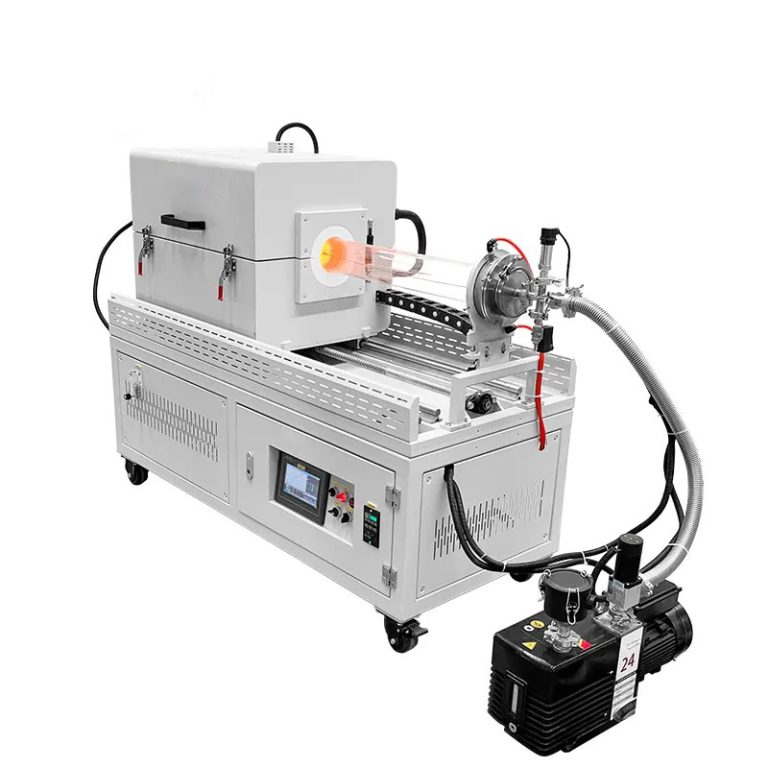
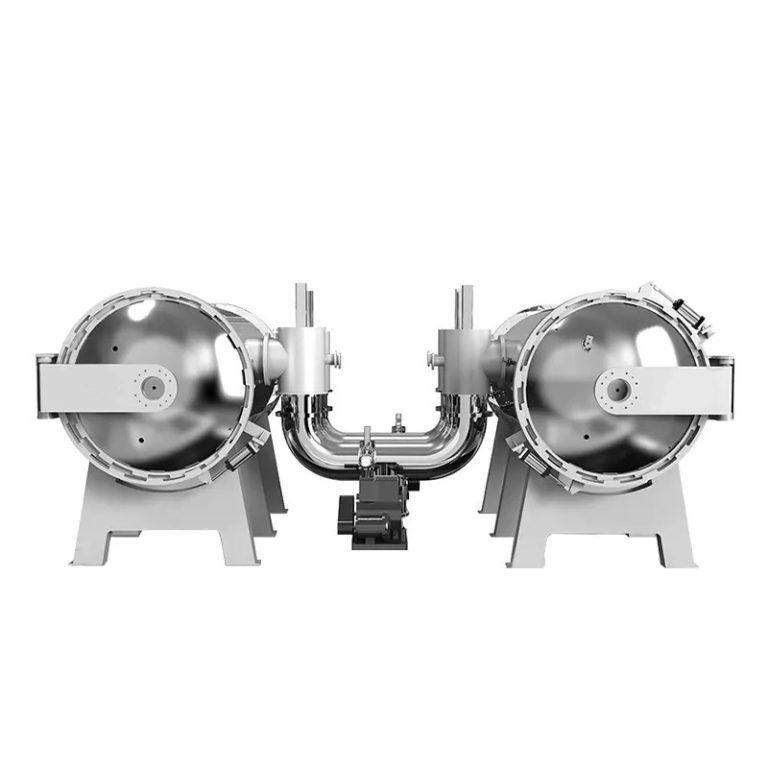
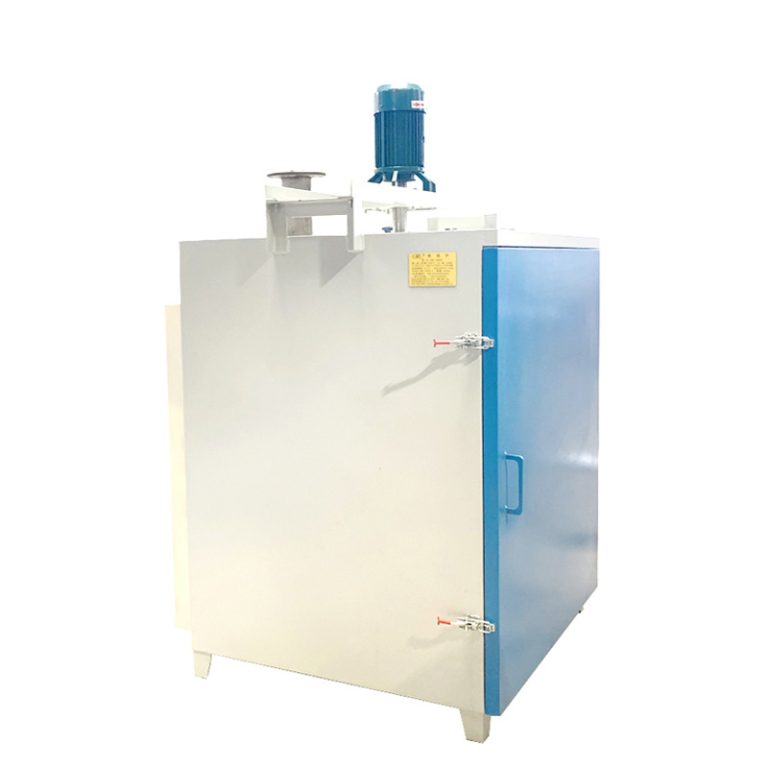
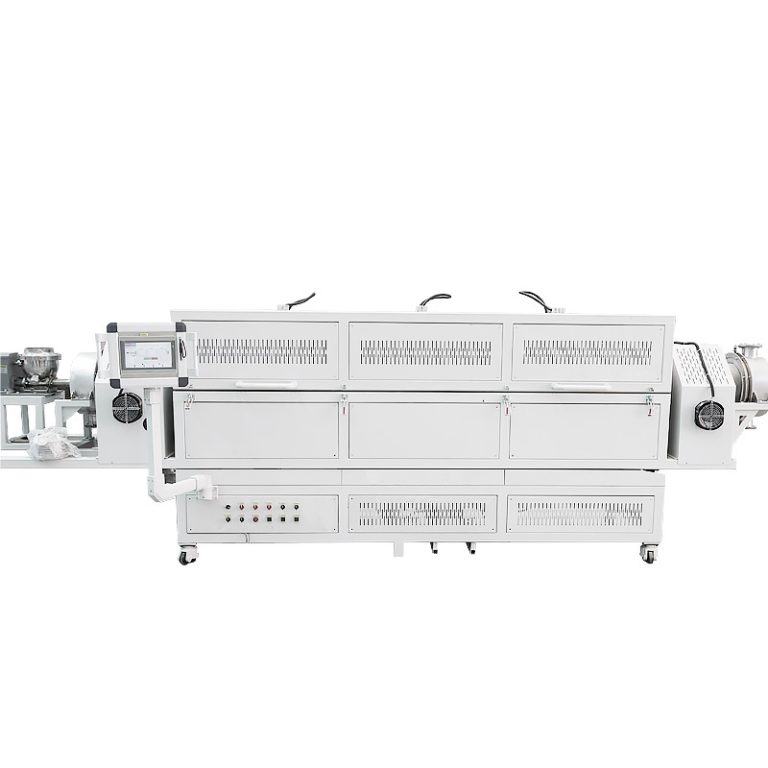
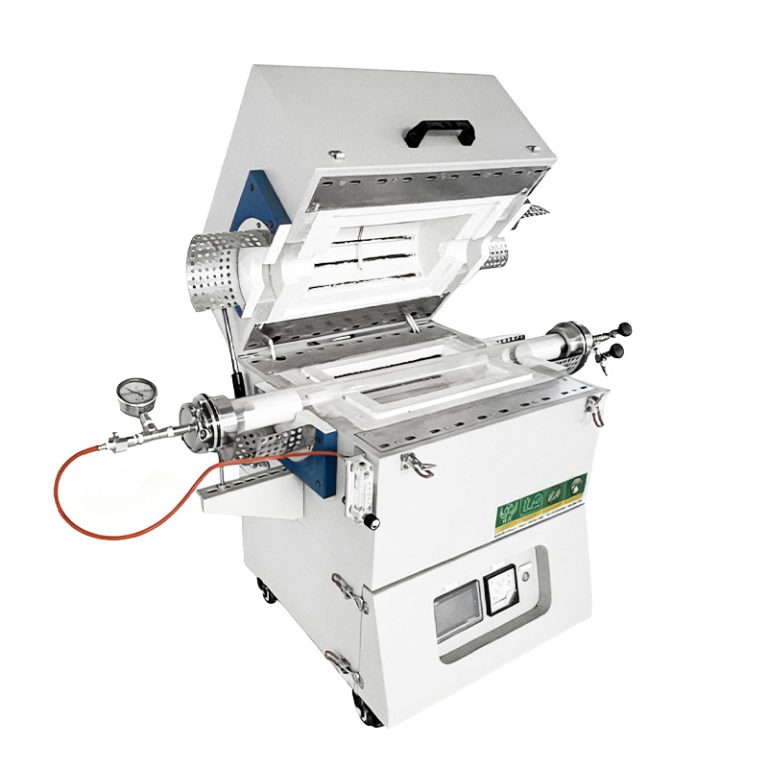
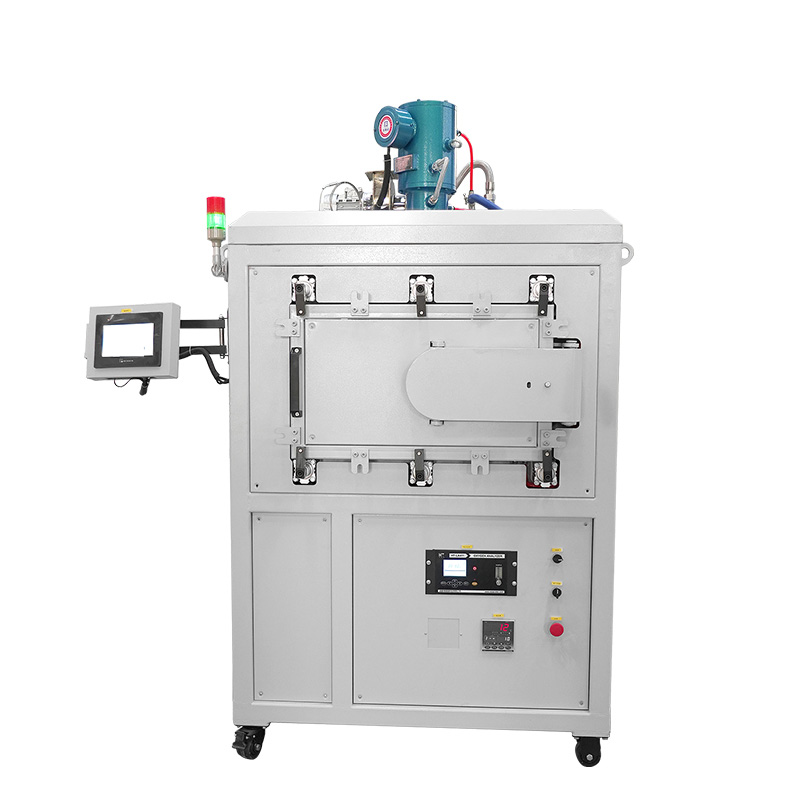
Common equipment includes tube furnaces, box furnaces, vacuum furnaces, and atmosphere furnaces. A stable temperature field must be provided according to the material properties, and oxygen partial pressure, atmosphere flow rate, and heating/cooling rates must be controlled simultaneously.
Unlike the liquid-state forming of melting processes, sintering focuses more on the structural evolution in the solid state. The uniformity of the furnace temperature field and the precision of process control are the main factors affecting the quality of the final product.
II. Key Features and Advantages of Sintering Furnaces
- Precise Temperature Control Ensures Stable Material Performance
Sintering generally involves several steps: preheating, heating, holding, and cooling. Each step affects the internal structure of the material. A good furnace has multiple temperature control functions, which can control the rate of heating according to a program to avoid cracking or stress concentration caused by excessive heating.
For ceramics, electronic materials, and new energy powders, excessive temperature fluctuations can affect grain growth, resulting in decreased product performance.
- Uniform Thermal Field Improves Sintering Consistency
The uniformity of temperature distribution within the furnace chamber is a crucial indicator of sintering equipment performance.
If significant temperature differences exist between different areas, products from the same batch may exhibit inconsistent density and shrinkage rates.
Modern sintering furnaces typically improve the thermal field by:
Optimizing heating element layout
Adding independent temperature control in multiple zones
Using low thermal conductivity insulation materials
Improving airflow circulation within the furnace
These designs reduce hot and cold zones, improving the stability of mass production.
- Atmosphere Control Improves Sintering Quality
Many materials cannot be directly exposed to air during sintering and require a specific atmospheric environment.
Por ejemplo:
Inert gases prevent oxidation
Reducing atmospheres improve material properties
Vacuum environments reduce the impact of impurities
Por lo tanto, the atmosphere control system has become an important component of modern sintering furnaces.
Stable gas flow and a sealed structure can reduce the ingress of external air, allowing materials to complete the sintering process in a controlled environment.
- Energy-Saving Design Reduces Production Costs
Sintering typically requires maintaining high temperatures for extended periods, making energy consumption a critical concern for companies.
Advanced Furnace technology reduces heat loss through lightweight furnace linings, ceramic fiber insulation, and intelligent power regulation.
Compared to traditional furnaces, the new energy-saving design shortens heating time and reduces energy consumption during the holding phase.


| Stage | Nombre | Function & Key Points |
|---|---|---|
| Stage 1 | Preheating / Debinding | Organic binders and lubricants are slowly volatilized or decomposed at low temperature. Excessive heating rate causes rapid volatilization, leading to cracking or deformation. The first zone of a belt furnace is dedicated to this process |
| Stage 2 | High-Temperature Sintering | Temperature rises to target and holds; atomic diffusion occurs between powder particles, forming “necks” at contact points that grow over time. Porosity decreases and density increases. Under-sintering (low temp/short time) → insufficient strength; over-sintering (high temp) → abnormal grain growth or even partial melting |
| Stage 3 | Cooling | Controlled cooling rate prevents cracking or deformation from thermal stress. For certain metals (e.g., soft magnetic materials), cooling rate also directly affects final microstructure and properties |
III. Two Key Topics in Sintering Processes
- Why is Sintering Temperature Control So Important?
Higher temperatures are not always better in sintering.
Too low a temperature results in insufficient diffusion between particles, preventing the material from forming a stable bond; too high a temperature can lead to abnormal grain growth, structural changes, and even a decline in material properties.
Por lo tanto, precise control is required during actual sintering:
Tasa de calentamiento
Sintering Temperature
Holding Time
Cooling Rate
The holding stage is particularly critical. It determines the degree of particle bonding and the final material density.
Modern sintering furnaces, through programmable control systems, can repeatedly execute complex temperature profiles, improving production consistency.
- How Does the Atmosphere Affect Sintering Results?
Besides temperature, the atmosphere is also a crucial factor determining sintering effectiveness.
Different materials require different environments:
Por ejemplo, metal powders may require a protective gas to prevent oxidation; ceramic materials may require controlled oxygen partial pressure to affect crystal structure; electronic materials are more sensitive to impurity content.
Por lo tanto, excellent sintering equipment does not simply provide high temperatures, but rather creates a stable and repeatable material reaction environment.
The future development trend of sintering equipment is also shifting from simple temperature control to comprehensive control of “temperatura + atmosphere + data monitoring”.
IV. Main Application Areas of Sintering Furnaces
- Powder Metallurgy Industry: Used in the manufacture of gears, structural parts, and wear-resistant materials. Sintering improves part strength while reducing machining costs.
- Ceramic Materials Industry: Advanced ceramics typically require high-temperature sintering to form a dense structure, such as alumina ceramics and zirconia ceramics.
- New Energy Materials Field: Lithium-ion battery cathode and anode materials, solid-state battery materials, etc., all require stable sintering processes to ensure consistent performance.
- Electronics and Semiconductor Industry: Sintering furnaces provide a precise heat treatment environment in the production of electronic ceramics, materiales magnéticos, and functional materials.
- Metal Additive Manufacturing: 3D-printed metal parts typically require subsequent sintering or heat treatment to improve internal structure and mechanical properties.
V.Supplier
Luoyang Anjing equipo inteligente Co., Limitado. es una empresa dedicada a la investigación, desarrollo, producción, ventas, y servicios técnicos de equipos de tratamiento térmico como hornos eléctricos de alta temperatura.. Producimos laboratorio, vacío, industrial, y horno de media frecuencia, cubriendo un rango de temperatura de -100 ℃ a 2600 ℃, sirviendo a industrias como las de nuevas energías, semiconductores, y materiales avanzados. Podemos proporcionar soluciones personalizadas basadas en una atmósfera específica., temperatura ultra alta, y requisitos del sistema de control inteligente. Por favor no dude en contactarnos si está interesado.