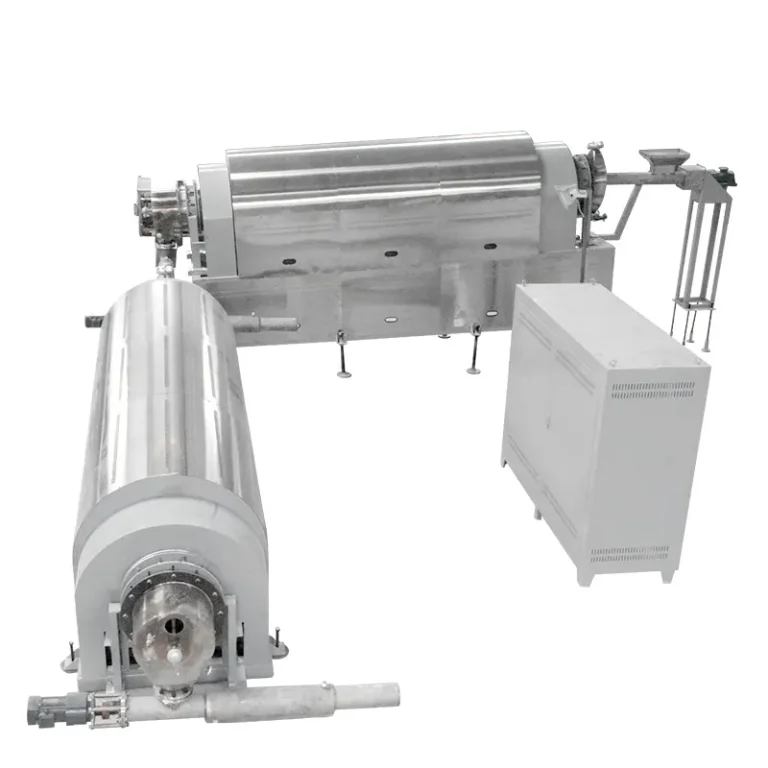
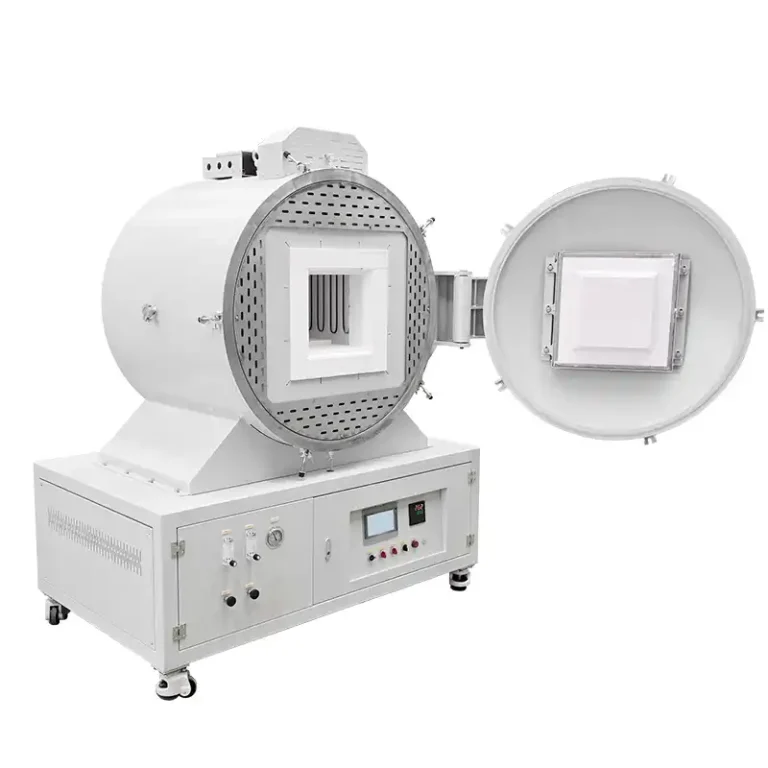
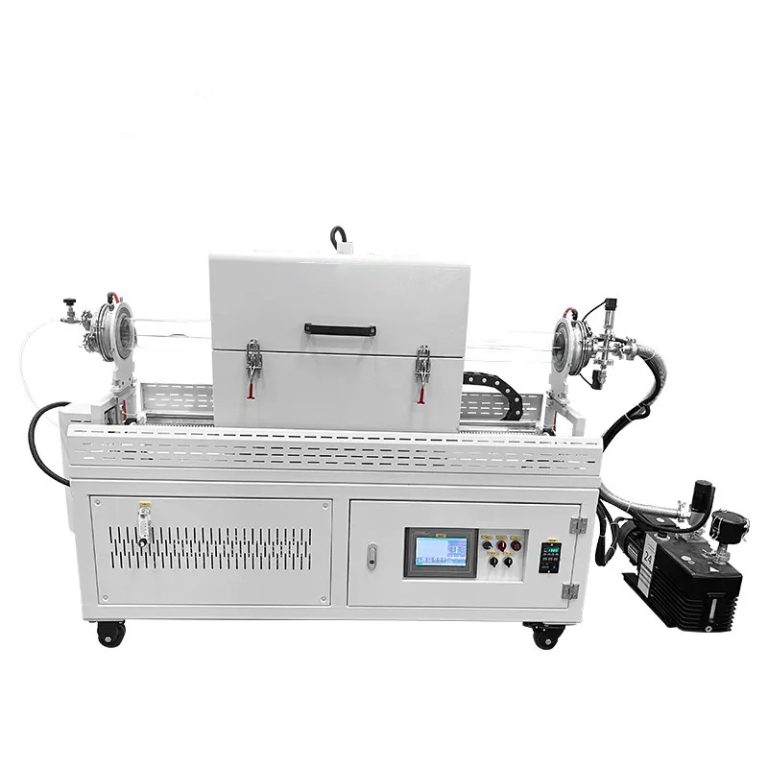
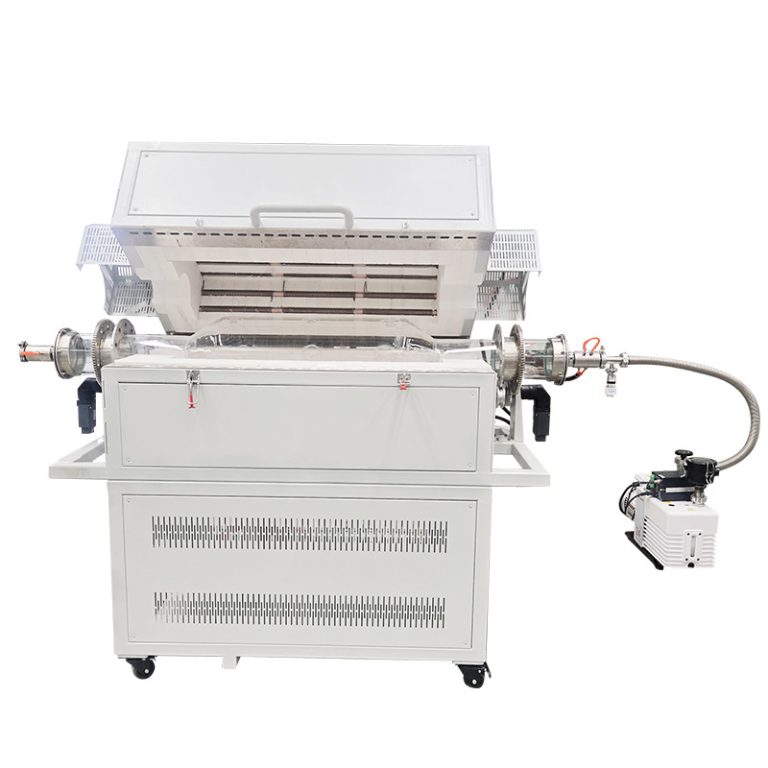
Tá Luoyang Anjing Intelligence Equipment ina cheannaire domhanda i bhfoirnéisí leictreacha ardteochta



Core Components Of Medium-Frequency Induction Furnaces: Three Major Categories—Rectification, Inbhéartú, And Control.
Medium-frequency induction furnaces are critical equipment in modern casting, miotalóireacht, and metal heat treatment industries; their performance relies not only on the principles of induction heating but, more importantly, on the coordinated operation of their internal electrical systems. The entire process—from electrical energy input to metal melting—depends on the seamless integration of three major systems: rectification, inversion, and control.
For many users, the induction coil and furnace body are the most visible components; áfach, the factors that truly determine the equipment’s efficiency, stability, and energy consumption are often concealed within the power supply cabinet. Understanding the core architecture of a medium-frequency induction furnace not only facilitates informed equipment selection but also helps enterprises enhance operational efficiency and reduce failure rates.
I. Product Overview
The medium-frequency electric furnace is a type of electric heating equipment widely used in industries such as metallurgy and casting. It utilizes the principle of electromagnetic induction to heat metal, offering advantages such as rapid heating, uniform temperature distribution, and high energy efficiency. A complete medium-frequency furnace system—spanning the process from drawing power from the grid to completing metal smelting—requires a “AC-DC-AC” dual-conversion process and involves the coordinated operation of dozens of components.
II. Product Features and Advantages
- Rectifier: Converts line-frequency AC to DC
The rectifier section serves as the input stage of the medium-frequency power supply, utilizing high-power thyristors (SCRs) or diodes to form a three-phase full-bridge rectifier circuit. Its function is to convert the 50 Hz AC power from the grid into smooth DC power, providing a stable supply for the subsequent inverter section. The rectifier section also handles output power regulation; by controlling the conduction angle of the thyristors, the DC voltage level can be adjusted, thereby controlling the output power of the medium-frequency furnace.
- High Heating Efficiency
Medium-frequency electric furnaces utilize electromagnetic induction to heat metal materials directly; since heat is generated within the workpiece itself, heat loss is significantly lower compared to traditional combustion-based heating methods. This superior energy utilization effectively shortens melting cycles and boosts production efficiency.
- Rialú Teochta Beacht
Equipped with intelligent control systems and high-precision sensors, the equipment monitors furnace temperature, current, and power fluctuations in real-time, enabling accurate temperature control. This is particularly critical for the melting of high-quality alloys and precision casting processes.
- Consistent Melting Quality
The natural stirring action generated by the electromagnetic field promotes the uniform distribution of constituents within the molten pool, minimizes segregation, and enhances both metal purity and casting quality.
- Outstanding Energy Efficiency and Environmental Performance
Medium-frequency electric furnaces eliminate the need for burning coal, oil, or gas, thereby avoiding the generation of significant smoke, dust, and exhaust emissions. Furthermore, the equipment features rapid startup and high thermal efficiency, helping to reduce energy consumption per unit of product.

| Component Category | Main Components/Types | Core Functions |
|---|---|---|
| 1. Medium-Frequency Power Supply | Rectifier, Inverter, Modulation Circuit | Converts utility frequency power to medium-frequency AC (1kHz-20kHz) to supply the system. |
| 2. Induction Coil | Copper conductor winding (shaped as per design requirements) | Generates an alternating electromagnetic field, inducing eddy currents in the metal workpiece to heat it. |
| 3. Cooling System | Cooling water pump, cooling water pipes, cooling tower | Circulates coolant to prevent overheating of components such as the inverter and induction coil. |
| 4. Control System | PLC (Programmable Logic Controller), HMI (Human-Machine Interface) | Monitors and adjusts parameters (current, voltage, teocht, etc.) in real time for intelligent control and operation. |
| 5. Sensors | Thermocouple, pressure sensor, current sensor | Provides real-time monitoring of furnace temperature, pressure, and current to ensure process stability and safety. |
| 6. Protection Devices | Overcurrent protector, overtemperature protector, leakage protector | Automatically cuts off power or shuts down the furnace in abnormal conditions to prevent equipment damage and safety accidents. |
III. Two Core Topics Regarding the Product
- Why do rectification and inversion systems determine the performance of medium-frequency furnaces?
The core of a medium-frequency electric furnace is its power supply system, not the furnace body itself. While the power grid supplies 50 Hz alternating current (AC), induction heating requires medium-frequency current. Consequently, rectification and inversion are the two critical stages of energy conversion: rectification converts AC to direct current (DC), while inversion transforms DC into medium-frequency AC with adjustable frequency and power. Inverter efficiency determines energy consumption, whereas the output waveform determines heating uniformity.
- Why is the control system becoming central to the competitiveness of medium-frequency furnaces?
In the past, medium-frequency furnaces relied heavily on manual experience for temperature and power regulation. Mar sin féin, modern manufacturing demands higher levels of product consistency and automation, thereby increasing the importance of control systems.
Modern PLC control systems can collect real-time data—such as temperature, voltage, current, water pressure, and cooling status—and automatically optimize operating parameters. Upon detecting anomalies, the system can immediately initiate protective measures to prevent equipment damage or unplanned downtime.
IV. Product Applications
- Metal melting in the casting industry: The rectifier section supplies stable direct current (DC), while the inverter section delivers medium-frequency electrical energy to the induction coil, generating a magnetic field that melts the furnace charge.
- Metal through-heating in the forging industry: Round steel bars require uniform heating to 1,200°C prior to forging; this process enables rapid heating and minimizes the formation of oxide scale.
- Master alloy melting for precision casting: Materials such as superalloys and titanium alloys demand strict control over temperature and atmosphere. Sensors monitor the molten metal temperature in real-time, and protective mechanisms prevent overheating. Due to the thin insulation layer of the furnace body and significant heat loss, a high-flow cooling system is required.
- Scientific research and new material development: Small-scale medium-frequency furnaces (capacity under 50 kg) are used for testing alloy formulations.
V.Supplier
Luoyang Anjing Chliste Trealamh Co., Teo. Is fiontar atá tiomnaithe don taighde, forbartha, táirgeadh, díolacháin, agus seirbhísí teicniúla trealaimh chóireála teasa ar nós foirnéisí leictreacha ardteochta. Táirgeann muid saotharlainne, folamh, tionsclaíoch, agus foirnéise meánmhinicíochta, a chlúdaíonn raon teochta ó -100 ℃ go 2600 ℃, ag freastal ar thionscail amhail fuinneamh nua, leathsheoltóirí, agus ábhair chun cinn. Is féidir linn réitigh saincheaptha a sholáthar bunaithe ar atmaisféar ar leith, teocht ultra-ard, agus riachtanais chórais rialaithe Chliste. Ná bíodh drogall ort teagmháil a dhéanamh linn má tá suim agat ann.