


Tá Luoyang Anjing Intelligence Equipment ina cheannaire domhanda i bhfoirnéisí leictreacha ardteochta



Foirnéise um Íonú Gáis Sceite / Foirnéise Degreasing
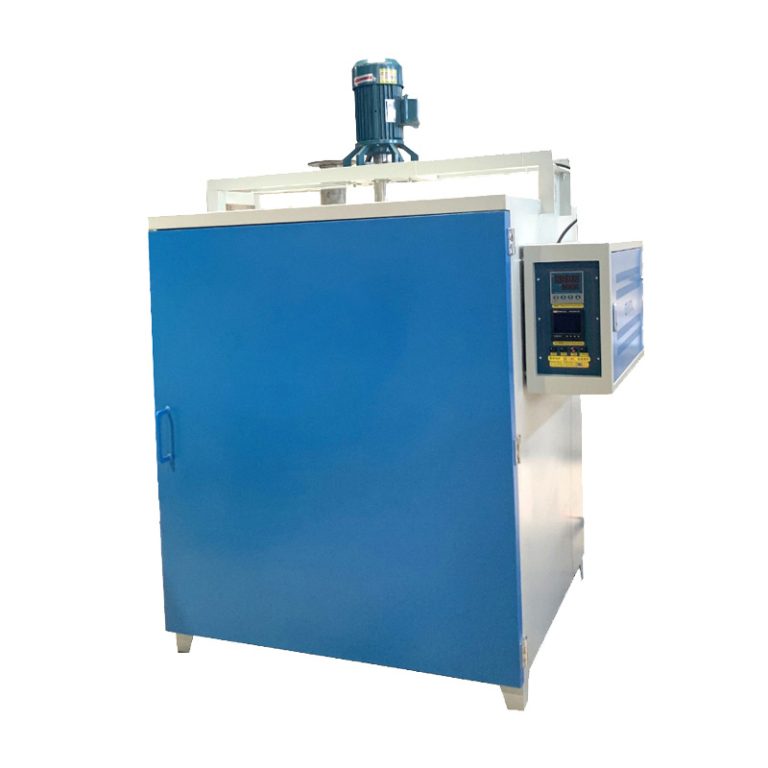
Foirnéise Díchéirithe agus Dímheasaithe Iontaofa do Mhiotaleolaíocht Púdar agus Comhpháirteanna Ceirmeacha
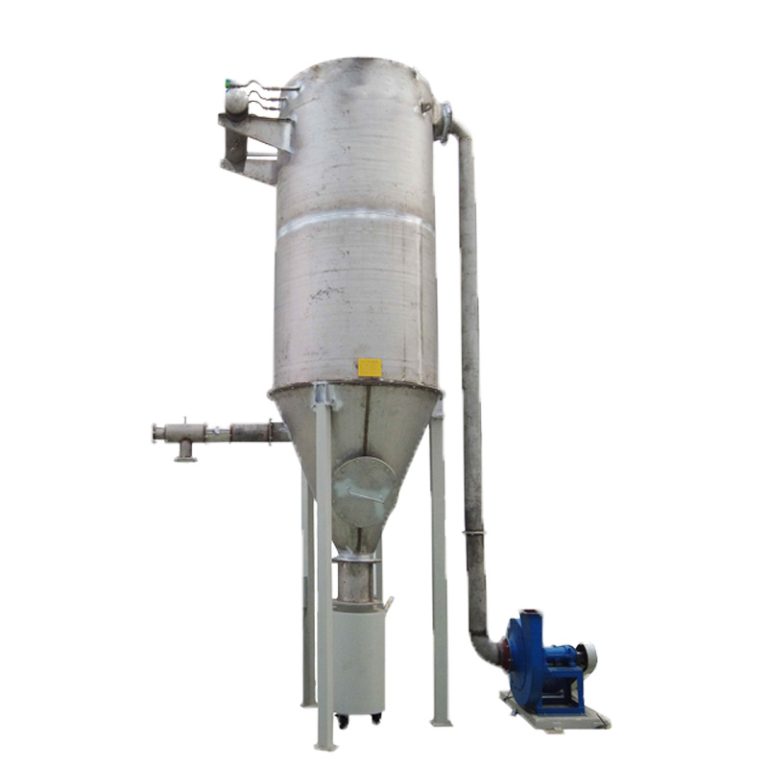
Córas Bailithe agus Scagacháin Ardteochta Deannaigh d'Fhoirnéisí Tionscail
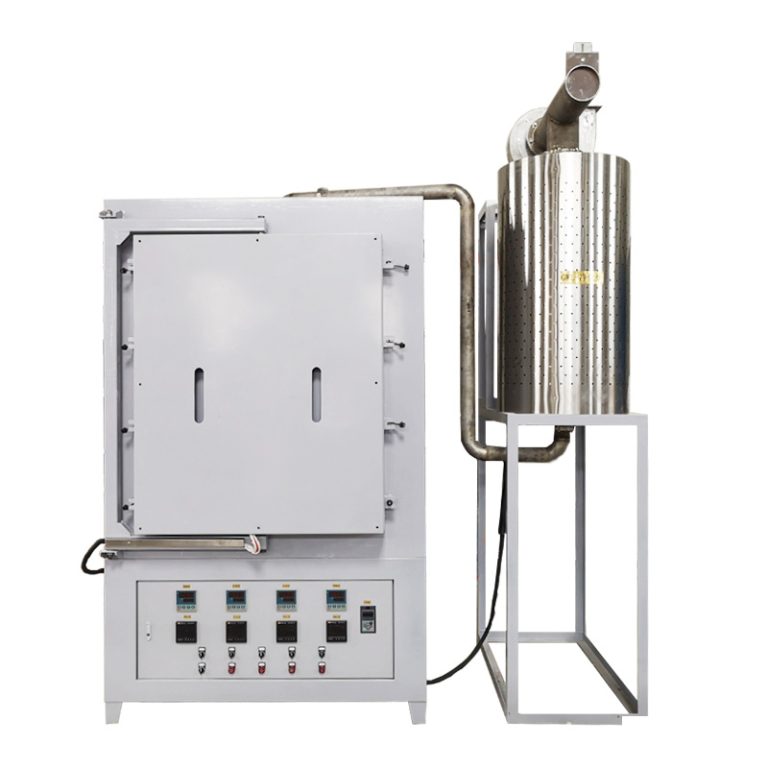
Foirnéise um Íonú Gáis Sceite Degreasing
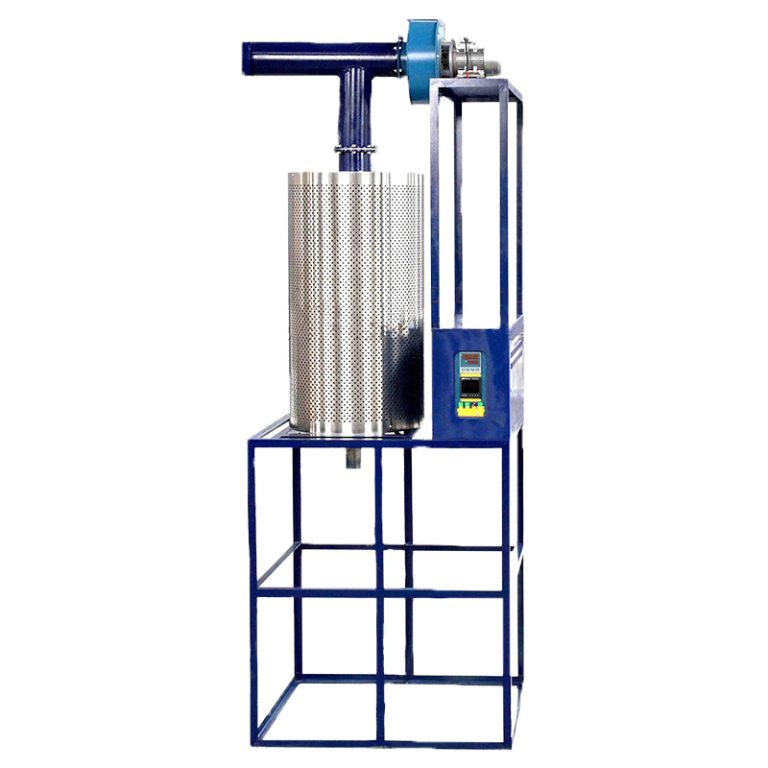
Small VOC Exhaust Gas Purification Furnace
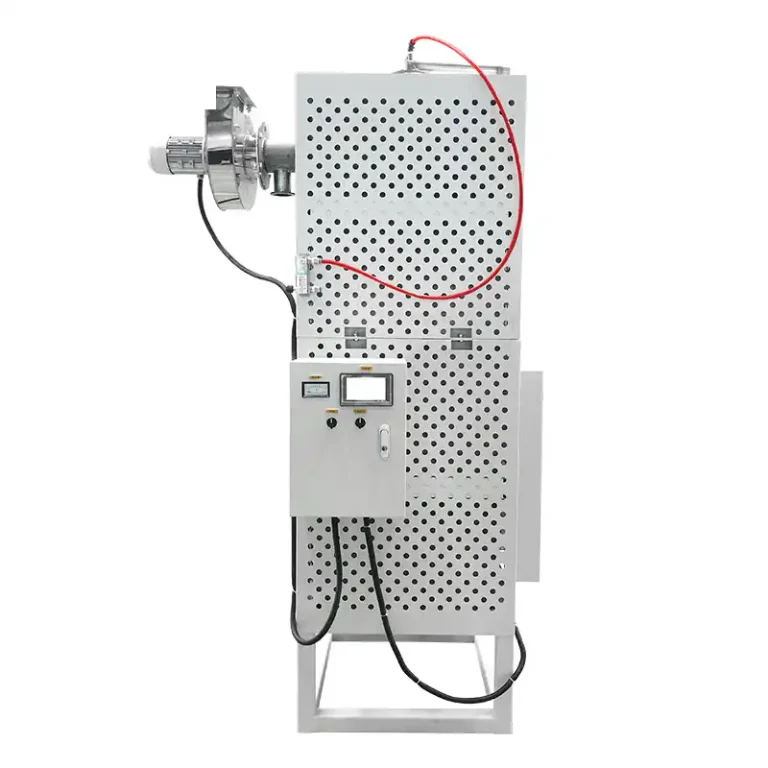
Exhaust Gas Purification Furnace For Voc Treatment
Foirnéise um Íonú Gáis Sceite / Foirnéise Degreasing
An exhaust gas purification furnace / degreasing furnace is a high-temperature treatment device used to treat organic waste gas and volatiles generated during the degreasing process of workpieces. This equipment uses high-temperature oxidation decomposition technology to completely decompose the organic matter in the waste gas into harmless gases, achieving environmentally friendly emissions.
This furnace is widely used in industries such as powder metallurgy, ceramics, and electronic components. During the degreasing and pre-sintering treatment process, it effectively removes binders and organic residues while simultaneously purifying the exhaust gas. As a highly efficient and environmentally friendly industrial furnace, the equipment operates stably and has a high degree of automation, making it an important supporting equipment for modern green manufacturing.
Gnéithe Táirge (Foirnéise um Íonú Gáis Sceite)
- Wide Range of Organic Waste Gas Treatment Capabilities
It can treat almost all waste gases containing organic compounds, exhibiting strong adaptability and suitability for VOCs waste gas treatment in various industries such as ceramics, leictreonaic, printing, and chemicals.
- Wide Concentration Adaptability and High Air Volume Flexibility
It can treat organic waste gases with low air volume and high concentration, offering high flexibility in handling organic waste gas flow rates. It can adapt to changes and fluctuations in the composition and concentration of VOCs in organic waste gases, exhibiting good process stability.
- Strong Resistance to Impurity Interference
It is not sensitive to small amounts of dust and solid particles entrained in the waste gas, requiring no complex pretreatment system, and is easy to operate and maintain.
- High Thermal Efficiency and Significant Energy Savings
It boasts the highest thermal efficiency (≥95%) among all thermal combustion purification methods. Under suitable waste gas concentration conditions, it can achieve self-heating operation without the need for auxiliary fuel, significantly reducing operating costs.
- High Purification Efficiency
It has high purification efficiency; the three-chamber structure achieves a purification efficiency greater than 99%, meeting stringent environmental emission standards.
- Low pressure loss
The entire device has low pressure loss, reducing fan energy consumption and system operating costs.
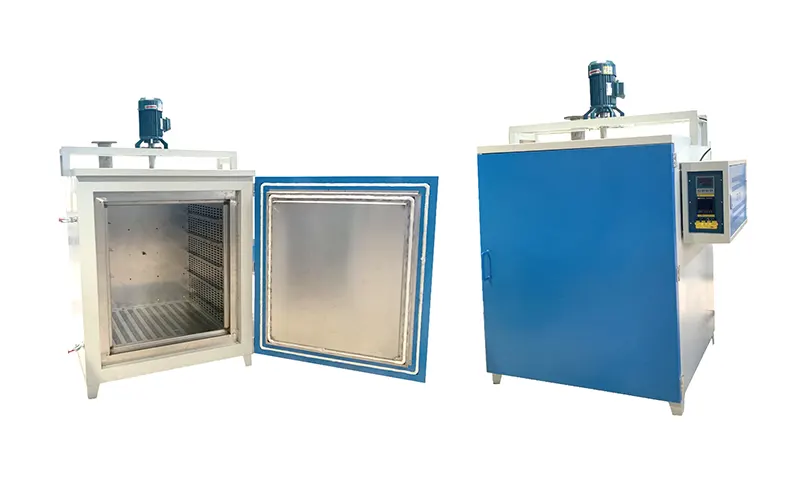
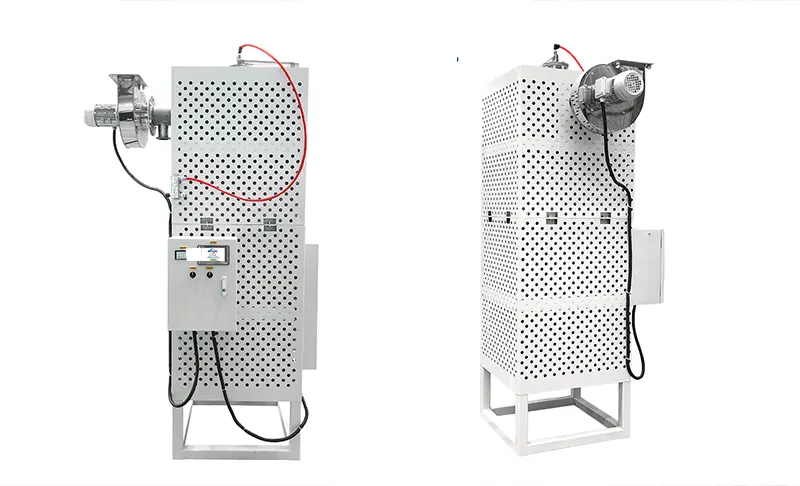
| Waste Gas Usage | Types of organic waste gas: alkanes, alkenes, ketones, ethers, esters, aromatics, benzenes and other hydrocarbons |
| High concentration, small air volume | |
| Waste gas contains multiple organic components or components change frequently | |
| Waste gas containing components that easily deactivate catalysts | |
| Performance Characteristics | Can treat almost all organic waste gases |
| Can treat low flow rate, high concentration organic waste gas | |
| Wide flexibility in waste gas flow handling | |
| Adaptable to VOC composition and concentration fluctuations | |
| Insensitive to small amount of dust or solid particles | |
| Highest thermal efficiency among thermal combustion methods (95%) |
Feidhmchláir (Foirnéise um Íonú Gáis Sceite)
- Ceramics Industry: Suitable for treating organic waste gas generated during the debinding and greasing processes of ceramic blanks, removing VOCs generated from binder decomposition to achieve emission standards.
- Target Materials and Electronic Materials: Suitable for purifying exhaust gas from the debinding and greasing processes in the production of target materials, electronic ceramics, and magnetic materials, meeting high-cleanliness production requirements.
- Printing Industry: Suitable for treating exhaust gas from plastic reverse printing, plastic surface printing, film packaging printing, paper gravure printing, flexographic printing, screen printing, offset printing, letterpress printing, oil printing, pad printing, metal printing, tinplate printing, commercial rotary printing, sheet-fed printing, and other packaging printing processes.
- Drying and Laminating Processes: Suitable for purifying organic waste gas generated during drying, laminating, and cleaning processes, such as the treatment of volatiles from inks, adhesives, coating agents, dampening solutions, and car wash water.
- Chemical Industry: Suitable for treating VOCs-containing waste gas generated during chemical production processes, including solvent recovery and reaction tail gas treatment.
- Adhesives and Coatings: Suitable for purifying organic waste gas generated during the production and use of adhesives and coating agents, meeting environmental emission requirements.
- Electronics and Semiconductors: Suitable for treating organic waste gas generated during the cleaning of electronic components and semiconductor manufacturing processes, ensuring a clean production environment.
- Automotive and Machinery Manufacturing: Suitable for treating organic waste gas generated during processes such as spraying, drying, and cleaning, reducing VOC emissions.
- Packaging and Printing: Suitable for treating waste gas from processes such as lamination, coating, and printing in the packaging and printing industry, meeting industry environmental standards.
- New Energy Materials: Suitable for purifying waste gas from adhesive removal and degreasing processes in the production of lithium battery materials and photovoltaic materials, ensuring product purity and environmentally friendly production.
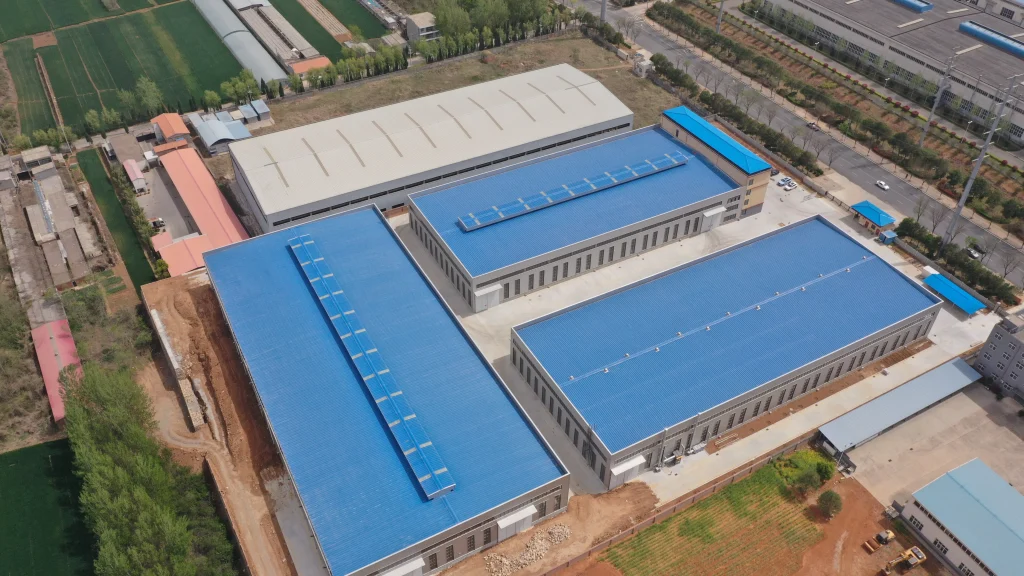
Próifíl na Cuideachta
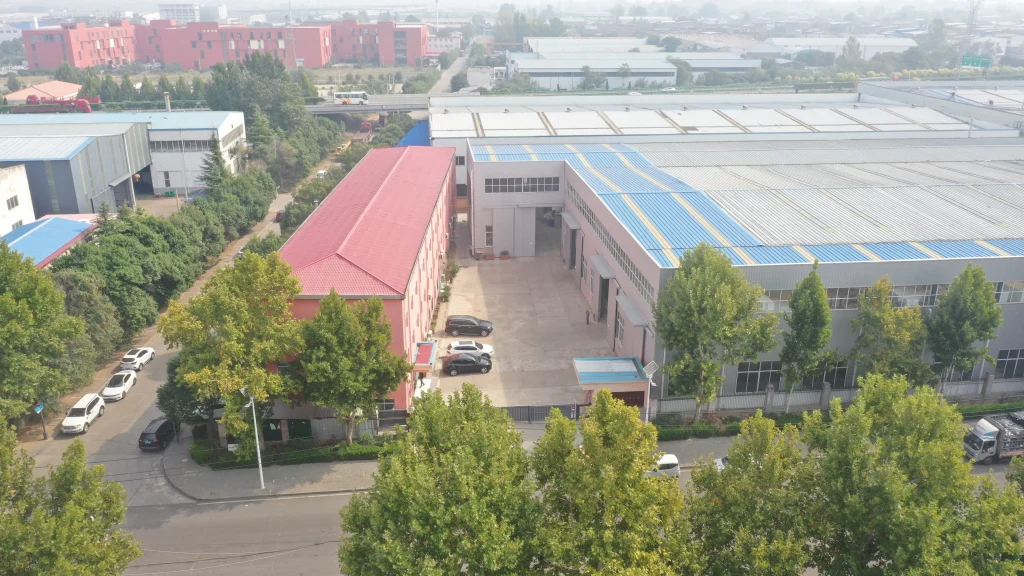
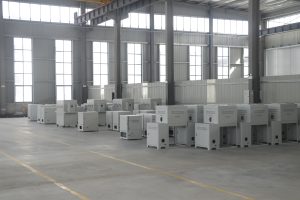
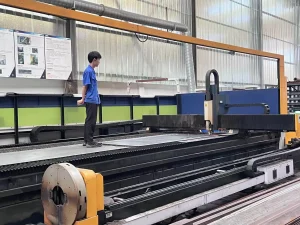
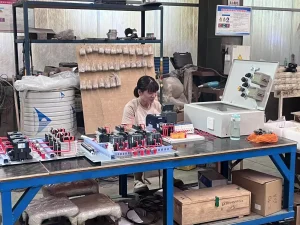
Is fiontar gairmiúil atá ag speisialú i seirbhísí teicneolaíochta cóireála teasa agus an R&D, déantúsaíocht, agus díolachán foirnéisí leictreacha ardteochta.
Díríonn an chuideachta ar fhoirnéisí leictreacha ardteochta a fhorbairt a chlúdaíonn raon teochta iomlán de -100 ℃ go 2600 ℃. Áirítear ar a chuid táirgí foirnéisí leictreacha turgnamhacha, foirnéisí atmaisféar bhfolús, áitheanna tionsclaíochta, agus trealamh téimh ionduchtaithe meánmhinicíochta. I measc na dtáirgí is mó tá foirnéisí bosca, foirnéisí feadán, foirnéisí ardaithe, áitheanna pusher, foirnéisí bogie, áitheanna rothlacha, áitheanna tolláin, agus foirnéisí meán-minicíochta speisialaithe éagsúla.
Cloíonn an chuideachta le nuálaíocht theicneolaíoch agus tá deimhnithe ISO9001 agus CE an AE faighte aici. Is leis 21 trádmharcanna cláraithe, 29 paitinní, agus 27 cóipchearta bogearraí.
Modhanna Íocaíochta
TT
Modhanna Loingsiú
Tá an foirnéis bun-luchtaithe leictreach pacáistithe i dtrí shraith: fillte ar dtús i páipéar cúr, fillte ansin i scannán plaisteach, agus ar deireadh pacáilte i gcliabhán adhmaid
Ceisteanna Coitianta (CCanna)
- What is the exhaust gas purification furnace used for?
It treats waste gas containing volatile organic compounds (VOCs), purifying it to meet emission standards.
- Is it adaptable to fluctuations in waste gas concentration?
Tá. It can adapt to fluctuations in VOC composition and concentration.
- Is its thermal efficiency high?
Tá. It has the highest thermal efficiency among all thermal combustion purification methods, reaching up to 95%.
- What are the requirements for waste gas concentration and air volume?
It is suitable for treating organic waste gas with low air volume but high concentration. It is highly adaptable to fluctuations in waste gas flow rate and VOC composition and concentration, offering great flexibility.
- Will a small amount of dust or solid particles in the waste gas affect the equipment?
Níl. The equipment has good tolerance to small amounts of dust and solid particles entrained in the waste gas, requiring no strict pre-dust removal.