


Luoyang Anjing Intelligence Equipment est un leader mondial des fours électriques à haute température



Four de purification des gaz d'échappement / Four de dégraissage
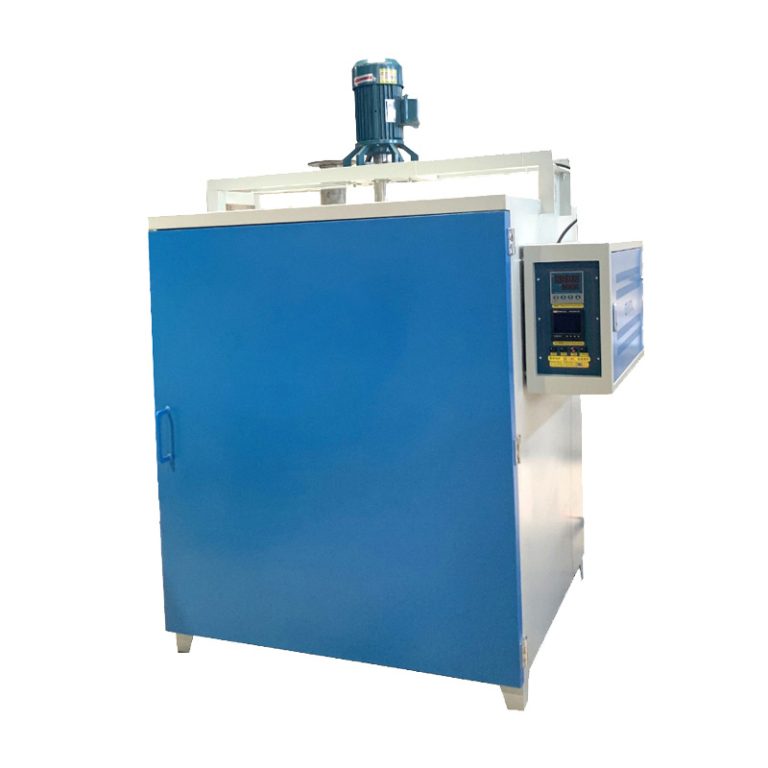
Reliable Dewaxing and Degreasing Furnace for Powder Metallurgy and Ceramic Components
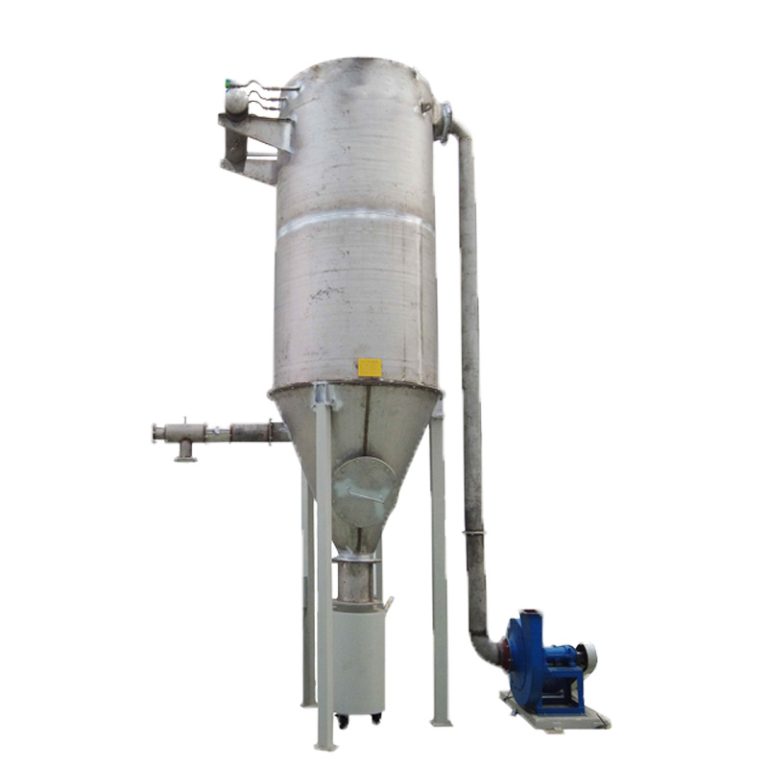
High-Temperature Dust Collection and Filtration System for Industrial Furnaces
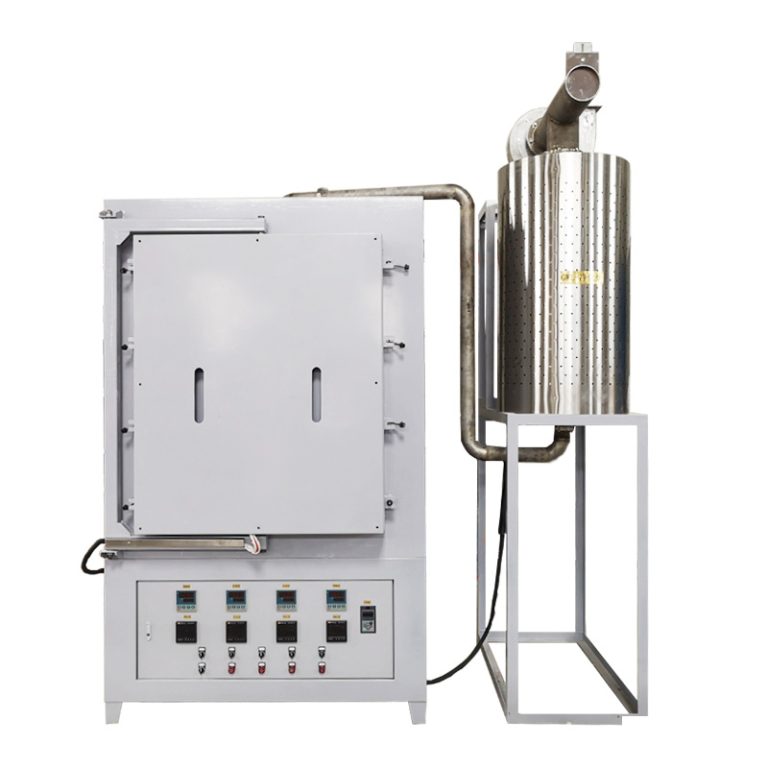
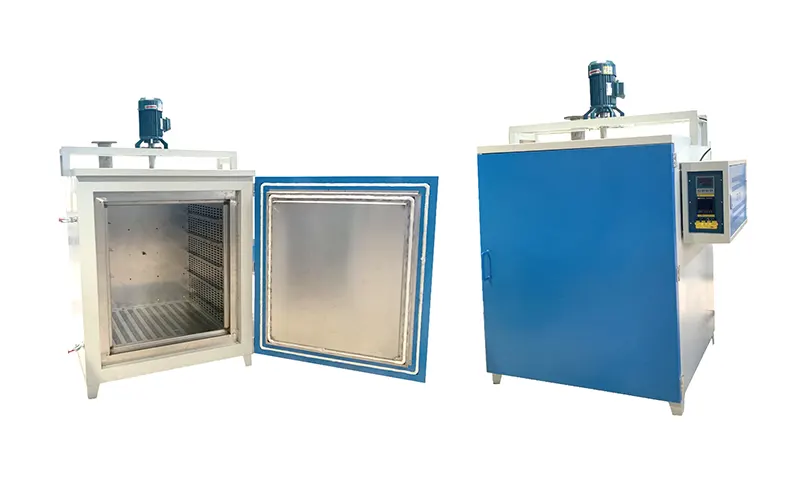
Degreasing Exhaust Gas Purification Furnace
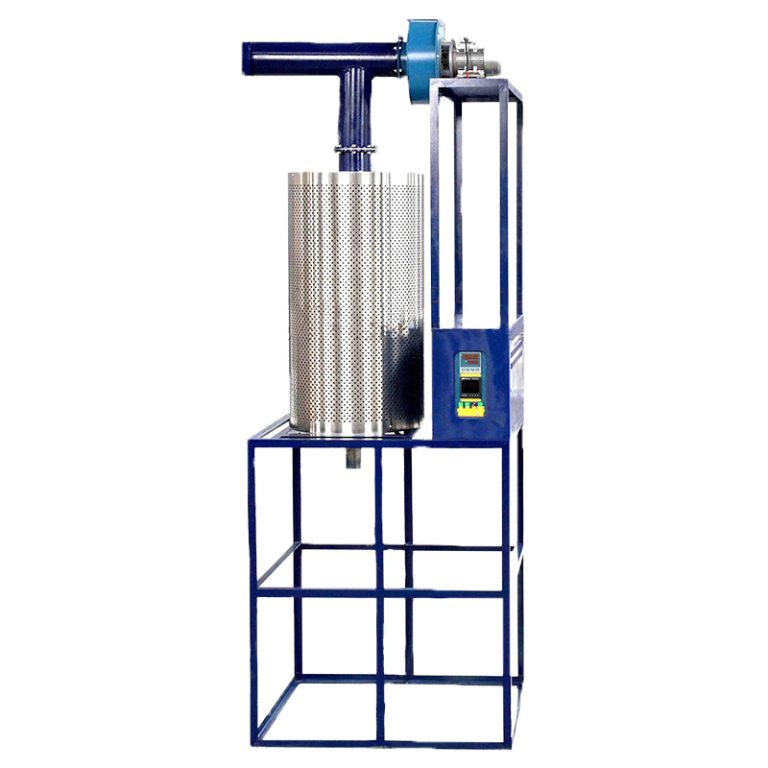
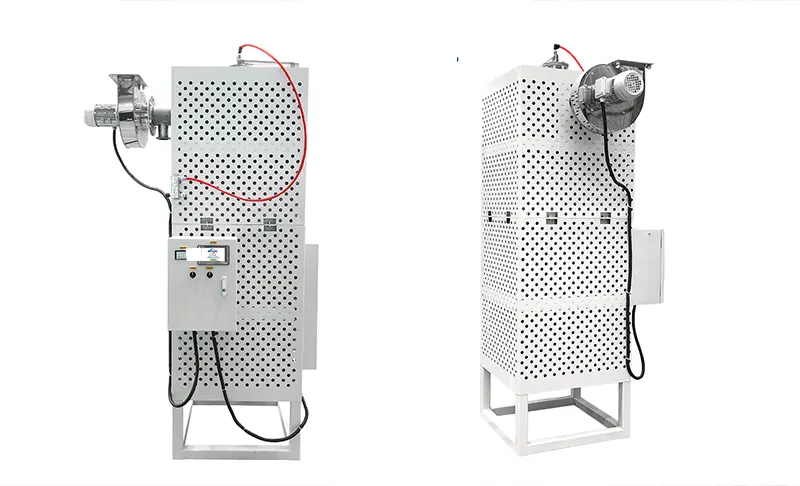
Small VOC Exhaust Gas Purification Furnace
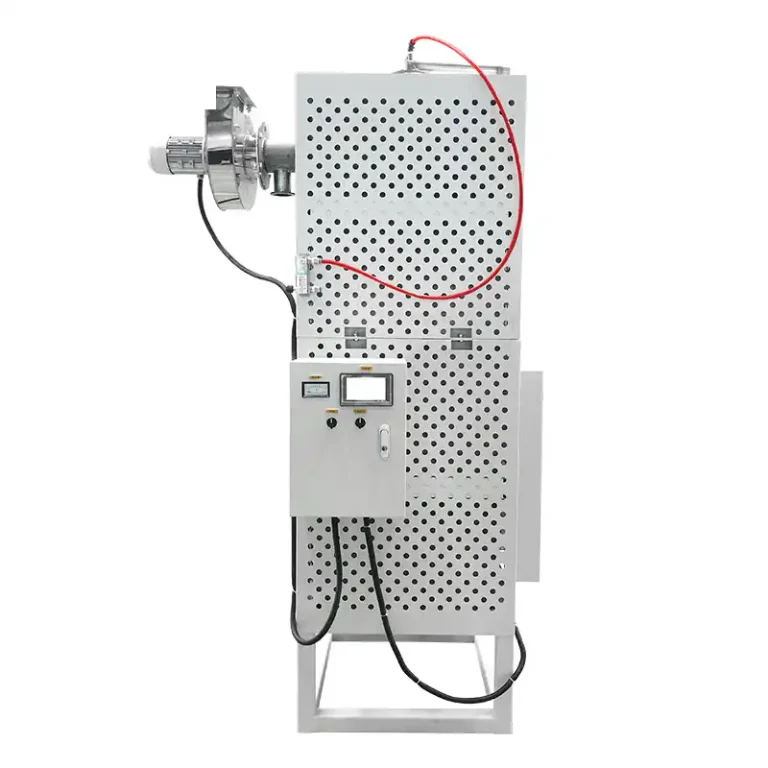
Four de purification des gaz d'échappement pour le traitement des COV
Four de purification des gaz d'échappement / Four de dégraissage
An exhaust gas purification furnace / degreasing furnace is a high-temperature treatment device used to treat organic waste gas and volatiles generated during the degreasing process of workpieces. This equipment uses high-temperature oxidation decomposition technology to completely decompose the organic matter in the waste gas into harmless gases, achieving environmentally friendly emissions.
This furnace is widely used in industries such as powder metallurgy, ceramics, et composants électroniques. During the degreasing and pre-sintering treatment process, it effectively removes binders and organic residues while simultaneously purifying the exhaust gas. As a highly efficient and environmentally friendly industrial furnace, the equipment operates stably and has a high degree of automation, making it an important supporting equipment for modern green manufacturing.
Caractéristiques du produit (Four de purification des gaz d'échappement)
- Wide Range of Organic Waste Gas Treatment Capabilities
It can treat almost all waste gases containing organic compounds, exhibiting strong adaptability and suitability for VOCs waste gas treatment in various industries such as ceramics, electronics, printing, and chemicals.
- Wide Concentration Adaptability and High Air Volume Flexibility
It can treat organic waste gases with low air volume and high concentration, offering high flexibility in handling organic waste gas flow rates. It can adapt to changes and fluctuations in the composition and concentration of VOCs in organic waste gases, exhibiting good process stability.
- Strong Resistance to Impurity Interference
It is not sensitive to small amounts of dust and solid particles entrained in the waste gas, requiring no complex pretreatment system, and is easy to operate and maintain.
- High Thermal Efficiency and Significant Energy Savings
It boasts the highest thermal efficiency (≥95%) among all thermal combustion purification methods. Under suitable waste gas concentration conditions, it can achieve self-heating operation without the need for auxiliary fuel, significantly reducing operating costs.
- High Purification Efficiency
It has high purification efficiency; the three-chamber structure achieves a purification efficiency greater than 99%, meeting stringent environmental emission standards.
- Low pressure loss
The entire device has low pressure loss, reducing fan energy consumption and system operating costs.
| Waste Gas Usage | Types of organic waste gas: alkanes, alkenes, ketones, ethers, esters, aromatics, benzenes and other hydrocarbons |
| High concentration, small air volume | |
| Waste gas contains multiple organic components or components change frequently | |
| Waste gas containing components that easily deactivate catalysts | |
| Performance Characteristics | Can treat almost all organic waste gases |
| Can treat low flow rate, high concentration organic waste gas | |
| Wide flexibility in waste gas flow handling | |
| Adaptable to VOC composition and concentration fluctuations | |
| Insensitive to small amount of dust or solid particles | |
| Highest thermal efficiency among thermal combustion methods (95%) |
Applications (Four de purification des gaz d'échappement)
- Ceramics Industry: Suitable for treating organic waste gas generated during the debinding and greasing processes of ceramic blanks, removing VOCs generated from binder decomposition to achieve emission standards.
- Target Materials and Electronic Materials: Suitable for purifying exhaust gas from the debinding and greasing processes in the production of target materials, electronic ceramics, and magnetic materials, meeting high-cleanliness production requirements.
- Printing Industry: Suitable for treating exhaust gas from plastic reverse printing, plastic surface printing, film packaging printing, paper gravure printing, flexographic printing, screen printing, offset printing, letterpress printing, oil printing, pad printing, metal printing, tinplate printing, commercial rotary printing, sheet-fed printing, and other packaging printing processes.
- Drying and Laminating Processes: Suitable for purifying organic waste gas generated during drying, laminating, and cleaning processes, such as the treatment of volatiles from inks, adhesives, coating agents, dampening solutions, and car wash water.
- Chemical Industry: Suitable for treating VOCs-containing waste gas generated during chemical production processes, including solvent recovery and reaction tail gas treatment.
- Adhesives and Coatings: Suitable for purifying organic waste gas generated during the production and use of adhesives and coating agents, meeting environmental emission requirements.
- Electronics and Semiconductors: Suitable for treating organic waste gas generated during the cleaning of electronic components and semiconductor manufacturing processes, ensuring a clean production environment.
- Automotive and Machinery Manufacturing: Suitable for treating organic waste gas generated during processes such as spraying, drying, and cleaning, reducing VOC emissions.
- Packaging and Printing: Suitable for treating waste gas from processes such as lamination, coating, and printing in the packaging and printing industry, meeting industry environmental standards.
- New Energy Materials: Suitable for purifying waste gas from adhesive removal and degreasing processes in the production of lithium battery materials and photovoltaic materials, ensuring product purity and environmentally friendly production.
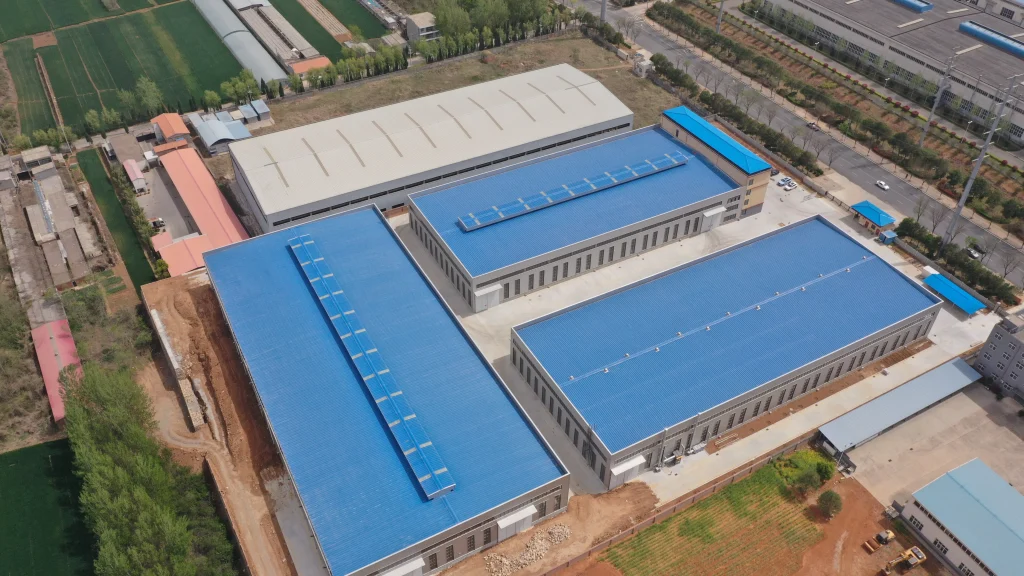
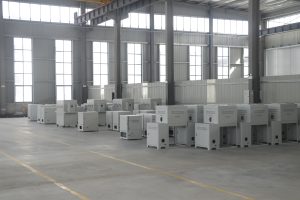
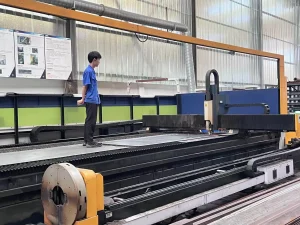
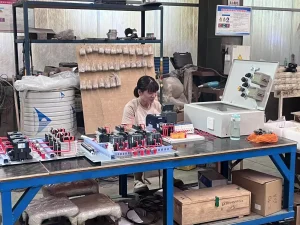
Profil de l'entreprise
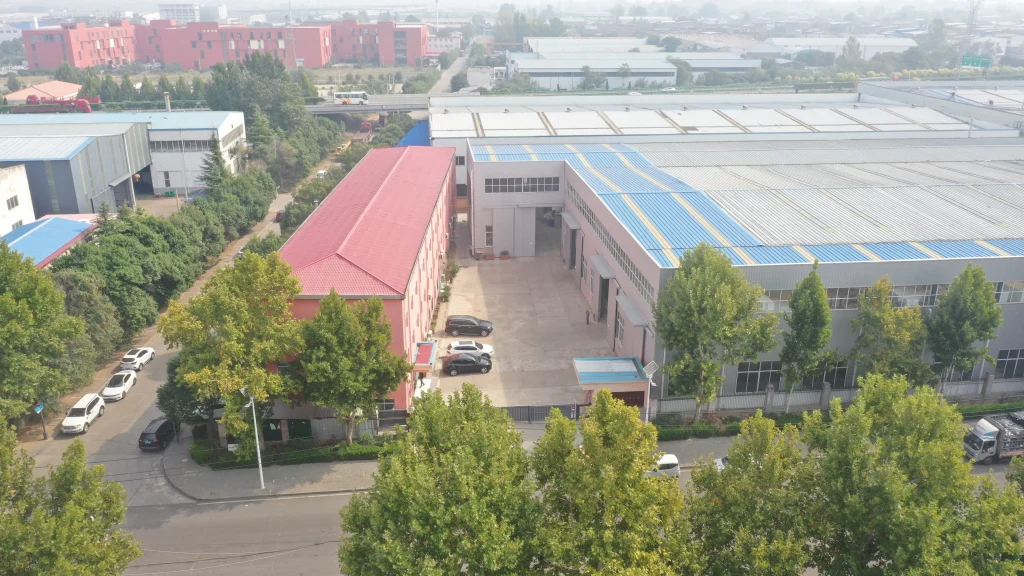
Une entreprise professionnelle spécialisée dans les services de technologie de traitement thermique et le R&D, fabrication, et vente de fours électriques haute température.
La société se concentre sur le développement de fours électriques à haute température couvrant une plage de températures complète de -100 ℃ à 2 600 ℃.. Ses produits comprennent des fours électriques expérimentaux, fours à atmosphère sous vide, fours industriels, et équipements de chauffage par induction à moyenne fréquence. Les principaux produits comprennent des fours à caissons, fours tubulaires, fours de levage, fours pousseurs, fours à bogies, fours rotatifs, fours tunnel, et divers fours spécialisés moyenne fréquence.
L'entreprise adhère à l'innovation technologique et a passé les certifications ISO9001 et CE de l'UE.. Il possède 21 marques déposées, 29 brevets, et 27 droits d'auteur sur les logiciels.
Méthodes de paiement
TT
Méthodes d'expédition
Le four électrique à chargement par le bas est emballé en trois couches: d'abord enveloppé dans du papier mousse, puis enveloppé dans un film plastique, et enfin emballé dans une caisse en bois
Foire aux questions (FAQ)
- What is the exhaust gas purification furnace used for?
It treats waste gas containing volatile organic compounds (VOCs), purifying it to meet emission standards.
- Is it adaptable to fluctuations in waste gas concentration?
Oui. It can adapt to fluctuations in VOC composition and concentration.
- Is its thermal efficiency high?
Oui. It has the highest thermal efficiency among all thermal combustion purification methods, reaching up to 95%.
- What are the requirements for waste gas concentration and air volume?
It is suitable for treating organic waste gas with low air volume but high concentration. It is highly adaptable to fluctuations in waste gas flow rate and VOC composition and concentration, offering great flexibility.
- Will a small amount of dust or solid particles in the waste gas affect the equipment?
Non. The equipment has good tolerance to small amounts of dust and solid particles entrained in the waste gas, requiring no strict pre-dust removal.