


Luoyang Anjing Intelligence Equipment est un leader mondial des fours électriques à haute température



Four à chargement par le bas à haute atmosphère
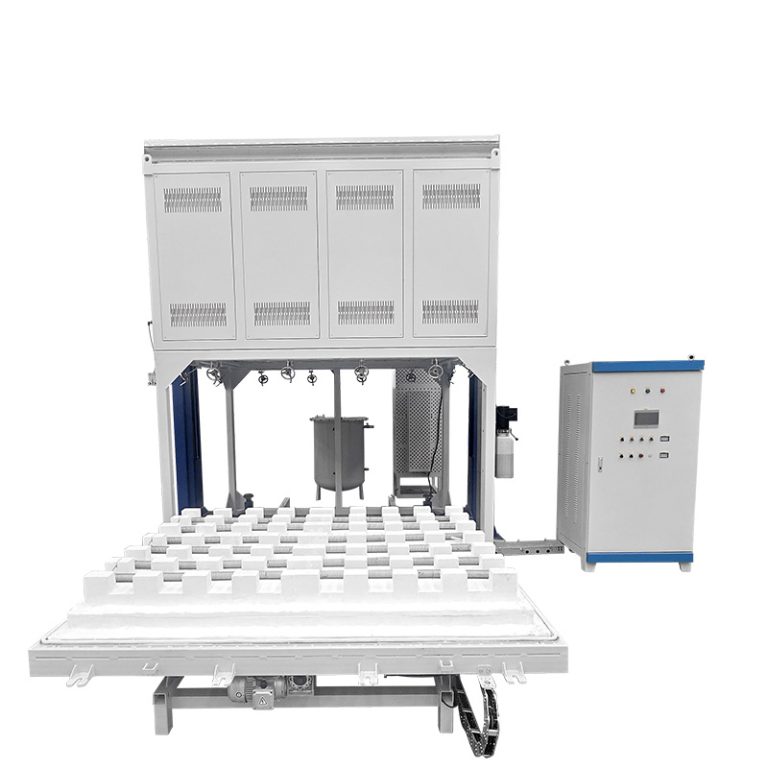
Reliable 1100°C Vacuum Atmosphere Lifting Furnace with Dust Filtration and VOC Exhaust Gas Purification
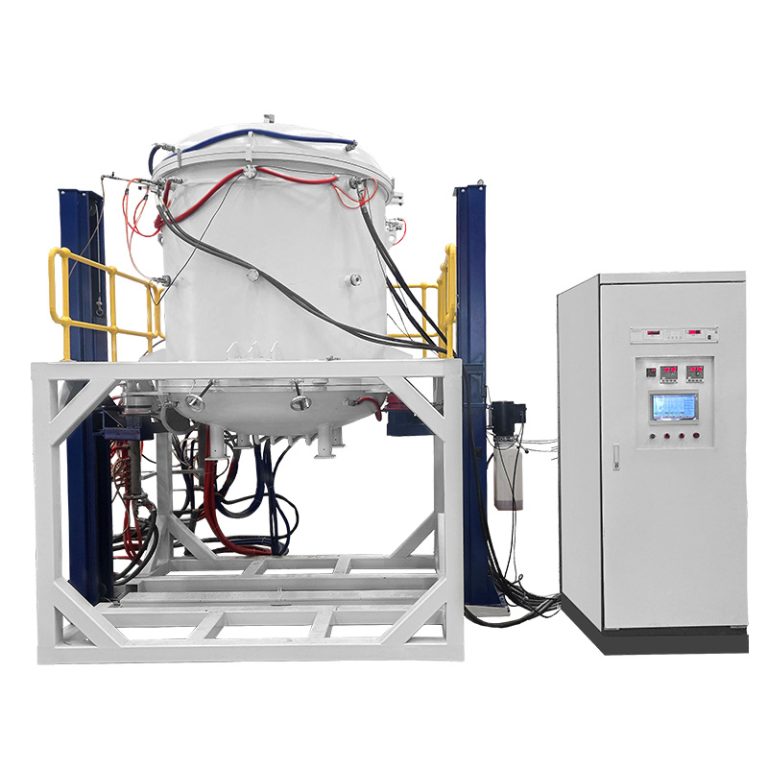
Reliable 1800°C Vacuum Annealing Furnace for Advanced Materials Research
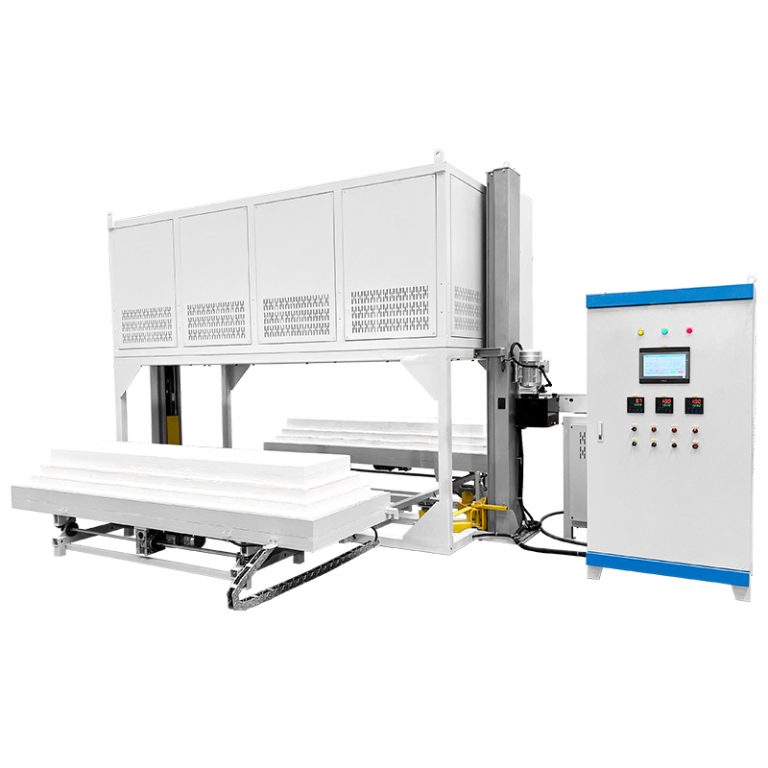
1700℃ Dual-Platform Lifting Industrial Furnace
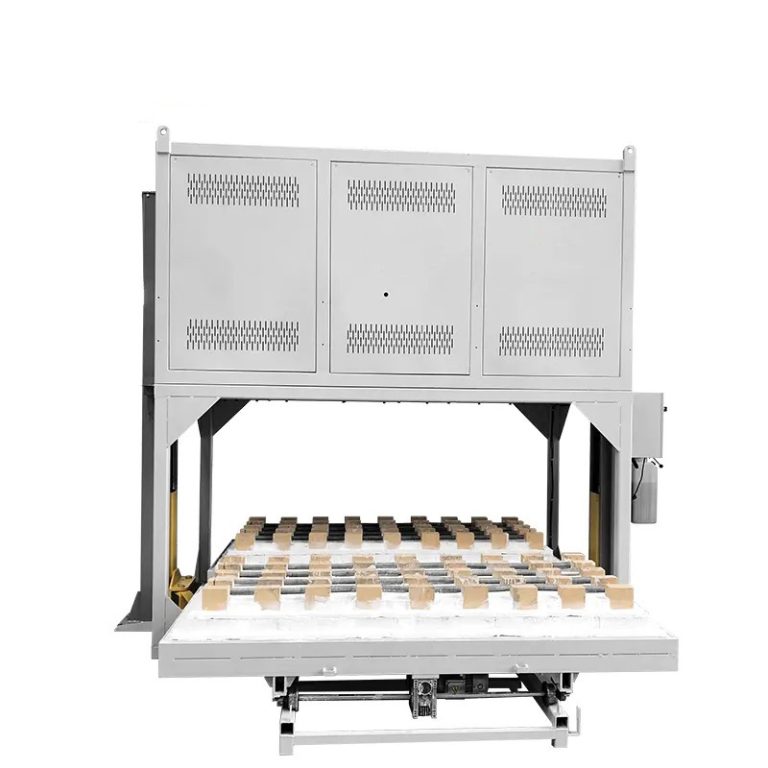
1200°C Corrosion-Resistant Double-Burning Platform Lifting Furnace
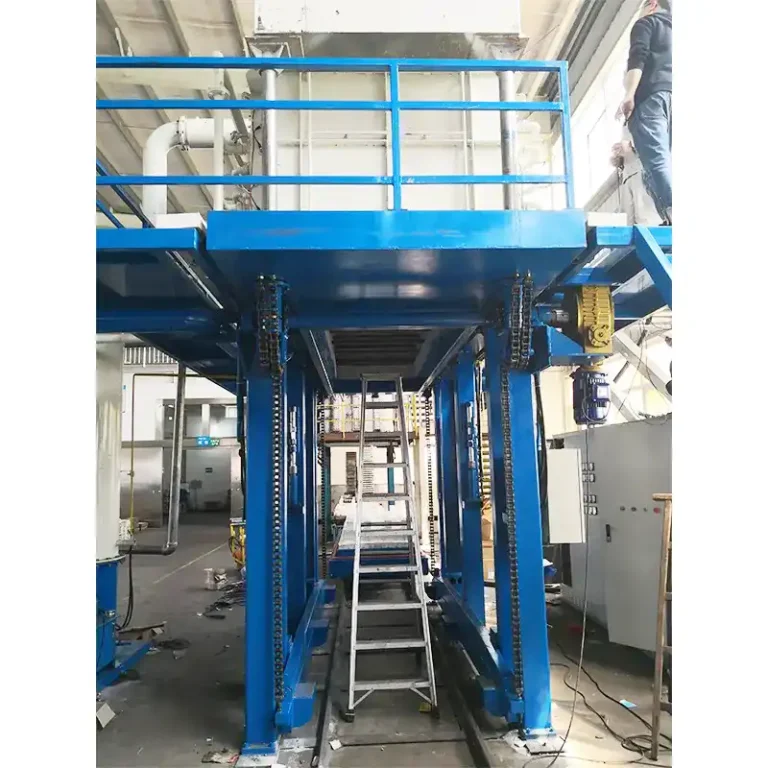
Vacuum Atmosphere Lifting Furnace for Magnetic Materials
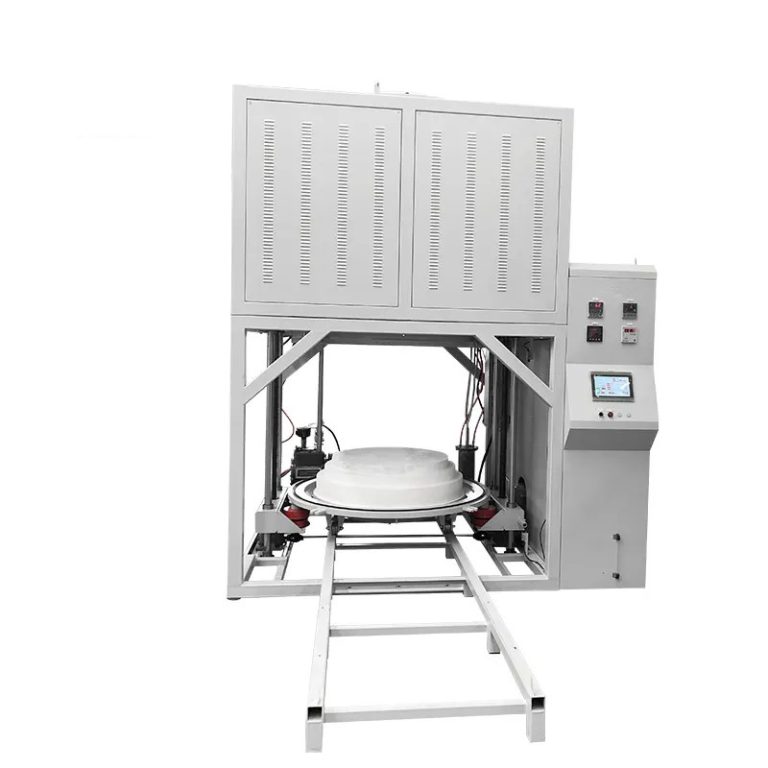
1700°C Tungsten Rod Heated Hydrogen Furnace
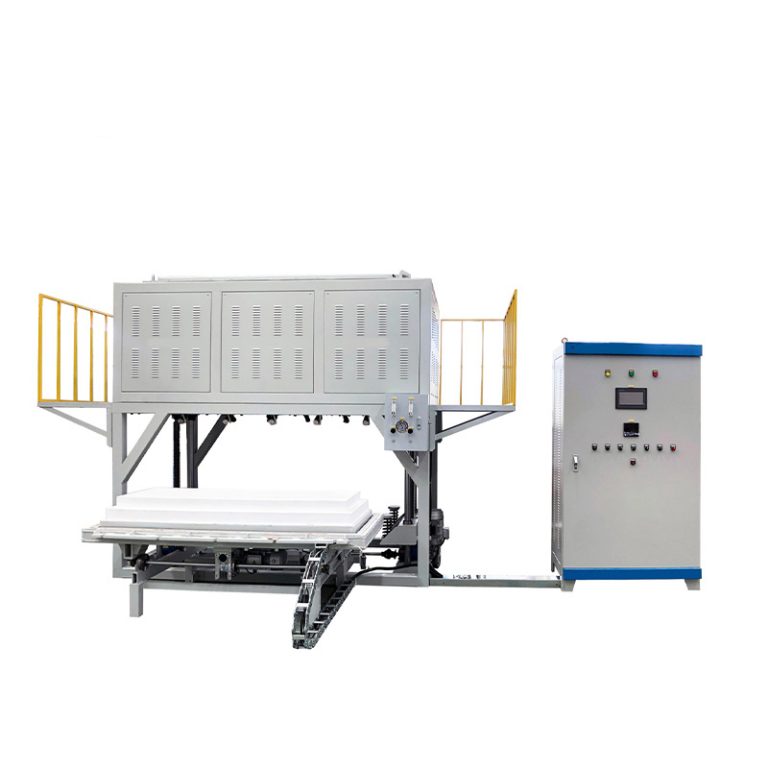
1600℃ Vacuum Atmosphere Lifting Furnace
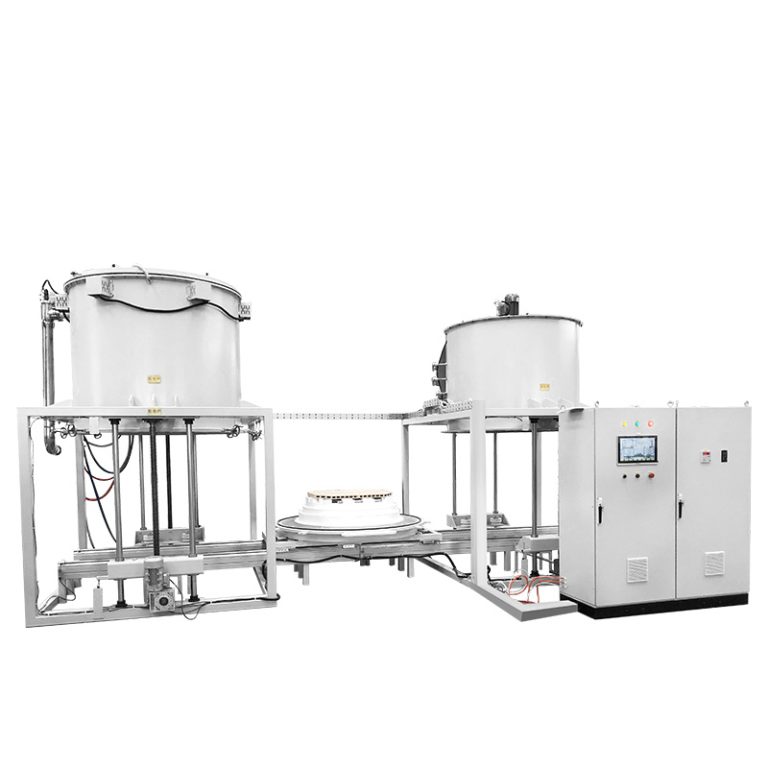
Integrated Lifting Furnace For Glue Removal And Light Firing
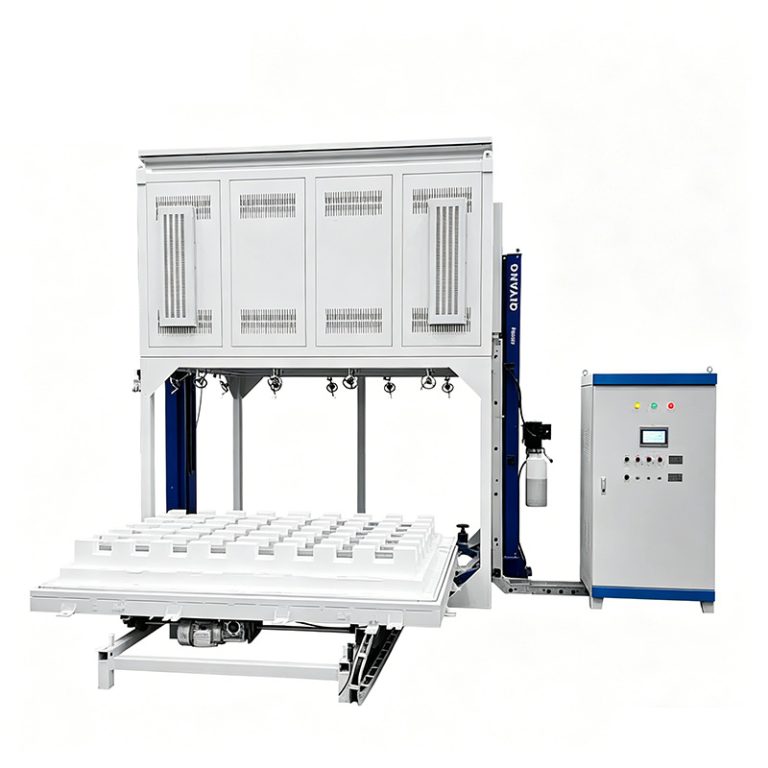
1000°C Atmosphere-Controlled Lifting Electric Furnace for Laboratory Use
Advantages of High Atmosphere Bottom-Loading Furnace
The High Atmosphere Bottom-Loading Furnace features a fixed furnace lid and a bottom lifting platform structure, minimizing the number of sealing surfaces and making it easier to maintain a stable vacuum or inert atmosphere. Samples are loaded from the bottom to avoid burns from repeated high-temperature operations. The vertically symmetrical structure ensures uniform temperature distribution within the furnace, making it suitable for sintering processes and the handling of temperature-sensitive materials. It can be easily integrated with glove boxes or atmosphere systems, expanding into high-end application scenarios.
Caractéristiques du produit (Four à chargement par le bas à haute atmosphère)
- Superior Sealing Performance and Stable Atmosphere Maintenance
This bottom-loading furnace employs a fixed furnace lid and bottom lifting platform structure, reducing the number of sealing surfaces. The bottom lifting structure, with the sealing ring located at the fixed furnace lid, avoids direct contact with high-temperature materials, resulting in a longer service life and maintaining excellent sealing performance even after long-term use.
- Safer High-Temperature Loading
Samples are loaded and unloaded from the bottom of the furnace, eliminating the need for operators to put their hands into the high-temperature furnace chamber, thus avoiding direct contact with the high-temperature area and reducing the risk of burns.
- Improved Temperature Uniformity
The vertically symmetrical structure of this equipment ensures more uniform heat distribution. Combined with multi-faceted heating, the temperature field distribution within the furnace chamber is optimized, making it particularly suitable for sintering processes or the processing of temperature-sensitive materials.
- Vacuum and Atmosphere System
Equipped with a high-precision vacuum gauge and gas flow meter, the vacuum level can be customized to meet specific requirements. It can be purged with inert gases (nitrogen, argon) or reducing gases (hydrogen, carbon monoxide, etc.) to meet the needs of various processes such as vacuum sintering, atmosphere-protected sintering, and reduction sintering.
- Contrôle programmable
Microcomputer program control with programmable curves enables fully automatic heating/holding/cooling. It features 30 or 50-segment programmable control, allowing for arbitrary slope heating and cooling control. Programmable commands include jump (boucle), courir, pause, et arrête. Temperature control parameters and the program can be modified during operation, offering flexibility and convenience.
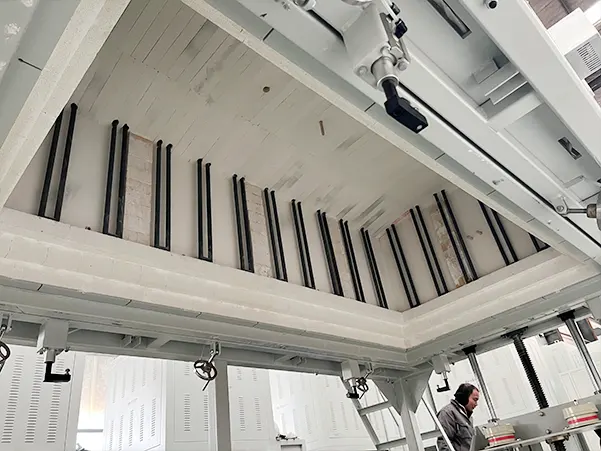
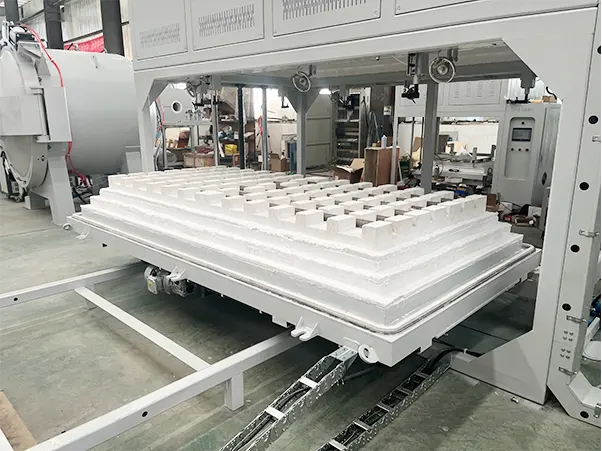
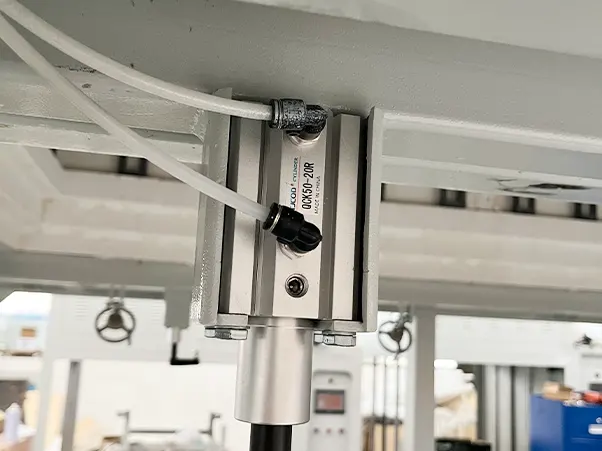
| Nom | Specification Model | Dimensions de la chambre (L×W×H, mm) | Dimensions hors tout (L×W×H, mm) | Voltage (AC V) | Pouvoir (kW) | Poids (kilos) |
| Vacuum Atmosphere Box Furnace | AJ-200/150/150 | 200×150×150 | 700×650×1500 | 380 | 5 | 360 |
| AJ-300/200/200 | 300×200×200 | 800×750×1550 | 380 | 12 | 520 | |
| AJ-400/200/200 | 400×200×200 | 900×750×1550 | 380 | 13 | 550 | |
| AJ-500/300/200 | 500×300×200 | 1000×850×1550 | 380 | 15 | 620 | |
| AJ500/300/300 | 500×300×300 | 1000×850×1650 | 380 | 18 | 750 | |
| AJ-600/400/400 | 600×400×400 | 1150×1000×1800 | 380 | 24 | 900 | |
| AJ-800/500/500 | 800×500×500 | 1700×1700×1900 | 380 | 35 | 1150 | |
| AJ-1000/700/600 | 1000×700×600 | 1700×1500×2000 | 380 | 55 | 1800 |
Domaines d'application (Four à chargement par le bas à haute atmosphère)
- High-end Ceramic Sintering: Suitable for vacuum or atmosphere sintering of high-performance ceramics such as alumina, oxyde de zirconium, nitrure de silicium, et carbure de silicium.
- Métallurgie des poudres: Suitable for vacuum or atmosphere sintering of metal powders and alloy powders.
- Hard Alloys: Suitable for vacuum sintering of tungsten carbide-based hard alloys.
- Lithium-ion Battery Materials: Suitable for sintering and heat treatment of positive and negative electrode materials for lithium-ion batteries.
- Rare Earth Materials: Suitable for vacuum or atmosphere sintering of air-sensitive materials such as rare earth permanent magnet materials and rare earth luminescent materials.
- Nouveau matériau R&D: Suitable for the R&D and pilot production of new materials such as special ceramics, composite materials, and nanomaterials.
- Universities and Research Institutes: Experimental teaching and research projects in materials science and engineering, metallurgical engineering, powder metallurgy, and new energy materials.
- Pilot-scale Production: Suitable for pilot production of small batches of high-value-added products.
Profil de l'entreprise
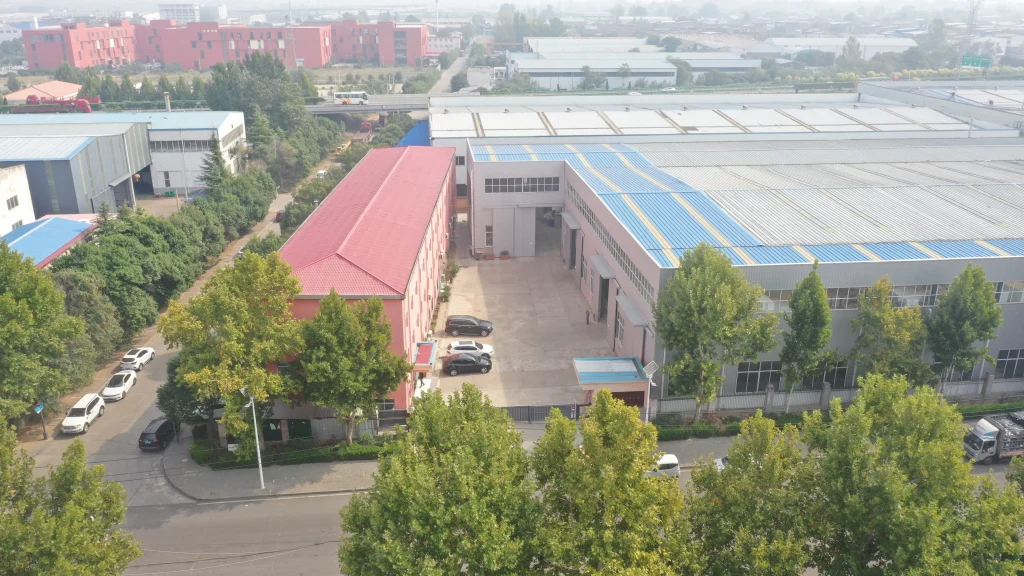
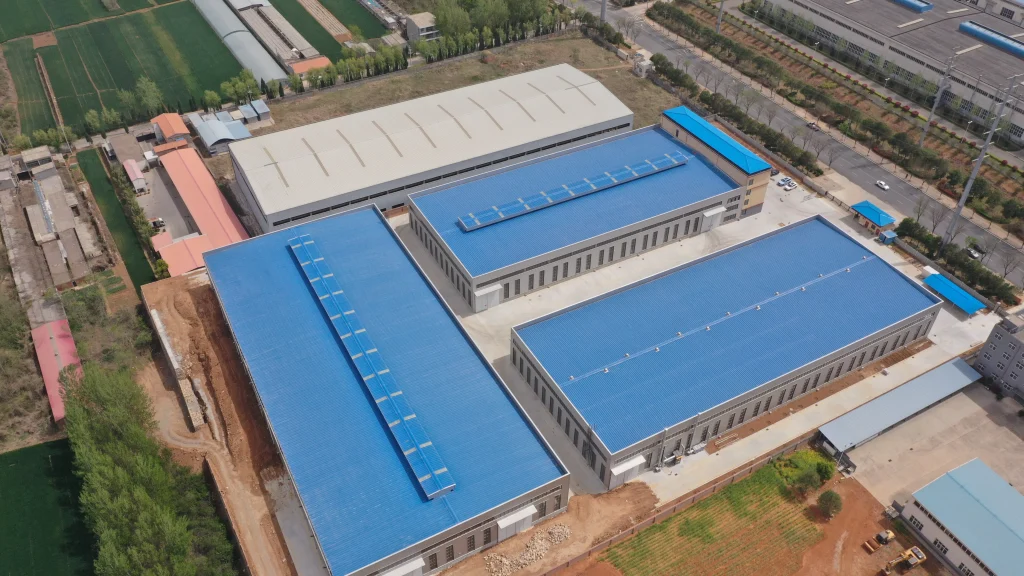
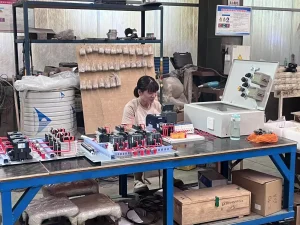
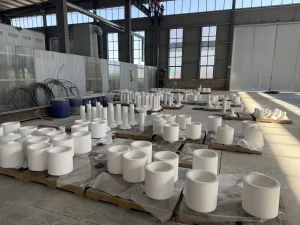
Une entreprise professionnelle spécialisée dans les services de technologie de traitement thermique et le R&D, fabrication, et vente de fours électriques haute température.
La société se concentre sur le développement de fours électriques à haute température couvrant une plage de températures complète de -100 ℃ à 2 600 ℃.. Ses produits comprennent des fours électriques expérimentaux, fours à atmosphère sous vide, fours industriels, et équipements de chauffage par induction à moyenne fréquence. Les principaux produits comprennent des fours à caissons, fours tubulaires, fours de levage, fours pousseurs, fours à bogies, fours rotatifs, fours tunnel, et divers fours spécialisés moyenne fréquence.
L'entreprise adhère à l'innovation technologique et a passé les certifications ISO9001 et CE de l'UE.. Il possède 21 marques déposées, 29 brevets, et 27 droits d'auteur sur les logiciels.
Méthodes de paiement
TT
Méthodes d'expédition
Le four électrique à chargement par le bas est emballé en trois couches: d'abord enveloppé dans du papier mousse, puis enveloppé dans un film plastique, et enfin emballé dans une caisse en bois.
High Atmosphere Bottom-Loading Furnace Frequently Asked Questions (FAQ)
- What is a bottom-loading furnace?
Samples are loaded from the bottom of the furnace body, and a bottom lifting platform delivers the sample into the furnace chamber.
- Comment est la performance d’étanchéité?
Excellent. Fixed furnace lid + bottom lifting design minimizes the sealing surface and ensures strong vacuum retention.
- How is it better than a box furnace?
Better sealing, safer loading, and more uniform temperature.
- What scenarios is it suitable for?
Suitable for material processing scenarios where high uniformity of atmosphere and temperature is required.
- What vacuum level can it achieve?
Customizable, configured according to process requirements.