


Luoyang Anjing Intelligence Equipment ist ein weltweit führender Anbieter von Hochtemperatur-Elektroöfen



Hochatmosphären-Bodenladeofen
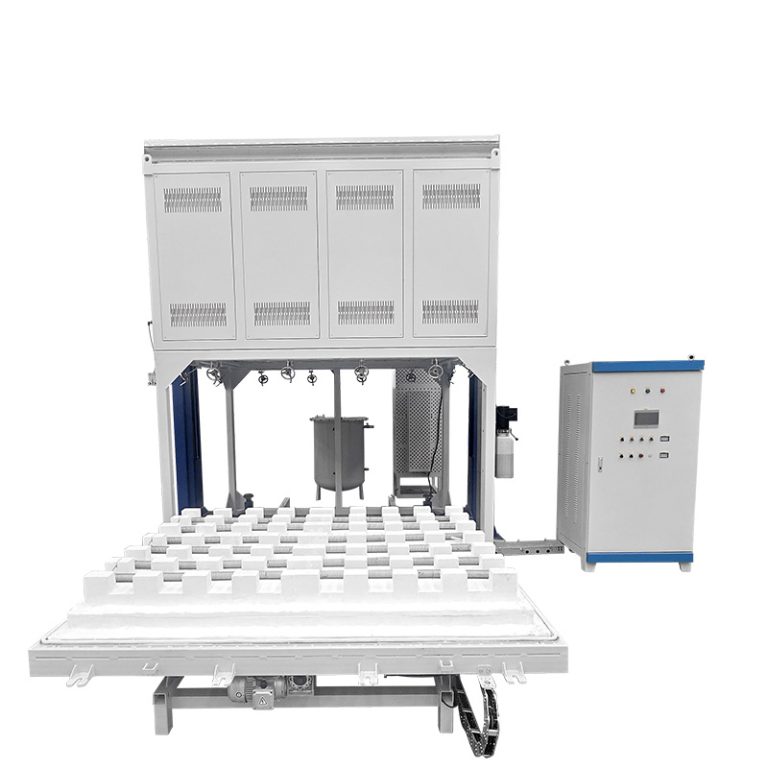
Reliable 1100°C Vacuum Atmosphere Lifting Furnace with Dust Filtration and VOC Exhaust Gas Purification
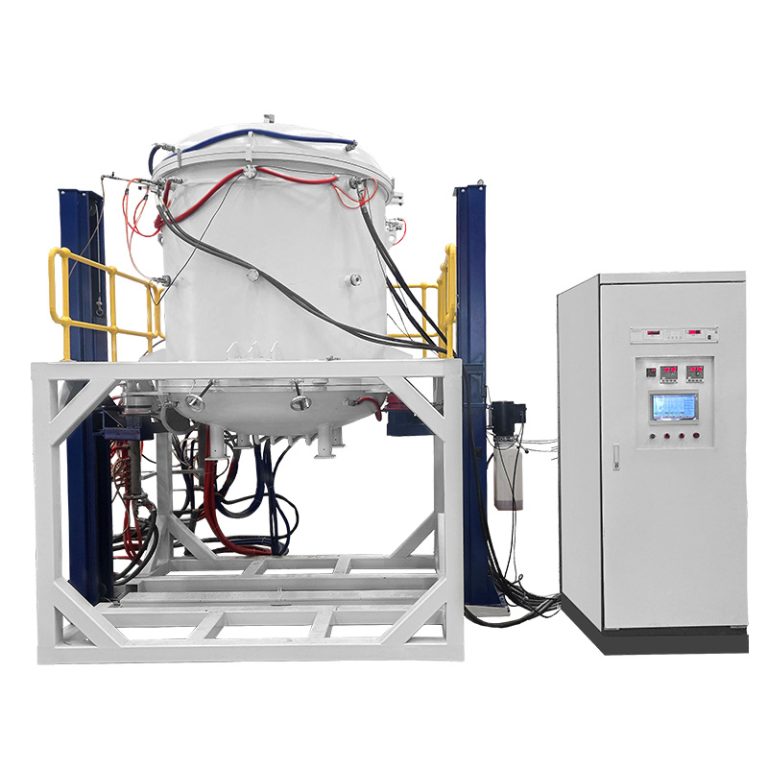
Zuverlässiger 1800°C-Vakuumglühofen für die fortschrittliche Materialforschung
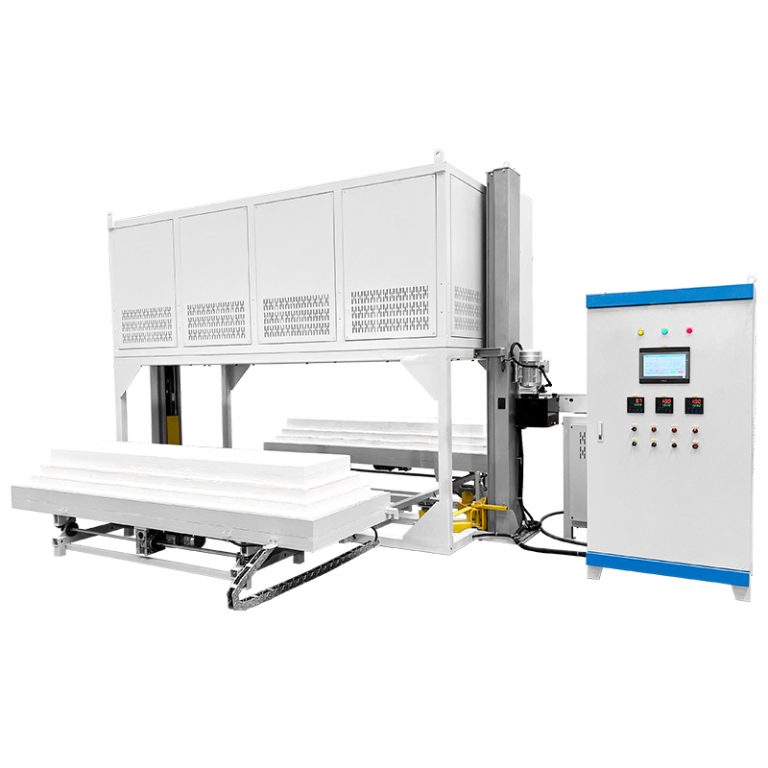
1700℃ Doppelplattform-Hebe-Industrieofen
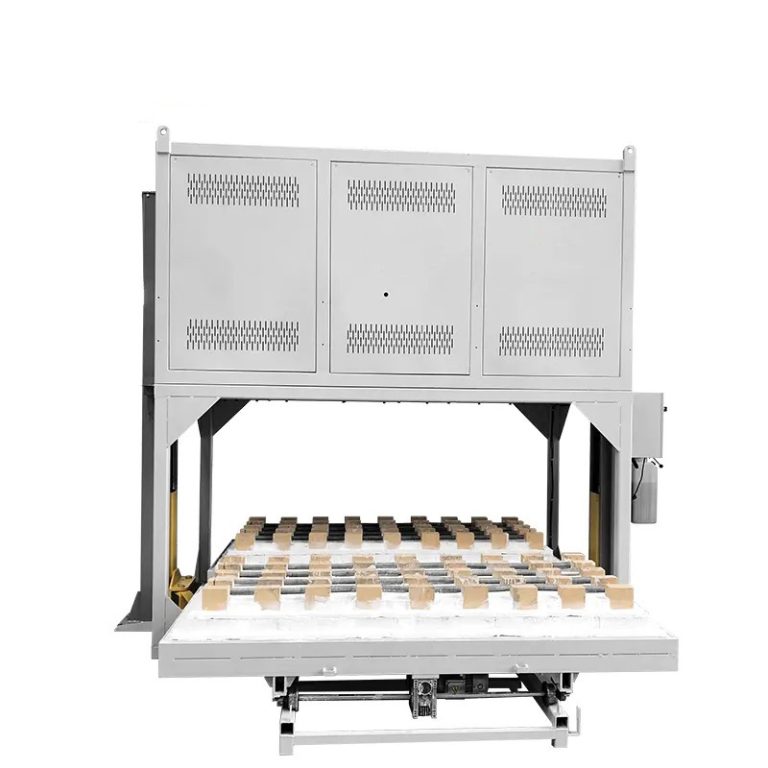
1200°C Corrosion-Resistant Double-Burning Platform Lifting Furnace
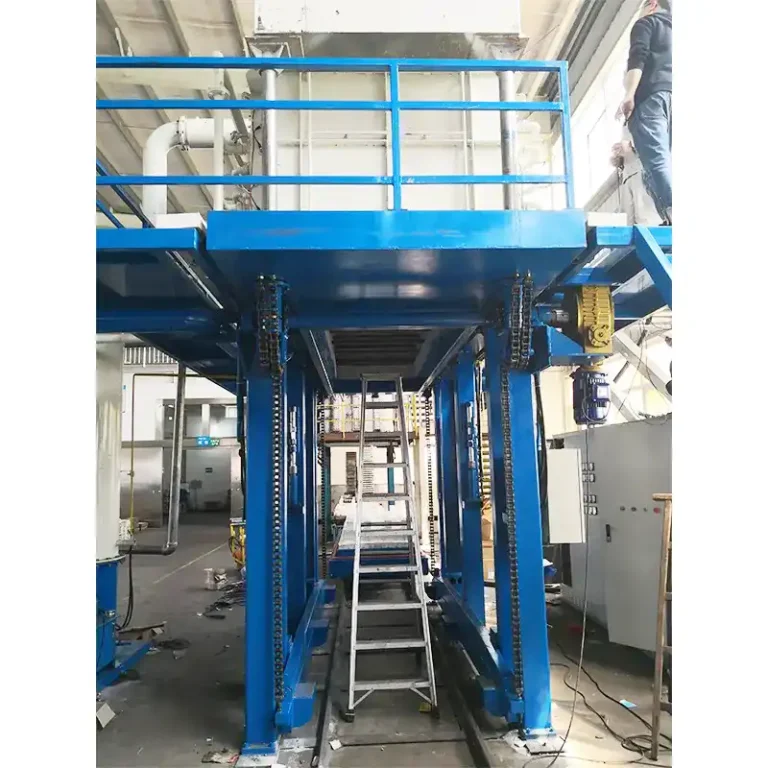
Vakuum-Atmosphären-Hebeofen für magnetische Materialien
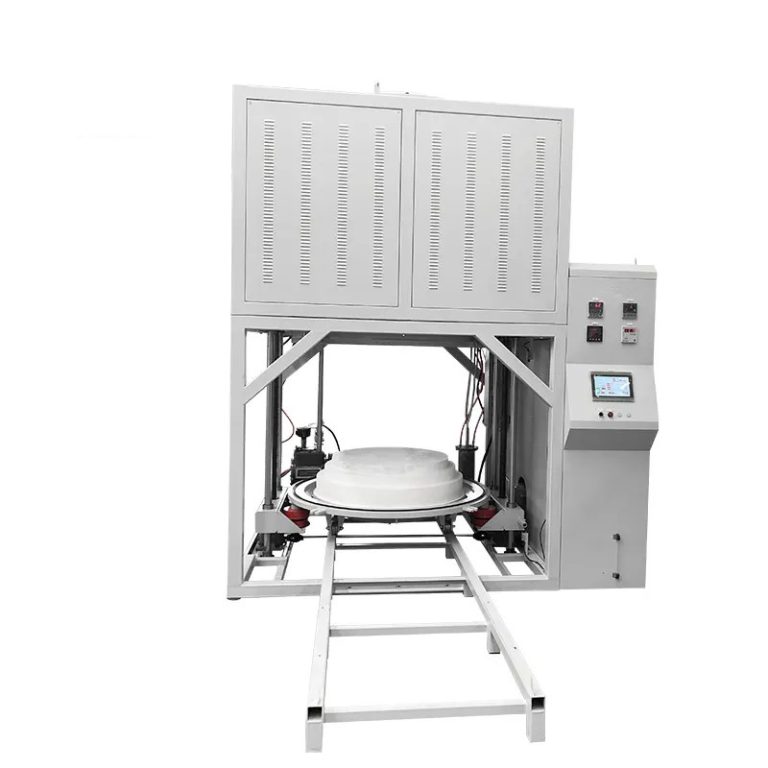
1700°C Tungsten Rod Heated Hydrogen Furnace
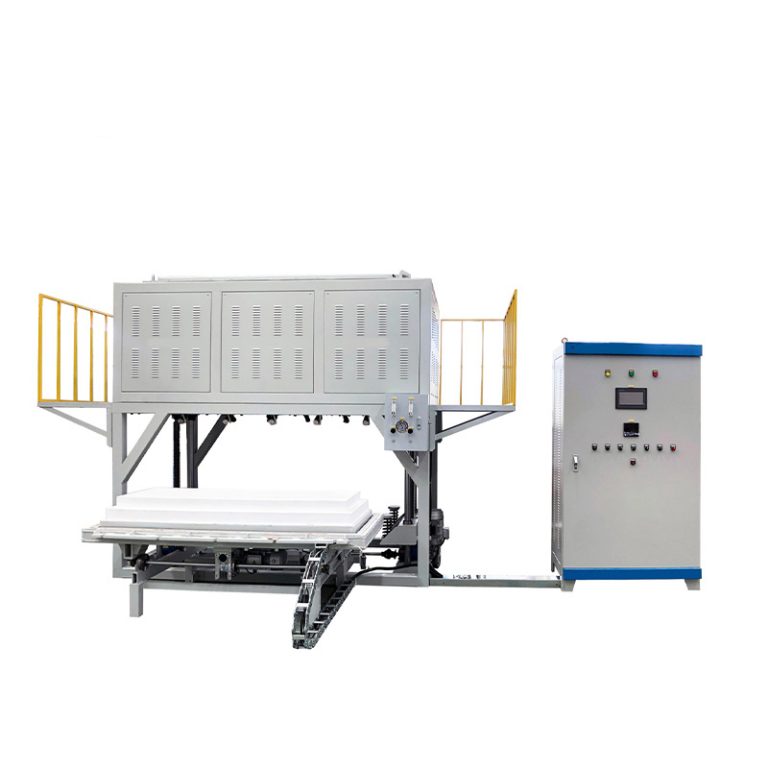
1600℃ Vakuumatmosphären-Hebeofen
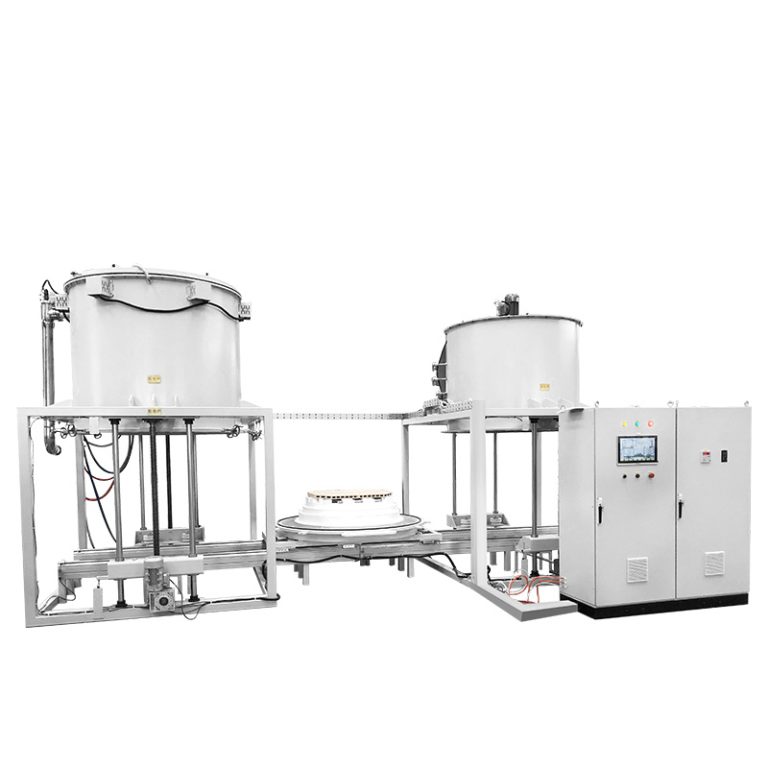
Integrierter Hebeofen zum Entfernen von Leim und zum leichten Brennen
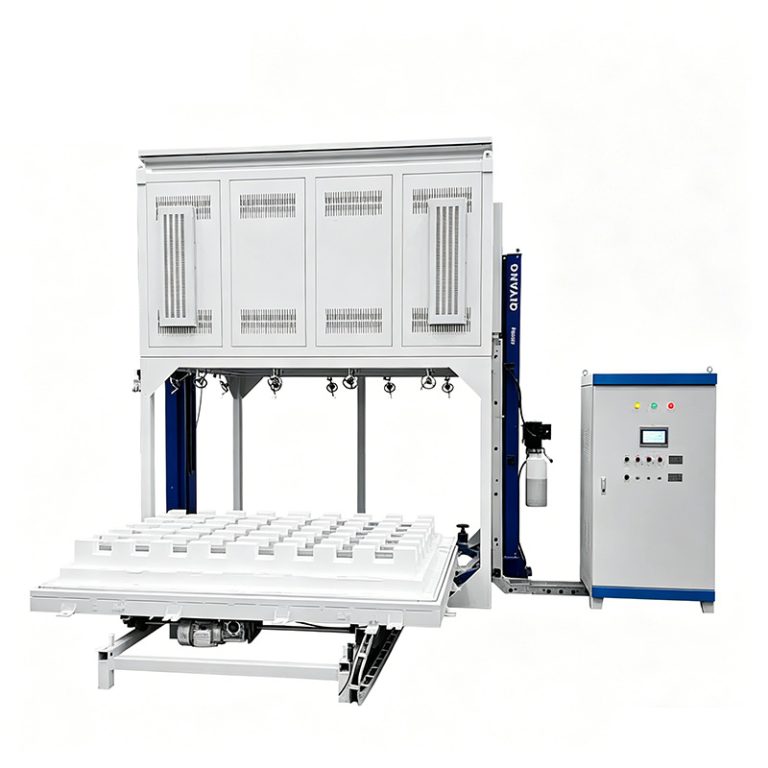
1000°C atmosphärengesteuerter Hub-Elektroofen für den Laborgebrauch
Advantages of High Atmosphere Bottom-Loading Furnace
The High Atmosphere Bottom-Loading Furnace features a fixed furnace lid and a bottom lifting platform structure, minimizing the number of sealing surfaces and making it easier to maintain a stable vacuum or inert atmosphere. Samples are loaded from the bottom to avoid burns from repeated high-temperature operations. The vertically symmetrical structure ensures uniform temperature distribution within the furnace, making it suitable for sintering processes and the handling of temperature-sensitive materials. It can be easily integrated with glove boxes or atmosphere systems, expanding into high-end application scenarios.
Produktmerkmale (Hochatmosphären-Bodenladeofen)
- Superior Sealing Performance and Stable Atmosphere Maintenance
This bottom-loading furnace employs a fixed furnace lid and bottom lifting platform structure, reducing the number of sealing surfaces. The bottom lifting structure, with the sealing ring located at the fixed furnace lid, avoids direct contact with high-temperature materials, resulting in a longer service life and maintaining excellent sealing performance even after long-term use.
- Safer High-Temperature Loading
Samples are loaded and unloaded from the bottom of the furnace, eliminating the need for operators to put their hands into the high-temperature furnace chamber, thus avoiding direct contact with the high-temperature area and reducing the risk of burns.
- Improved Temperature Uniformity
The vertically symmetrical structure of this equipment ensures more uniform heat distribution. Combined with multi-faceted heating, the temperature field distribution within the furnace chamber is optimized, making it particularly suitable for sintering processes or the processing of temperature-sensitive materials.
- Vacuum and Atmosphere System
Equipped with a high-precision vacuum gauge and gas flow meter, the vacuum level can be customized to meet specific requirements. It can be purged with inert gases (Stickstoff, Argon) or reducing gases (Wasserstoff, Kohlenmonoxid, usw.) to meet the needs of various processes such as vacuum sintering, atmosphere-protected sintering, and reduction sintering.
- Programmable Control
Microcomputer program control with programmable curves enables fully automatic heating/holding/cooling. It features 30 or 50-segment programmable control, allowing for arbitrary slope heating and cooling control. Programmable commands include jump (Schleife), laufen, Pause, and stop. Temperature control parameters and the program can be modified during operation, offering flexibility and convenience.
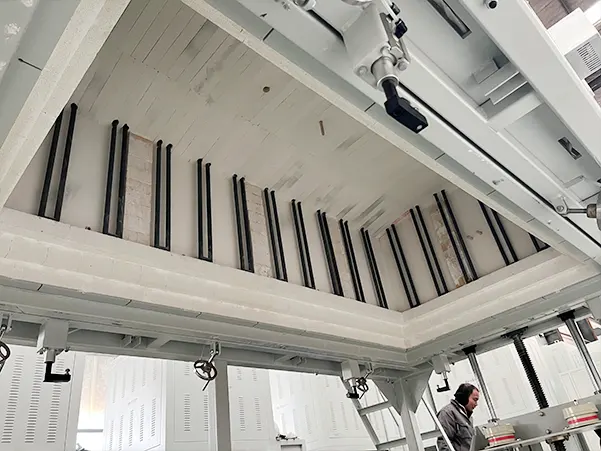
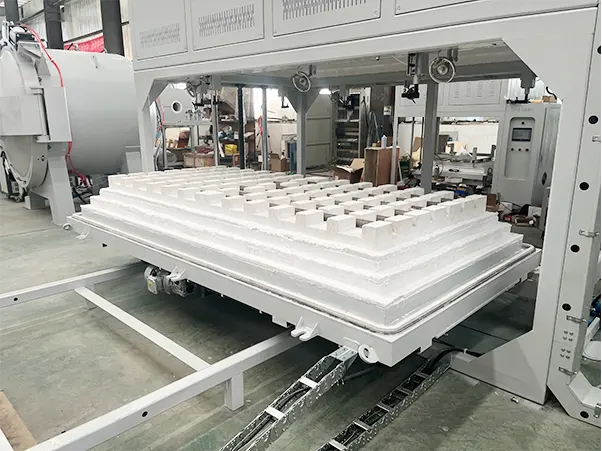
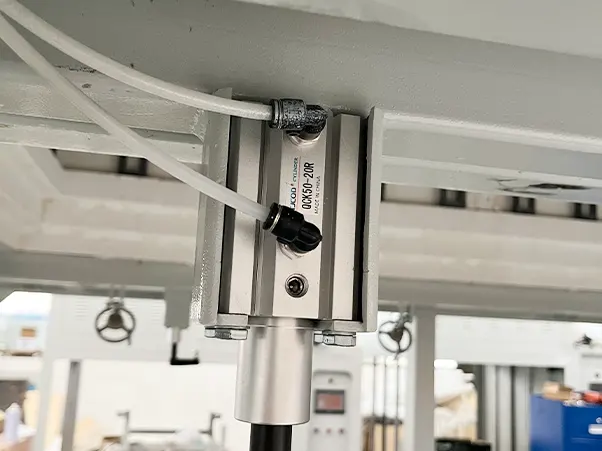
| Name | Specification Model | Chamber Dimensions (L×B×H, mm) | Overall Dimensions (L×B×H, mm) | Stromspannung (AC V) | Leistung (kW) | Weight (kg) |
| Vacuum Atmosphere Box Furnace | AJ-200/150/150 | 200×150×150 | 700×650×1500 | 380 | 5 | 360 |
| AJ-300/200/200 | 300×200×200 | 800×750×1550 | 380 | 12 | 520 | |
| AJ-400/200/200 | 400×200×200 | 900×750×1550 | 380 | 13 | 550 | |
| AJ-500/300/200 | 500×300×200 | 1000×850×1550 | 380 | 15 | 620 | |
| AJ500/300/300 | 500×300×300 | 1000×850×1650 | 380 | 18 | 750 | |
| AJ-600/400/400 | 600×400×400 | 1150×1000×1800 | 380 | 24 | 900 | |
| AJ-800/500/500 | 800×500×500 | 1700×1700×1900 | 380 | 35 | 1150 | |
| AJ-1000/700/600 | 1000×700×600 | 1700×1500×2000 | 380 | 55 | 1800 |
Anwendungsbereiche (Hochatmosphären-Bodenladeofen)
- High-end Ceramic Sintering: Suitable for vacuum or atmosphere sintering of high-performance ceramics such as alumina, Zirkonoxid, Siliziumnitrid, und Siliziumkarbid.
- Powder Metallurgy: Suitable for vacuum or atmosphere sintering of metal powders and alloy powders.
- Hard Alloys: Suitable for vacuum sintering of tungsten carbide-based hard alloys.
- Lithium-ion Battery Materials: Suitable for sintering and heat treatment of positive and negative electrode materials for lithium-ion batteries.
- Rare Earth Materials: Suitable for vacuum or atmosphere sintering of air-sensitive materials such as rare earth permanent magnet materials and rare earth luminescent materials.
- New Material R&D: Suitable for the R&D and pilot production of new materials such as special ceramics, Verbundwerkstoffe, and nanomaterials.
- Universities and Research Institutes: Experimental teaching and research projects in materials science and engineering, Metallurgietechnik, Pulvermetallurgie, and new energy materials.
- Pilot-scale Production: Suitable for pilot production of small batches of high-value-added products.
Unternehmensprofil
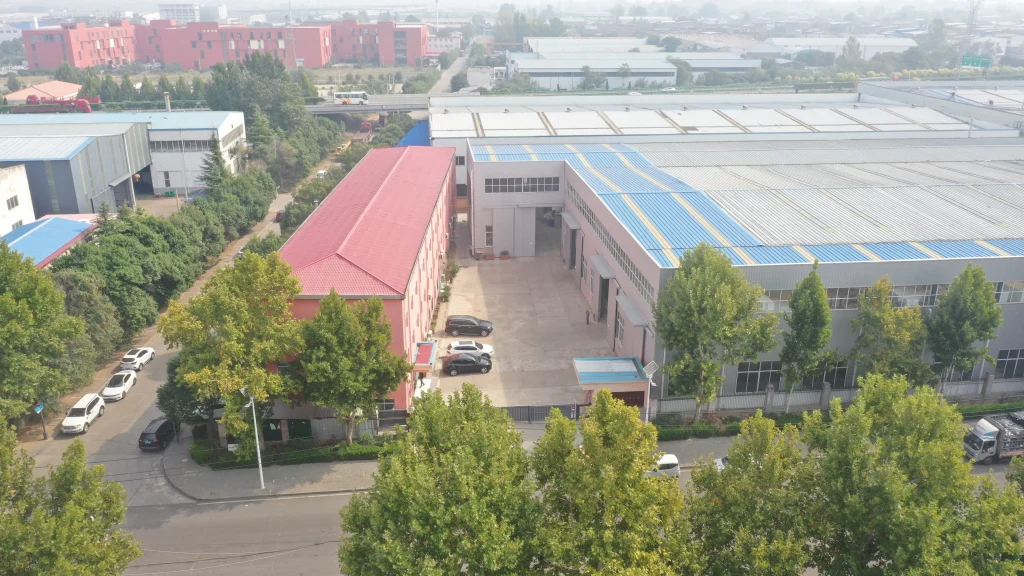
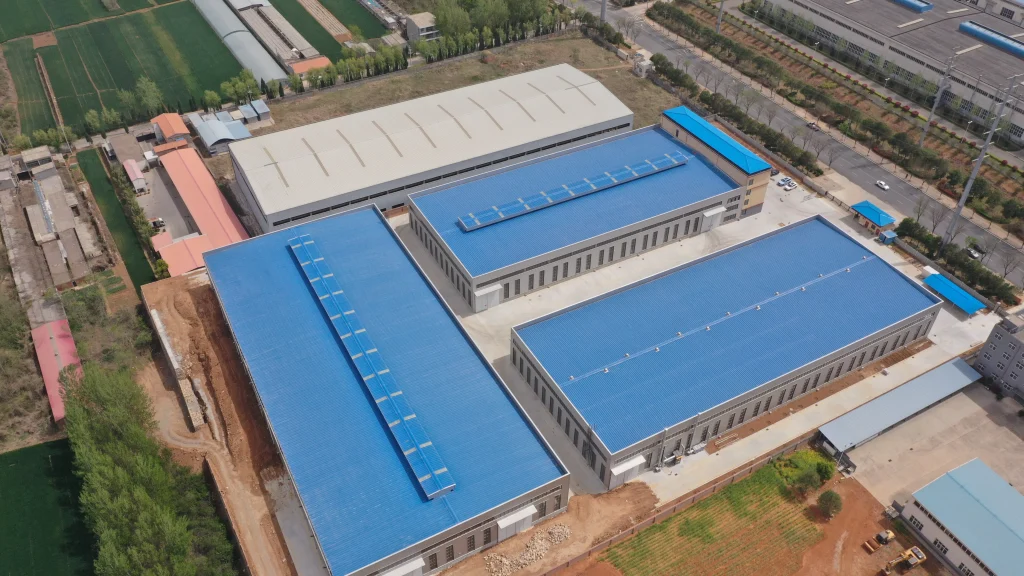
Ein professionelles Unternehmen, das sich auf Dienstleistungen im Bereich Wärmebehandlungstechnologie und die R. spezialisiert hat&D, Herstellung, und Vertrieb von Hochtemperatur-Elektroöfen.
Das Unternehmen konzentriert sich auf die Entwicklung von Hochtemperatur-Elektroöfen, die einen gesamten Temperaturbereich von -100℃ bis 2600℃ abdecken. Zu seinen Produkten gehören experimentelle Elektroöfen, Vakuumatmosphärenöfen, Industrieöfen, und Mittelfrequenz-Induktionsheizgeräte. Zu den Hauptprodukten gehören Kastenöfen, Rohröfen, Hebeöfen, Schuböfen, Drehgestellöfen, Drehrohröfen, Tunnelöfen, und verschiedene spezialisierte Mittelfrequenzöfen.
Das Unternehmen setzt auf technologische Innovation und hat die ISO9001- und EU-CE-Zertifizierungen bestanden. Es besitzt 21 eingetragene Marken, 29 Patente, Und 27 Software-Urheberrechte.
Zahlungsmethoden
TT
Versandarten
The electric bottom-loading furnace is packaged in three layers: zunächst in Schaumstoffpapier eingewickelt, dann in Plastikfolie eingewickelt, und schließlich in einer Holzkiste verpackt.
High Atmosphere Bottom-Loading Furnace Frequently Asked Questions (FAQ)
- What is a bottom-loading furnace?
Samples are loaded from the bottom of the furnace body, and a bottom lifting platform delivers the sample into the furnace chamber.
- How is the sealing performance?
Excellent. Fixed furnace lid + bottom lifting design minimizes the sealing surface and ensures strong vacuum retention.
- How is it better than a box furnace?
Better sealing, safer loading, and more uniform temperature.
- What scenarios is it suitable for?
Suitable for material processing scenarios where high uniformity of atmosphere and temperature is required.
- What vacuum level can it achieve?
Customizable, configured according to process requirements.