


Tá Luoyang Anjing Intelligence Equipment ina cheannaire domhanda i bhfoirnéisí leictreacha ardteochta



Foirnéise Bun-Lódála
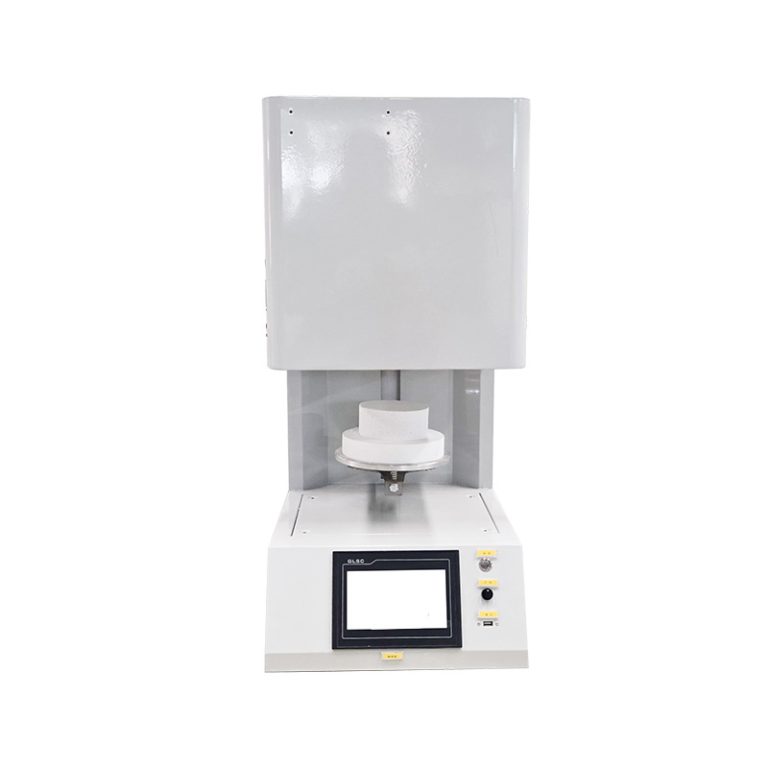
1700℃ Dental Ceramic Sintering Furnace
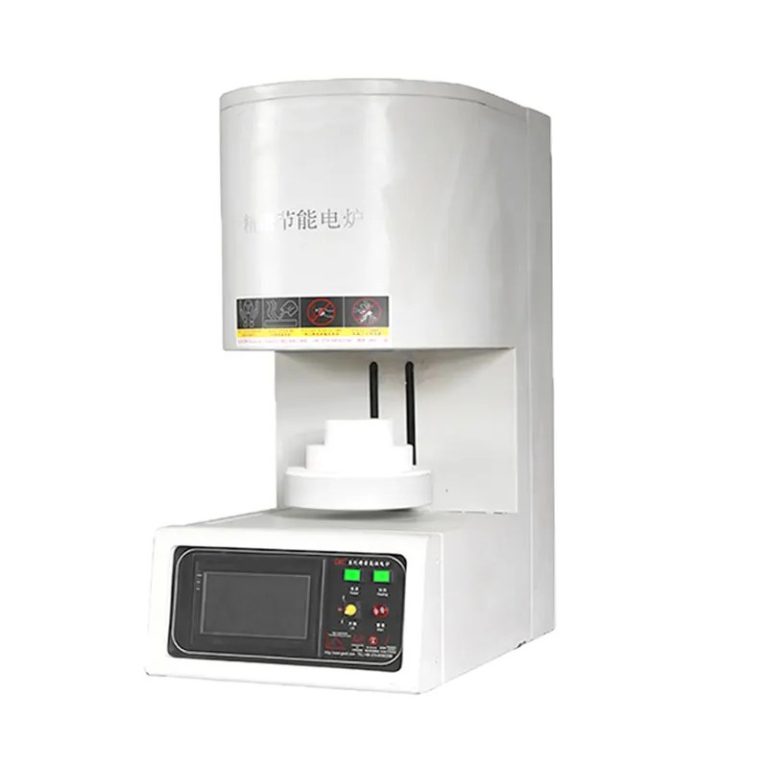
Dental Ceramic Sintering Furnace
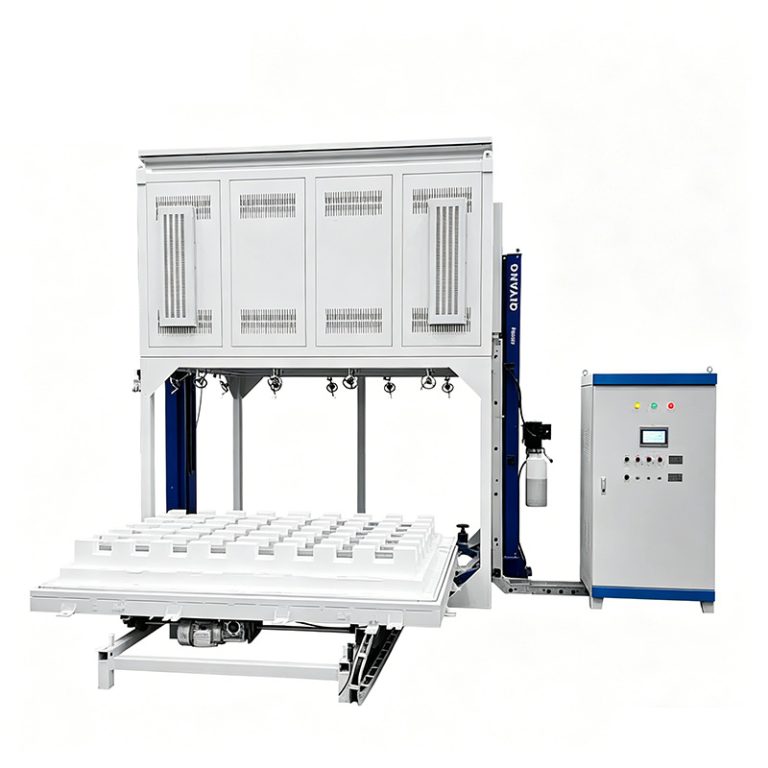
1000°C Foirnéis Leictreach Ardaithe faoi Rialú Atmaisféar le haghaidh Úsáide Saotharlainne
Foirnéise Bun-Lódála
Bottom-Loading Furnace are high-temperature furnaces suitable for large workpieces and mass production, and are widely used in sintering, anáil, and material handling processes. This equipment uses an electric lifting mechanism for loading and unloading, making it suitable for materials that are difficult to handle manually or that are large in size.
In actual use, the workpiece enters the furnace chamber via the lifting platform. The heating process is stable and reliable, improving production efficiency and reducing human error. This equipment is suitable for industrial production, as well as laboratory and research applications. Smaller units are also commonly used in denture processing, zirconia crown sintering, and powder material processing.
Gnéithe Táirge
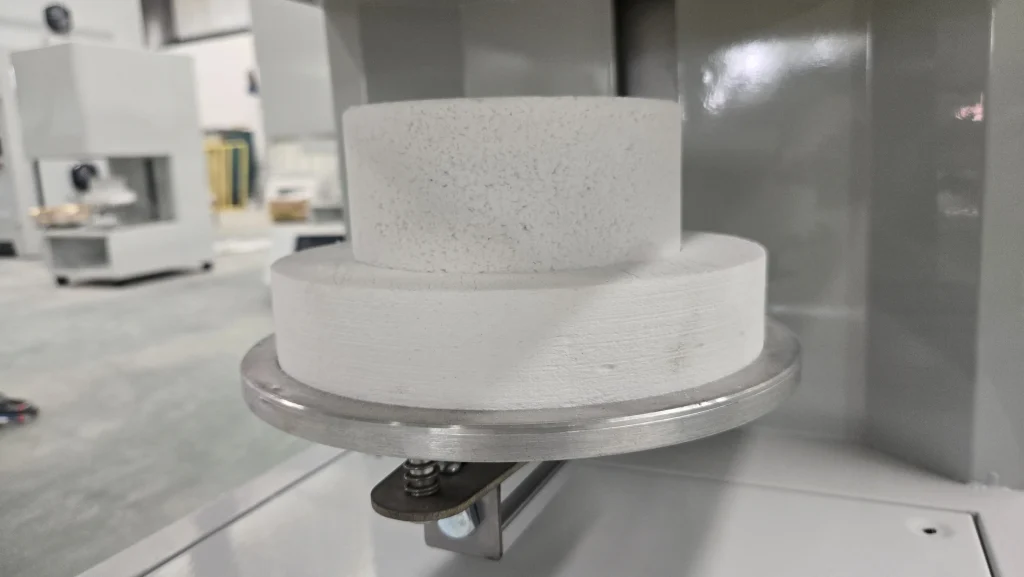
- Convenient and Safe Material Loading and Unloading via Lifting Platform
The electric mechanical control platform lifts and lowers the material, feeding it into the furnace from the center. This solves the problem of difficult manual operation for large or irregularly shaped materials. The lifting is smooth and reliable, allowing operators to load and unload materials without approaching the high-temperature furnace opening, significantly reducing the risk of burns.
- Customizable Furnace Chamber and Functional Expansion
The bottom-loading furnace chamber size and other functional expansions can be customized according to customer requirements, such as atmosphere protection systems, vacuum systems, rapid cooling systems, and exhaust gas treatment devices, meeting the personalized needs of different materials and processes.
- High-Capacity Sintering for Large-Scale Production
This equipment is designed for large-scale production. The large-capacity furnace chamber, combined with the electric lifting platform, enables rapid loading and unloading, shortening production auxiliary time and improving equipment utilization and production capacity.
- Wide Temperature Range
The standard operating temperature ranges from below 1200℃ to 1700℃, covering high-temperature sintering and heat treatment processes for most materials.
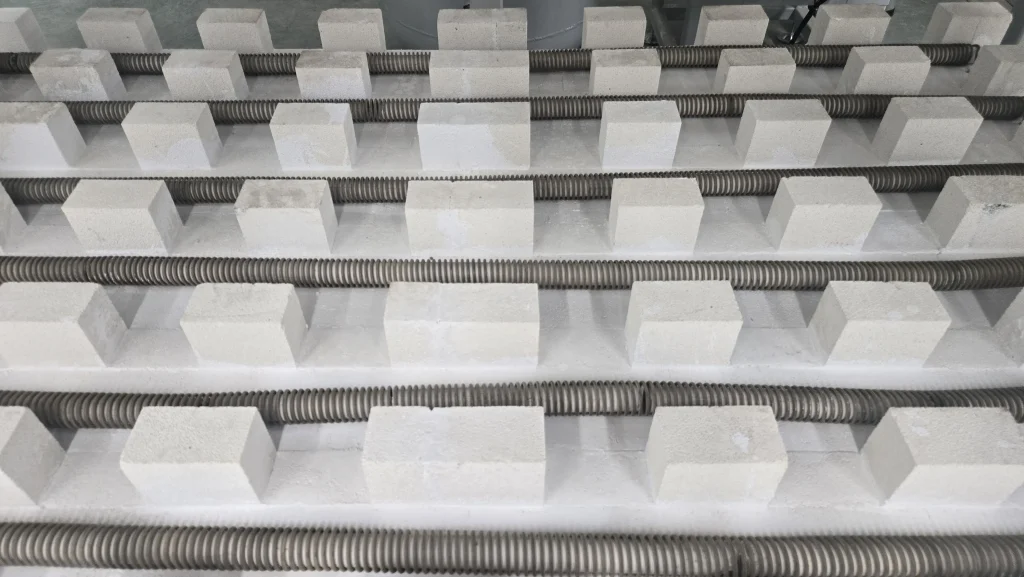
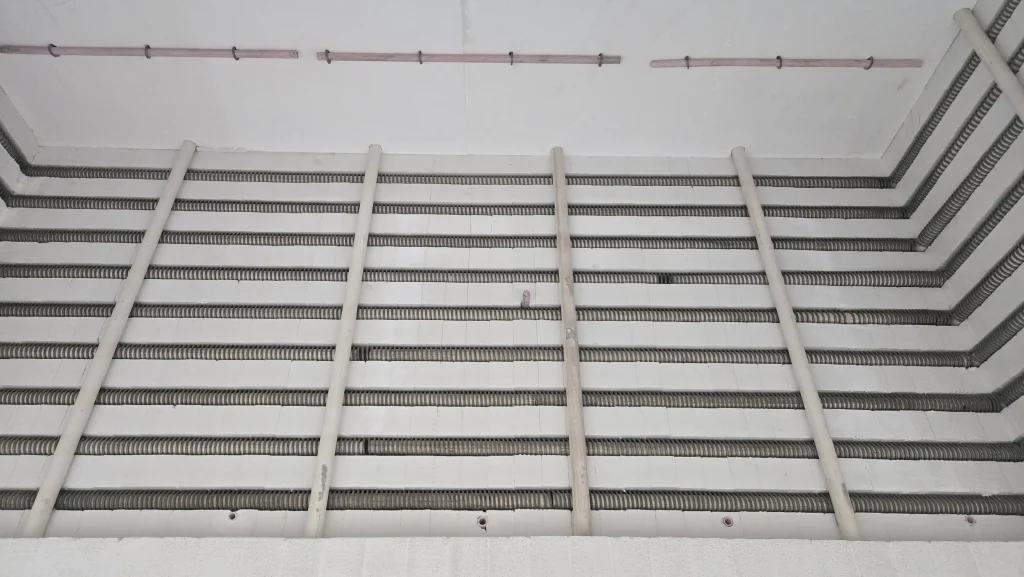
- High-Quality Furnace Lining, Insulating and Energy-Saving
The bottom-loading furnace lining uses vacuum-formed high-purity alumina lightweight material, which features high operating temperature, stóráil teasa íseal, friotaíocht le téamh agus fuarú tapa, gan scoilteadh, gan scaoileadh slaig, and excellent insulation performance. Energy saving is significantly improved compared to traditional electric furnaces, greatly reducing operating costs.
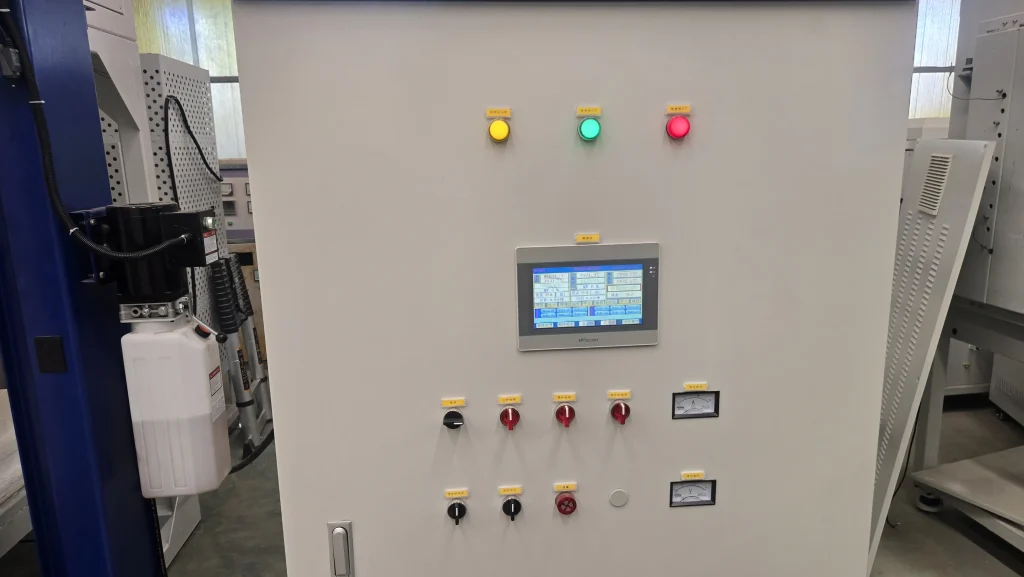
- Intelligent Control Panel, Fully Functional
The control panel is equipped with an intelligent temperature regulator, power switch, main heating start/stop button, voltmeter, ammeter, computer interface, etc., providing a clear view of the system's operating status and intuitive and easy operation.
- Multiple Safety Protections
An integrated modular control unit is designed with dual-loop control and dual-loop protection functions, providing comprehensive protection against overshoot, over-adjustment, under-adjustment, thermocouple breakage, caillteanas chéim, ró-bhrú, over-current, over-temperature, current feedback, and soft start. Optional functions include door-opening power-off and over-temperature alarm to ensure safe equipment operation.
| Item | 1200℃ | 1400℃ | 1600℃ | 1700℃ | 1800℃ | 1900℃ |
| Can be used for a long time temperature | 1150℃ | 1350℃ | 1550℃ | 1680℃ | 1780℃ | 1880℃ |
| Temperature control range | 100-1200℃ | 100-1400℃ | 100-1600℃ | 100-1700℃ | 100-1800℃ | 100-1900℃ |
| Temperature control accuracy | ±1 ℃ | ±1 ℃ | ±1 ℃ | ±1 ℃ | ±1 ℃ | ±1 ℃ |
| Temperature measuring element | K | S | B | B | B | B+Fiber Optic |
| Heating element material | High temperature alloy resistance wire | Silicon carbide rod | Silicon-molybdenum rod | Model 1800 silicon molybdenum rod | Model 1850 silicon molybdenum rod | Model 1900 silicon molybdenum rod |
| Heating element installation position | Heat on three sides, add the bottom on both sides | Up and down / Two sides | Two sides | |||
| Heating rate | Maximum heating rate 40℃/min (non-linear) | |||||
| Furnace structure and material | The electric furnace body adopts an advanced double-layer cold carbon steel furnace body structure. The effective cold air guide partition ensures the overall cold air circulation, and finally cools the heating element conductive sheet and discharges it out of the furnace, avoiding high-temperature oxidation of the heating element conductive sheet; ensuring a good working environment. | |||||
| Opening mode | The furnace door is hinged on the shaft, with 360-degree rotation and opening. The furnace door lock is equipped with elastic inertia on the side of the furnace door, which can effectively lock. The elasticity of the lock absorbs the expansion and swelling of refractory materials, ensuring free expansion and contraction of fire-resistant materials during thermal expansion and cold contraction, and effective sealing. | |||||
| Refractory insulation material | The furnace is made of imported vacuum high-purity alumina lightweight materials, with high service temperature, small heat capacity, resistance to rapid heat and cold, gan scoilteadh, no slag drop, good energy saving and insulation performance. | 2100 type zirconia fiber | ||||
| Shell temperature | Shell temperature less than 45℃ | |||||
| Security protection | Adopt integrated modular control unit, with accurate control accuracy, and designed with double circuit control and double circuit protection, equipped with over-voltage, over-current, under-voltage, caillteanas chéim, lack of phase, ró-bhrú, ultra-flow, over-temperature, current feedback, soft start and other protections. | |||||
| Multipoint temperature control | Under the working state of the furnace body, high temperature opening and closing of the furnace door cuts off the main heating circuit, which greatly protects the electric risk of high temperature contact. | |||||
| Safe temperature control | Adopt closed-loop technology controllable module trigger control, phase-shift trigger control or zero-crossing trigger and other methods. Output voltage, current and power can be continuously adjusted, with constant voltage, constant current or constant power characteristics. The inner loop is current, and the outer loop is voltage. When the sudden load or load current exceeds the limit value, limit the output current of the regulator within the stable voltage range, ensure the normal operation of the regulator, and at the same time adjust the voltage, so that the output current of the regulator is limited in the stable current range. Under the premise of sufficient adjustment margin, maintain the stability of output current and voltage, so as to achieve the control effect of protecting heating elements from over-current, voltage shock, etc., and reach the full controllable control rate and control accuracy. | |||||
| Temperature curve setting | Adopt intelligent temperature control instrument, with various adjustment methods such as PID, artificial intelligence APID or MPT, with self-calibration and self-learning functions, no overshoot and no stop of temperature control characteristics, and 50-segment program control function. It can realize any program of rising, cooling and temperature control, with functions of rotation (cycle), operation, pause and stop, srl. It is editable and operable, and allows modification of the program during the operation of the control system. The instrument is equipped with a unique artificial intelligence tuning algorithm, which can obtain smooth curve control effect. | |||||
| Number of temperature rise curve segments | 50-segment program control function, can be input and set: one curve 50 segments, two curves 28 segments, three curves 15 segments, five curves 9 segments; can input multiple curves at the same time, can be called at will when in use. | |||||
| Panel button | Two buttons are: main power button/knob, heating chamber connection button/knob. | |||||
| Spare parts | One furnace tong, one set of high-temperature gloves, one furnace bottom plate. | |||||
bottom-loading furnace Customer-optional Accessories
- Crucibles, saggers, corundum furnace pads/silicon carbide pads (see details in electric bottom-loading furnace accessories)
- Computer control software and hardware (click to view)
- Touchscreen-controlled temperature controller (click to view)
- Additional exhaust port
- Consumables: eilimintí teasa
- One extra loading platform (total two platforms, which can be used alternately to improve efficiency and save electricity)
- Additional observation port
Réimsí Iarratais (Foirnéise Bun-Lódála)
- Dental Prosthesis Processing and Dental Materials: This bottom-loading furnace is widely used in denture processing and the crystallization sintering of zirconia crowns. Precise temperature control and a stable temperature field ensure the translucency, dath, and mechanical properties of the crowns.
- Refractory Materials: Suitable for high-temperature sintering of refractory bricks, refractory castables, and ceramic fiber products.
- Ceirmeacht Leictreonach: Suitable for batch sintering of piezoelectric ceramics, dielectric ceramics, magnetic materials, and other electronic functional ceramics.
- Metallurgical Industry: Suitable for the reduction sintering of metal powders and the annealing treatment of alloy materials. A protective atmosphere can be introduced to prevent oxidation, meeting metallurgical process requirements.
- Building Materials Industry: Suitable for high-temperature melting and sintering of building materials such as special glass, microcrystalline glass, and artificial stone.
- Special Materials and New Materials Development: Suitable for the synthesis and heat treatment process research of new materials such as special ceramics, composite materials, and high-temperature alloys.
- Powder processing and sintering: Applicable to the pre-firing, shintéiriú, and calcination of various powder materials.
Próifíl na Cuideachta
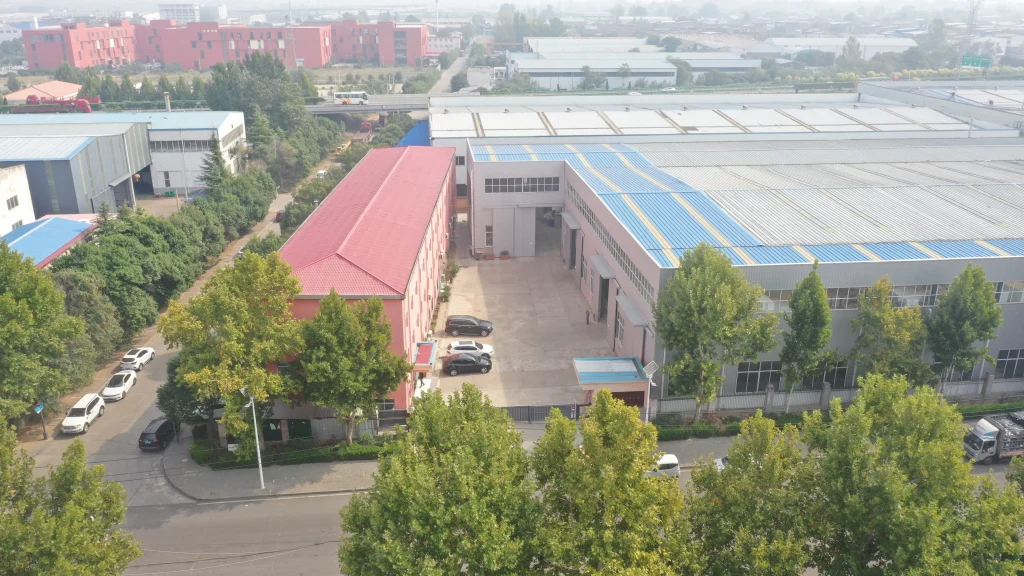
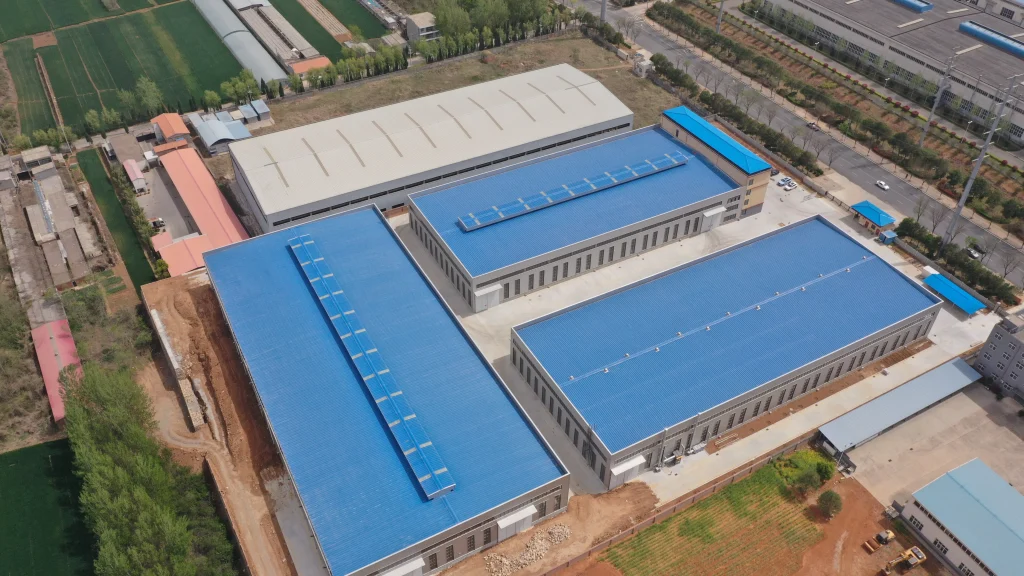
Is fiontar gairmiúil atá ag speisialú i seirbhísí teicneolaíochta cóireála teasa agus an R&D, déantúsaíocht, agus díolachán foirnéisí leictreacha ardteochta.
Díríonn an chuideachta ar fhoirnéisí leictreacha ardteochta a fhorbairt a chlúdaíonn raon teochta iomlán de -100 ℃ go 2600 ℃. Áirítear ar a chuid táirgí foirnéisí leictreacha turgnamhacha, foirnéisí atmaisféar bhfolús, áitheanna tionsclaíochta, agus trealamh téimh ionduchtaithe meánmhinicíochta. I measc na dtáirgí is mó tá foirnéisí bosca, foirnéisí feadán, foirnéisí ardaithe, áitheanna pusher, foirnéisí bogie, áitheanna rothlacha, áitheanna tolláin, agus foirnéisí meán-minicíochta speisialaithe éagsúla.
Cloíonn an chuideachta le nuálaíocht theicneolaíoch agus tá deimhnithe ISO9001 agus CE an AE faighte aici. Is leis 21 trádmharcanna cláraithe, 29 paitinní, agus 27 cóipchearta bogearraí.
Modhanna Íocaíochta
TT
Modhanna Loingsiú
Tá an foirnéis bun-luchtaithe leictreach pacáistithe i dtrí shraith: fillte ar dtús i páipéar cúr, fillte ansin i scannán plaisteach, agus ar deireadh pacáilte i gcliathbhosca adhmaid.
Bottom-Loading Furnace Frequently Asked Questions (CCanna)
- What is the maximum heating rate of the lifting furnace?
The maximum heating rate is 40℃ per minute (non-linear), which can be adjusted according to process requirements.
- What are the advantages of the lifting furnace's structure?
It adopts an air-cooled double-layer carbon steel furnace body structure. Cold air circulation cools the conductive sheets of the heating elements, preventing high-temperature oxidation. Simultaneously, the furnace shell temperature is controlled below 45℃, ensuring safety and durability.
- What insulation material is used? Is it heat-resistant?
The standard model uses vacuum-formed high-purity alumina lightweight material, which is resistant to rapid heating and cooling and has good insulation properties.
- Does it support multi-point temperature control? What is its function?
Multi-point temperature control is optional. Through independent temperature control on multiple surfaces, the uniformity of the temperature field inside the furnace is significantly improved, meeting the requirements of high-precision heat treatment.
- Does it support atmosphere/gas path functions?
Supports air inlet (float/digital flow meter optional), exhaust outlet (manual/electric automatic control), and fully automatic air intake and exhaust linkage. It can be equipped with exhaust gas treatment and corrosion-resistant furnace lining to meet atmosphere sintering requirements.
- How to choose the right lifting furnace specification for your needs?
Based on the maximum process temperature, sample size, and whether atmosphere/automation is required, select the corresponding temperature specification, and then select the functions as needed. We can provide customized solutions.