Tá Luoyang Anjing Intelligence Equipment ina cheannaire domhanda i bhfoirnéisí leictreacha ardteochta



Advanced Zirconia Ceramic Components for High-Temperature Applications

Paraiméadair TÁIRGÍ
Cur síos
Zirconia Ceramics
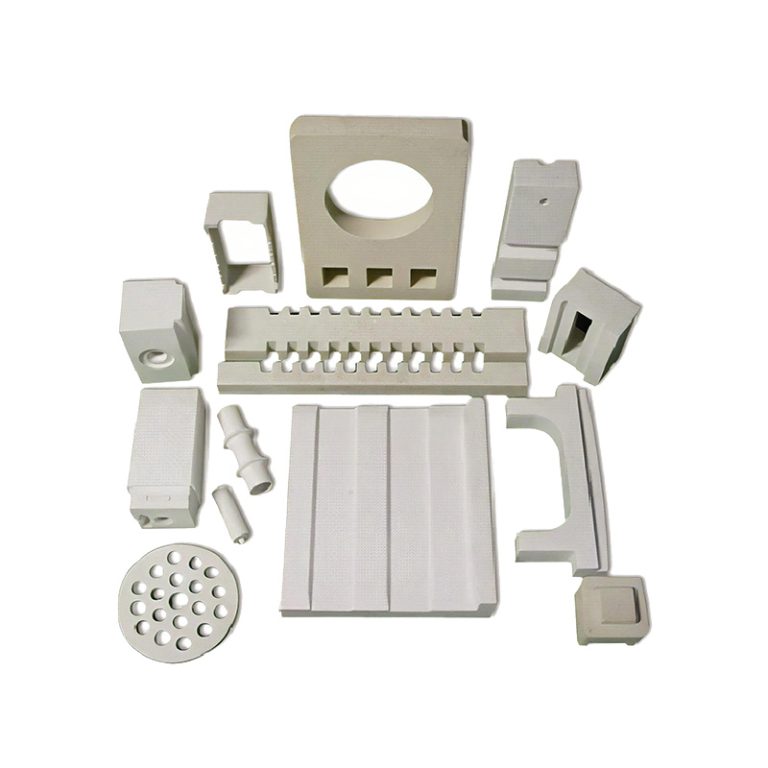
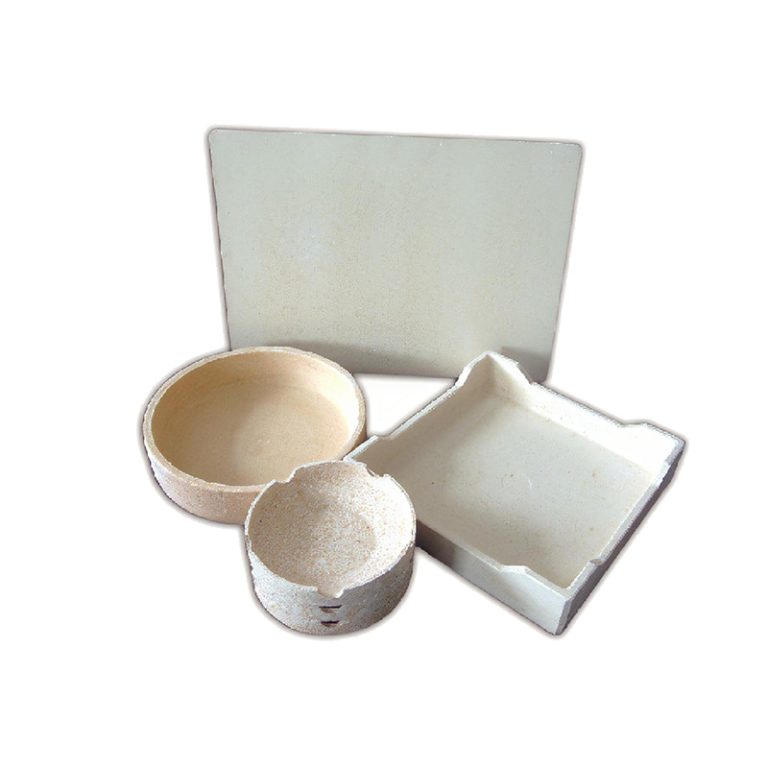
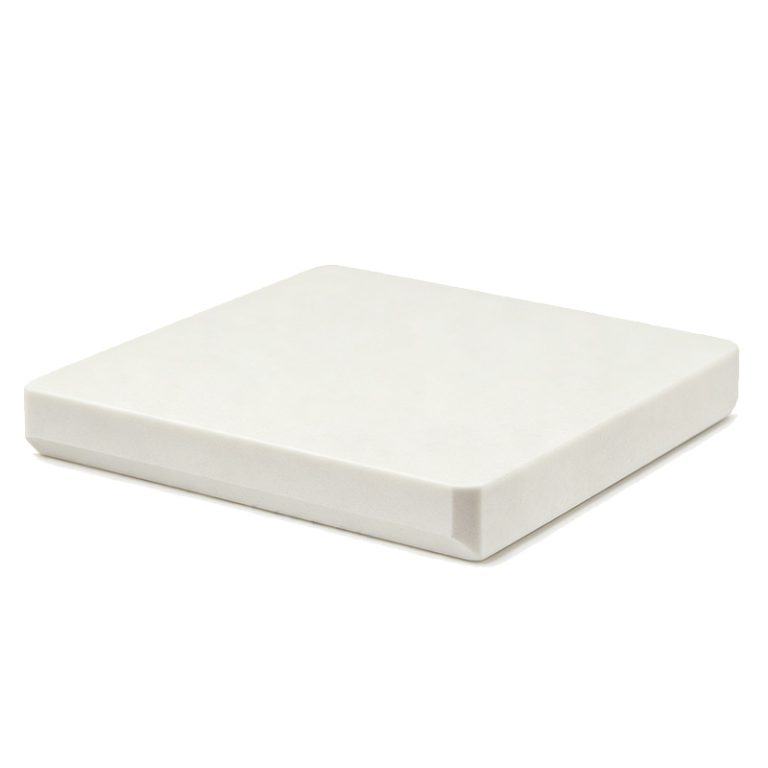
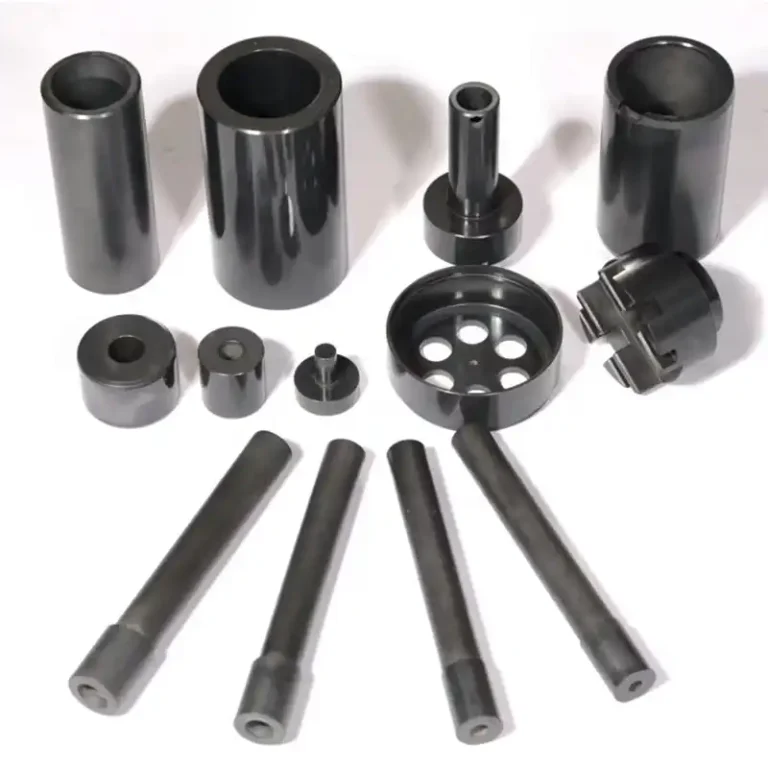
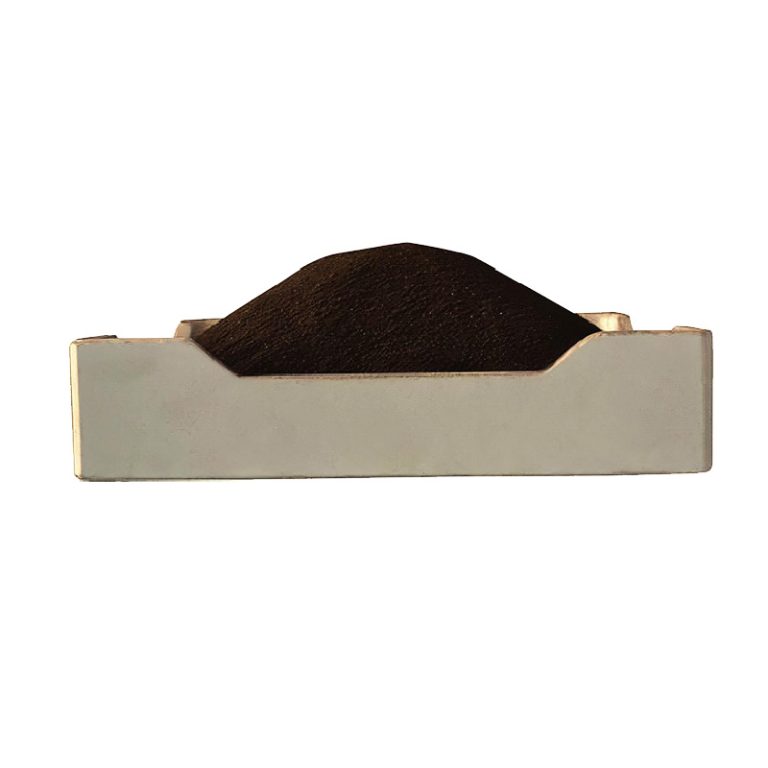
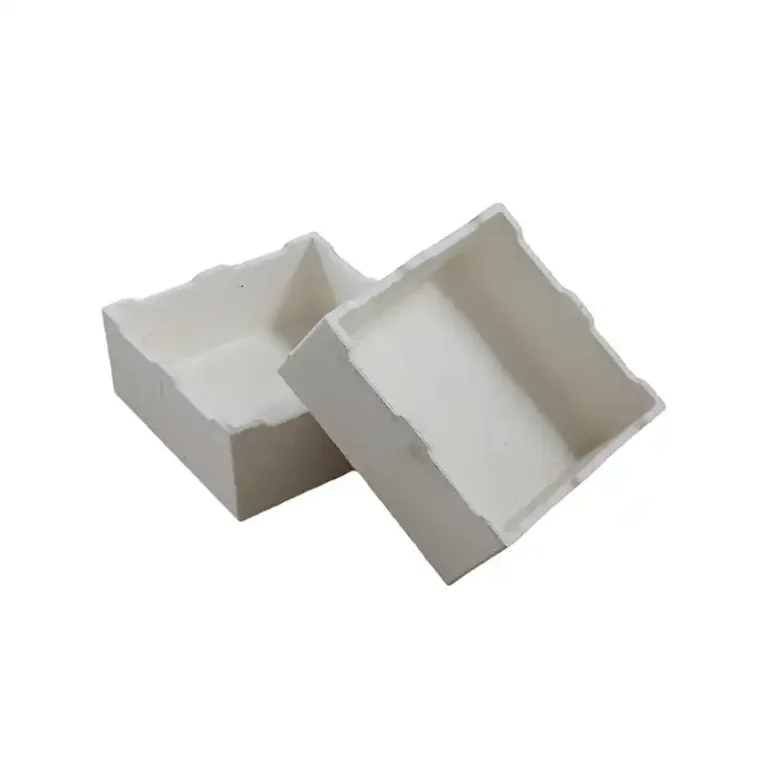
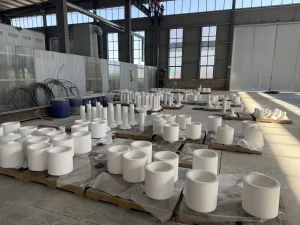
Zirconia Ceramic are made primarily from high-purity zirconium oxide (ZrO₂), typically monoclinic or partially stabilized zirconium oxide, through precision molding and high-temperature sintering. The products possess extremely high melting points, excellent chemical stability, seoltacht teirmeach íseal, and good resistance to high-temperature corrosion, with a maximum operating temperature of up to 1900℃. Zirconia crucibles generally have a bulk density ≥5.0 g/cm³, a dense structure, and can be used for extended periods in high-temperature and highly corrosive environments.
Gnéithe Táirge
- Ultra-high temperature performance, operating temperature up to 1900℃
The main chemical component is ZrO₂, with a bulk density generally above 5.0 g/cm³, and a maximum operating temperature of up to 1900℃. It has an extremely high melting point, making it suitable for long-term use in ultra-high temperature environments, and is one of the preferred refractory materials for extreme temperature conditions.
- Excellent thermal stability and strong resistance to thermal shock
Made with monoclinic zirconium or partially magnesium-stabilized zirconium, the stabilization treatment effectively suppresses the volume effect caused by phase transformation. The low thermal conductivity helps reduce thermal shock temperature differences, making it less prone to cracking under rapid heating and cooling conditions, and adaptable to the demanding process requirements of frequent temperature increases and decreases.
- Excellent chemical inertness and corrosion resistance
Excellent chemical stability, capable of long-term resistance to the corrosion of alkaline melts, acidic slags, and highly reactive metals (platinum, palladium, rhodium, and other precious metals). It has good resistance to penetration by most molten metals and slags, and does not easily react with furnace materials, ensuring product purity.
- Excellent high-temperature creep resistance and no deformation
The structure is stable at high temperatures and exhibits excellent creep resistance, making it resistant to deformation even after long-term use. Suitable for precision melting and heat treatment processes where strict dimensional accuracy of the crucible is required.

Zirconia Crucible — Precautions (Revised)
| 1. Avoid unnecessary thermal shock and mechanical impact when using zirconia |
| 2. Different stabilizers (magnesia-stabilized, calcia-stabilized, yttria-stabilized) have varying temperature ranges and corrosion resistance; select the appropriate stabilization type according to your specific process |
| 3. Prolonged contact with high-silica or strongly reducing atmospheres is not recommended, as reduction reactions may affect performance |
| 4. Low-temperature preheating is recommended before use to avoid placing cold materials directly into a high-temperature environment |
| 5. Allow natural cooling after use to prevent cracking caused by rapid cooling |
Réimsí Iarratais
- Ultra-high Temperature Ceramic Sintering: Suitable for pollution-free sintering and heat treatment of ultra-high temperature ceramic materials such as carbides, borides, and nitrides.
- Precious Metal Smelting: Suitable for high-temperature smelting and purification of precious metals such as platinum, palladium, and rhodium. It exhibits extremely high resistance to corrosion in precious metal melts, ensuring the purity of precious metals remains uncontaminated.
- Special Glass and Optical Material Melting: Suitable for melting high-refractive-index special glasses, optical glasses, microcrystalline glasses, and other materials requiring highly specific crucible materials.
- Single Crystal Growth: Suitable for high-temperature single crystal growth processes (such as YAG and sapphire). High chemical inertness prevents the introduction of impurities, ensuring crystal quality and optical performance.
- Ultra-high Temperature Heat Treatment: Suitable for heat treatment processes in aerospace materials, nuclear materials, and other materials operating at ultra-high temperatures below 1900℃.
- Universities and Research Institutes: Suitable for ultra-high temperature experimental teaching and research projects in materials science and engineering, innealtóireacht mhiotaleolaíocht, and related fields.
Próifíl na Cuideachta
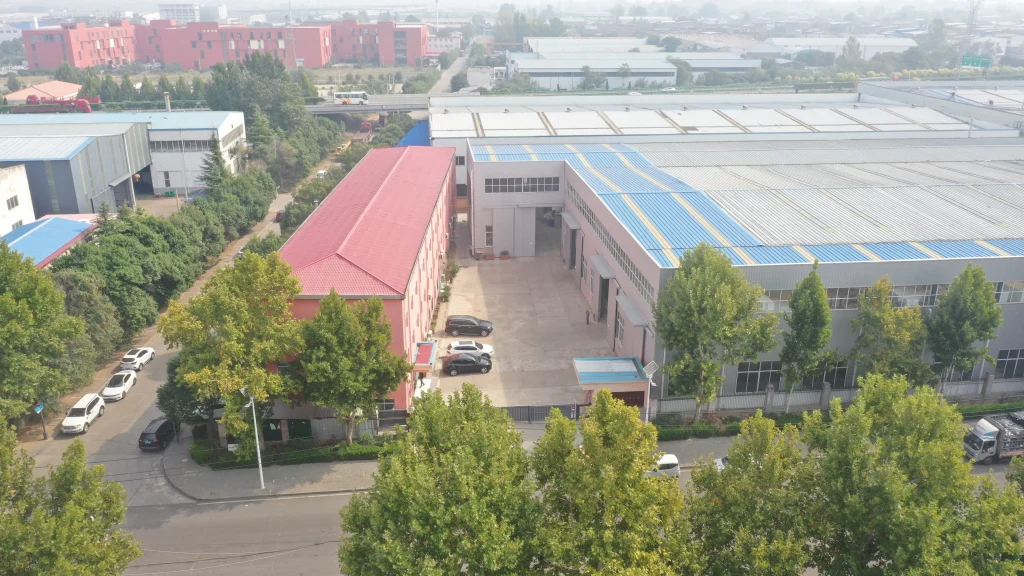
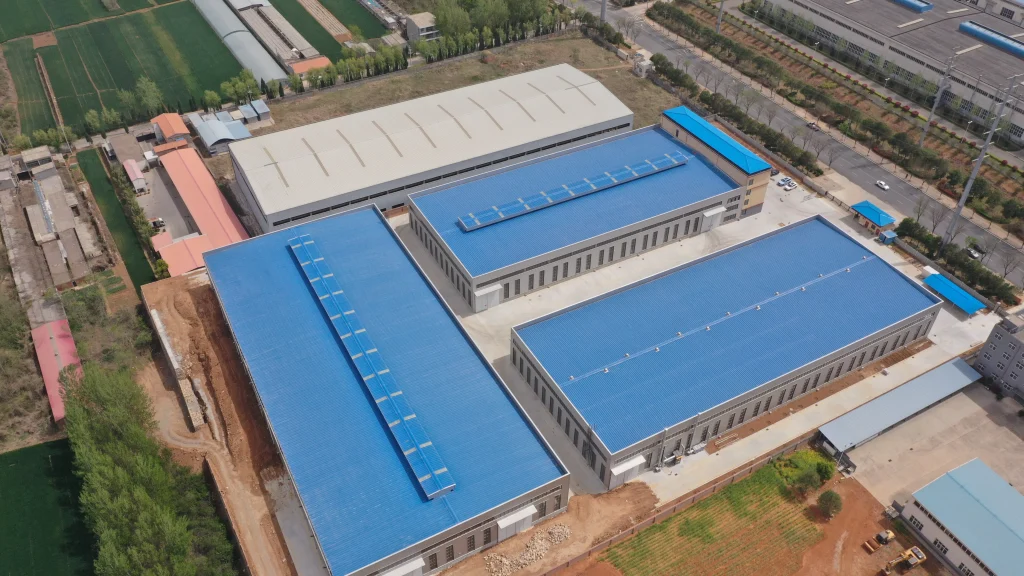
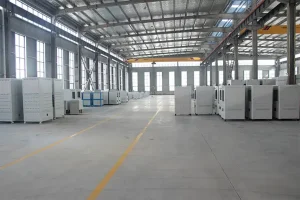
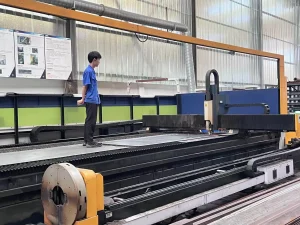
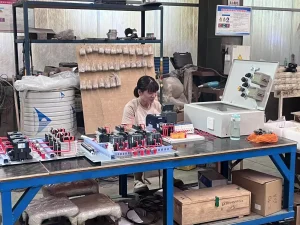
Is fiontar gairmiúil atá ag speisialú i seirbhísí teicneolaíochta cóireála teasa agus an R&D, déantúsaíocht, agus díolachán foirnéisí leictreacha ardteochta.
Díríonn an chuideachta ar fhoirnéisí leictreacha ardteochta a fhorbairt a chlúdaíonn raon teochta iomlán de -100 ℃ go 2600 ℃. Áirítear ar a chuid táirgí foirnéisí leictreacha turgnamhacha, foirnéisí atmaisféar bhfolús, áitheanna tionsclaíochta, agus trealamh téimh ionduchtaithe meánmhinicíochta. I measc na dtáirgí is mó tá foirnéisí bosca, foirnéisí feadán, foirnéisí ardaithe, áitheanna pusher, foirnéisí bogie, áitheanna rothlacha, áitheanna tolláin, agus foirnéisí meán-minicíochta speisialaithe éagsúla.
Cloíonn an chuideachta le nuálaíocht theicneolaíoch agus tá deimhnithe ISO9001 agus CE an AE faighte aici. Is leis 21 trádmharcanna cláraithe, 29 paitinní, agus 27 cóipchearta bogearraí.
Modhanna Íocaíochta
TT
Modhanna Loingsiú
Tá an foirnéis leictreach pacáistithe i dtrí shraith: fillte ar dtús i páipéar cúr, fillte ansin i scannán plaisteach, agus ar deireadh pacáilte i gcliathbhosca adhmaid.
Ceisteanna Coitianta (CCanna)
- What is the highest temperature a zirconia crucible can withstand?
Zirconium oxide crucibles can withstand temperatures up to 1900℃, suitable for most ultra-high temperature melting and material handling processes. The actual operating temperature needs to be determined based on the atmosphere, heating method, and material properties.
- What are the advantages of zirconia crucibles compared to alumina crucibles?
Zirconium oxide crucibles have higher temperature resistance, lower thermal conductivity, and superior chemical stability, making them particularly suitable for precious metals, highly reactive metals, and highly corrosive melt environments.
- What materials are suitable for melting with zirconia crucibles?
Suitable for melting and heat treatment of precious metals such as platinum, palladium, and rhodium, as well as some high-temperature alloys, special oxide materials, advanced ceramic materials, and high-purity materials.
- Are zirconia crucibles resistant to chemical corrosion?
Tá. Zirconia has excellent chemical stability and can withstand acidic slags, alkaline melts, and various high-temperature corrosive environments for extended periods, effectively reducing reactions between the crucible and the sample.
- Can zirconia crucibles be customized?
Tá. We support customization of different specifications, capacities, sizes, and structural forms according to customer needs, which can meet the application requirements of laboratory research and development, precious metal smelting, and special industrial production.