Luoyang Anjing Intelligence Equipment è un leader globale nei forni elettrici ad alta temperatura



Tungsten Molybdenum Heating Screen | High Temperature Furnace Heating Element


PARAMETRI DEL PRODOTTO
Descrizione
Tungsten-Molybdenum Heating Screen
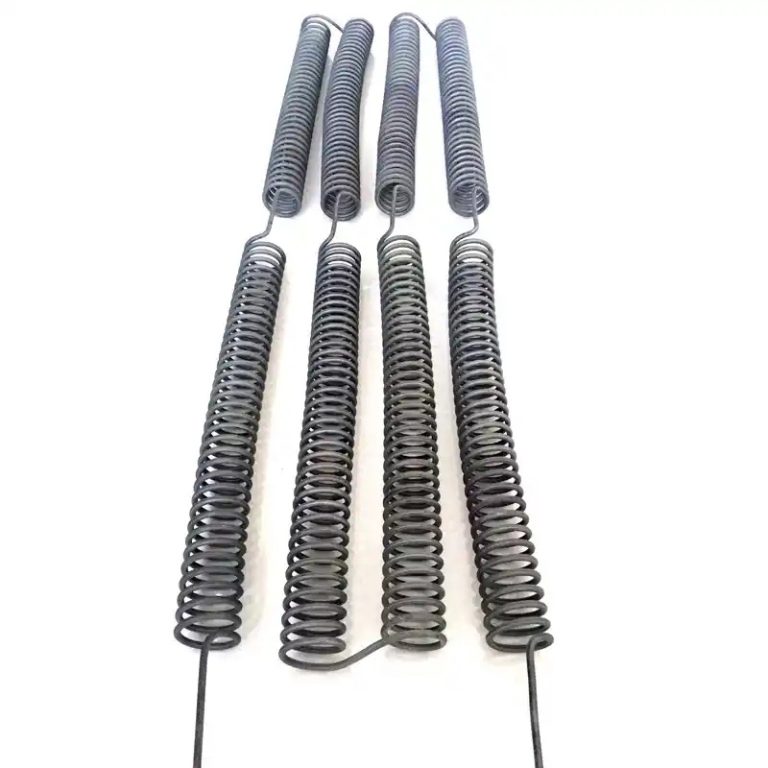
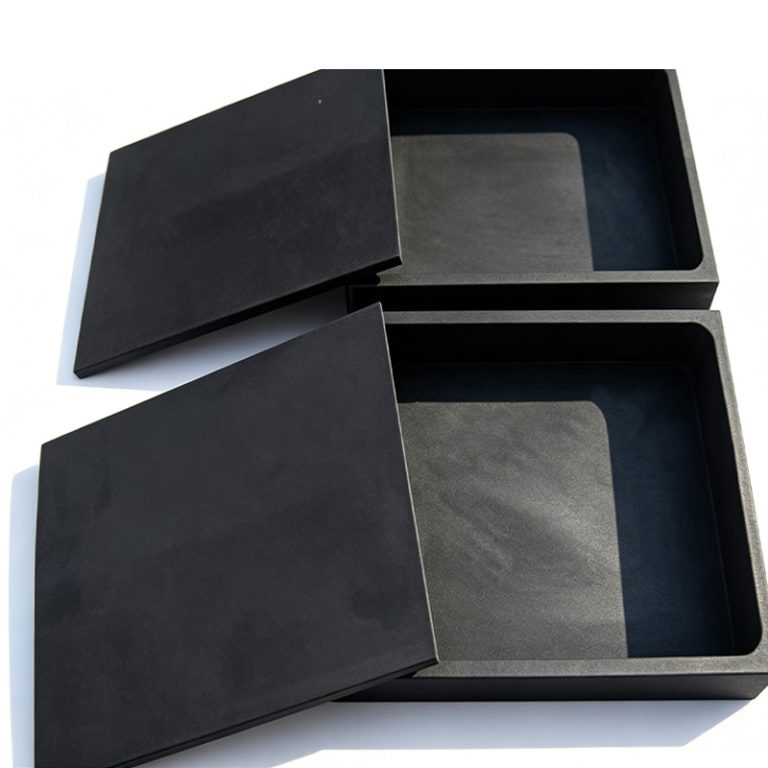
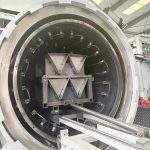
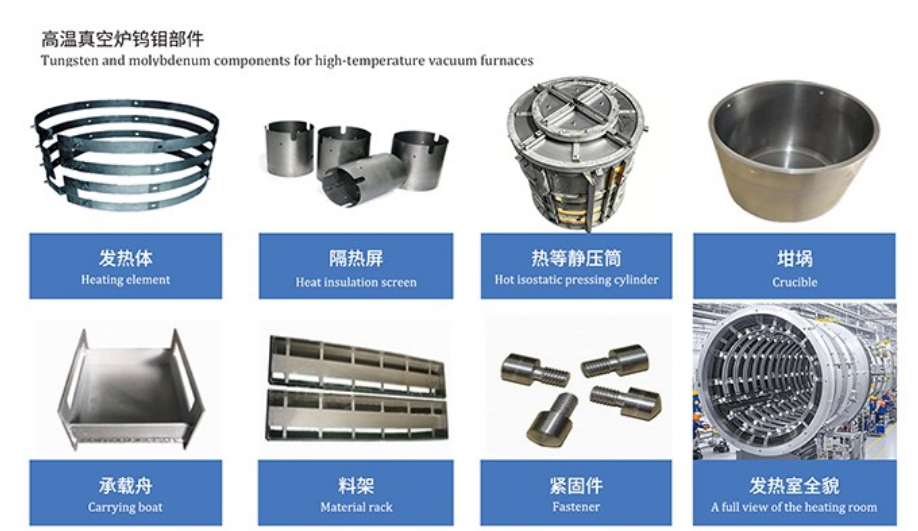
Tungsten-molybdenum heating screens are core insulation and heating components in the heating chamber of vacuum furnaces. They are primarily made of high-melting-point metals such as tungsten and molybdenum, and feature high temperature resistance, low vapor pressure, strong oxidation resistance, and good thermal stability.Tungsten-molybdenum heating screens are widely used in vacuum heat treatment furnaces, vacuum sintering furnaces, vacuum melting furnaces, and high-temperature experimental equipment. They effectively reduce heat loss, improve furnace temperature uniformity and thermal efficiency, and ensure stable processing of products under high-temperature vacuum conditions.
Caratteristiche del prodotto
- Ultra-High Temperature Resistance
Made with high-melting-point metals such as tungsten and molybdenum, it can withstand long-term high-temperature operation in vacuum or protective atmosphere environments, meeting the requirements of high-temperature sintering, trattamento termico, and other processes.
- Excellent Thermal Insulation
The multi-layer structure design reduces heat radiation loss, improves furnace thermal efficiency, reduces equipment energy consumption, and enhances furnace temperature stability.
- Good Vacuum Adaptability
Tungsten and molybdenum materials have low saturated vapor pressure and are not easily volatilized in a high vacuum environment, which can effectively avoid contamination of the workpiece.
- High-Temperature Structural Stability
The material has a low coefficient of thermal expansion, exhibiting dimensional stability at high temperatures and strong resistance to deformation, ensuring long-term reliable operation of the heating chamber.
- Customizable Design
The number of heating screen layers, size, forma, and installation method can be customized according to different vacuum furnace structures, temperature requirements, and process needs.
| Item | Specification |
|---|---|
| Product Name | Tungsten-Molybdenum Heating Shield |
| Material | Tungsten, molybdenum, and tungsten-molybdenum alloy |
| Operating Environment | Vacuum, high-purity protective atmosphere |
| Main Functions | Riscaldamento, thermal insulation, reducing heat loss |
| Applicable Equipment | Heating chambers of vacuum furnaces and high-temperature furnaces |
| Product Form | Customizable according to equipment structure |
Aree di applicazione
- Vacuum Sintering Furnace: Used for high-temperature vacuum sintering processes of cemented carbide and ceramic materials, providing a uniform and stable heating environment.
- Vacuum Annealing Furnace: Used for vacuum annealing of metallic materials and precision parts, ensuring temperature uniformity and process consistency.
- Crystal Growth Equipment: Used in the heating chambers of furnaces for growing semiconductor materials such as sapphire and silicon crystals, requiring extremely high temperature uniformity and stability.
- Vacuum Brazing Furnace: Used for vacuum brazing processes of aerospace components and precision assemblies.
- High-Temperature Heat Treatment Furnace: Suitable for high-temperature material heat treatment in metallurgy, nuclear industry, and weaponry industries.
- MOCVD Equipment: Used as a heat shield for MOCVD heaters, providing a stable reaction thermal field for chemical vapor deposition processes.
- Ricerca scientifica e sviluppo di nuovi materiali: Suitable for high-temperature experimental research in materials science, semiconductor physics, and other related fields in universities and research institutes.
Cmpany Profile
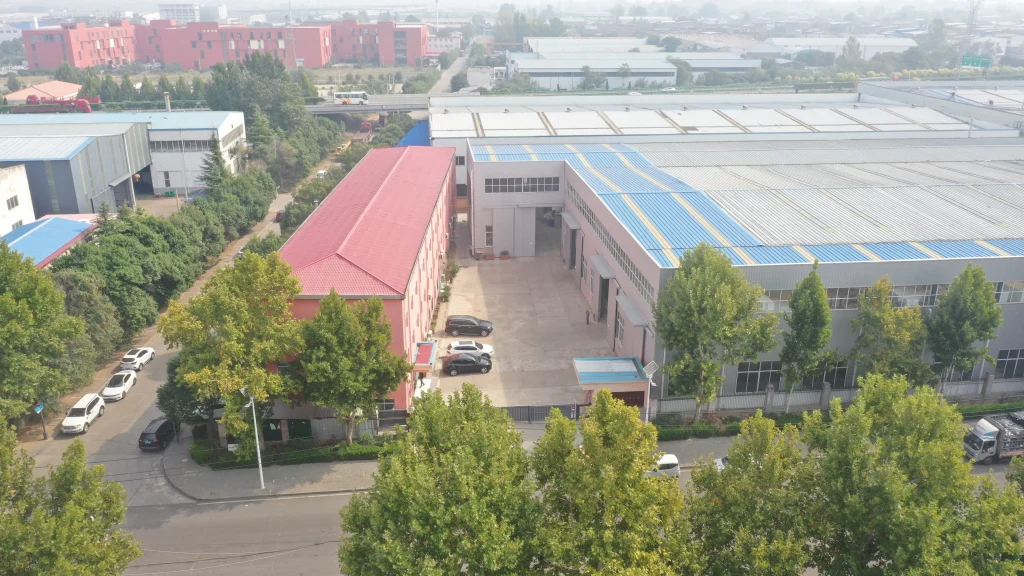
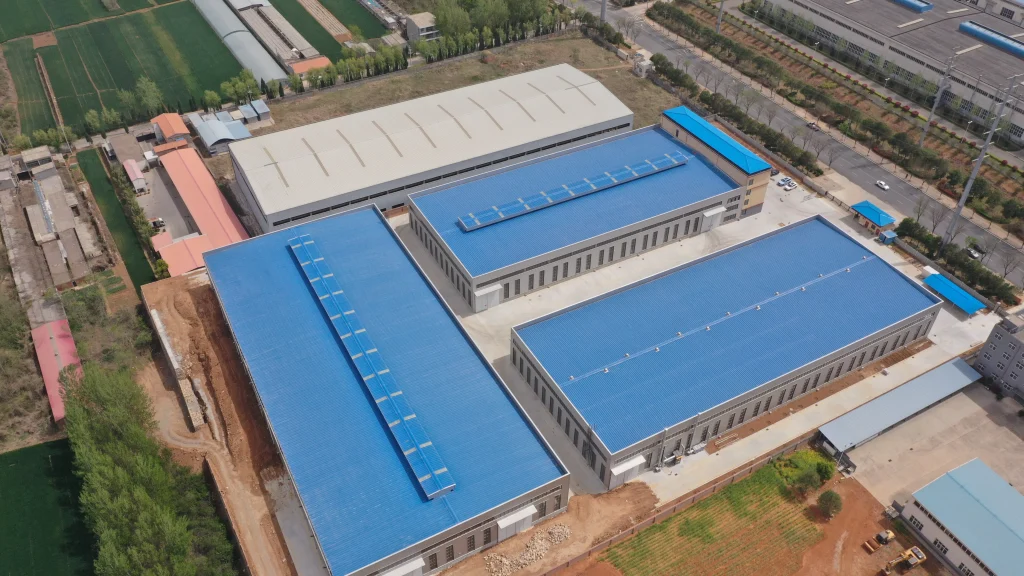
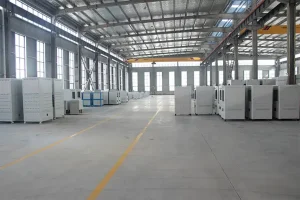
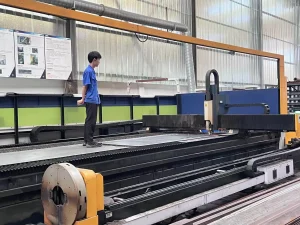
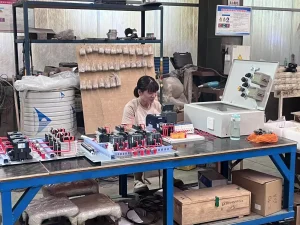
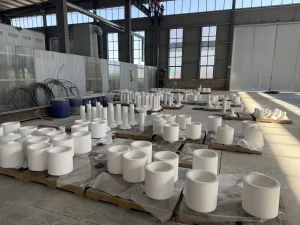
Un'impresa professionale specializzata in servizi tecnologici di trattamento termico e il marchio R&D, produzione, e vendita di forni elettrici ad alta temperatura.
L'azienda si concentra sullo sviluppo di forni elettrici ad alta temperatura che coprono un intervallo di temperature compreso tra -100 ℃ e 2600 ℃. I suoi prodotti includono forni elettrici sperimentali, forni in atmosfera sottovuoto, forni industriali, e apparecchiature di riscaldamento a induzione a media frequenza. I prodotti principali includono forni a scatola, forni tubolari, forni di sollevamento, forni a spinta, forni a carrelli, forni rotanti, forni a tunnel, e vari forni specializzati a media frequenza.
L'azienda aderisce all'innovazione tecnologica e ha superato le certificazioni ISO9001 e EU CE. Possiede 21 marchi registrati, 29 brevetti, E 27 diritti d'autore sul software.
Metodi di pagamento
TT
Metodi di spedizione
Il forno elettrico è confezionato in Il forno elettrico è confezionato in tre strati: prima avvolto in carta schiuma, poi avvolto in pellicola di plastica, e infine imballato in una cassa di legno.
Domande frequenti (Domande frequenti)
- Where are tungsten-molybdenum heating screens mainly installed?
They are mainly installed inside the heating chamber of a vacuum furnace, serving as insulation and heat radiation shielding components for the heating system.
- What temperature environments are tungsten-molybdenum heating screens suitable for?
They are suitable for high-temperature environments under vacuum and protective atmospheres. The specific operating temperature depends on the material type, furnace structure, and process conditions.
- What are the differences between tungsten and molybdenum materials?
Tungsten has a higher melting point and better high-temperature resistance, while molybdenum has good processing performance and thermal stability. The choice can be made based on furnace temperature and process requirements.
- Can tungsten-molybdenum heating screens be customized?
SÌ. Non-standard designs and manufacturing are available based on the vacuum furnace size, heating power, temperature requirements, and installation structure.
- What are the functions of tungsten-molybdenum heating screens?
The main functions are to reduce heat radiation loss, improve temperature uniformity within the furnace, reduce energy consumption, and protect the furnace body and workpiece processing quality.