Luoyang Anjing Intelligence Equipment es líder mundial en hornos eléctricos de alta temperatura



Tungsten Molybdenum Heating Screen | High Temperature Furnace Heating Element


PARÁMETROS DEL PRODUCTO
Descripción
Tungsten-Molybdenum Heating Screen
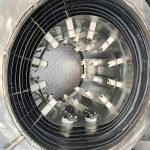
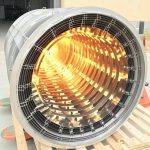
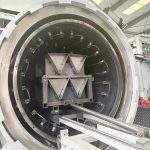
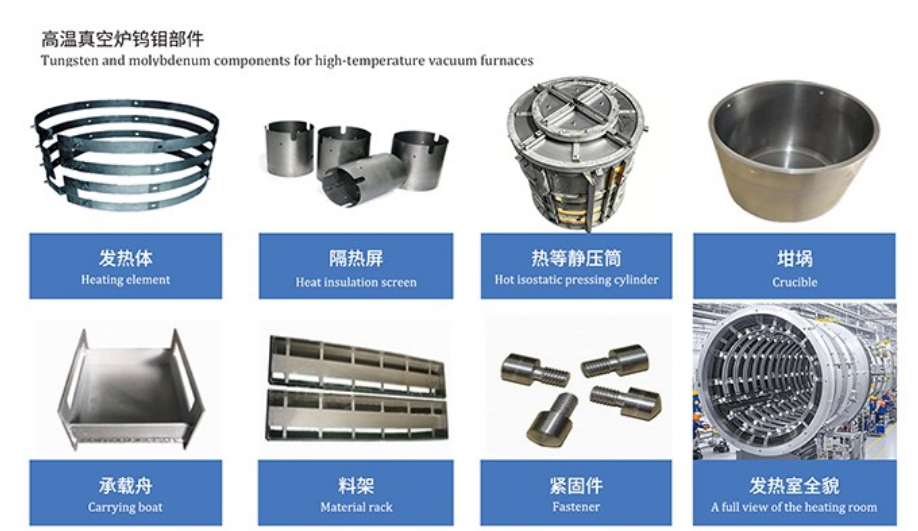
Tungsten-molybdenum heating screens are core insulation and heating components in the heating chamber of vacuum furnaces. They are primarily made of high-melting-point metals such as tungsten and molybdenum, and feature high temperature resistance, low vapor pressure, strong oxidation resistance, and good thermal stability.Tungsten-molybdenum heating screens are widely used in vacuum heat treatment furnaces, vacuum sintering furnaces, vacuum melting furnaces, and high-temperature experimental equipment. They effectively reduce heat loss, improve furnace temperature uniformity and thermal efficiency, and ensure stable processing of products under high-temperature vacuum conditions.
Características del producto
- Ultra-High Temperature Resistance
Made with high-melting-point metals such as tungsten and molybdenum, it can withstand long-term high-temperature operation in vacuum or protective atmosphere environments, meeting the requirements of high-temperature sintering, tratamiento térmico, and other processes.
- Excellent Thermal Insulation
The multi-layer structure design reduces heat radiation loss, improves furnace thermal efficiency, reduces equipment energy consumption, and enhances furnace temperature stability.
- Good Vacuum Adaptability
Tungsten and molybdenum materials have low saturated vapor pressure and are not easily volatilized in a high vacuum environment, which can effectively avoid contamination of the workpiece.
- High-Temperature Structural Stability
The material has a low coefficient of thermal expansion, exhibiting dimensional stability at high temperatures and strong resistance to deformation, ensuring long-term reliable operation of the heating chamber.
- Customizable Design
The number of heating screen layers, tamaño, forma, and installation method can be customized according to different vacuum furnace structures, requisitos de temperatura, and process needs.
| Item | Specification |
|---|---|
| Product Name | Tungsten-Molybdenum Heating Shield |
| Material | Tungsten, molybdenum, and tungsten-molybdenum alloy |
| Operating Environment | Vacuum, high-purity protective atmosphere |
| Main Functions | Heating, thermal insulation, reducing heat loss |
| Applicable Equipment | Heating chambers of vacuum furnaces and high-temperature furnaces |
| Product Form | Customizable according to equipment structure |
Áreas de aplicación
- Vacuum Sintering Furnace: Used for high-temperature vacuum sintering processes of cemented carbide and ceramic materials, providing a uniform and stable heating environment.
- Vacuum Annealing Furnace: Used for vacuum annealing of metallic materials and precision parts, ensuring temperature uniformity and process consistency.
- Crystal Growth Equipment: Used in the heating chambers of furnaces for growing semiconductor materials such as sapphire and silicon crystals, requiring extremely high temperature uniformity and stability.
- Vacuum Brazing Furnace: Used for vacuum brazing processes of aerospace components and precision assemblies.
- High-Temperature Heat Treatment Furnace: Suitable for high-temperature material heat treatment in metallurgy, nuclear industry, and weaponry industries.
- MOCVD Equipment: Used as a heat shield for MOCVD heaters, providing a stable reaction thermal field for chemical vapor deposition processes.
- Scientific Research and New Material Development: Suitable for high-temperature experimental research in materials science, semiconductor physics, and other related fields in universities and research institutes.
Cmpany Profile
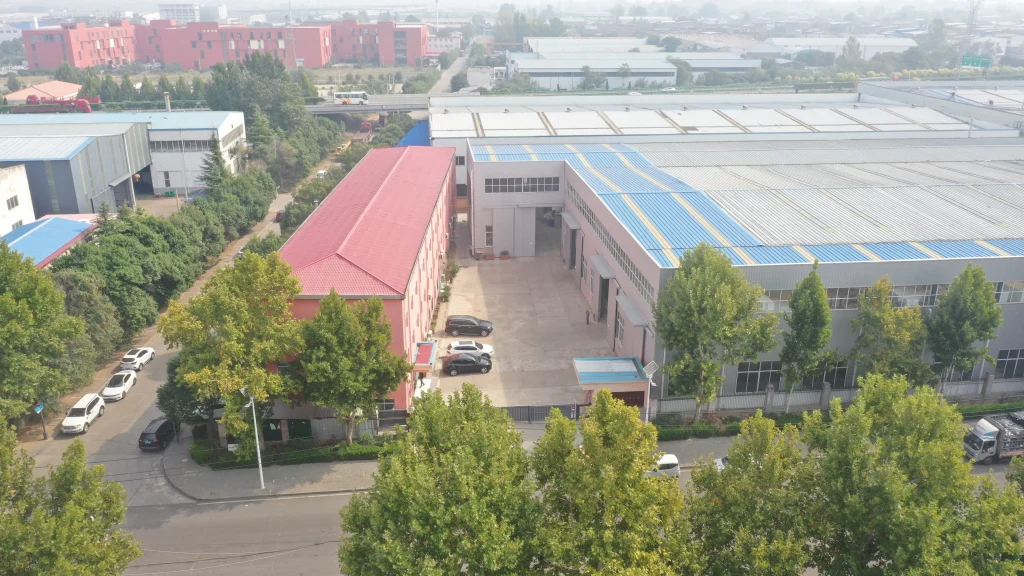
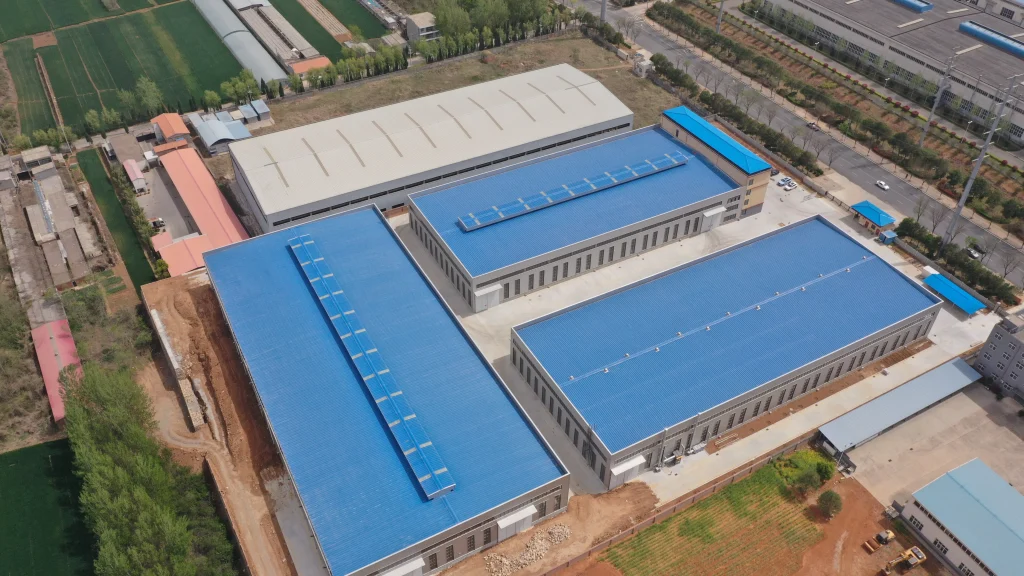
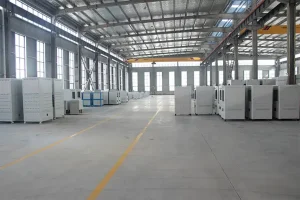
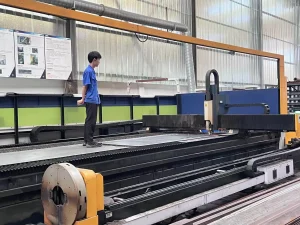
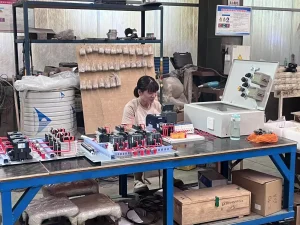
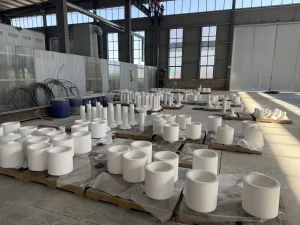
Una empresa profesional especializada en servicios de tecnología de tratamiento térmico y R.&D, fabricación, y venta de hornos eléctricos de alta temperatura.
La empresa se centra en el desarrollo de hornos eléctricos de alta temperatura que cubren un rango completo de temperatura de -100 ℃ a 2600 ℃.. Entre sus productos se encuentran hornos eléctricos experimentales., hornos de atmósfera de vacío, hornos industriales, y equipos de calentamiento por inducción de media frecuencia. Los principales productos incluyen hornos de caja., hornos tubulares, hornos elevadores, hornos de empuje, hornos de bogie, hornos rotativos, hornos de túnel, y varios hornos especializados de media frecuencia.
La empresa se adhiere a la innovación tecnológica y ha aprobado las certificaciones ISO9001 y CE de la UE.. posee 21 marcas registradas, 29 patentes, y 27 derechos de autor del software.
Métodos de pago
TT
Métodos de envío
The electric furnace is packaged in thThe electric furnace is packaged in three layers: primero envuelto en papel de espuma, luego envuelto en película plástica, y finalmente embalado en una caja de madera..
Preguntas frecuentes (Preguntas frecuentes)
- Where are tungsten-molybdenum heating screens mainly installed?
They are mainly installed inside the heating chamber of a vacuum furnace, serving as insulation and heat radiation shielding components for the heating system.
- What temperature environments are tungsten-molybdenum heating screens suitable for?
They are suitable for high-temperature environments under vacuum and protective atmospheres. The specific operating temperature depends on the material type, furnace structure, and process conditions.
- What are the differences between tungsten and molybdenum materials?
Tungsten has a higher melting point and better high-temperature resistance, while molybdenum has good processing performance and thermal stability. The choice can be made based on furnace temperature and process requirements.
- Can tungsten-molybdenum heating screens be customized?
Sí. Non-standard designs and manufacturing are available based on the vacuum furnace size, heating power, requisitos de temperatura, and installation structure.
- What are the functions of tungsten-molybdenum heating screens?
The main functions are to reduce heat radiation loss, improve temperature uniformity within the furnace, reduce energy consumption, and protect the furnace body and workpiece processing quality.