


Luoyang Anjing Intelligence Equipment er en global leder innen elektriske høytemperaturovner



Industrielle elektriske ovner
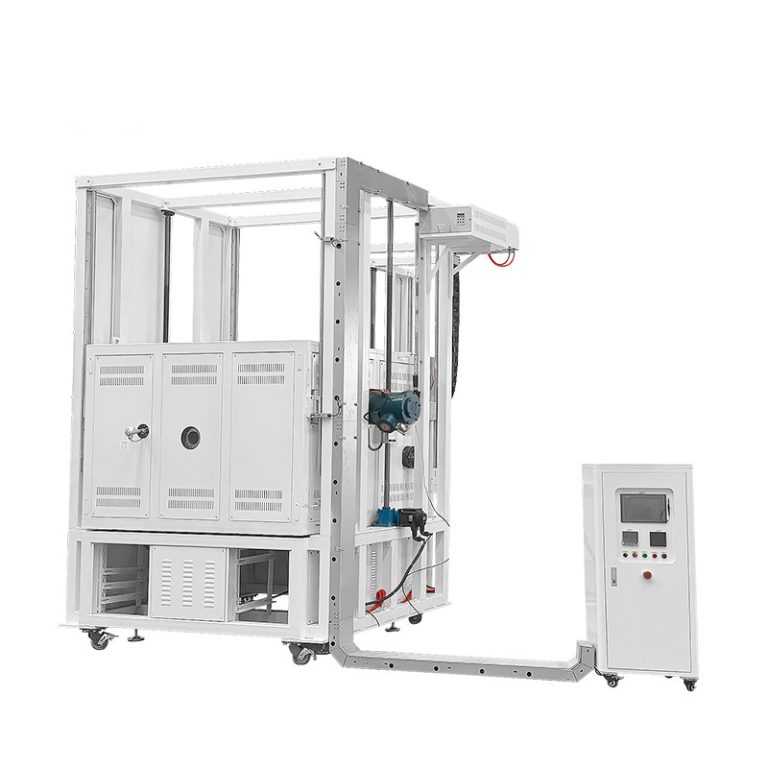
Reliable 600°C Hot Air Circulating Lifting Furnace for Clean Atmosphere Processing
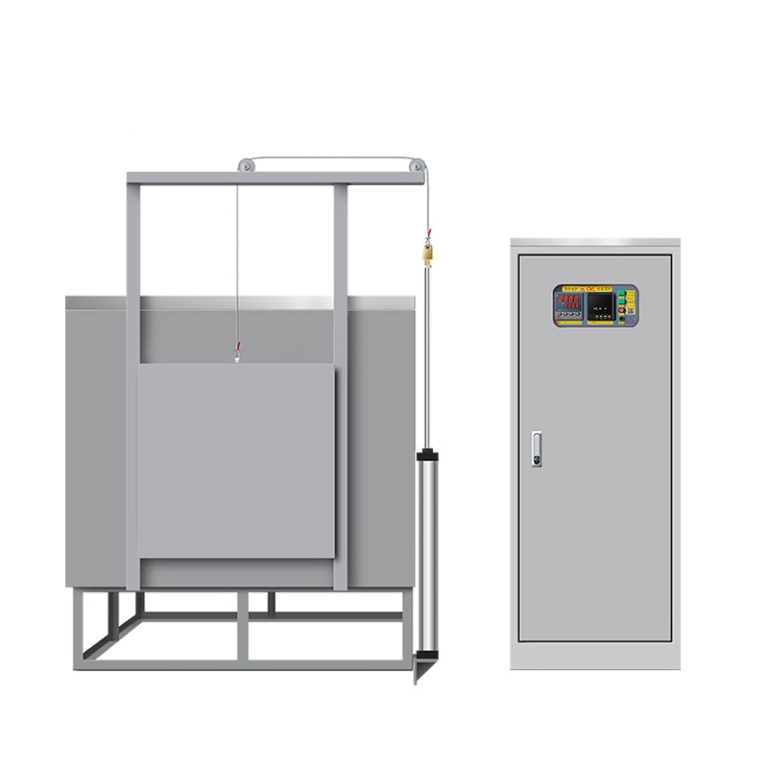
Reliable Top-Opening Laboratory Box Furnace for Materials Research
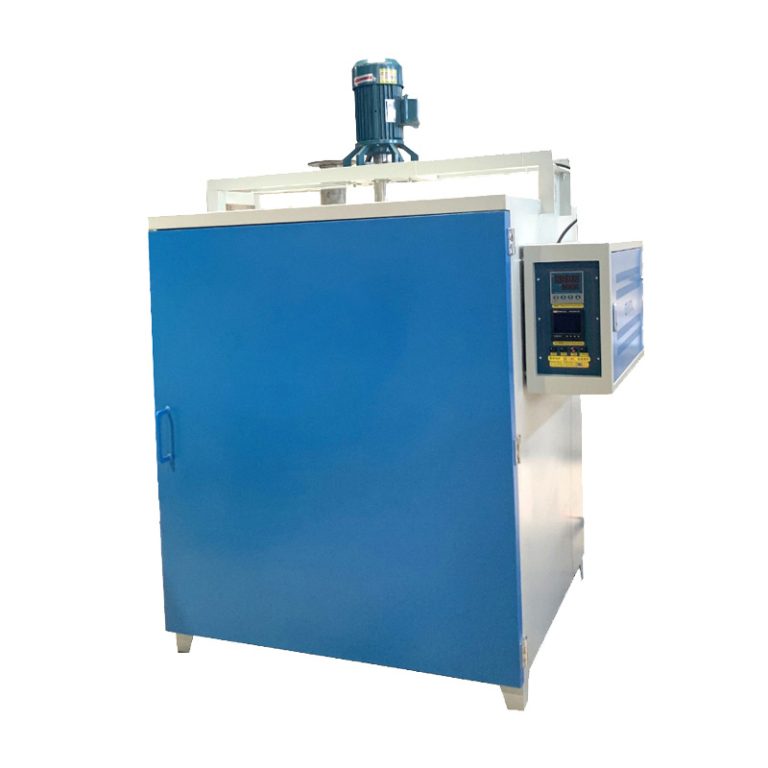
Pålitelig avvoksings- og avfettingsovn for pulvermetallurgi og keramiske komponenter
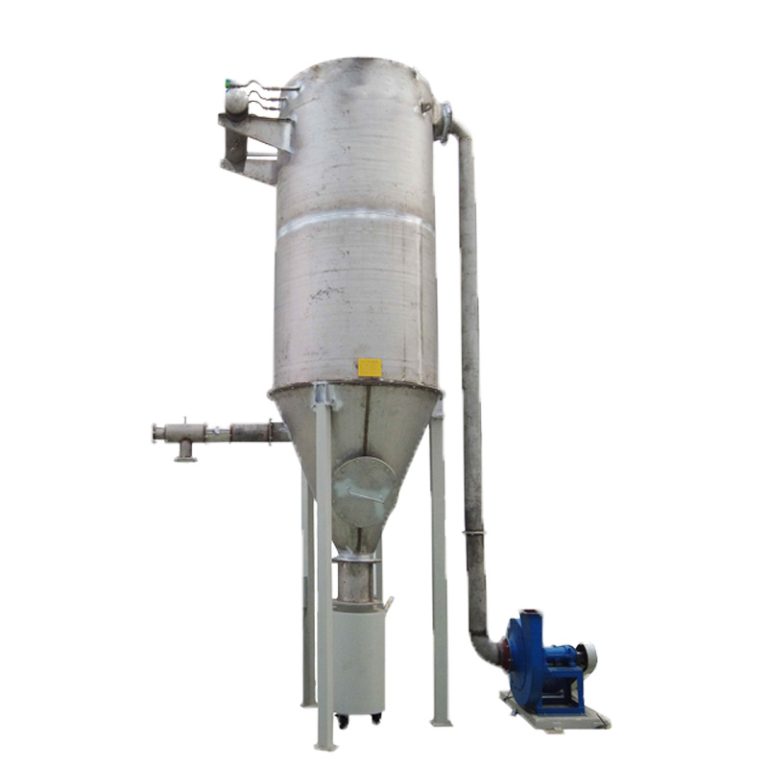
Høytemperatur støvoppsamling og filtreringssystem for industriovner
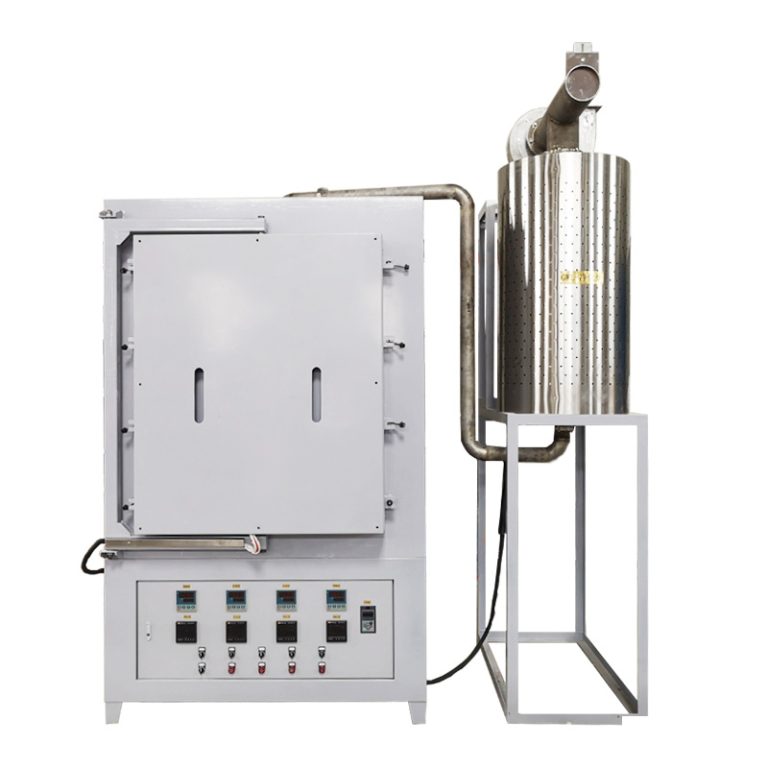
Avfettingsovn for rensing av eksosgass
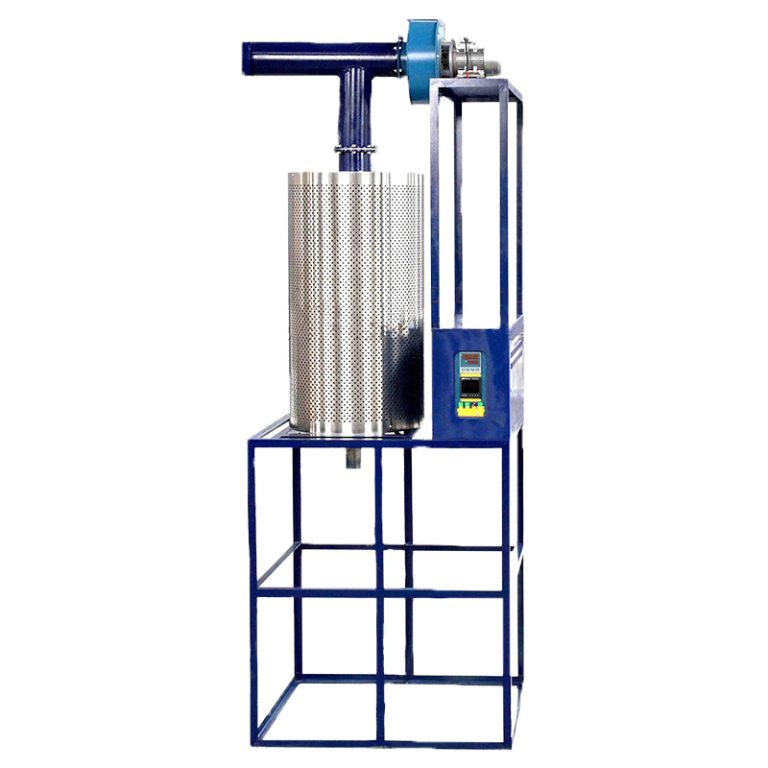
Liten VOC-avgassrenseovn
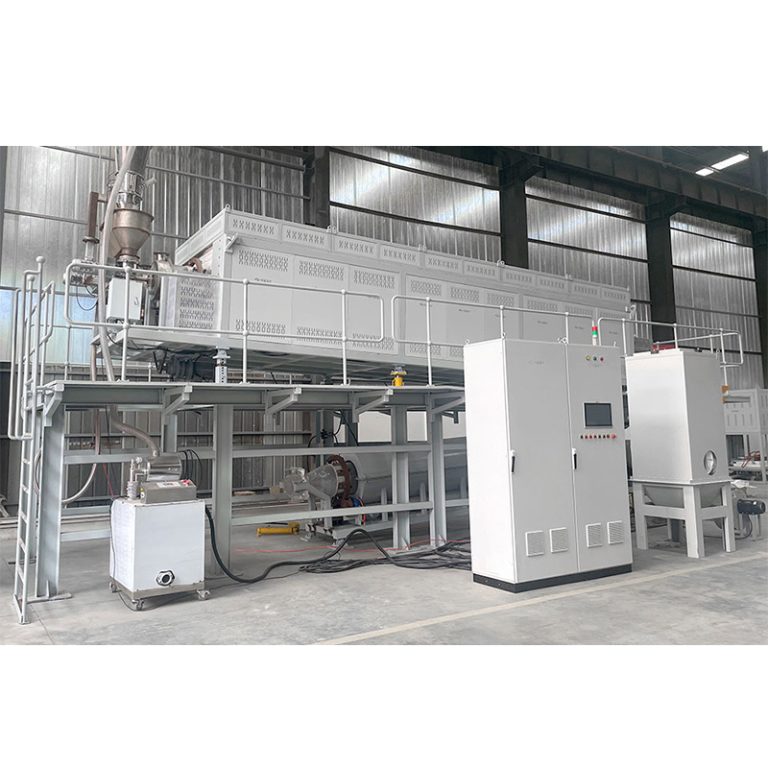
Reliable 1150°C Double-Tube Rotary Calcining Furnace with Quartz Glass Tubes
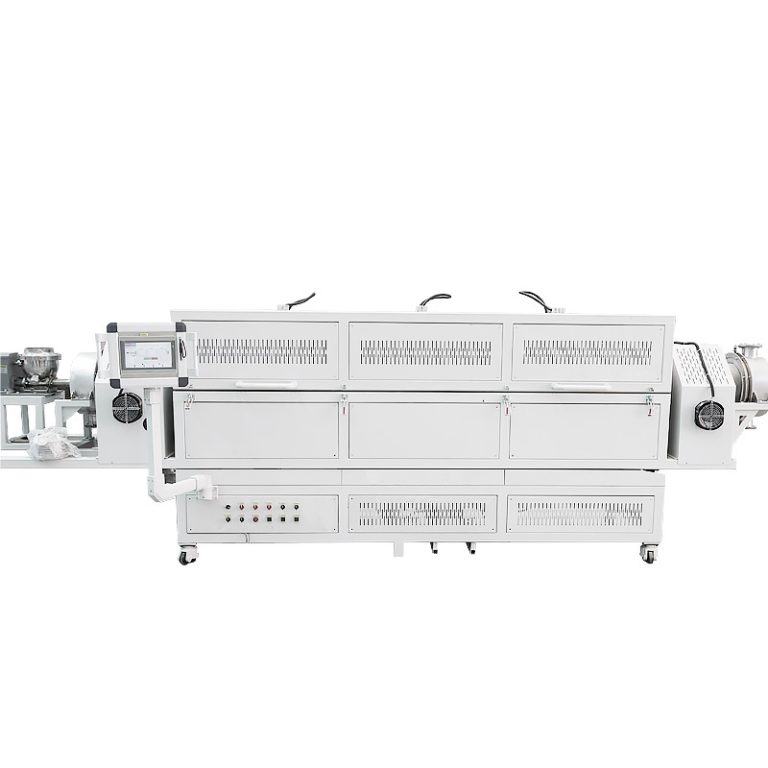
Reliable 1100°C Rotary Inclined Tube Furnace for Nanomaterial Sintering
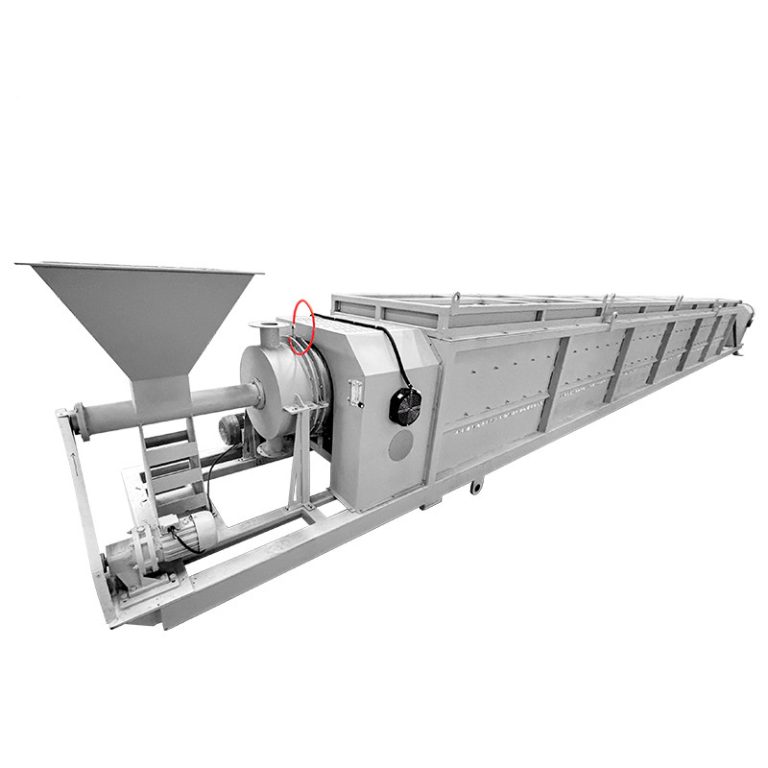
600°C Tubular Electric Furnace for Laboratory and Industrial Heating Applications
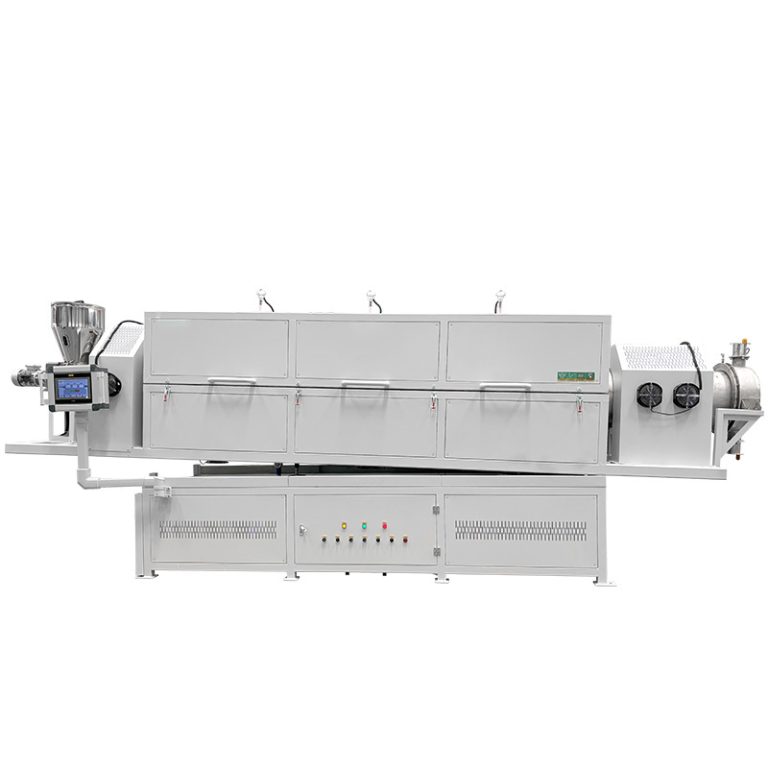
Reliable 1000°C Rotary Kiln for Calcination and Heat Treatment
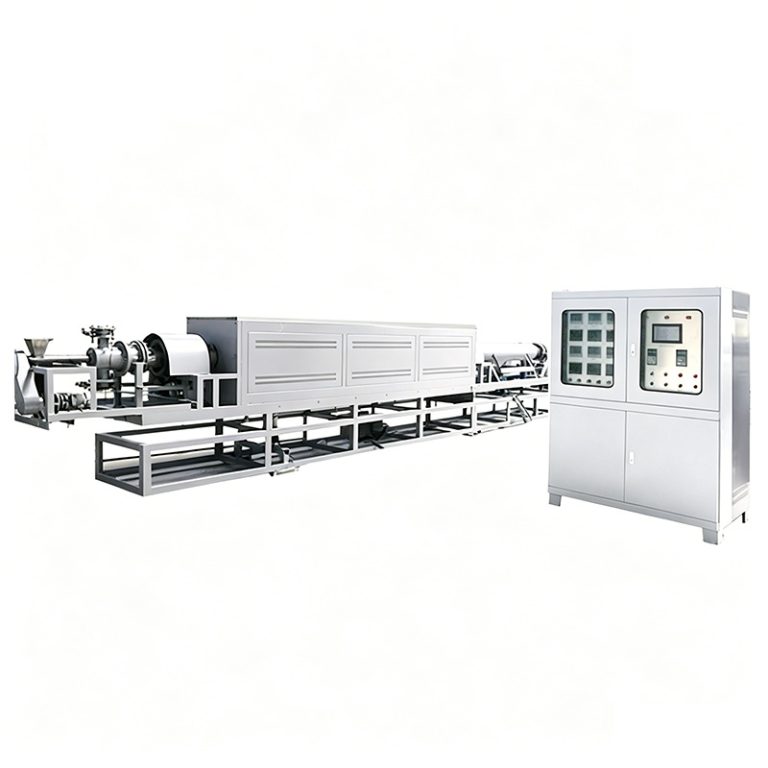
Reliable 1000°C Rotary Kiln for Calcination and Heat Treatment
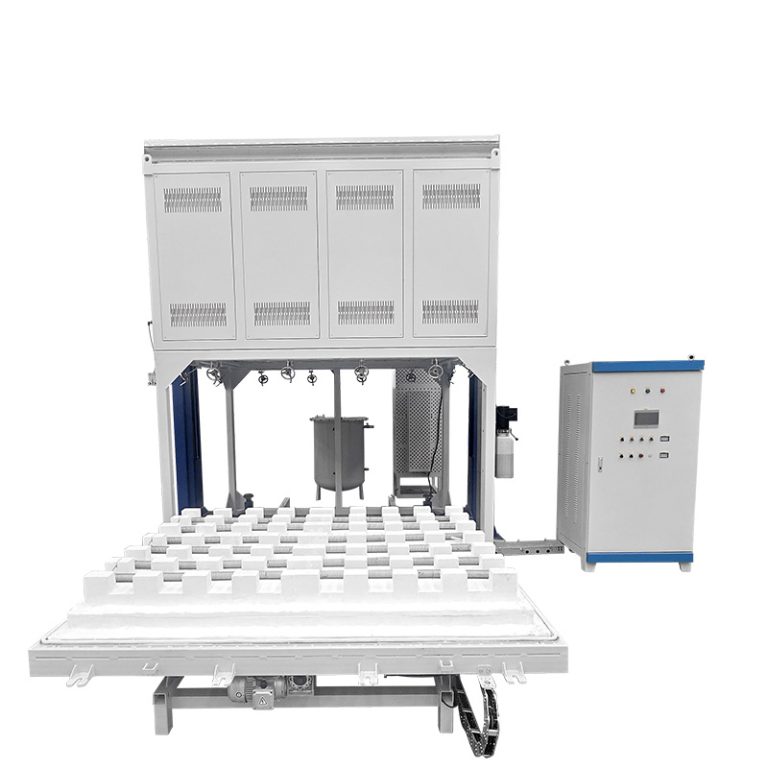
Reliable 1100°C Vacuum Atmosphere Lifting Furnace with Dust Filtration and VOC Exhaust Gas Purification
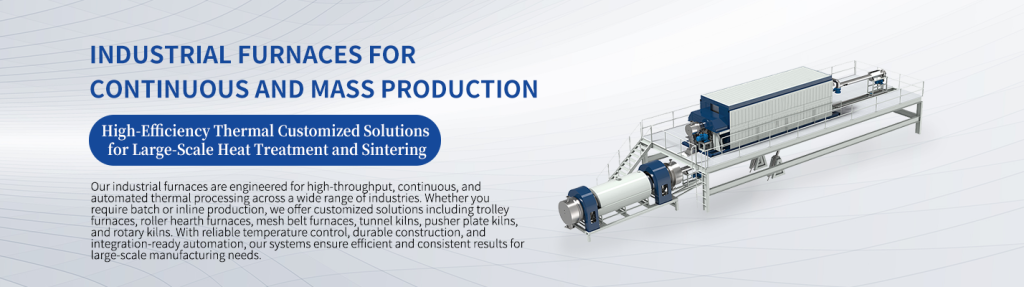
Industrial electric furnaces suitable for large-scale production and heat treatment | Customizable solutions
An industrial electric furnace is a high-temperature heating device used in industrial production environments, widely applied in metal processing, material heat treatment, keramisk sintring, and machinery manufacturing.It provides a stable, uniform, and controllable heating environment under high-temperature conditions, meeting the needs of large-scale industrial production and continuous processes.
Compared to experimental electric furnaces, industrial electric furnaces place greater emphasis on production capacity, structural strength, and long-term stable operation, making them an indispensable piece of heat processing equipment in modern manufacturing.
What is an industrial electric furnace?
An industrial electric furnace is an industrial device that converts electrical energy into heat energy to perform high-temperature heating treatments on workpieces or materials.
It is mainly used in heat treatment, smelting, or sintering processes in large-scale production.
Typical applications include:
- Metal heat treatment
- Workpiece heating and forging preheating
- Material sintering and forming
- Industrial melting and heat preservation
Main Application Areas
Industrial electric furnaces are widely used in the following industries:
| Metal Heat Treatment Industry | Improve mechanical properties and microstructure of metals | • Annealing • Normalizing • Quenching • Tempering • Stress relief treatment |
| Casting & Forging Industry | Metal heating and pre-forming treatment | • Metal melting • Forging heating • Mold preheating • Casting holding/soaking |
| Powder Metallurgy & Materials Industry | High-performance material preparation processes | • Metal powder sintering • Cemented carbide preparation • Ceramic material sintering |
| Machinery Manufacturing Industry | Component heat treatment and performance optimization | • Gear heat treatment • Shaft component treatment • Mold strengthening treatment |
| Nytt materiale R&D & Industrial Trials | Industrial-scale process validation and material development | • New material testing • Process parameter optimization • Small-batch trial production |
Industrial Electric Furnace Types
We offer a variety of industrial electric furnaces and heat treatment equipment to meet diverse industrial application needs, including heat treatment, sintring, tørking, calcination, continuous production, and mass production.
Bilbunnovn
Car bottom furnaces feature a movable furnace bottom design, suitable for high-temperature heat treatment and sintering processes of large and heavy workpieces.
Main Features:
- Easy loading and unloading via trolley
- High load-bearing capacity, suitable for large workpieces
- Uniform furnace temperature, high thermal efficiency
- Widely used in machinery manufacturing, casting, og varmebehandlingsindustrien.
Elektrisk tørkeovn
Electric drying ovens are mainly used for product drying, preheating, curing, and low-temperature heat treatment, meeting the requirements of various industrial production processes.
Main Features:
- Precise temperature control
- Uniform hot air circulation
- Energy-efficient
- Suitable for electronics, chemical, and coating industries.
Pusher Kiln
Pusher kilns use a continuous pusher conveying method, enabling continuous and high-efficiency sintering production.
Key Features:
- High continuous production capacity
- High degree of automation
- Good product consistency
- Suitable for electronic ceramics, pulvermetallurgi, and advanced ceramics industries
Tunnelovn
Tunnel kilns are suitable for large-scale continuous sintering and heat treatment production, enabling stable and efficient industrial manufacturing.
Key Features:
- Continuous operation
- Low energy consumption
- High production efficiency
- Suitable for ceramics, refractory materials, and building materials industries
Industriell roterende ovn
Industrial rotary kilns employ a rotating furnace design, enabling continuous calcination and heat treatment of powders, granules, and bulk materials.
Key Features:
- Uniform material heating
- Continuous production
- Automated control
- Widely used in metallurgy, chemical, new energy, and environmental protection industries
Rulleildovn
Roller hearth kilns utilize a roller conveyor system, suitable for continuous sintering and high-efficiency production processes.
Main Features:
- Continuous conveying
- Uniform temperature
- High degree of automation
- Suitable for electronic ceramics, lithium battery materials, and precision ceramics production
Exhaust Gas Purification/Debinding Furnace
Exhaust gas purification furnaces (debinding furnaces) are mainly used for degreasing, volatile matter treatment, and exhaust gas purification, effectively reducing harmful gas emissions during production.
Main Features:
- High-efficiency degreasing treatment
- Exhaust gas purification system
- Environmentally friendly and energy-saving
- Suitable for powder metallurgy, keramikk, and injection molding processes
Industriell boksovn
Industrial box furnaces are suitable for high-temperature heat treatment, sintring, and annealing processes of various metal and non-metal materials.
Main Features:
- Box structure
- Convenient loading and unloading
- Good temperature uniformity
- Suitable for batch heat treatment production
Industrial Tube Furnace
Industrial tube furnaces are suitable for industrial applications such as atmosphere protection, high-temperature reactions, and continuous material processing.
Key Features:
- Supports vacuum and atmosphere control
- Multi-temperature zone design available
- High temperature control accuracy
- Suitable for materials research and development and industrial production
Industrial Lift Furnace
Industrial lift furnaces utilize a furnace body or furnace door lifting structure to meet the loading and unloading needs of large workpieces and high-temperature heat treatment.
Key Features:
- Lifting structure
- Convenient loading
- Suitable for large workpieces
- Supports automated control
Industriell gropovn
Industrial pit furnaces employ a vertical pit structure, particularly suitable for the heat treatment of long shafts, bars, molds, and large parts.
Key Features:
- Vertical loading
- Small footprint
- Uniform temperature
- Widely used in machinery manufacturing, aerospace, and automotive industries
Technical Advantages
Strong high-temperature stability
Robust structure, suitable for industrial environments
Good temperature uniformity
Supports continuous or batch production
Energy-efficient design
Customizable industrial solutions
Recommended Product Solutions
Learn more about industrial electric furnaces:
Car Bottom Furnace → /products/car-bottom-furnace/
Electric Drying Oven → /products/electric-drying-oven/
Pusher Plate Kiln → /products/pusher-plate-kiln/
Tunnel Kiln → /products/tunnel-kiln/
Industrial Rotary Kiln → /products/industrial-rotary-kiln/
Roller Hearth Kiln → /products/roller-hearth-kiln/
Avgassrenseovn / Degreasing Furnace → /products/exhaust-gas-purification-furnace-degreasing-furnace/
Industrial Box Furnace → /products/industrial-box-furnace/
Industrial Tubular Furnace → /products/industrial-tubular-furnace/
Industrial Lifting Furnace → /products/industrial-lifting-furnace/
Industrial Pit Furnace → /products/industrial-pit-furnace/
Process Flow
Charging → Heating → Holding → Processing → Cooling → Unloading → Inspection
Why Choose an Industrial Electric Furnace for?
Industrial electric furnaces play a crucial role in modern manufacturing:
Improving product quality and consistency
Enhancing production efficiency
Meeting high-temperature process requirements
Supporting large-scale industrial production
Reducing production costs
Industrial Electric Furnaces Frequently Asked Questions (FAQ)
- What is the function of an industrial furnace?
Industrial furnaces are widely used in high-temperature smelting, heat treatment, and tempering in metallurgical production, as well as low-temperature drying and fermentation in some fields such as the food industry. The metal industry accounts for a significant share of total industrial energy consumption.
- What is the difference between high-temperature and low-temperature furnaces?
High-temperature industrial furnaces typically operate at temperatures above 1200℃ and are used for ceramic firing, metallsmelting, pulvermetallurgi, etc.; low-temperature industrial furnaces operate at temperatures between 200-600℃ and are used for material drying, coating curing, adhesive treatment, osv. Users need to select the appropriate furnace type based on the process temperature.
- Are industrial electric furnaces energy-intensive?
Modern industrial electric furnaces use full-fiber linings and multi-layer insulation structures, resulting in low heat storage and low heat loss, saving 30%-80% more energy compared to older refractory brick electric furnaces.
- How are temperature control accuracy and furnace temperature uniformity guaranteed?
Equipped with an intelligent PID temperature controller or a multi-zone independent temperature control system, ensuring high temperature control accuracy. Large furnaces employ multi-point temperature measurement and zoned temperature control technologies, combined with hot air circulation or radiant panel layouts, to ensure uniform temperature within the furnace to meet process requirements (f.eks., ±5℃ or higher).
- Is the furnace durable? Are maintenance costs high?
The lifespan of heating elements is affected by the heating rate, operating temperature, and atmosphere. The furnace lining material is resistant to rapid heating and cooling, and will not crack or shed slag.
Get Solution
If you need an industrial electric furnace for production or process upgrade, we can provide customized design solutions based on your material, capacity and temperature requirements.
👉 Contact us for professional industrial electric furnace solutions (24-hour response)