


Luoyang Anjing Intelligence Equipment является мировым лидером в производстве высокотемпературных электрических печей.



Новости
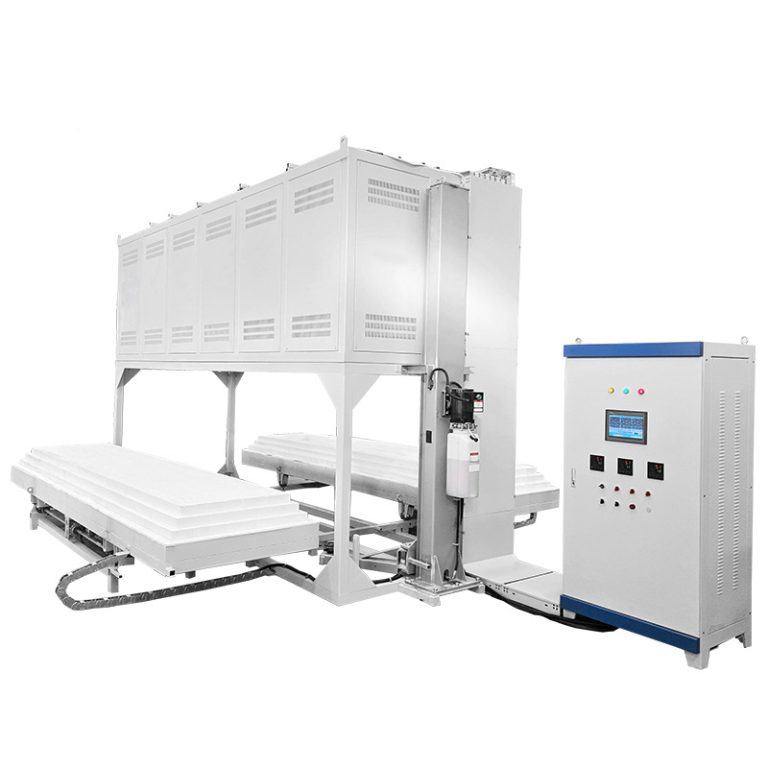
1600Электропечь с двойной подъемной платформой °C отправлена заказчику
Строгий предотгрузочный контроль перед отправкой, наши инженерные группы и группы контроля качества провели комплексную проверку электропечи и ее основных систем. Оборудование рассчитано на максимальную температуру…
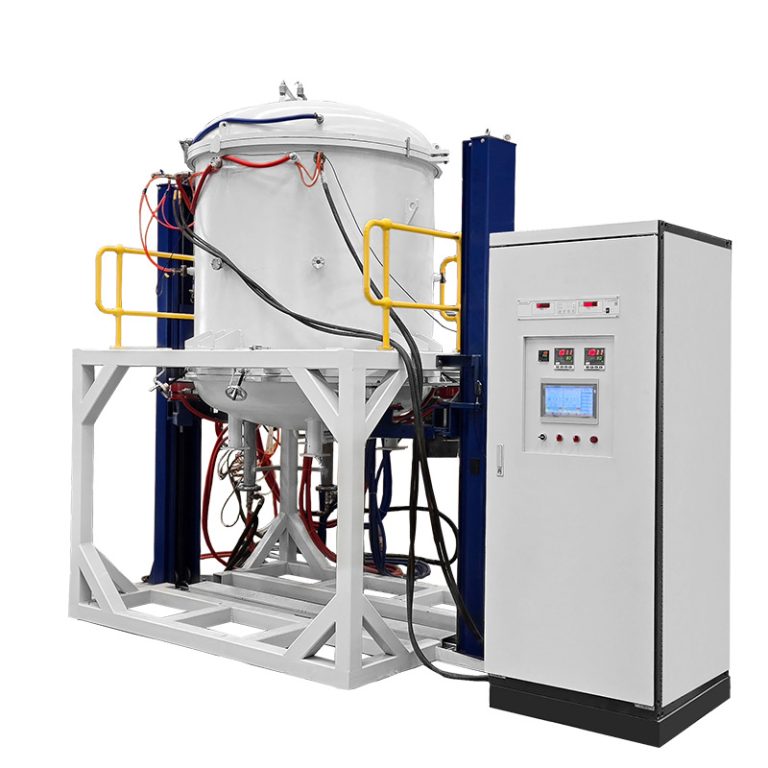
1800Вакуумная печь для отжига °C – Поставка оборудования
Высокотемпературная вакуумная печь подготовлена к отправке заказчику. Вакуумная печь для отжига при температуре 1800°C завершена и успешно отправлена заказчику.. Предназначен для высокотемпературной вакуумной термообработки., печь разработана для…
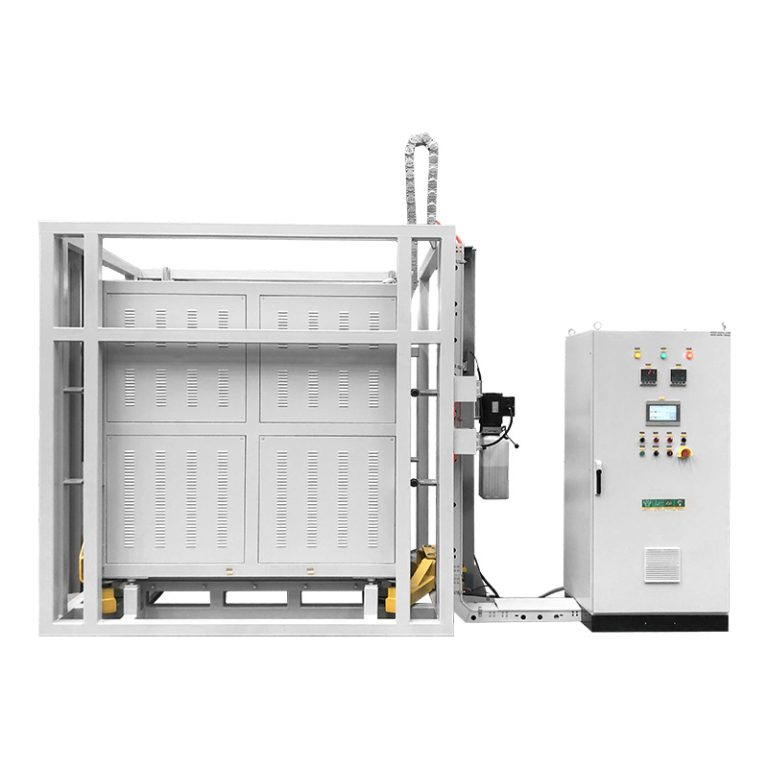
1300YS Bell Jar Furnace – Доставка оборудования
Профессиональное производство печей и надежная доставка Колпаковая печь 1300YS была завершена и успешно отправлена заказчику.. В качестве промышленной высокотемпературной печи, оборудование было подготовлено и использовано в соответствии с…
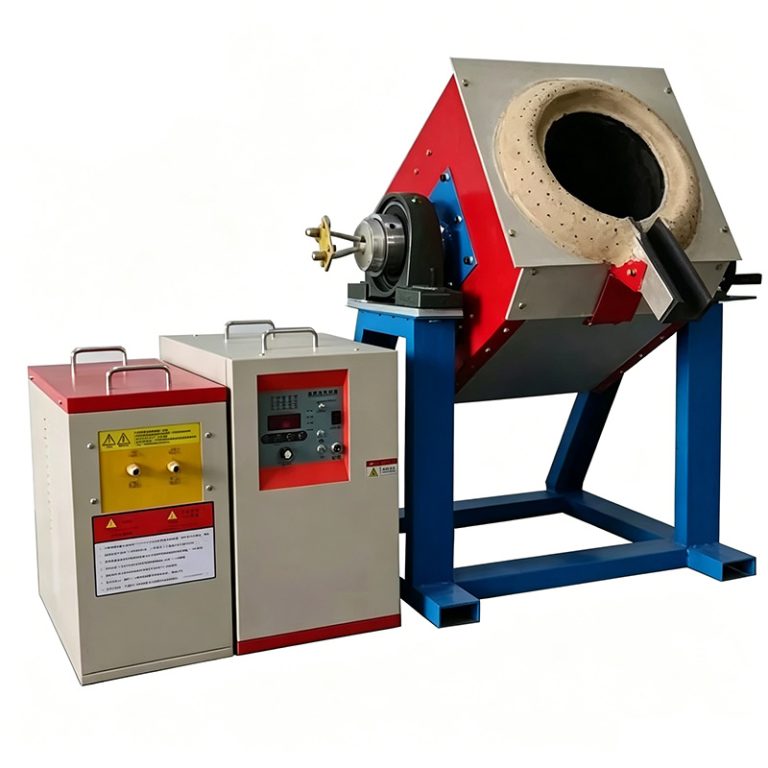
How to Improve Mold Steel Quality Using an Intermediate Frequency Furnace?
To improve mold steel quality in an intermediate frequency furnace, control raw materials, optimize slag treatment, use argon stirring, select suitable refractory materials, and apply effective deoxidation methods to reduce impurities and…
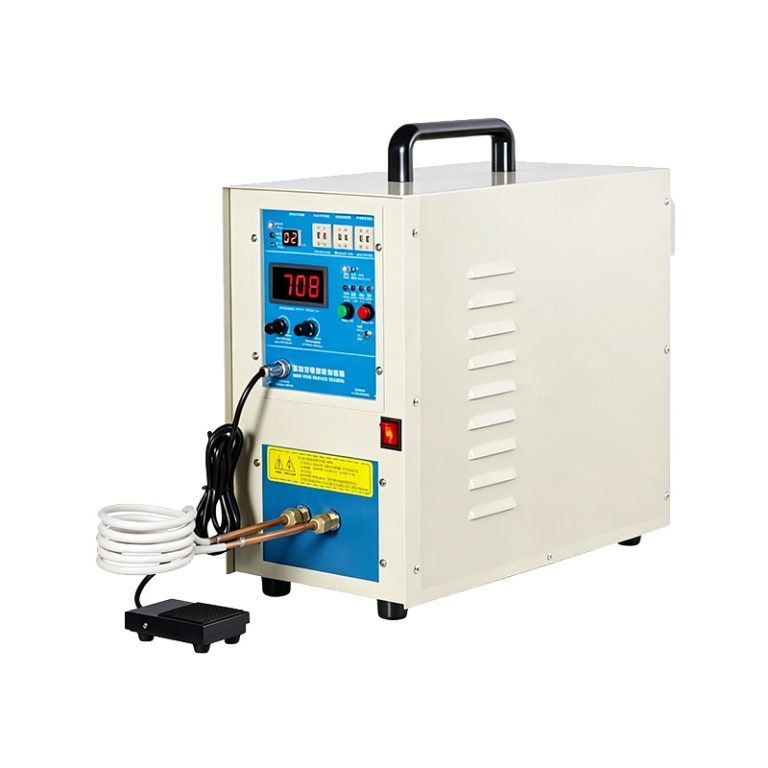
Dust Collection System for Medium-Frequency Induction Furnaces: How It Works
A medium frequency Induction Furnaces dust collection system works by capturing dust-laden fumes generated during melting, guiding the gas into a dust collector, separating larger particles in the hopper, filtering fine dust…
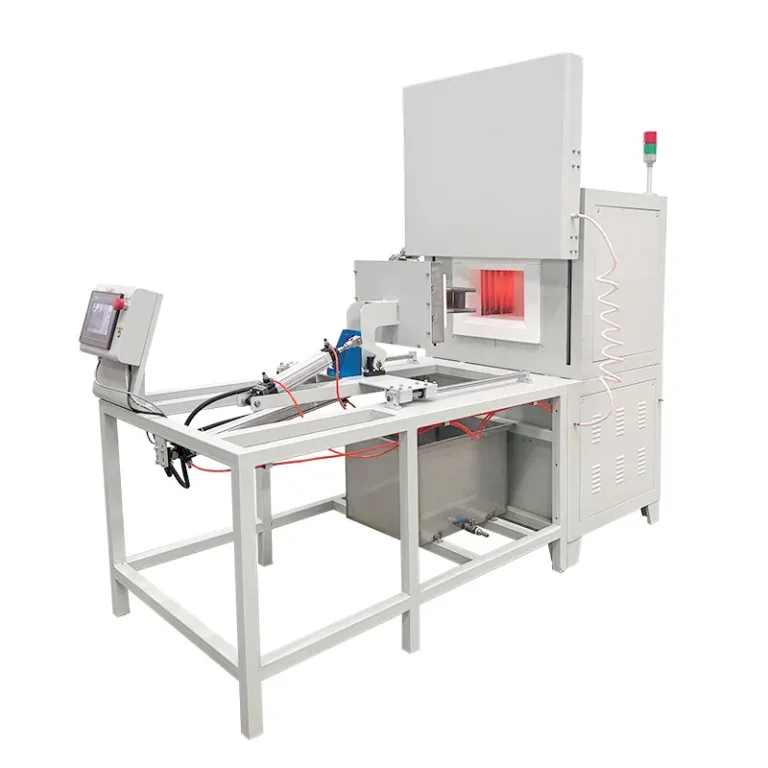
Why Does Thermal Shock Testing Require a Thermal Shock Furnace?
A thermal shock furnace is required because thermal shock testing depends on controlled, repeatable temperature changes rather than simple heating. The furnace rapidly heats a test sample to a specified temperature and…
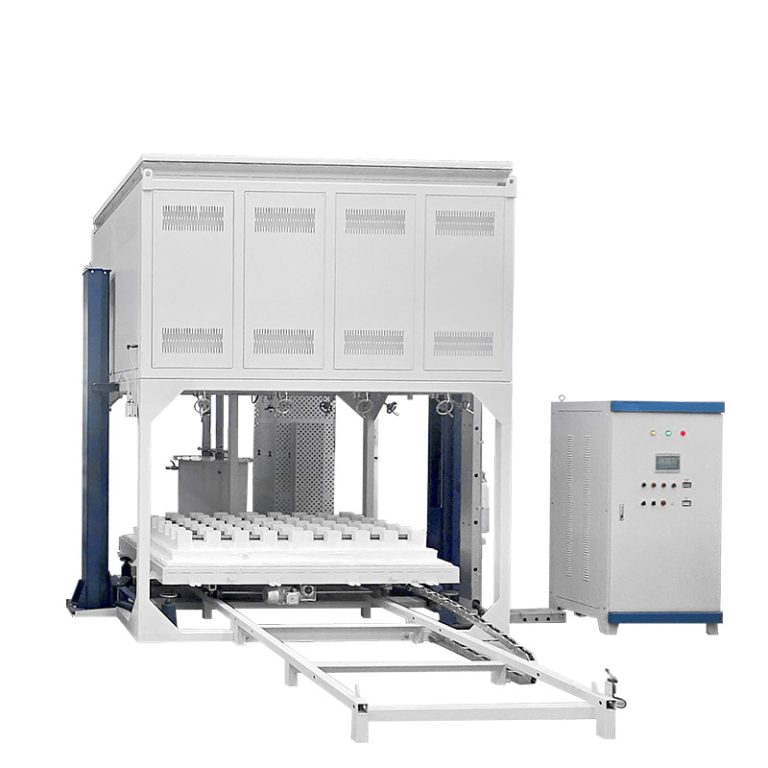
Furnace Atmosphere Gas Selection Guide: How to Choose the Right Gas
Choose furnace atmosphere gas based on the material, process temperature, desired surface reaction, and oxidation risk. Nitrogen and argon are common protective gases, while hydrogen is used for reducing atmospheres and carbon-containing…
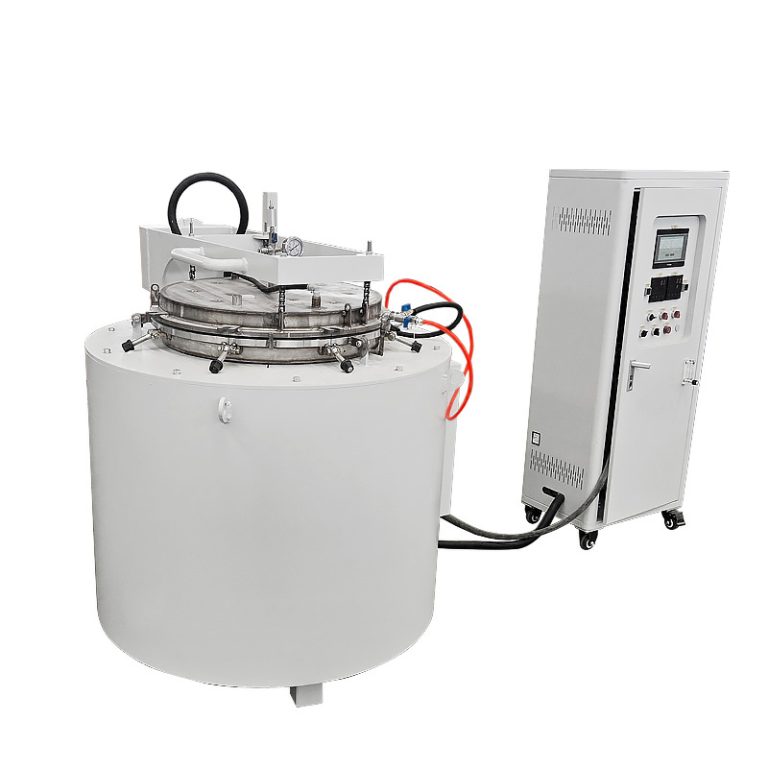
What Is Heat Treatment Process? A Complete Guide
The heat treatment process is a controlled cycle of heating, soaking, and cooling a material to change its microstructure and improve properties such as hardness, strength, toughness, ductility, wear resistance, and dimensional…
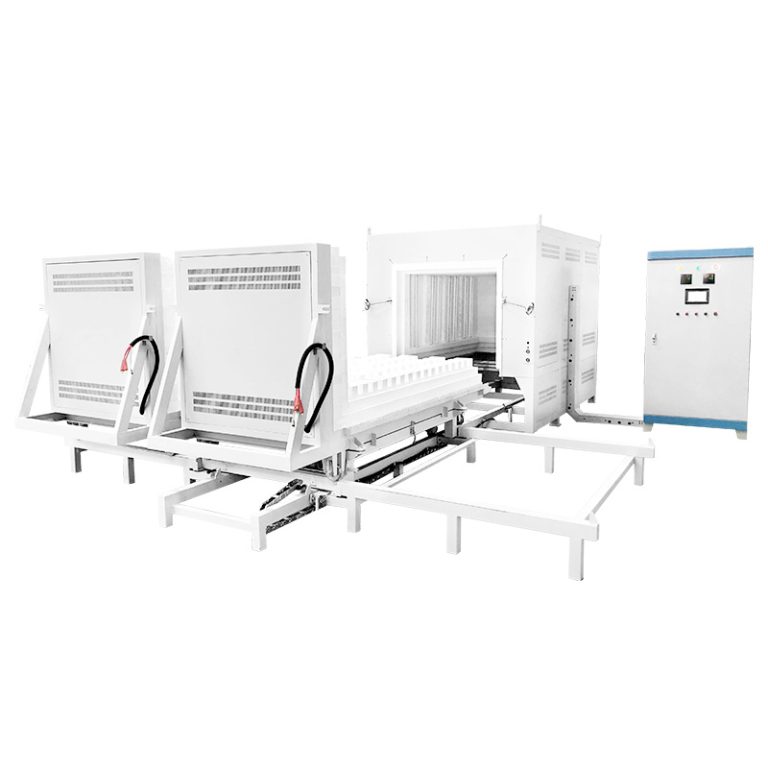
Car Bottom Furnace vs. Ямная печь: Key Differences and How to Choose
A car bottom furnace is designed for large and heavy workpieces loaded horizontally on a movable hearth, while a pit furnace uses vertical loading and is better suited for long shafts, bars,…
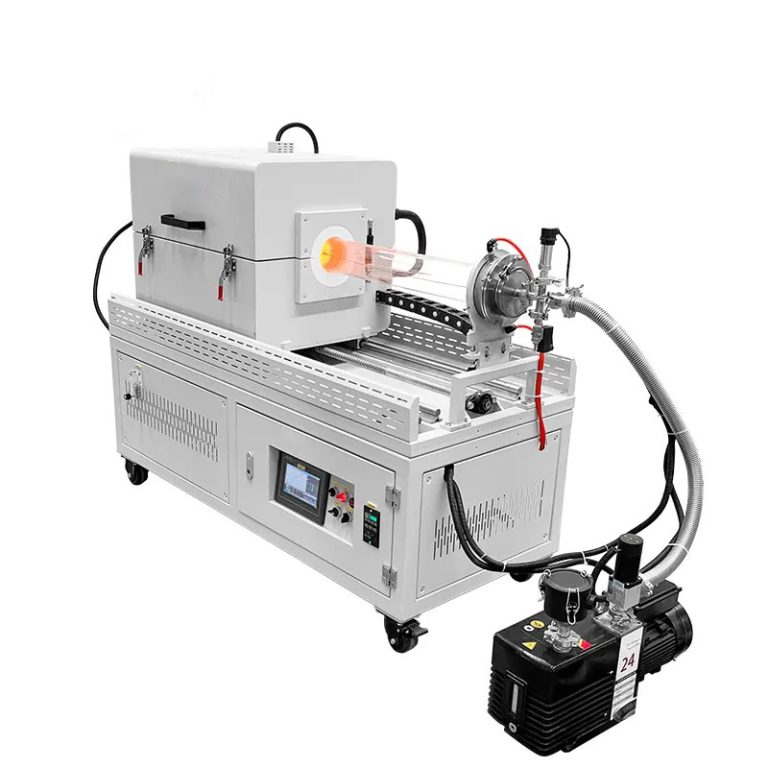
What Is the Quenching Process in Heat Treatment?
Quenching is a heat treatment process in which a heated material is rapidly cooled using water, oil, gas, or another cooling medium. For steel, rapid cooling can transform austenite into martensite, increasing…
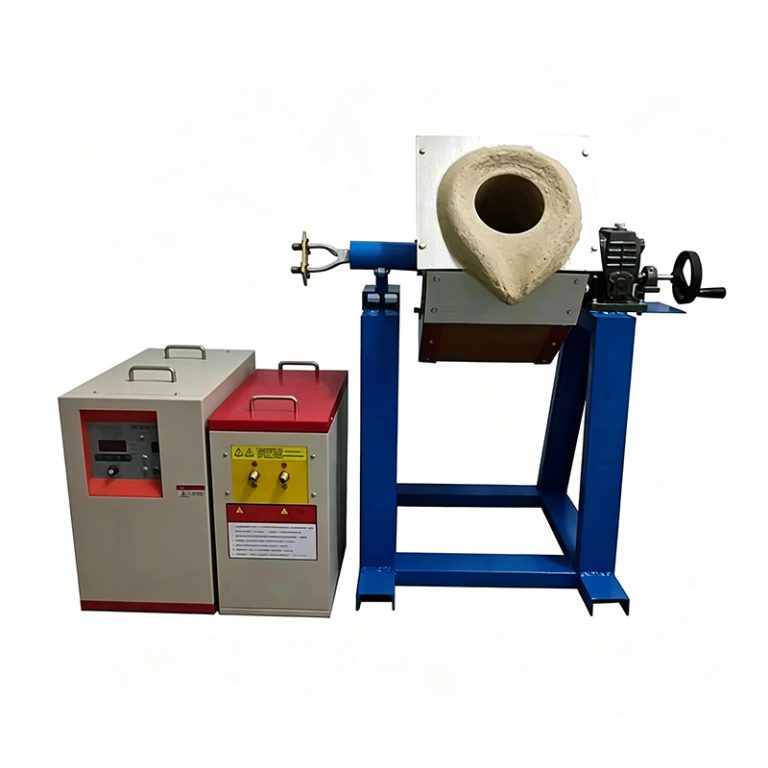
Series vs. Parallel Resonant Medium Frequency Furnace: What Is the Difference?
A series resonant medium frequency furnace operates below the load’s natural resonant frequency, while a parallel resonant furnace operates slightly above it. Their main differences are inverter topology, commutation conditions, power regulation,…
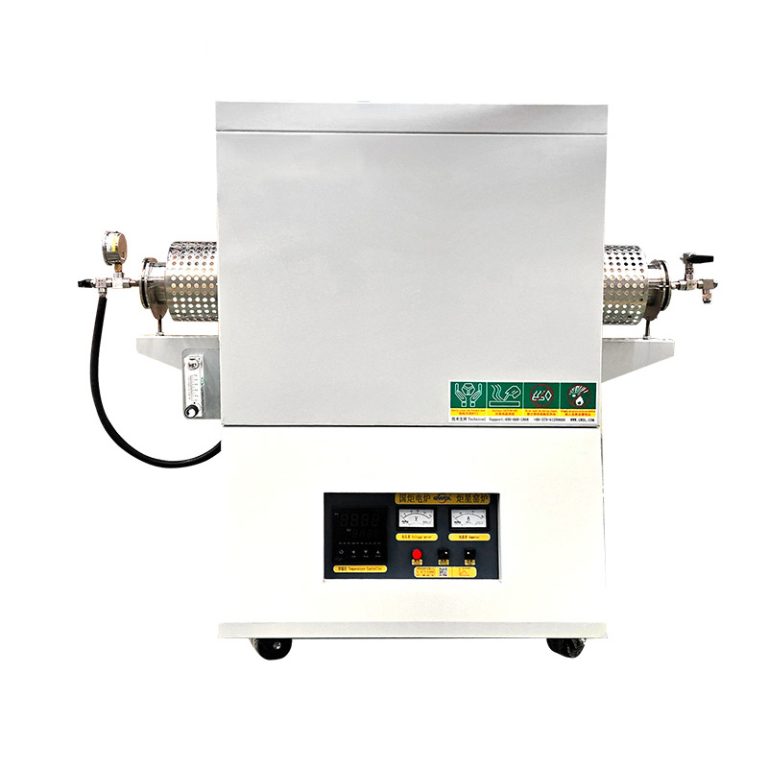
The Importance of CVD in Tube Furnaces
CVD is important in tube furnaces because it provides a controlled environment for depositing thin films and advanced materials. By combining precise temperature control, regulated gas flow, vacuum or controlled pressure, и…