Luoyang Anjing Intelligence Equipment er en global leder inden for højtemperatur elektriske ovne



Hvad skal man gøre, hvis en mellemfrekvent induktionsovn ikke starter? Komplet fejlfindingstrin fra strømforsyning til spole
I den moderne metalsmeltnings- og varmebehandlingsindustri, medium-frequency induction furnace are considered representative of high-efficiency heating equipment. Sammenlignet med traditionelle forbrændingsovne, de bruger elektromagnetisk induktion, en berøringsfri opvarmningsmetode, which results in faster heating, higher thermal efficiency, and is more suitable for automated production.
Many companies, upon encountering a malfunction, immediately replace the module or shut down the machine for repair. However, the real problem is often not complex. A medium-frequency furnace startup failure is usually not a single fault, but rather the result of an interlocking protection mechanism caused by an imbalance in some link between the power system, cooling system, control circuit, and induction coil.
I. Overview of Medium-Frequency Induction Furnace
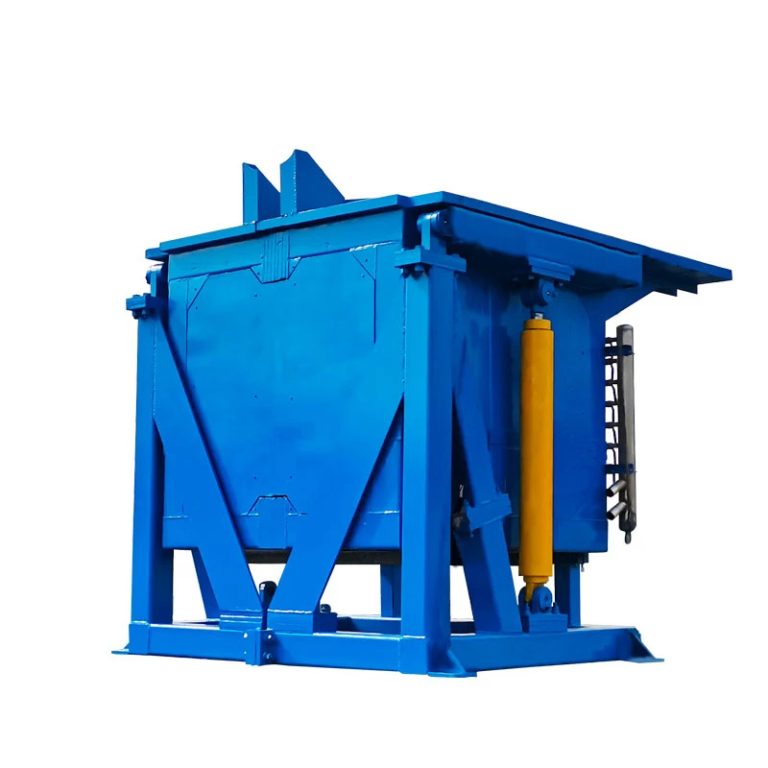
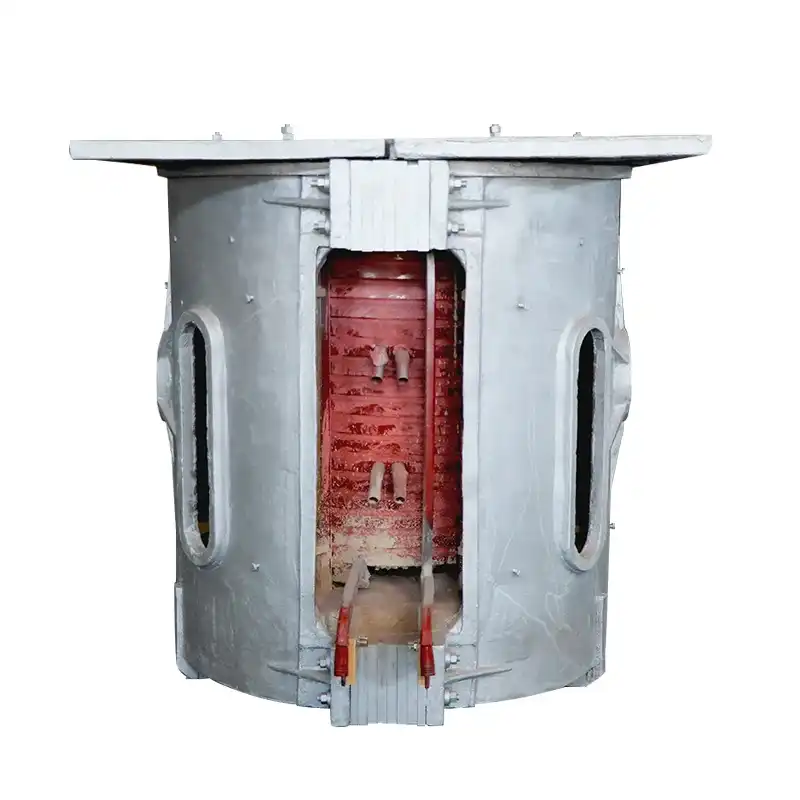
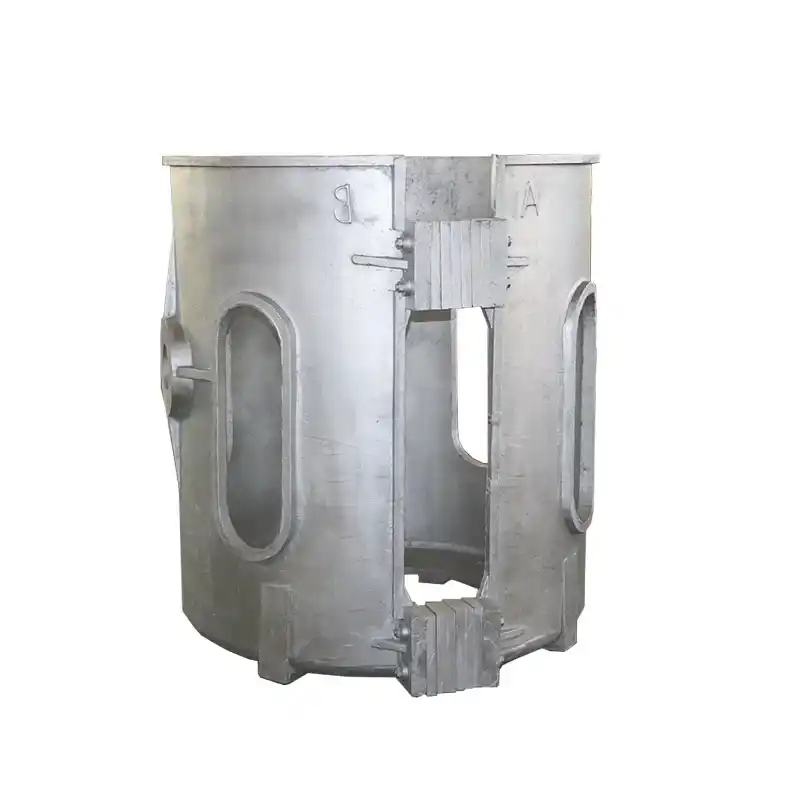
A medium-frequency induction furnace is an industrial device that uses an alternating magnetic field generated by a medium-frequency power supply to heat or melt metals using the principle of electromagnetic induction. Its core system typically includes a medium-frequency power supply cabinet, a rectifier-inverter module, induction coils, a cooling system, and a control system.
Compared to traditional resistance furnaces, the biggest advantage of medium-frequency furnaces is that “heat is generated directly inside the workpiece.” The metal generates eddy currents under the influence of the alternating magnetic field, thus rapidly heating up. This method reduces heat transfer losses, resulting in higher heating efficiency.
Currently, medium-frequency induction furnaces are widely used in steel smelting, non-ferrous metal melting, forging heating, varmebehandling, and new energy material processing. With the increasing trend of energy-saving manufacturing, medium-frequency induction heating is gradually replacing some gas furnaces and traditional industrial frequency equipment.
II. Product Features and Advantages
- Fast Heating Speed
Electromagnetic induction acts directly on the interior of the metal, eliminating the need for combustion to transfer heat, thus resulting in a significantly higher heating efficiency than traditional furnaces. Some smelting processes can reach the target temperature in just a few minutes.
- High Temperature Control Precision
Modern medium-frequency furnaces generally adopt digital control systems, which can realize programmed heating, constant temperature control and power adjustment, making them suitable for processing temperature-sensitive metal materials.
- Relatively Lower Energy Consumption
Because heat is concentrated in the workpiece itself, heat loss from the furnace body is minimal. In continuous production environments, medium-frequency induction heating offers greater energy savings than traditional combustion methods.
- More Stable Environmental Protection and Production Environment
The equipment operates with virtually no open flames or smoke, reducing thermal pollution in the workshop and aligning with current industrial energy conservation and environmental protection trends.
- High Degree of Automation
The equipment operates with virtually no open flames or smoke, and there is less thermal pollution in the workshop.
III. Analysis Of The Reasons For The Difficulty In Starting Up An Intermediate Frequency Electric Furnace
- Unstable Power Supply Voltage
A stable power supply voltage is required for the normal startup of a medium-frequency induction furnace. If the voltage is too low, the internal circuitry of the furnace will not receive enough energy to start; if the voltage is too high, it may trigger overload protection, which will also prevent startup. Moreover, excessive voltage fluctuations can easily damage the electronic components inside the furnace.
- Cooling System Failure
A medium frequency induction furnace generates a large amount of heat during operation; therefore, the normal operation of the cooling system is crucial for the equipment’s startup and operation. Failures in the cooling system, such as a damaged water pump, blocked water pipes, or insufficient cooling water, will cause the internal temperature of the furnace to become too high, triggering the overheat protection mechanism and preventing the furnace from starting.
- Control System Problems
The startup and operation of a medium frequency induction furnace depend on its control system. Problems with the control system, such as control circuit failures, software program errors, or sensor malfunctions, will prevent the furnace from starting normally. For example, a faulty temperature sensor may prevent the control system from accurately monitoring the furnace temperature, thus preventing the heating process from starting; conversely, damage to components such as relays and contactors in the control circuit may directly prevent the furnace from being powered on and started.
- Induction Coil Problems
Short circuits, open circuits, or inter-turn short circuits in the induction coil will all prevent the furnace from starting normally. Desuden, aging or damage to the insulation layer of the induction coil can also cause electrical faults, preventing the furnace from starting. Therefore, regularly inspecting and replacing the induction coil to maintain its good working condition is an important measure to ensure the normal start-up of the medium-frequency induction furnace.
- Improper Load Matching
When the load is too large, the furnace requires a starting current exceeding the power supply’s capacity, leading to starting failure; conversely, when the load is too small, the furnace’s efficiency is low, or it may even fail to start. In addition, different types of loads have different starting current requirements for the furnace; therefore, load matching must be considered when selecting an induction furnace.
| Cause | Suggestion |
|---|---|
| Unstable power supply voltage (too low, too high, or fluctuating) | Install a voltage stabilizer to ensure voltage is within rated range. |
| Cooling system failure (damaged pump, blocked pipes, insufficient water) | Regularly check pump, pipes, and water level; clear any blockages. |
| Control system issues (circuit failure, sensor malfunction, damaged components) | Regularly calibrate sensors; check key components like relays and contactors. |
| Induction coil problems (short circuit, open circuit, aging insulation) | Regularly inspect coil insulation and condition; replace aging coils. |
| Improper load matching (load too high or too low) | Configure load reasonably based on power supply capacity; ensure proper matching. |
IV. Induction furnace Product Applications
- Metal Smelting in the Foundry Industry: Medium frequency induction furnaces are the mainstream equipment for melting gray cast iron, ductile iron, alloy cast iron, and various cast steel parts.
- Master Alloy Smelting in Precision Casting: Used for smelting master alloys required for precision casting such as stainless steel, high-temperature alloys, and titanium alloys. The electromagnetic stirring action of the IFC ensures uniform alloy composition, and the temperature control precision meets the requirements for high-quality castings.
- Non-ferrous Metal Smelting: Smelting non-ferrous metals such as copper, aluminium, zink, and lead, as well as their intermediate alloys. Copper alloy smelting requires rapid heating to reduce oxidation and gas absorption; the heating rate of an IFC is significantly better than that of a reverberatory furnace. Aluminum alloy smelting has extremely high requirements for temperature control, which can be met by an IFC combined with a precise temperature control system.
- Insulation and Temperature Control in Steel Plants: In the electric arc furnace-refining furnace-continuous casting production process, medium-frequency induction furnaces are used for steel insulation or temperature rise regulation. When the temperature drops during steel transfer, medium-frequency reheating can quickly raise the steel temperature back to the casting temperature.
- Through-Heating Forging of Metallic Materials: For the overall heating of round steel and square billets before forging, medium-frequency induction furnaces can uniformly raise the surface temperature of the metal core to the forging temperature within tens of seconds. Compared with traditional coal-fired or gas-fired furnaces, oxide scale loss is significantly reduced, and the working environment is greatly improved.
- Quenching and Surface Heat Treatment: Surface induction quenching of mechanical parts such as shafts and gears. Medium-frequency power supplies, in conjunction with quenching transformers and inductors, complete local or overall quenching processes. The hardened layer depth is 2-10mm, suitable for wear-resistant strengthening of medium and large parts.
- Scientific Research and New Material Development: In universities and research institutes, small medium-frequency induction furnaces are used for alloy formulation testing, intermetallic compound synthesis, and crystal growth research. The non-contact nature and rapid response of electromagnetic induction heating make it a practical tool for materials science research.
V.Supplier
Luoyang Anjing Intelligent Equipment Co., Ltd. is an enterprise dedicated to the research, development, production, sales, and technical services of heat treatment equipment such as high-temperature electric furnaces. We produce laboratory, vacuum, industrial, and medium-frequency furnaces, covering a temperature range from -100℃ to 2600℃, serving industries such as new energy, halvledere, og avancerede materialer. We can provide customized solutions based on specific atmosphere, ultra-high temperature, and intelligent control system requirements. Please feel free to contact us if you are interested.