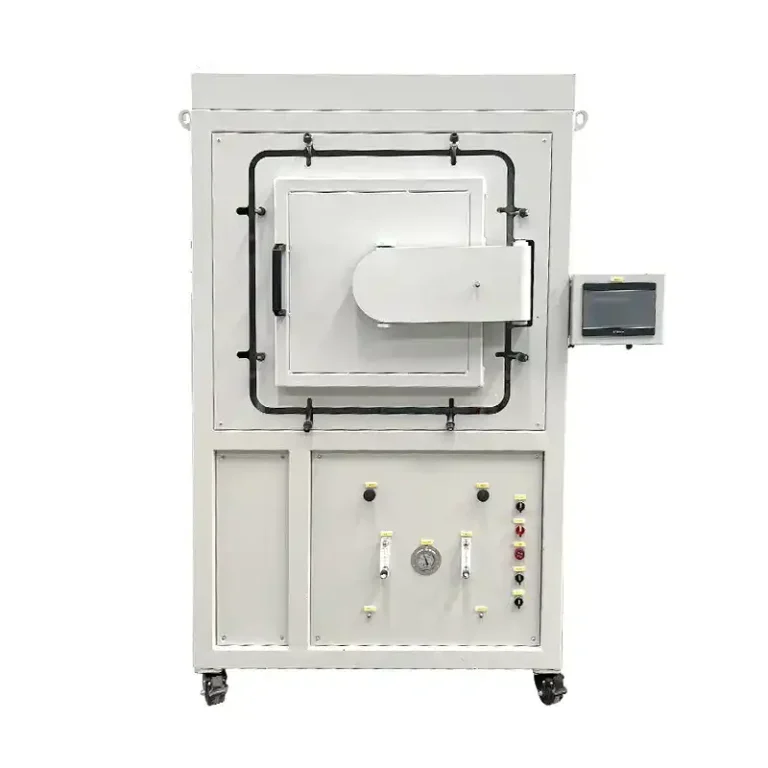
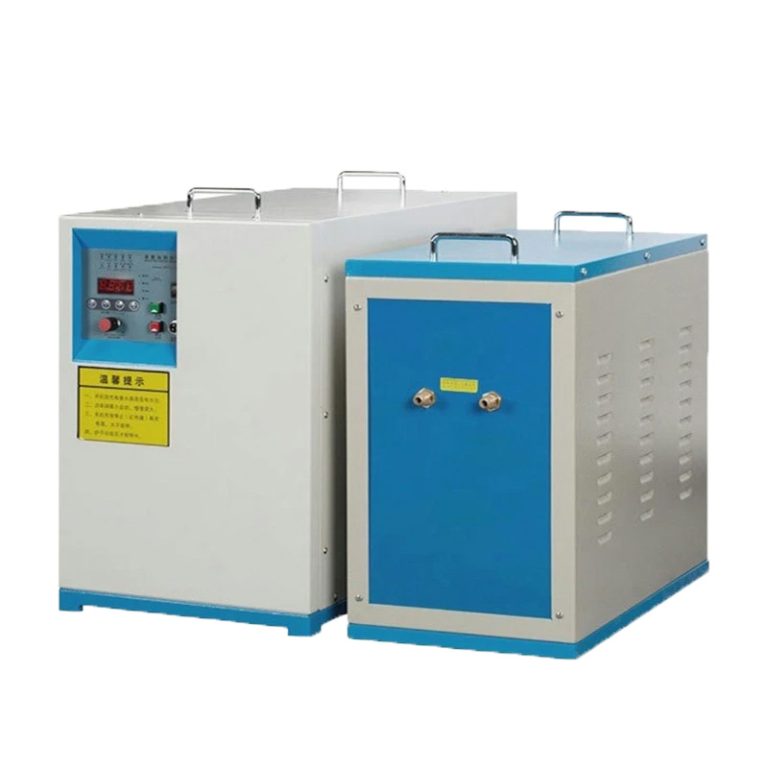
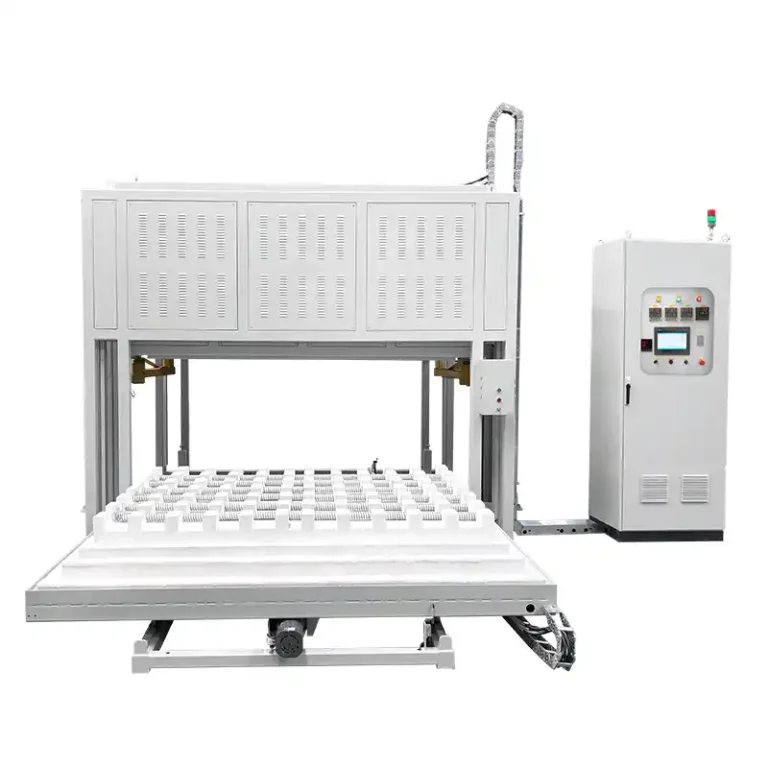
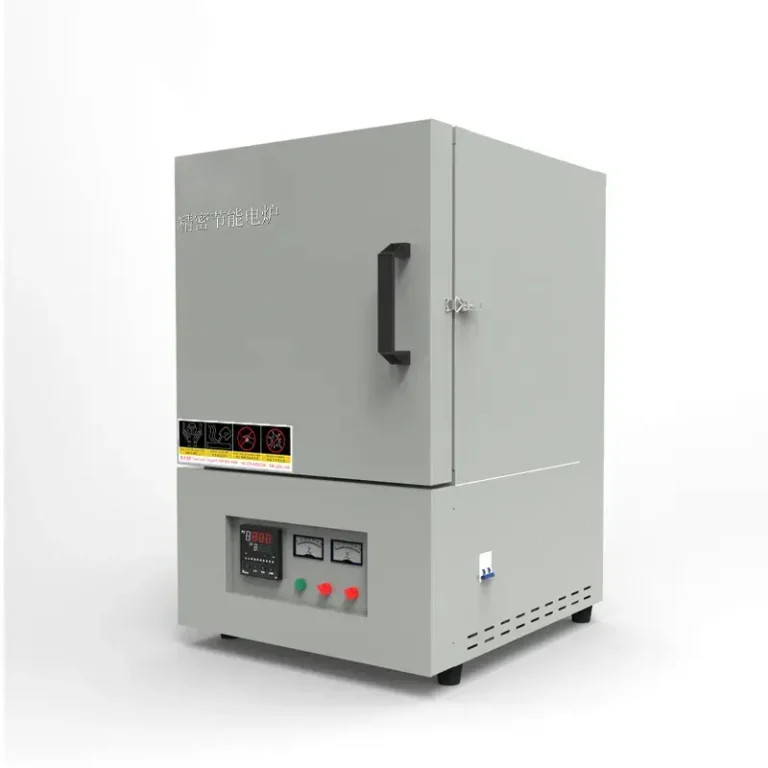
Luoyang Anjing Intelligence Equipment ist ein weltweit führender Anbieter von Hochtemperatur-Elektroöfen



What Are The Characteristics Of A High-Temperature Muffle Furnace? Consider These Four Key Points.
In laboratories, testing rooms, and factory workshops, high-temperature Muffelofen are among the most basic and critical heating equipment.
Jedoch, with numerous muffle furnace products on the market and complex parameters, how can one choose a truly professional, reliable, and suitable machine? As a professional muffle furnace manufacturer, we have compiled four core selection criteria based on years of industry experience.
ICH. Safe Service Life Safety is always the first principle in equipment selection.
high-temperature muffle furnace typically operate at temperatures above 300℃, with a common range of 800-1000℃, and some special applications even reaching 1800℃. Such extreme high-temperature environments place extremely high demands on the safety design of the equipment.
Currently, many muffle furnaces on the market still use the traditional single-shell structure—a metal outer shell directly encasing the furnace lining. This design, after prolonged high-temperature operation, can easily cause the outer shell temperature to exceed 60℃, posing a significant risk of burns. More seriously, with increased use, issues such as insulation aging and circuit aging can lead to even more serious safety hazards.
A truly professional high-temperature muffle furnace must employ a double-shell structure with an active cooling system. The double-shell structure effectively blocks heat conduction through an air convection layer between the inner and outer shells; combined with an intelligent temperature control system, it ensures that the outer shell temperature remains below 40℃ even after prolonged operation. This not only ensures the safety of operators but also significantly extends the lifespan of the heating elements and furnace chamber. Safety should not just be a slogan, but a quantifiable and perceptible physical protection.
II. high-temperature muffle furnace temperature field performance
For any lab furnace, temperature field performance directly determines the reliability of experimental results. Two core indicators require special attention,high-temperature muffle furnace
Temperaturgleichmäßigkeit
Many users mistakenly believe that the temperature displayed on the instrument represents the temperature at all points within the furnace chamber; this is a common misconception.Due to various factors, the temperature at different locations within the furnace can vary significantly. Poor temperature uniformity leads to large differences in the ashing results of samples at different locations, which can severely affect the repeatability and accuracy of experimental data.experimental data.
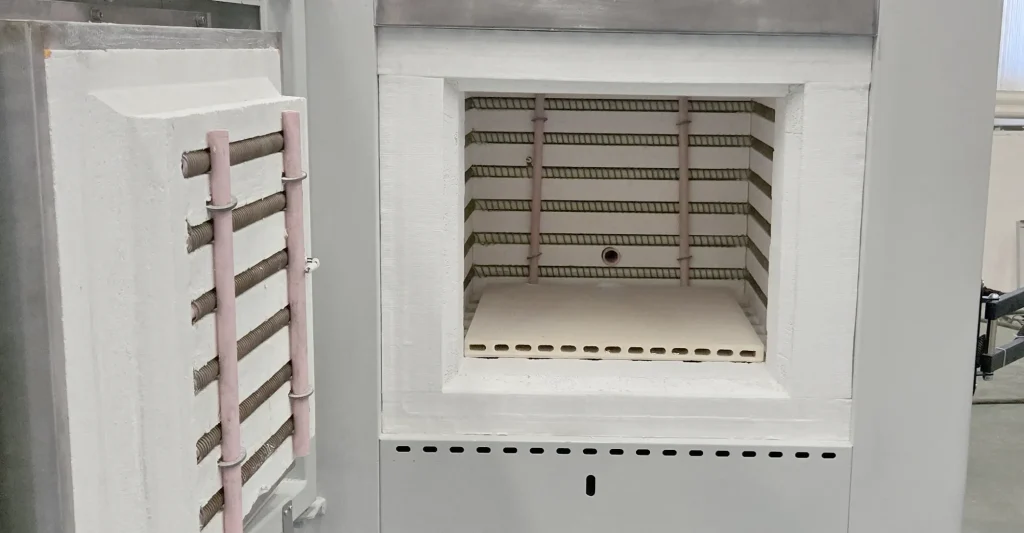
An excellent muffle furnace should employ five-sided heating technology (heating elements evenly distributed on the left, right, rear, top, and bottom sides), combined with an optimized air duct design, to control the temperature difference within the furnace chamber within a minimal range (typically within ±3℃). For users engaged in coal quality analysis and pharmaceutical testing, this indicator directly determines the compliance of the test results.
5-sided heating high-temperature muffle furnace,Temperature Control Accuracy and Heating Rate,Temperature control accuracy reflects the equipment’s control level.
III. Intelligentization and Sustainability
With the deepening of laboratory digitalization and green environmental protection concepts, the technological development trends of high-temperature muffle furnacealso deserve attention.
Energy-Saving and Environmentally Friendly Design
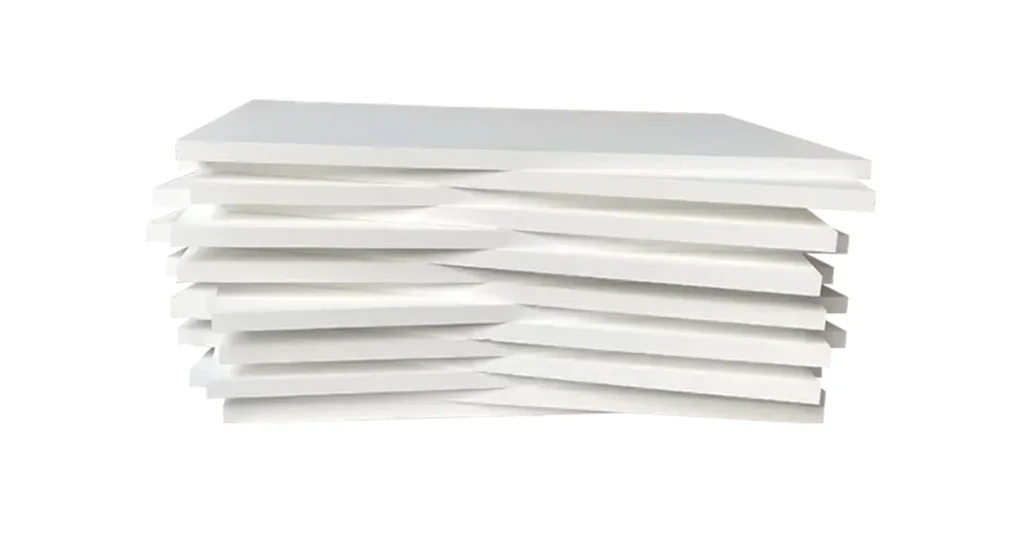
Compared to traditional refractory brick linings, all-fiber muffle furnaces (such as vacuum-formed ceramic fiber) have smaller heat capacity, better insulation performance, and lower overall energy consumption. They also operate more stably and have a significantly longer service life. From a life-cycle perspective, the electricity cost savings of energy-efficient equipment can cover the initial price difference within a few years.
Polycrystalline alumina fiberboard
IV. high-temperature muffle furnace Application
Different application areas have different configuration requirements for high-temperature muffle furnace.
Materials Science and Engineering
- Ceramic Materials: Ceramic sintering, glaze melting, preparation of ceramic matrix composites
- Metallurgical Materials: Metal heat treatment, powder metallurgy sintering, alloy smelting
- Refractory Materials: Performance testing and sintering of refractory bricks, refractory fibers, and high-temperature insulation materials
- New Materials Development: Synthesis and heat treatment of special ceramics, nanomaterials, and functional materials
Electronics and Optoelectronics
- Electronic Materials: Sintering and treatment of electronic ceramics, piezoelectric materials, and magnetic materials
- Optoelectronic Materials: Melting and annealing of phosphors, LED fluorescent materials, und optisches Glas
- Semiconductor Materials: Substrate annealing, electrode sintering, and encapsulation curing
Chemical and Environmental Sciences
- Chemical Materials: Catalyst activation, molecular sieve calcination, and heat treatment of chemical raw materials
- Glass Industry: Special glass melting, glass fiber heat treatment, and microcrystalline glass sintering
- Environmental Monitoring: Water quality analysis, soil sample pretreatment, and solid waste testing
Traditional Industries and Manufacturing
- Machinery Industry: Heat treatment of metal parts, mold annealing, and sintering of wear-resistant materials
- Building Materials Industry: Cement clinker calcination, gypsum dehydration, fire resistance testing of building materials
- Non-metallic Materials: Graphite material processing, carbon material preparation, mineral processing
| Maximale Betriebstemperatur | 1200°C | 1400°C | 1600°C | 1700°C | 1800°C | 1900°C |
| Long-term Operating Temperature | 1150°C | 1350°C | 1550°C | 1680°C | 1780°C | 1850°C |
| Temperature Control Range | 100-1200°C | 100-1400°C | 100-1600°C | 100-1700°C | 100-1800°C | 100-1900°C |
| Genauigkeit der Temperaturregelung | ±1°C | ±1°C | ±1°C | ±1°C | ±1°C | ±1°C |
| Temperature Sensing Element | K | S | B | B | B | Thermoelement + Optical Fiber |
| Heating Element Material | High-temperature Alloy Resistance Wire | Silicon Carbide Rod | Molybdenum Disilicide Rod | 1800-type Molybdenum Disilicide Rod | 1850-type Molybdenum Disilicide Rod | 1900-type Molybdenum Disilicide Rod |
| Einbauposition des Heizelements | Three-sided heating (two sides and bottom) | Top/bottom or both sides | Beide Seiten | Beide Seiten | Beide Seiten | Beide Seiten |
| Heizrate | Maximum heating rate: 40°C/min (non-linear) |
Anbieter
Luoyang Anjing Intelligent Equipment Co., Ltd. ist ein Unternehmen, das sich der Forschung widmet, Entwicklung, Produktion, Verkäufe, und technische Dienstleistungen für Wärmebehandlungsanlagen wie Hochtemperatur-Elektroöfen. Wir produzieren Labor, leer, industriell, and medium-frequency furnaces, deckt einen Temperaturbereich von -100℃ bis 2600℃ ab, für Branchen wie neue Energien, Halbleiter, und fortschrittliche Materialien. Wir können maßgeschneiderte Lösungen basierend auf einer bestimmten Atmosphäre anbieten, ultrahohe Temperatur, und intelligente Steuerungssystemanforderungen. Bei Interesse können Sie sich gerne an uns wenden.