Luoyang Anjing Intelligence Equipment es líder mundial en hornos eléctricos de alta temperatura



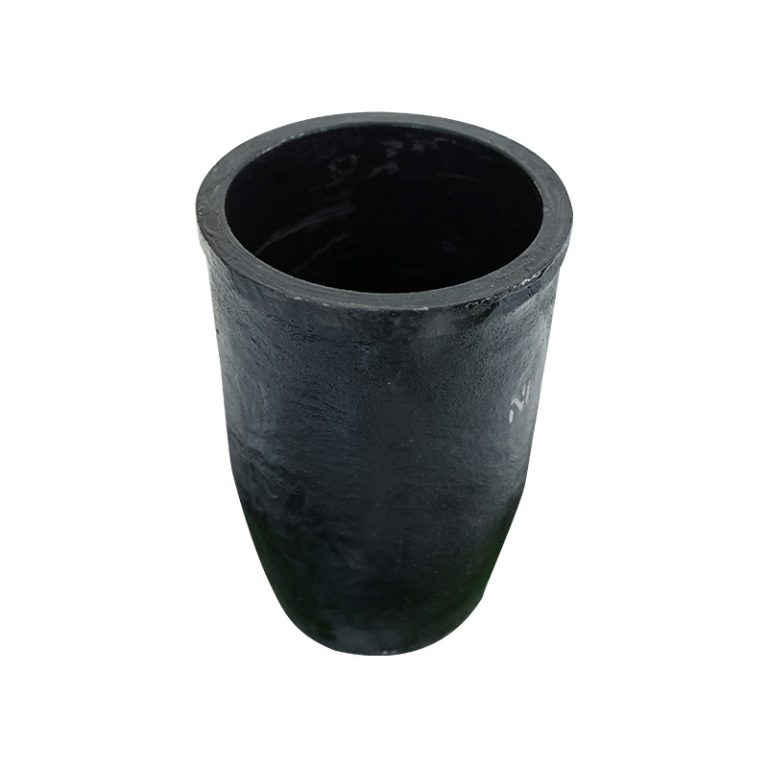
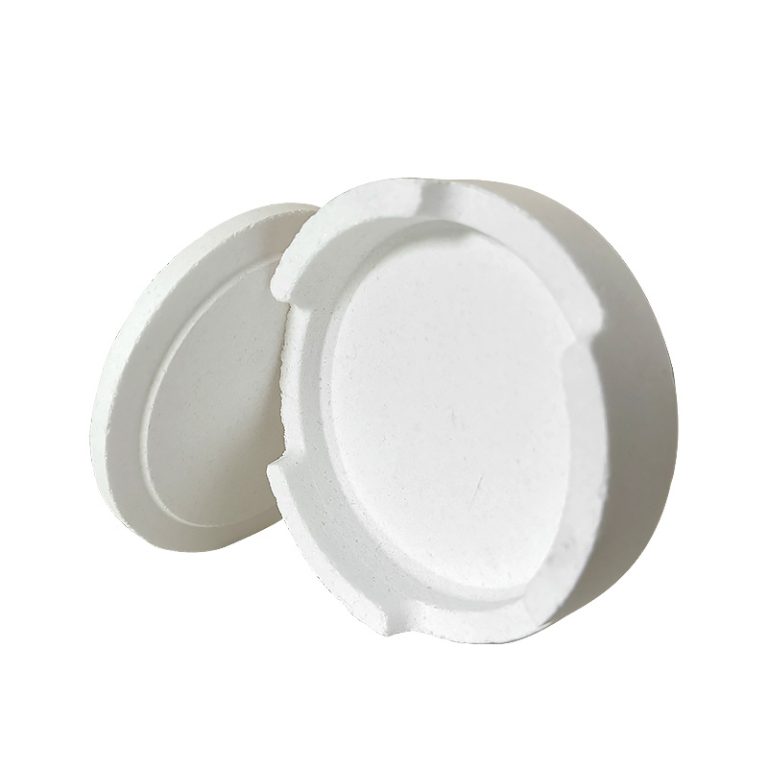
Crisol de óxido de magnesio de alta pureza para aplicaciones de alta temperatura


PARÁMETROS DEL PRODUCTO
Descripción
Magnesium Oxide Ceramic Crucibles
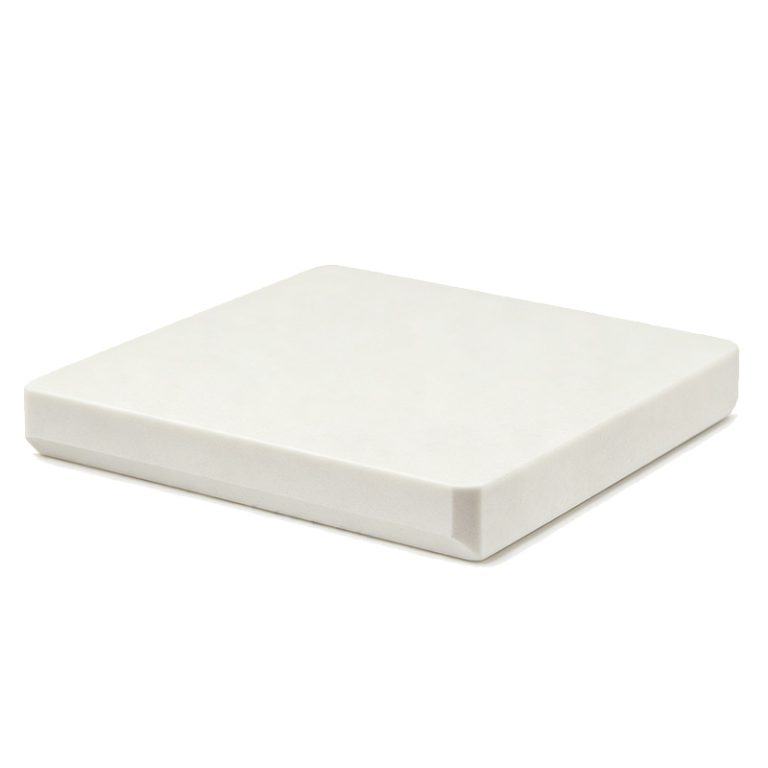
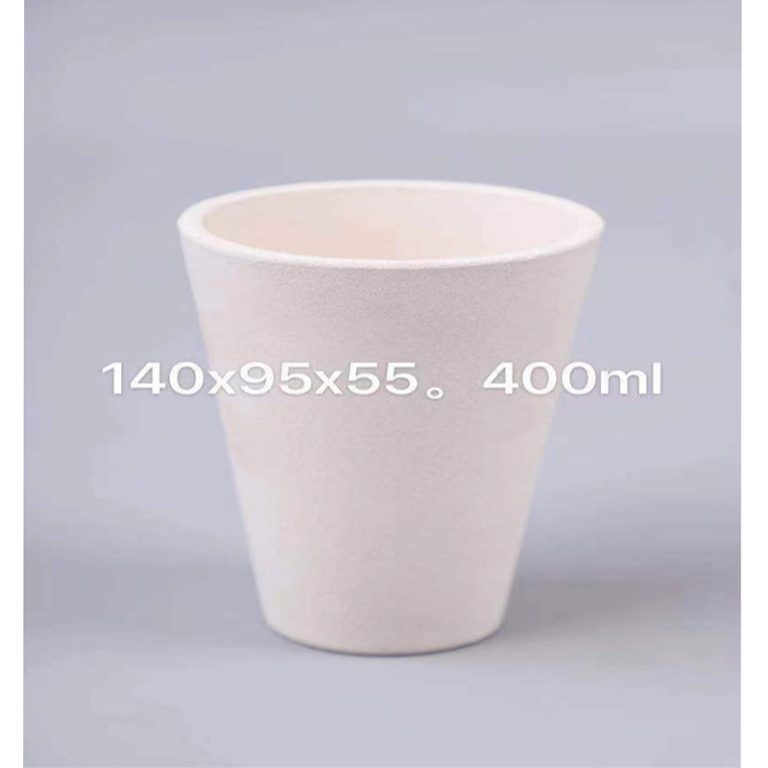
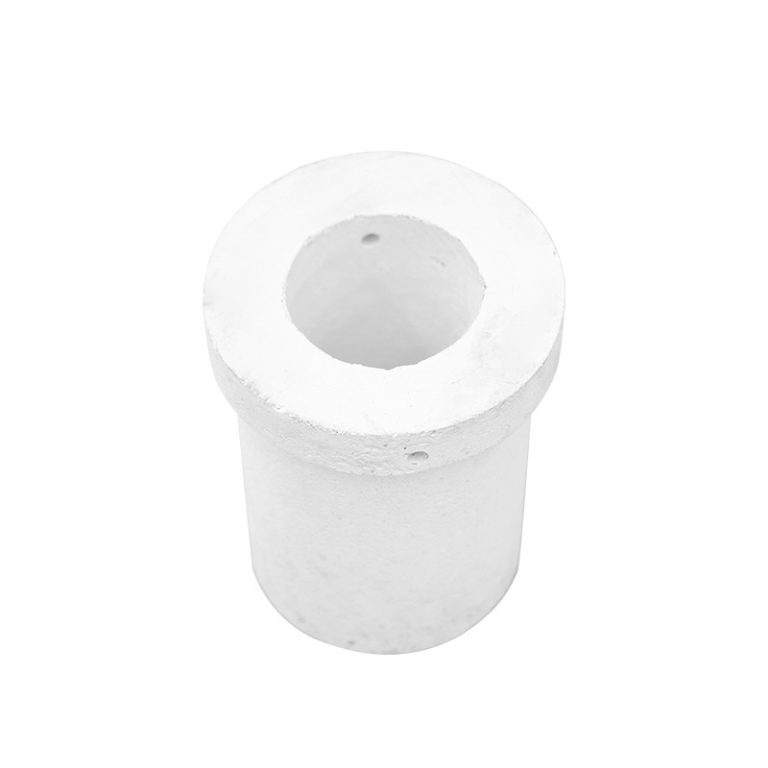
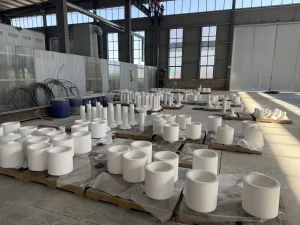
Magnesium oxide ceramic crucibles (isostatically pressed crucibles) are manufactured using high-purity magnesium oxide (MgO) ceramic material through an isostatic pressing process. The products have a dense and uniform structure, exhibiting excellent high-temperature resistance, resistencia al choque térmico, resistencia al desgaste, and chemical stability.
Compared to traditionally forged furnace linings, isostatically pressed magnesium oxide crucibles offer advantages such as shorter preheating time, no need for furnace baking and sintering, convenient installation and disassembly, longer furnace life, and higher smelting efficiency. The crucibles have high refractoriness, effectively resisting the erosion and chemical corrosion of high-temperature molten steel, reducing slag inclusions in the molten steel, and improving smelting quality.
Características del producto
- Isostatic Pressing, Dense and Uniform Structure
Utilizing isostatic pressing, the pressure is uniform in all directions, resulting in a consistent density distribution in the blank. After molding, high-temperature sintering ensures a uniform microstructure and low porosity, giving the crucible higher bulk density and excellent high-temperature strength, reducing internal defects and improving reliability.
- No Furnace Preheating or Sintering Required, Ready to Use Immediately
Short preheating time before use; no furnace preheating or pre-sintering is required, allowing direct power supply for melting. This significantly shortens the production preparation cycle, saving energy (10-20%). The furnace lining is modularly assembled, making installation and disassembly quick and convenient, effectively reducing labor intensity and increasing labor productivity.
- Improved Melting Efficiency, Significant Energy Savings
The furnace lining has high refractoriness; the inner bottom surface only requires one turn of induction coil, resulting in a larger furnace volume and higher effective power compared to traditional forged furnace linings. This significantly improves the electric furnace melting rate, shortens melting time, and reduces unit power consumption.
- Excellent Thermal Stability and Strong Erosion Resistance
High refractoriness and excellent thermal stability provide strong resistance to high-temperature erosion by molten steel. Significantly reduces inclusions in molten steel, improving molten metal purity and casting quality.
- Long Furnace Life and Service Life
Utilizing optimized particle size distribution and high-performance composite materials, combined with pressure forming technology, the furnace liner’s service life and stability are greatly improved. It does not crack or peel during long-term use, reducing replacement frequency.
- Safe Operation and Prevention of Furnace Penetration Accidents
A rammed layer (safety lining) is installed on the outer side of the furnace liner, providing reliable protection in the event of furnace liner failure, effectively preventing furnace penetration accidents and ensuring production safety.
- Excellent Comprehensive Performance
Combining high temperature resistance, resistencia al desgaste, resistencia a la corrosión, acid and alkali resistance, pressure resistance, and good thermal stability, it adapts to various harsh working conditions.

| Energy saving | Saves 10%~20% electricity compared to traditional products |
| No pre-firing or sintering required | Short preheating time; can be directly powered for melting |
| Increased melting rate | Larger chamber volume and higher effective power significantly improve furnace melting efficiency |
| Quick installation and removal | Modular assembly design for easy operation |
| Reduced labor intensity | Improves labor productivity and reduces manual workload |
| Improved molten metal quality | High refractoriness, good thermal stability, and strong erosion resistance reduce slag inclusions in molten steel |
| Extended service life | Optimized particle size grading + high-performance composite materials + pressure forming; significantly improves crucible lifespan and stability |
| Enhanced safety | Ramming layer (safety lining) outside the crucible provides reliable protection in case of crucible failure, effectively preventing breakthrough accidents |
Áreas de aplicación
- Medium-frequency induction melting: Suitable for furnace lining crucibles in medium-frequency induction furnaces, used for rapid melting of metals such as steel, cast iron, copper, and aluminum.
- Special steel and alloy melting: Suitable for melting high-quality steels such as stainless steel, alloy steel, and high-temperature alloys.
- Non-ferrous metal melting: Suitable for induction melting of non-ferrous metals such as copper, aluminum, zinc, and lead; corrosion resistance meets the requirements for non-ferrous metal melting.
- Precious metal melting: Suitable for melting precious metals such as gold, silver, and platinum; high-purity magnesium oxide material does not contaminate precious metals.
- Foundry industry: Suitable for metal melting stages in casting processes such as precision casting and sand casting.
- Mass production enterprises: Suitable for production scenarios requiring frequent furnace type changes or rapid melting.
Perfil de la empresa
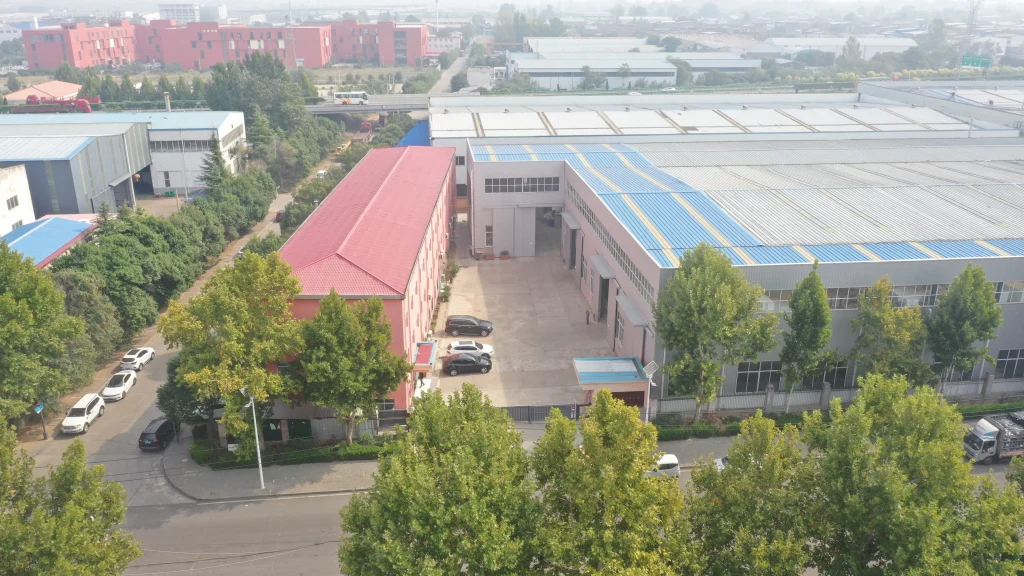
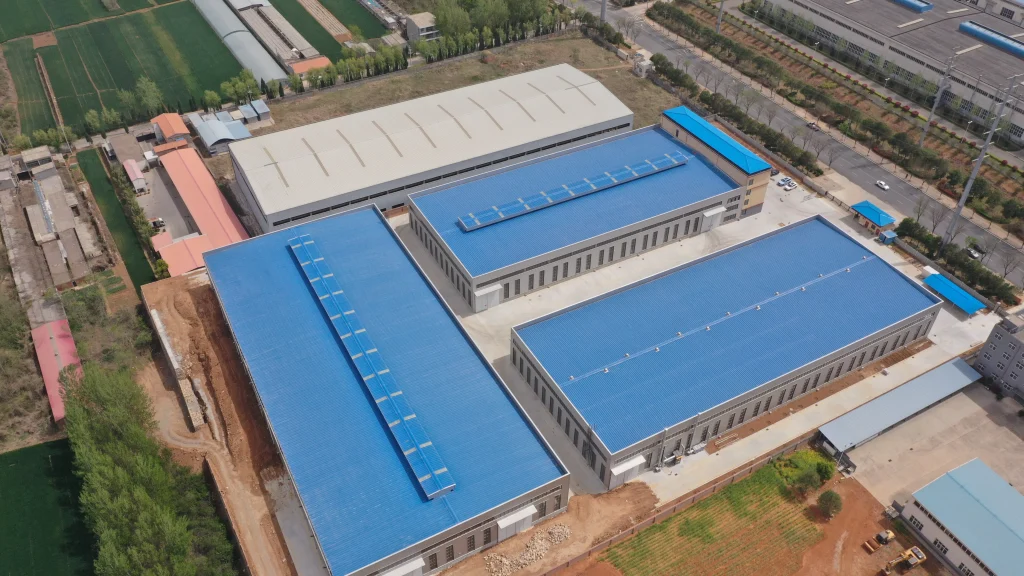
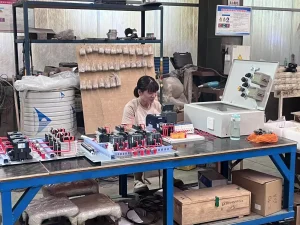
Una empresa profesional especializada en servicios de tecnología de tratamiento térmico y R.&D, fabricación, y venta de hornos eléctricos de alta temperatura.
La empresa se centra en el desarrollo de hornos eléctricos de alta temperatura que cubren un rango completo de temperatura de -100 ℃ a 2600 ℃.. Entre sus productos se encuentran hornos eléctricos experimentales., hornos de atmósfera de vacío, hornos industriales, y equipos de calentamiento por inducción de media frecuencia. Los principales productos incluyen hornos de caja., hornos tubulares, hornos elevadores, hornos de empuje, hornos de bogie, hornos rotativos, hornos de túnel, y varios hornos especializados de media frecuencia.
La empresa se adhiere a la innovación tecnológica y ha aprobado las certificaciones ISO9001 y CE de la UE.. posee 21 marcas registradas, 29 patentes, y 27 derechos de autor del software.
Métodos de pago
TT
Métodos de envío
El horno eléctrico está empaquetado en tres capas.: primero envuelto en papel de espuma, luego envuelto en película plástica, y finalmente embalado en una caja de madera..
Preguntas frecuentes (Preguntas frecuentes)
- What is the maximum operating temperature of a magnesia ceramic crucible?
Magnesium oxide ceramic crucibles possess excellent high-temperature resistance, meeting the requirements of high-temperature operations such as steel and alloy smelting. The specific operating temperature needs to be determined based on the smelting materials, furnace type, and process conditions.
- What are the advantages of isostatically pressed crucibles compared to traditional furnace linings?
Isostatically pressed crucibles offer advantages such as a denser structure, higher strength, easier installation, and longer service life. They also reduce preheating time and improve smelting efficiency.
- What materials are suitable for smelting with magnesia crucibles?
They are mainly suitable for high-temperature smelting of metals and alloys such as steel, stainless steel, alloy steel, copper, and aluminum. They can also be used in metallurgical experiments and materials research and development.
- Is furnace drying or sintering required before use?
Compared to traditional forged furnace linings, isostatically pressed magnesia crucibles do not require complex furnace drying or pre-sintering treatments. After installation and necessary inspection, they can be put into smelting use.
- How to extend the service life of magnesia crucibles?
It is recommended to control the melting temperature reasonably, avoid mechanical collisions and rapid heating and cooling, check the wear of the crucible regularly, and use it in conjunction with a safety lining to effectively improve the service life of the furnace.