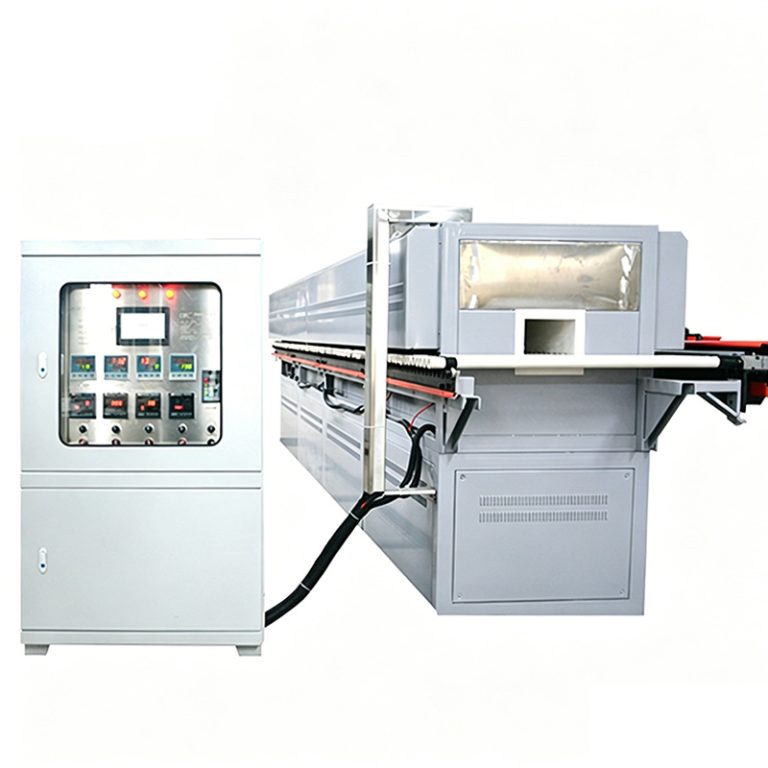
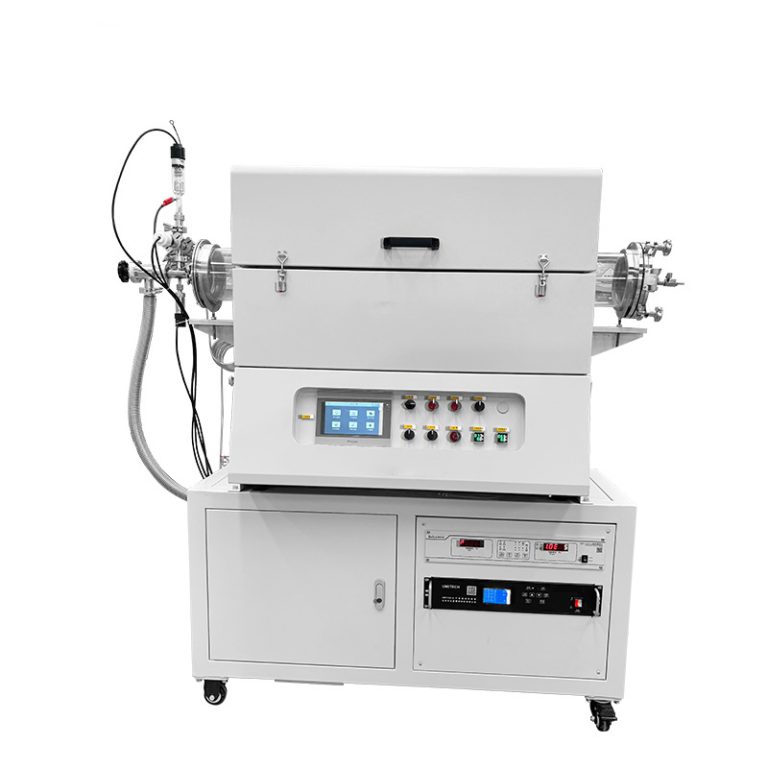
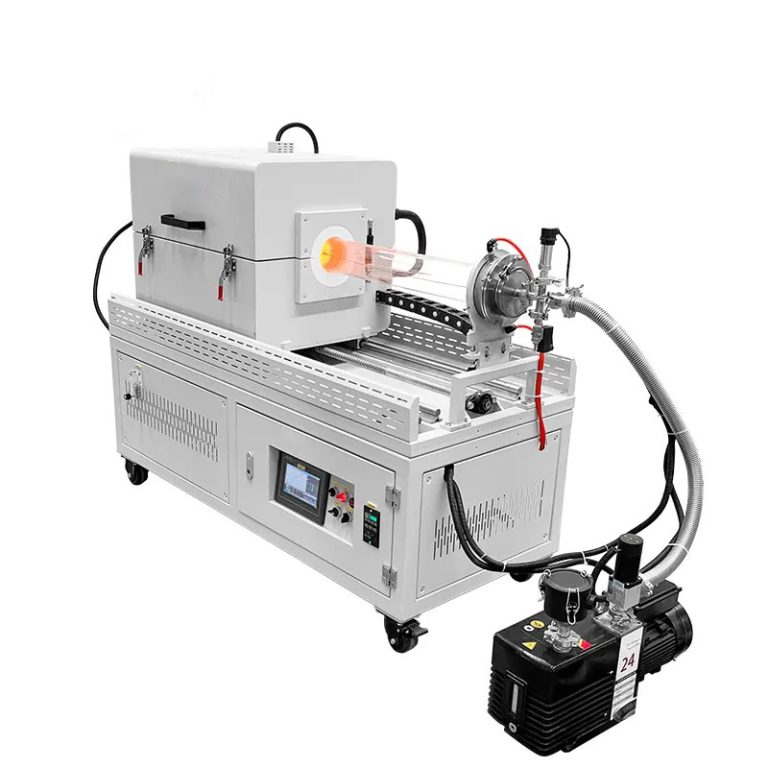
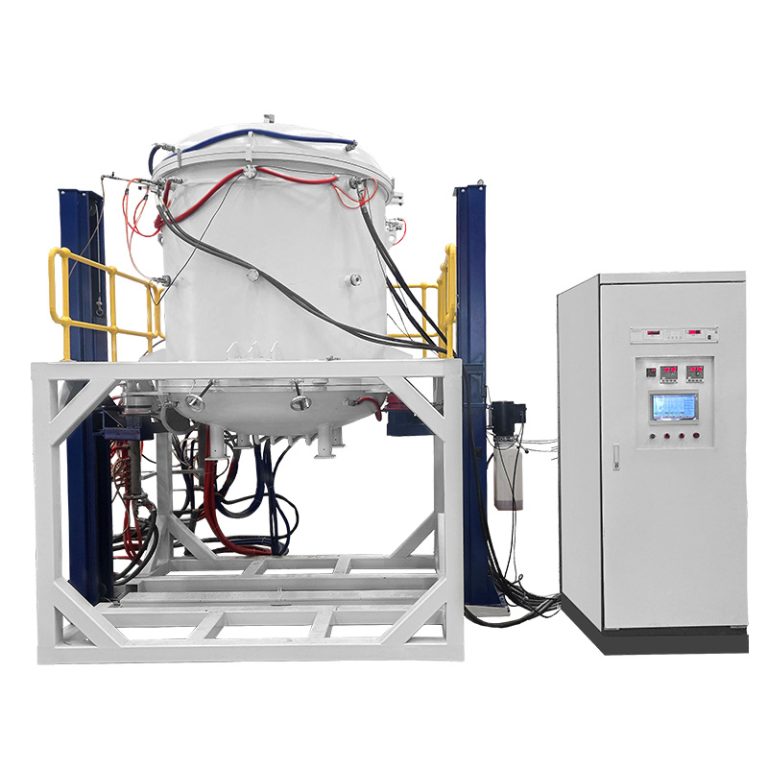
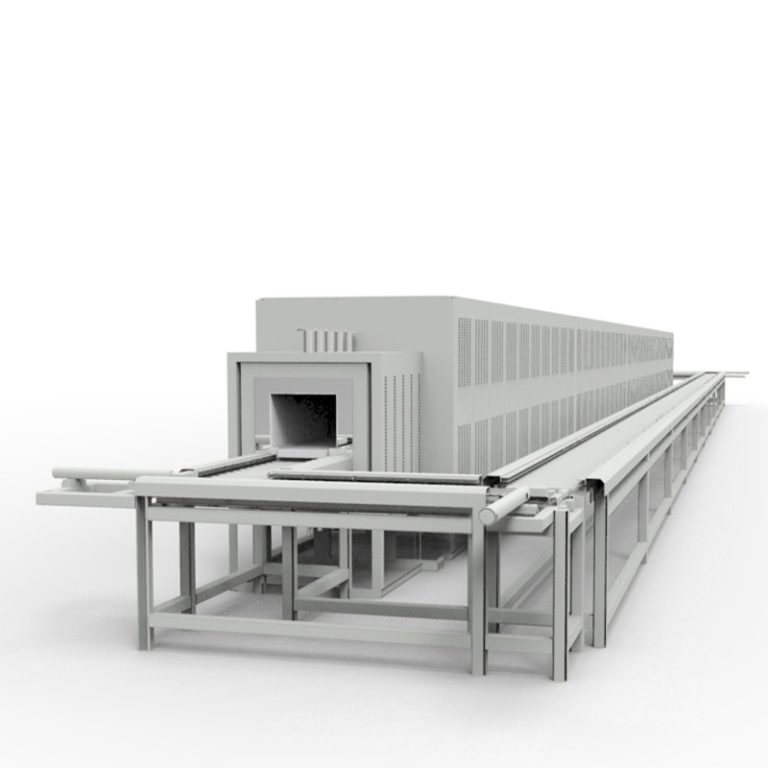
Luoyang Anjing Intelligence Equipment es líder mundial en hornos eléctricos de alta temperatura



Why Use an Annealing Furnace? Benefits, Applications and Complete Buying Guide
An annealing furnace is used to reduce internal stress, improve material ductility, and optimize metal properties through controlled heating and cooling. It helps manufacturers produce more stable and reliable metal components.
I. Why use an annealing furnace?
In metal manufacturing, materials typically undergo processing steps such as cutting, welding, forging, rolling, and stretching. While these processes can alter the material’s shape, they also generate residual stress within the metal, leading to problems like deformation, cracking, and uneven hardness.
Por lo tanto, an increasing number of industrial companies are choosing to use annealing furnaces for heat treatment. By precisely controlling the heating temperature, holding time, and cooling process, the internal structure of the metal can be improved.
The purpose of using an annealing furnace is not just to heat the material, but to improve the material’s performance through scientific heat treatment processes, resulting in a more stable, reliable, and durable final product.
II. Main Reasons for Using Annealing Furnaces
1.Eliminating Internal Stress and Improving Product Stability
During processing of metal materials, such as cutting, welding, forging, and cold working, residual internal stresses are generated.
These stresses can lead to:
- Deformation after processing
- Decreased dimensional accuracy of parts
- Cracks during use
- Shortened product lifespan
Annealing furnaces, by controlling temperature and cooling rate, readjust the internal structure of the material, effectively releasing residual stresses and improving product stability.
Por ejemplo, in the manufacturing of large steel structures, mechanical parts, and railway components, annealing significantly reduces the risks of subsequent processing.
2.Improving Material Hardness and Enhancing Machining Performance
Processed metals are typically harder, which can lead to:
- Difficulty in cutting
- Reduced processing efficiency
- Increased tool wear
Annealing processes can reduce material hardness, improve plasticity and ductility, making the material easier to:
- Machining
- Stamping
- Deep processing
Por lo tanto, annealing furnaces are widely used in metal manufacturing industries that require secondary processing.
3.Optimizing Metal Structure and Improving Product Quality
The internal grain structure of a metal directly affects product performance.
An annealing furnace, through precise temperature control, enables materials to:
- have more uniform grains
- have a more stable microstructure
- have more consistent mechanical properties
For mass production companies, stable material properties reduce product quality fluctuations and improve production consistency.
3.Extend Product Lifespan
Materials that have undergone annealing typically exhibit better:
- Toughness
- Fatigue resistance
- Crack resistance
- Long-term stability
This is particularly important for automotive parts, pressure vessels, machinery, and high-load industrial components.
Using an annealing furnace for heat treatment reduces the risk of equipment failure during operation and improves the reliability of the final product.


Performance Comparison of Annealing Furnaces
| Comparison Item | Conventional Heat Treatment Equipment | High-Performance Annealing Furnace |
|---|---|---|
| Temperature Control Method | Single-point control, prone to temperature differences | Multi-zone intelligent temperature control |
| Temperature Monitoring | Primarily manual inspection | Real-time data recording and feedback |
| Heat Treatment Consistency | Variations may occur between batches | More stable product performance |
| Energy Utilization | Significant heat loss | Optimized furnace structure for higher efficiency |
| Application Fields | General industrial processing | Automotive, aerospace, precision manufacturing |
III. Main Application Industries of Annealing Furnaces
Machinery Manufacturing Industry: Gears, shaft parts, moldes, and other products typically require annealing to ensure machinability and service life.
Steel Manufacturing Industry: Annealing is necessary during steel production to improve material properties, ensuring that steel plates, pipes, and structural components meet subsequent processing requirements.
Automotive Manufacturing Industry: Automotive parts require high dimensional accuracy and durability; annealing improves part reliability.
Aerospace Industry: Aerospace components have extremely high requirements for material properties; annealing furnaces help optimize alloy material properties.
IV.Two Topics Regarding Annealing Furnaces
- How to Choose the Right Annealing Furnace?
When purchasing an annealing furnace, companies need to consider the following factors:
Product Size and Production Capacity: Different workpiece sizes require different furnace chamber spaces and loading capacities.
Precisión del control de temperatura: A high-precision temperature control system ensures effective heat treatment and improves product consistency.
Heating Method: Electric heating, gas heating, vacuum heating, and continuous heating are all options. Companies need to choose the appropriate type based on their production processes.
Energy Consumption and Operating Costs: High-efficiency, energy-saving designs can reduce long-term production costs and increase return on investment.
- Why Do Industrial Enterprises Need to Invest in Annealing Furnaces?
For modern manufacturing enterprises, an annealing furnace is not just a heating device, but also an important production tool for improving product quality and production efficiency.
Using a high-quality annealing furnace can help companies: improve product qualification rates, reduce material waste, minimize processing problems, and enhance market competitiveness.
As the manufacturing industry develops towards higher precision and higher quality, advanced annealing furnaces have become an important equipment choice for more and more industrial enterprises.
Annealing furnaces, through precise heat treatment technology, effectively solve problems such as material stress, performance degradation, and quality instability, making them crucial equipment for improving industrial manufacturing levels. Whether in the steel, automotive, machinery, or precision machining industries, choosing the right annealing furnace can increase production efficiency and reduce costs.
If your company is looking for an annealing furnace solution suitable for its material types and production needs, please contact us for professional technical advice and customized solutions.
Hacer clic “Solicitar una cotización” para obtener una solución personalizada.
V.FAQs about Annealing Furnaces
- Why is annealing necessary after metal processing?
Because processing generates internal stress and microstructure changes, annealing releases stress and improves material properties.
- Can annealing furnaces improve product quality?
Sí. Annealing improves material stability, reduces the risk of deformation and cracking, and improves the quality of the final product.
- What materials are suitable for annealing furnaces?
Annealing furnaces are widely used for steel, stainless steel, aluminum alloys, copper alloys, and other metal materials.
- What is the difference between an annealing furnace and a regular industrial furnace?
Regular industrial furnaces are mainly used for heating, while annealing furnaces require precise control of the entire heat treatment process, including heating, holding, and cooling.
- What should companies consider when purchasing an annealing furnace?
Besides the equipment price, companies should also consider temperature control accuracy, energy consumption, production capacity, and the supplier’s technical support capabilities.
Proveedor
Luoyang Anjing equipo inteligente Co., Limitado. es una empresa dedicada a la investigación, desarrollo, producción, ventas, y servicios técnicos de equipos de tratamiento térmico como hornos eléctricos de alta temperatura.. Producimos laboratorio, vacío, industrial, y horno de media frecuencia, cubriendo un rango de temperatura de -100 ℃ a 2600 ℃, sirviendo a industrias como las de nuevas energías, semiconductores, y materiales avanzados. Podemos proporcionar soluciones personalizadas basadas en una atmósfera específica., temperatura ultra alta, y requisitos del sistema de control inteligente. Por favor no dude en contactarnos si está interesado.