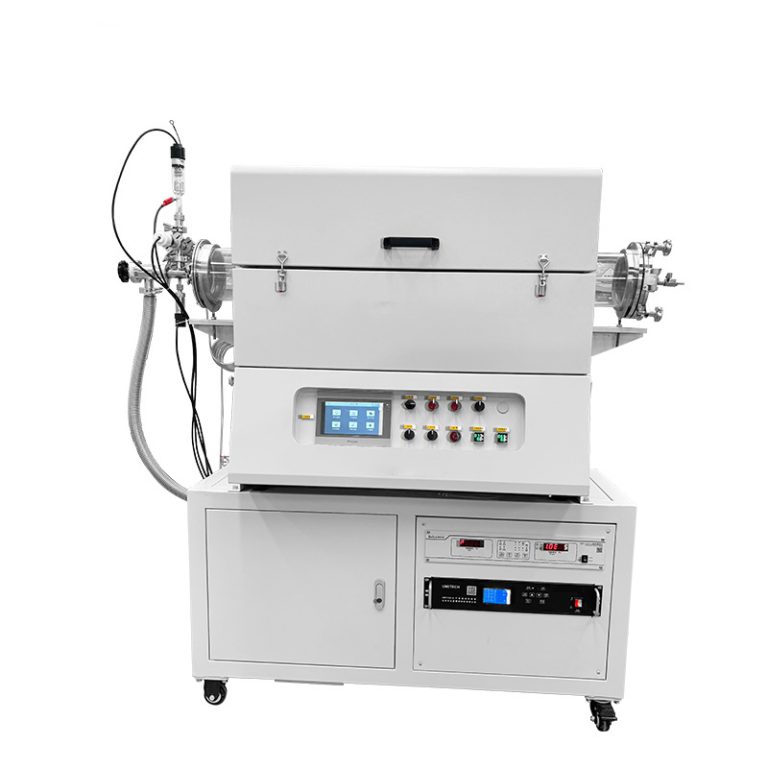
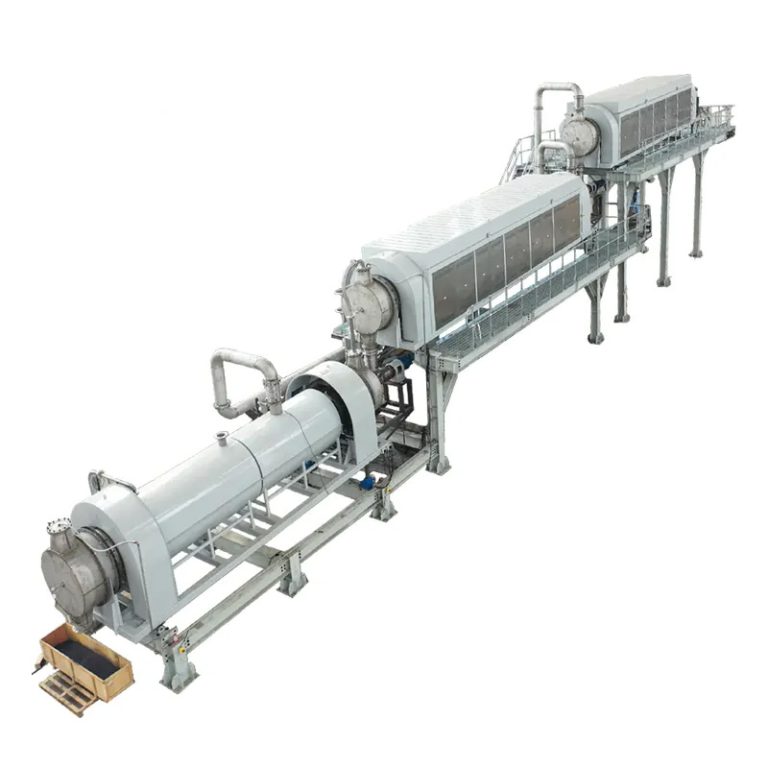
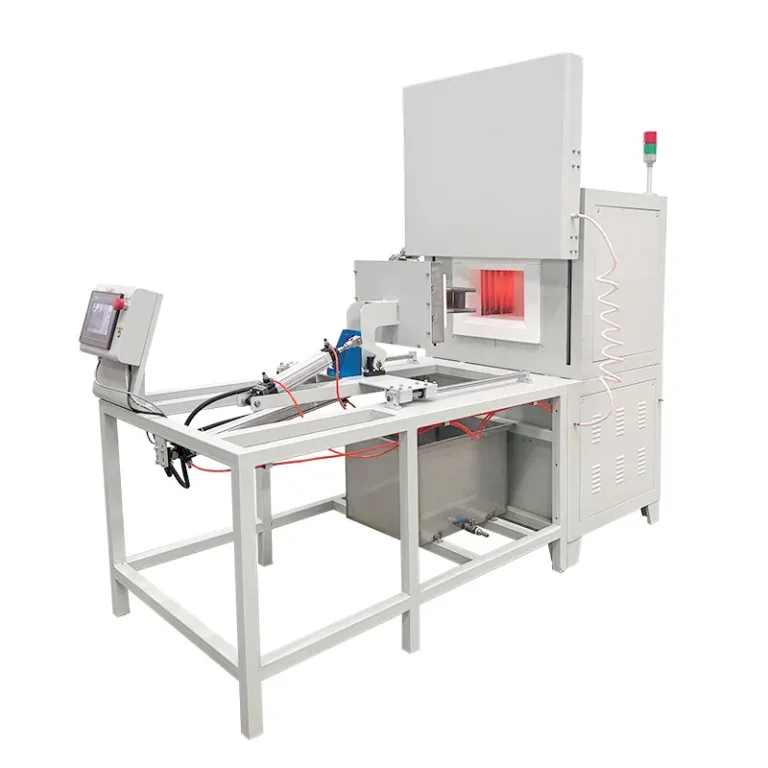
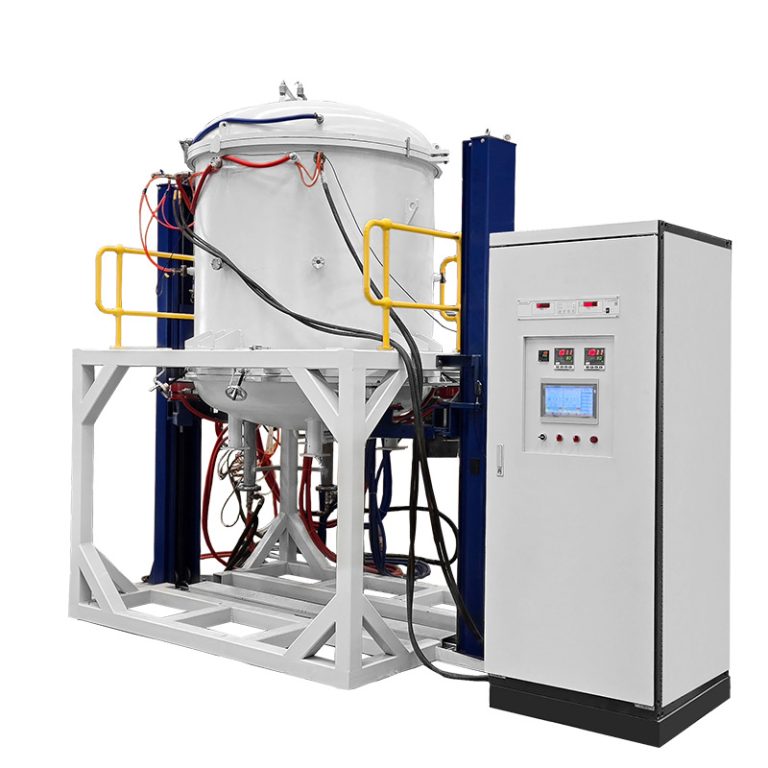
लुओयांग अंजिंग इंटेलिजेंस इक्विपमेंट उच्च तापमान वाली इलेक्ट्रिक भट्टियों में वैश्विक नेता हैं



Furnace Atmosphere Gas Selection Guide: How to Choose the Right Gas
Choose furnace atmosphere gas based on the material, process temperature, desired surface reaction, and oxidation risk. Nitrogen and argon are common protective gases, while hydrogen is used for reducing atmospheres and carbon-containing gases for carburizing.
I.Introduction
Choosing the wrong furnace atmosphere leads to a host of subsequent problems. Selecting the right gas is crucial for preventing oxidation, controlling surface reactions, improving sintering quality, and ensuring heat treatment repeatability. Options range from nitrogen, आर्गन, हाइड्रोजन, syngas, and oxygen to carbon-bearing gases and vacuum environments, each with distinct characteristics. Selection depends primarily on the material, तापमान, process, surface requirements, gas compatibility, and safety considerations. This article explains how to select the appropriate atmosphere gas and highlights common pitfalls to avoid.
द्वितीय. What Is a Furnace Atmosphere?
A furnace atmosphere is the gas environment maintained inside a furnace chamber during heating, sintering, annealing, brazing, heat treatment, or other thermal processes.
Instead of allowing the workpiece to react freely with ordinary air, the furnace atmosphere is controlled to create a specific chemical environment.
Depending on the application, the atmosphere may be designed to:
- Prevent oxidation
- Reduce existing surface oxides
- Prevent decarburization
- Control carbon activity
- Control nitriding reactions
- Protect sensitive materials
- Improve surface quality
- Support powder-metal sintering
- Control cooling
- Provide a controlled reaction environment
Controlled atmospheres can be either protective/inert or chemically active/reactive. Linde notes that neutral atmospheres are commonly used to protect metals during processes such as annealing and hardening, while active atmospheres are used when carbon or nitrogen must intentionally be introduced into the surface.


1.Why Is Furnace Atmosphere Gas Selection Important?
At elevated temperatures, many materials react with oxygen, moisture, नाइट्रोजन, carbon-containing gases, or other components of the surrounding atmosphere.
For example, uncontrolled air can cause:
- Oxide formation
- Surface discoloration
- Scale
- Material loss
- Decarburization
- Contamination
- Changes in electrical properties
- Changes in surface chemistry
ASM International identifies furnace atmosphere as an important variable in heat treatment and discusses nitrogen-based, आर्गन, हाइड्रोजन, generated atmospheres, खाली, and other controlled environments. It also identifies fire, explosion, toxicity, and asphyxiation as important atmosphere-related hazards.
For sintering, the atmosphere can also affect surface chemistry and heat transfer. ASM’s powder-metallurgy guidance notes that sintering atmospheres protect parts from air and are important through heating, sintering, and cooling zones.
2.The Basic Furnace Atmosphere Gas Selection Process
A practical selection process is:
Material → Temperature → Process → Surface requirement → Gas compatibility → Purity → Flow/pressure → Safety → Furnace configuration
Before selecting a gas, define each of these parameters.
Step 1: Identify the Material Being Heated
The first and most important factor is the material.
Different materials have different reactions at high temperature.
For example:
| Material | Typical Atmosphere Consideration |
|---|---|
| Carbon steel | Nitrogen, controlled reducing/neutral atmospheres, carburizing atmospheres depending on process |
| Stainless steel | Nitrogen, आर्गन, hydrogen-containing atmospheres, or vacuum depending on grade/process |
| Copper alloys | Nitrogen, hydrogen-containing protective atmospheres, or vacuum |
| Titanium | Argon or vacuum often preferred because of its high reactivity |
| Nickel alloys | Argon, खाली, or controlled reducing atmospheres depending on process |
| Ceramics | Air, नाइट्रोजन, आर्गन, खाली, or specialty atmospheres depending on composition |
| Powder metals | Nitrogen-based, hydrogen-containing, endothermic, or vacuum depending on powder chemistry |
| Carbon-containing materials | Atmosphere must be selected carefully to avoid unwanted oxidation or carbon loss |
This table is only a starting point.
The material’s exact composition and process temperature must also be considered.
Step 2: Determine the Purpose of the Furnace Process
अगला, define what you want the furnace to accomplish.
Common processes include:
- Annealing
- Stress relieving
- Hardening
- Tempering
- Brazing
- Sintering
- Carburizing
- Carbonitriding
- Nitriding
- Calcination
- Ceramic firing
- Powder metallurgy
- High-temperature research
- Thermal decomposition
- Degassing
The same material may require completely different atmospheres depending on the process.
Step 3: Determine Whether You Need an Inert, Reducing, Oxidizing, or Reactive Atmosphere
This is the key decision.
Inert or Protective Atmosphere
The objective is generally to minimize unwanted chemical reactions between the material and surrounding gases.
Common gases include:
- Nitrogen
- Argon
- Helium
Nitrogen and argon are widely used for furnace purging and protective atmospheres. Linde notes that nitrogen or argon can be used to displace unwanted oxygen and reduce the risk of oxidation during heat treatment.
Reducing Atmosphere
A reducing atmosphere is designed to reduce metal oxides or prevent oxidation.
Hydrogen (H₂) is a major reducing gas.
Hydrogen-containing atmospheres are used in applications including:
- Bright annealing
- Brazing
- Sintering
- Oxide reduction
Linde describes hydrogen/nitrogen or hydrogen/argon atmospheres as protective/reducing environments for oxide-free heat treatment, with hydrogen serving to reduce surface oxides while nitrogen or argon acts as the carrier gas.
तथापि, hydrogen is flammable and requires dedicated equipment, purge procedures, ventilation, monitoring, and safety interlocks.
Oxidizing Atmosphere
Some processes intentionally require oxygen or another oxidizing environment.
Potential applications include:
- Oxidation studies
- Certain ceramic processes
- Oxide formation
- Materials research
- Controlled oxidation experiments
Do not assume that “no oxidation” is always the goal.
For some materials, controlled oxidation is itself the process.
Reactive Atmosphere
A reactive atmosphere intentionally changes the chemistry of the workpiece.
Examples include:
- Carburizing
- Carbonitriding
- Nitriding
- Controlled oxidation
- Reduction
- Certain ceramic reactions
In these processes, the gas is not merely protecting the material. It is part of the chemical process.
Step 4: Choose Between Nitrogen and Argon
One of the most common questions is:
Should I use nitrogen or argon in my furnace?
The answer depends on material compatibility and temperature.
Nitrogen (N₂)
Nitrogen is commonly selected because it is relatively economical and widely available.
Typical uses include:
- Furnace purging
- Protective atmosphere
- Annealing
- Some sintering processes
- Gas cooling
- General inerting
तथापि, nitrogen should not automatically be considered chemically inert for every material and every temperature.
Certain reactive metals can form nitrides under appropriate conditions.
Argon (Ar)
Argon is a true inert gas and is commonly selected when greater chemical inertness is required.
Typical applications include:
- Reactive-metal processing
- Titanium-related processing
- High-purity materials processing
- Vacuum backfilling
- Specialty sintering
- Laboratory research
Linde lists argon among the gases used for vacuum furnace processes including brazing and powder-metal sintering.
Practical Rule
If the material may react with nitrogen at the processing temperature, investigate argon or vacuum instead of assuming nitrogen is suitable.
Step 5: Decide Whether Hydrogen Is Necessary
Hydrogen can be extremely useful, but it should not be selected simply because it provides a “cleaner” atmosphere.
Hydrogen is typically considered when you need:
- Oxide reduction
- Bright surfaces
- High surface cleanliness
- Reducing conditions
- Specialized brazing
- Certain sintering processes
Hydrogen-based atmospheres can provide strong reducing capability, but hydrogen is flammable and requires specific safety engineering.
Linde’s controlled-atmosphere systems use hydrogen together with nitrogen or argon for applications such as bright annealing, sintering, and brazing, with automatic purging and safety controls.
Avoid This Mistake
Do not introduce hydrogen into a furnace simply because the material becomes oxidized in air.
First determine whether:
- Nitrogen is sufficient
- Argon is sufficient
- Vacuum is more appropriate
- A controlled hydrogen mixture is actually required
Step 6: Consider Forming Gas
Forming gas generally refers to a mixture containing nitrogen and hydrogen.
It can provide a compromise between:
- Protective inerting
- Hydrogen reduction
- Gas cost
- Process requirements
A nitrogen/hydrogen atmosphere is used in applications such as bright annealing and sintering. The appropriate hydrogen concentration depends on the material and process.
Because hydrogen-containing mixtures can be flammable, the furnace must be specifically designed for the selected gas composition and operating procedure.
Step 7: Consider Vacuum Instead of Process Gas
Vacuum is another type of controlled furnace atmosphere.
A vacuum furnace removes most of the gas from the chamber rather than replacing air with a continuous atmospheric gas.
Vacuum can be useful for:
- High-temperature heat treatment
- Brazing
- Sintering
- Degassing
- High-purity materials
- Processes where residual oxygen must be minimized
Vacuum vs. अक्रिय गैस
| Requirement | Nitrogen | Argon | वैक्यूम |
|---|---|---|---|
| General protective atmosphere | ✓ | ✓ | ✓ |
| Low operating gas cost | ✓ | ||
| Highly inert environment | ✓ | ✓ | |
| Reactive metals | Sometimes unsuitable | ✓ | ✓ |
| Easy gas cooling | ✓ | ✓ | Depends on system |
| Very low oxygen environment | Good with proper purge | Good | Excellent when properly maintained |
| Equipment complexity | Low–Medium | Low–Medium | High |
The best choice depends on the process rather than one atmosphere being universally better.
Step 8: Consider Gas Purity
Gas type alone is not enough.
Gas purity matters.
For example, two nitrogen supplies can have different impurity levels.
Important contaminants may include:
- ऑक्सीजन
- Moisture
- Hydrocarbons
- Carbon monoxide
- Carbon dioxide
- Other gases
For sensitive high-temperature processes, even small amounts of oxygen or moisture can affect surface reactions.
Therefore, specify gas purity according to the process rather than simply requesting “nitrogen gas.”
Step 9: Consider Oxygen and Moisture Levels
When surface quality is important, it may be necessary to monitor more than the nominal gas composition.
Important parameters can include:
- O₂ concentration
- H₂O/dew point
- Gas pressure
- Gas flow rate
- Furnace pressure
- Gas composition
- Carbon potential
For example, controlled hydrogen atmospheres may require monitoring of the relationship between hydrogen and moisture because the oxidizing/reducing condition depends on the atmosphere chemistry. Linde notes that the H₂O/H₂ ratio is important in controlling brazing-atmosphere behavior.
Step 10: Match the Gas to the Furnace Heating Elements
This is an often-overlooked issue.
The atmosphere must be compatible not only with the workpiece but also with the furnace’s:
- Heating elements
- Insulation
- Thermocouples
- Furnace seals
- Gas inlet system
- Exhaust system
- Hot-zone materials
For example, some heating elements have atmosphere limitations.
Therefore:
Material compatibility + furnace compatibility = acceptable atmosphere
Do not select the gas solely from the workpiece’s perspective.
The heating-element manufacturer’s atmosphere limits should also be checked.
Step 11: Determine the Required Gas Flow Rate
A furnace does not simply need “some gas.”
The system must provide adequate flow for:
- Initial purge
- Maintaining positive pressure
- Replacing leaked atmosphere
- Removing residual air
- Process gas control
- Cooling, where applicable
The required flow depends on:
- Chamber volume
- Leak rate
- Purge procedure
- Operating pressure
- Gas composition
- Furnace design
Linde notes that the amount of gas required for furnace inerting depends on furnace volume.
Avoid This Mistake
Do not choose the gas-flow rate based only on the pipe diameter.
Gas flow should be calculated or specified based on the furnace chamber and process requirements.
Furnace Atmosphere Gas Selection Chart
| Gas / Atmosphere | Main Function | Common Applications | Key Consideration |
|---|---|---|---|
| Nitrogen (N₂) | Protective/inerting | Annealing, sintering, purging, cooling | May react with some materials at high temperature |
| Argon (Ar) | Highly inert protection | Reactive metals, specialty sintering, vacuum backfill | Higher cost |
| Hydrogen (H₂) | Reducing | Bright annealing, brazing, sintering | Flammable; requires safety system |
| N₂/H₂ | Protective + reducing | Bright annealing, sintering | Hydrogen concentration and safety must be controlled |
| Helium (He) | Inert + excellent heat transfer | Specialty processing, cooling | High cost |
| CO/CO₂-containing atmospheres | Carbon potential control | Carburizing / heat treatment | Requires precise atmosphere control |
| Methanol/N₂ systems | Carbon-control atmosphere | Carburizing, hardening | Process-specific |
| Ammonia-based atmospheres | Nitrogen addition | Nitriding / nitrocarburizing | Reactive and hazardous |
| ऑक्सीजन | Oxidizing | Controlled oxidation, ceramics | Can accelerate oxidation |
| वैक्यूम | Removes reactive gases | Sintering, brazing, heat treatment | Higher system complexity |
Controlled-atmosphere systems may use gas mixtures rather than a single pure gas, particularly for carburizing, nitriding, bright annealing, and other thermochemical processes.
3.How to Choose Furnace Atmosphere Gas for Different Applications
For General Heat Treatment
For general heat-treatment applications where the primary objective is to reduce oxidation, नाइट्रोजन is often considered first because of its availability and cost.
तथापि, verify compatibility with the specific material and temperature.
For Reactive Metals
For materials that can react with nitrogen, argon or vacuum may be more appropriate.
Titanium is a typical example where atmosphere selection requires particular attention.
For Bright Annealing
Bright annealing often requires a highly controlled protective or reducing atmosphere.
Possible choices include:
- Hydrogen/nitrogen
- Hydrogen/argon
- Hydrogen
- वैक्यूम
The exact atmosphere depends on the alloy and surface-quality requirement.
Linde describes hydrogen/nitrogen or hydrogen/argon controlled atmospheres for oxide-free bright annealing.
For Brazing
Brazing commonly uses:
- वैक्यूम
- Nitrogen
- Argon
- Hydrogen
- Hydrogen-containing mixtures
The correct atmosphere depends on the base metal and brazing alloy.
Linde notes that inert atmospheres such as nitrogen and argon and reducing atmospheres such as hydrogen can be used in brazing, while atmosphere chemistry influences wetting behavior.
For Powder Metal Sintering
Common atmosphere choices include:
- Nitrogen
- Hydrogen
- N₂/H₂ mixtures
- Endothermic atmospheres
- वैक्यूम
- Argon
The appropriate choice depends strongly on powder composition and the desired final chemistry.
ASM identifies endothermic gas, exothermic gas, dissociated ammonia, हाइड्रोजन, and vacuum among atmospheres used in sintering.
For Carburizing
Carburizing intentionally introduces carbon into the surface.
Therefore, a simple inert atmosphere is not sufficient.
Process gases can include:
- Endothermic gas
- Nitrogen/methanol
- Hydrocarbon-containing gases
- Controlled carbon-potential atmospheres
Precise carbon-potential control is essential for consistent carburizing results.
For Nitriding
Nitriding intentionally introduces nitrogen into the material surface.
Ammonia-based atmospheres are commonly used for gas nitriding, with nitrogen potential requiring careful process control.
This is a specialized thermochemical process and requires a furnace specifically designed for the selected gas and safety system.
4.Do You Need an Atmosphere Furnace or a Vacuum Furnace?
This is another important purchasing decision.
Choose an Atmosphere Furnace When:
- You need continuous gas flow.
- You need a controlled gas composition.
- You need a reactive gas.
- You need carburizing or nitriding.
- You need controlled gas cooling.
- Your process requires a specific gas mixture.
Consider a Vacuum Furnace When:
- You need very low residual oxygen.
- Surface contamination must be minimized.
- You need vacuum brazing.
- You need vacuum sintering.
- You need degassing.
- You want to remove atmospheric gases during heating.
In many modern systems, the two approaches can also be combined: evacuate the chamber first and then backfill with nitrogen or argon at controlled pressure. Vacuum-furnace gas systems commonly support gases such as argon, हाइड्रोजन, नाइट्रोजन, and other process gases depending on the application.
तृतीय. How Our High-Temperature Furnaces Can Be Configured
For advanced materials and high-temperature processing, furnace atmosphere should be specified together with the hot-zone and control system.
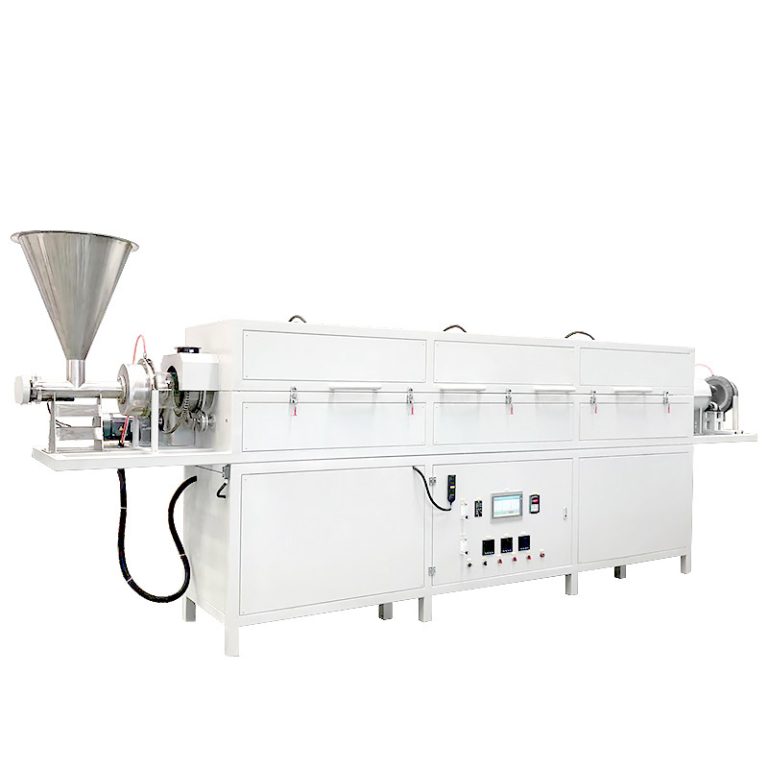
MeltingFurnace.net provides high-temperature electric furnace solutions for laboratory, research, ceramic, sintering, heat-treatment, and industrial applications.
Depending on the process, furnace configurations can incorporate:
- Nitrogen atmosphere
- Argon atmosphere
- Controlled gas inlet
- Gas purge system
- Vacuum system
- Programmable temperature control
- Multi-stage heating profiles
- Controlled cooling
- High-temperature insulation
- Different heating-element configurations
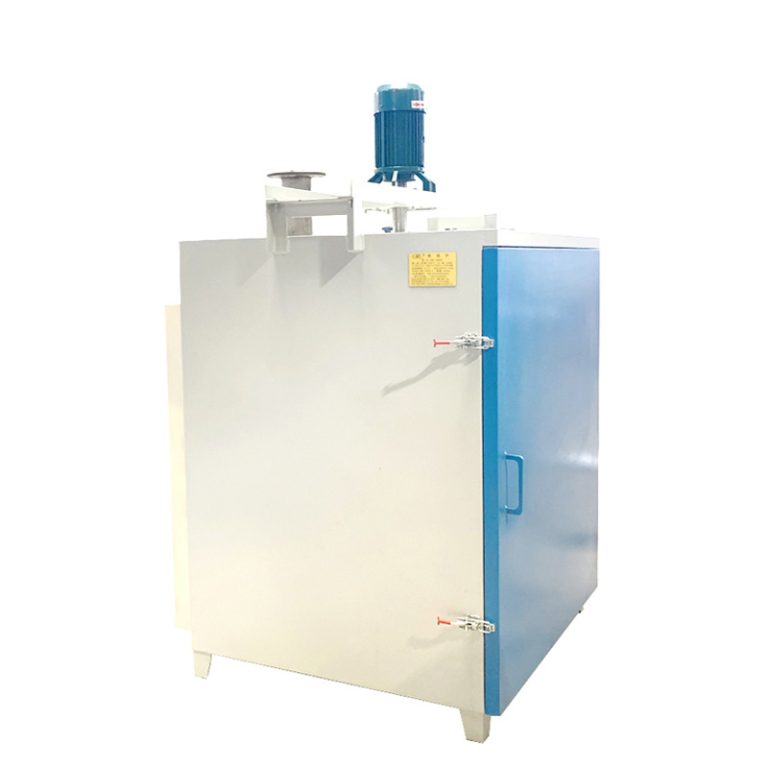
For example, our high-temperature box furnaces are designed for high-temperature ceramic and materials-processing applications, with programmable temperature control and configurations suitable for different thermal-processing requirements.
When selecting an atmosphere furnace, the key is not simply to specify the maximum furnace temperature. The furnace should be designed around:
तापमान + atmosphere + material + process + chamber + safety system
IV.Conclusion
Selecting the right furnace atmosphere gas starts with the material and process—not with the gas cylinder. Nitrogen is widely used for general protective atmospheres, argon provides highly inert protection for applications where nitrogen may be unsuitable, hydrogen provides reducing capability, and specialized gas mixtures are used for carburizing, nitriding, and other thermochemical processes. Vacuum can also provide a controlled low-gas environment for demanding heat treatment, brazing, and sintering applications.
When choosing an atmosphere furnace, evaluate material compatibility, process temperature, gas purity, oxygen/moisture limits, gas flow, heating elements, furnace seals, exhaust, and safety controls together. A correctly selected atmosphere can improve process repeatability and surface quality while avoiding oxidation and unwanted chemical reactions.
If you are selecting a high-temperature atmosphere furnace, provide the material, target temperature, chamber size, process atmosphere, gas purity, flow rate, and required heating/cooling profile. The furnace configuration can then be matched to the actual process instead of relying on a generic atmosphere specification.
Click “Request a Quote” to get a customized solution.
V.FAQ
1. What gas is commonly used in a furnace atmosphere?
Nitrogen and argon are commonly used as protective gases. Nitrogen is often selected for general inerting and heat treatment, while argon is used when greater chemical inertness is required. Hydrogen and gas mixtures are used for reducing or reactive processes.
2. How do I choose between nitrogen and argon for a furnace?
First, determine whether the material can coexist with nitrogen at the operating temperature. If it is compatible, nitrogen serves as a suitable protective gas. तथापि, if greater inertness is required—or if there is a risk of nitride formation—choose argon or a vacuum instead.
3. When should hydrogen be used in a furnace?
When a reducing atmosphere is required, hydrogen is the usual choice; it is commonly used in processes such as bright annealing, brazing, and sintering. तथापि, since hydrogen is flammable, the furnace must be fully equipped with systems for gas handling, purging, ventilation, and exhaust, as well as safety interlocks.
4. Is nitrogen really an inert gas?
Nitrogen is used as an inert or protective gas in many furnaces, but it is not inert with respect to all materials or at all temperatures. Some materials react with nitrogen at high temperatures; therefore, before selecting nitrogen, you must verify its compatibility with the material.
5. Is vacuum better than an inert gas atmosphere?
Neither is inherently better than the other. Vacuum is more suitable when extremely low residual oxygen levels are required or when gas contamination is a concern; an inert atmosphere is simpler and more convenient when continuous gas purging for protection or gas cooling is needed.
Supplier
लुओयांग अंजिंग इंटेलिजेंट इक्विपमेंट कंपनी, लिमिटेड. अनुसंधान के लिए समर्पित एक उद्यम है, विकास, उत्पादन, बिक्री, और उच्च तापमान वाली विद्युत भट्टियों जैसे ताप उपचार उपकरणों की तकनीकी सेवाएं. हम प्रयोगशाला का उत्पादन करते हैं, खाली, औद्योगिक, और मध्यम आवृत्ति भट्टी, -100℃ से 2600℃ तक तापमान रेंज को कवर करना, नई ऊर्जा जैसे उद्योगों की सेवा करना, अर्धचालक, और उन्नत सामग्री. हम विशिष्ट वातावरण के आधार पर अनुकूलित समाधान प्रदान कर सकते हैं, अति उच्च तापमान, और बुद्धिमान नियंत्रण प्रणाली आवश्यकताएँ. यदि आप रुचि रखते हैं तो कृपया बेझिझक हमसे संपर्क करें.