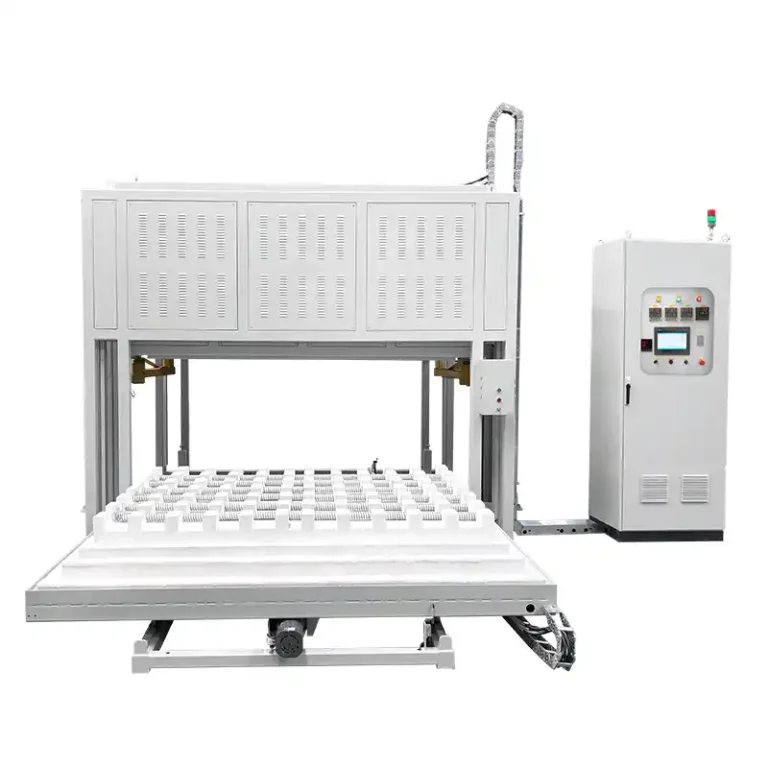
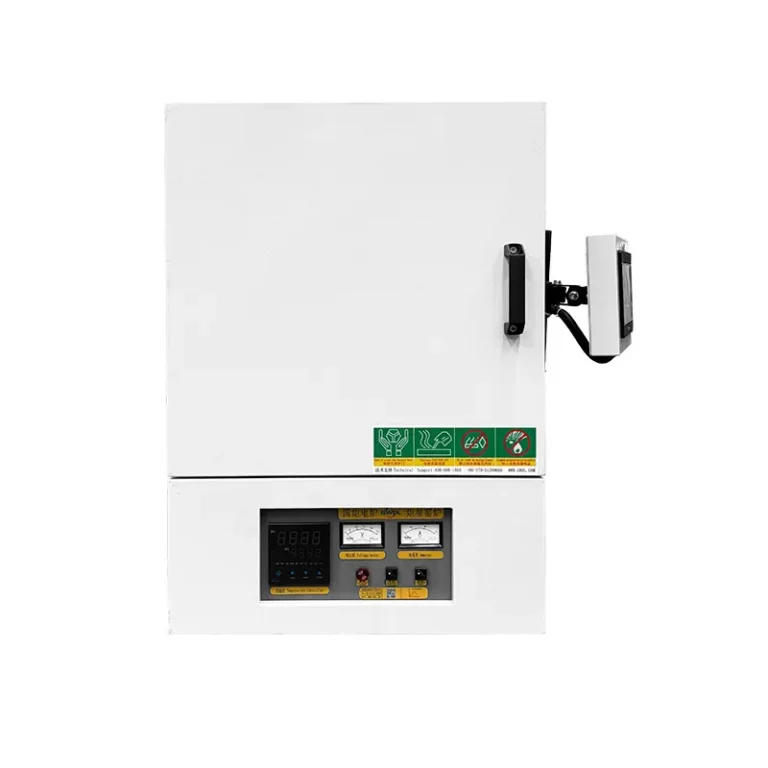
लुओयांग अंजिंग इंटेलिजेंस इक्विपमेंट उच्च तापमान वाली इलेक्ट्रिक भट्टियों में वैश्विक नेता हैं



What Is A Melting Furnace? It’s A Device Specifically Designed For Firing Raw Materials For Ceramics And Glass
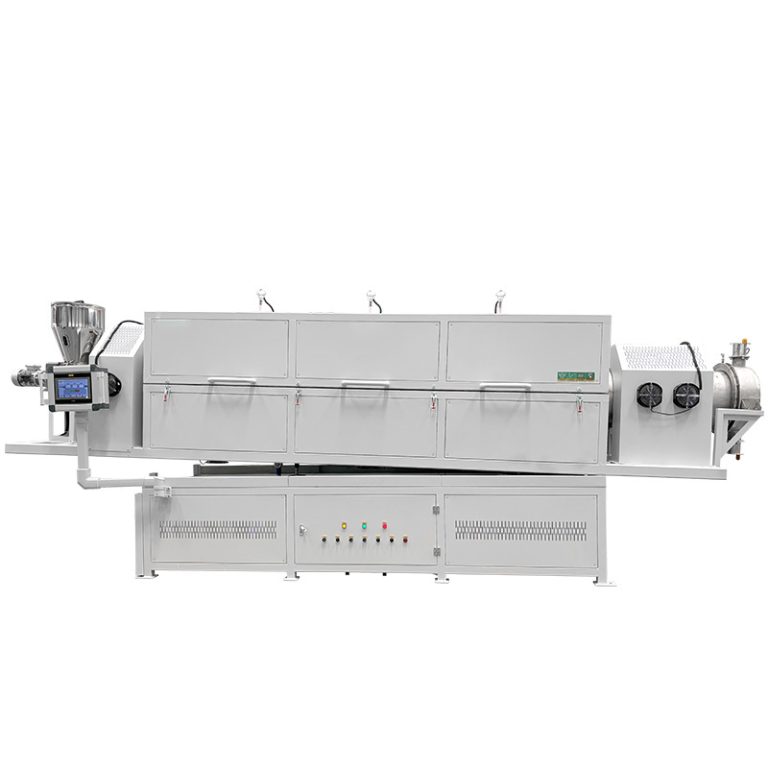
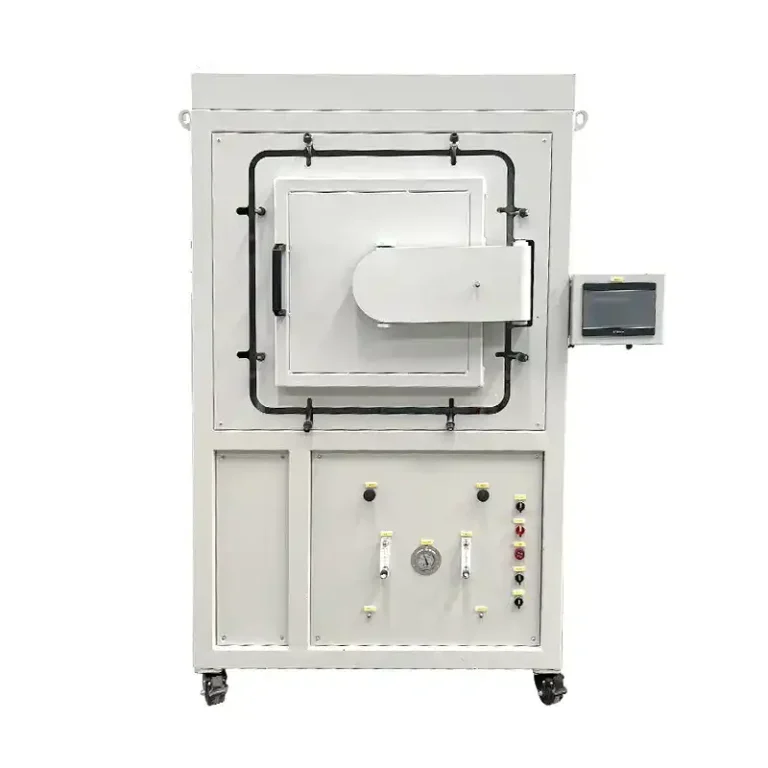
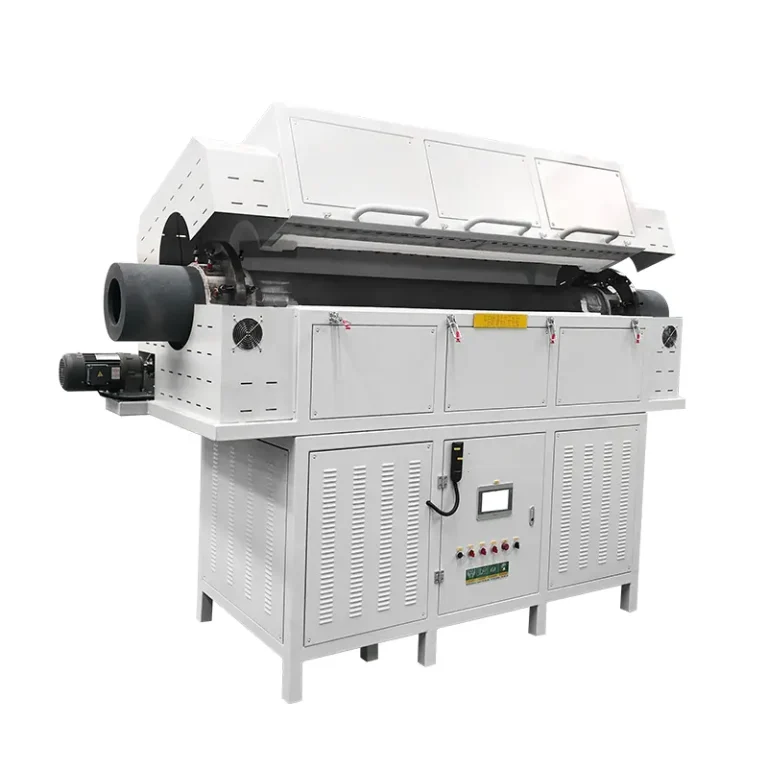
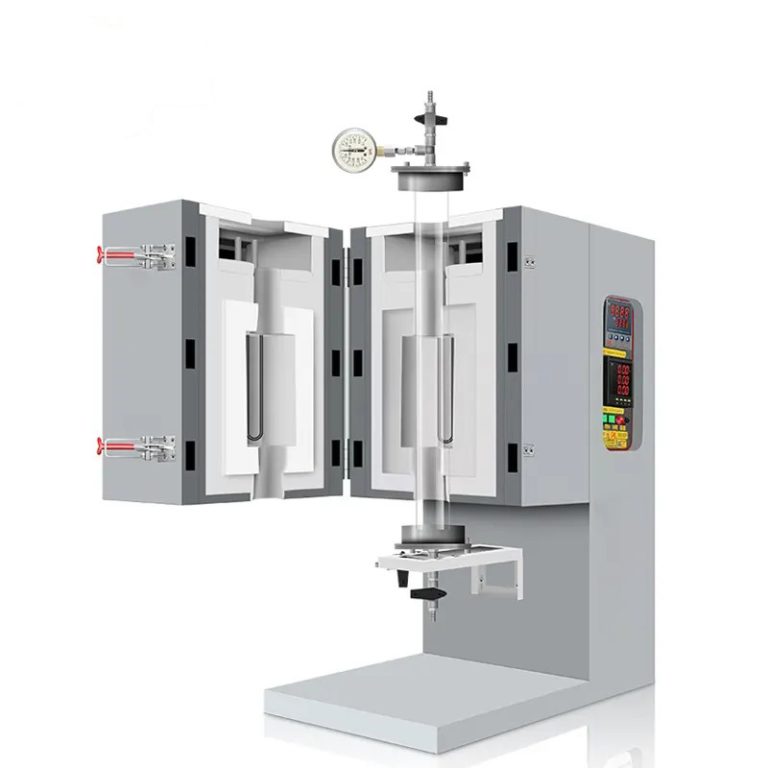
What is a frit furnace? A piece of equipment specifically designed for firing raw materials for ceramics and glass.
In the production of ceramic glazes, glass pigments, and specialty glasses, frit is a crucial raw material affecting product performance and quality. Frit production requires mixing various inorganic raw materials in a specific ratio, melting them at high temperatures, and then rapidly cooling them to form a glassy substance. The core equipment for completing this critical process is the frit melting furnace.
As a specialized high-temperature melting device, frit furnaces are widely used in the ceramics industry, glass manufacturing industry, and the field of new inorganic materials. With the increasing demand for high-quality ceramics and specialty glasses, efficient, energy-saving, and precisely temperature-controlled glass melting furnaces are becoming an important guarantee for enterprises to improve product quality.
मैं. Product Introduction
A frit furnace is an industrial piece of equipment specifically designed for melting ceramic and glass raw materials. Its name, “frit,” refers to the glassy material that has been melted at high temperatures and then cooled into blocks—these blocks are semi-finished raw materials for ceramic glazes, glass products, and enamel coatings.
The working principle of a frit furnace is not complicated: mineral raw materials such as quartz, feldspar, borax, and barium carbonate are mixed according to a formula and added to the furnace. They are melted into liquid glass at a high temperature of 1300℃-1600℃, and then rapidly water-quenched to form brittle glassy blocks. These blocks are the “frits.” The frits are then ball-milled to become glazes used in ceramic factories or auxiliary raw materials in glass factories.
Why melt the raw materials into frits first, instead of using them directly? Because the pre-melting process in the frit furnace allows for the full reaction and release of pores, water of crystallization, and easily soluble components in the raw materials, resulting in a more uniform, stable, and bubble-free final product (glaze or glass). Frit furnaces are an indispensable basic piece of equipment in the ceramics and glass industries.
द्वितीय. उत्पाद की विशेषताएं और लाभ
- Rotary Furnace Structure for Uniform Melting
The furnace is much more stable in quality. The most typical glass melting furnace is the rotary melting furnace. The furnace body is a horizontal or slightly inclined cylindrical shape that rotates slowly around its axis. The raw material is fed in from one end and moves towards the discharge end as the furnace body rotates, where it melts into a liquid state at high temperature.
- Water Quenching Cooling System for Rapid Vitrification
A key aspect of the fused glass process is rapid cooling after discharge. Liquid glass, exceeding 1000°C, flows directly into a water quenching tank for rapid cooling. This rapid cooling process prevents the glass from crystallizing, keeping it amorphous, while the resulting internal stress causes the glass to naturally shatter into smaller pieces.
- Continuous Production, High Capacity, Low Energy Consumption
Industrial-grade frit furnaces typically employ a continuous feeding and discharging operation. Raw materials are continuously fed into the furnace via a screw feeder, while molten glass flows continuously into a water quenching tank from the other end. The furnace insulation layer uses ceramic fiber modules with low thermal conductivity, ensuring good surface temperature control and significantly reducing heat loss.
- Environmentally Friendly Design, Equipped with a Flue Gas Treatment System
During the frit furnace melting process, components such as carbonates and sulfates in the raw materials decompose to produce waste gases such as carbon dioxide and sulfur dioxide. Modern frit furnaces are equipped with bag filters and desulfurization towers, ensuring that exhaust emissions meet environmental standards. The sealed furnace body design reduces the emission of fugitive dust, resulting in a significantly better working environment than traditional coal-fired furnaces.
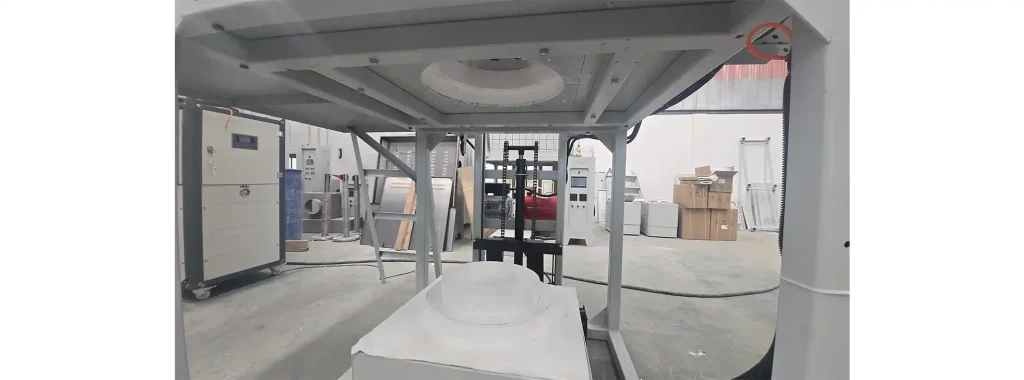
| Feature Category | Specific Description |
|---|---|
| High-Temperature Feeding, Instant Solution Outflow | Raw materials are added after the furnace reaches the set temperature, avoiding the impact of low-temperature stages on the melt composition. Molten glass can flow out instantly from the bottom or side of the furnace, supporting continuous or semi-continuous production. |
| Wide Adjustable Heating Rate | The heating rate can be freely adjusted from1℃/h to 40℃/min, allowing users to flexibly set heating curves according to different material characteristics, meeting diverse needs from slow to rapid heating. |
| Diverse Crucible Materials for Different Materials | High-purity zirconia crucibles are standard, offering high temperature resistance and corrosion resistance. High-purity fused silica ceramics are also available, suitable for melting glass and enamel frits. |
| Customizable Configuration | Furnace chamber size, maximum temperature, crucible material, discharge method, वगैरह।, can all be customized according to customer requirements to meet the personalized needs of different materials and processes. |
| Rich Models and Specifications | Available in multiple temperature grades from1200℃ to 1800℃, crucible volumes from1.6L to 70L, power from6kW to 85kW, weight from180kg to 1150kg, with non-standard sizes accepted for customization. |
तृतीय. Two Core Product Topics
- What is the difference between a frit furnace and a conventional glass melting furnace?
Many users believe that frit furnaces and conventional glass melting furnaces are the same type of equipment. तथापि, their design objectives differ significantly.Traditional glass melting furnaces are mainly used for large-scale continuous production of flat glass, container glass, or industrial glass, focusing on continuous feeding and long-term stable operation. Frit furnaces, on the other hand, are primarily designed for the production of ceramic frits and specialty glass raw materials, emphasizing formulation flexibility and temperature control.
Due to the wide variety of frit products and frequent batch changes, frit furnaces often employ intermittent production methods. The equipment needs to be able to heat up rapidly, control temperature precisely, and adapt to the melting requirements of different raw material systems. आगे, for some high-value-added products, it is also necessary to control the atmosphere to reduce raw material volatilization and oxidation reactions.
- Why does melt quality determine the value of frit products?
The essence of frit is a pre-melted glassy material whose properties directly affect the gloss, smoothness, corrosion resistance, and color performance of ceramic glazes.
Insufficient melting temperature leads to incomplete reaction of raw materials, resulting in raw material particles in the frit and affecting the quality of the subsequent glaze. Excessive temperature, on the other hand, causes some components to volatilize, leading to formula deviations and increased costs.A high-performance frit furnace, through stable temperature control and a well-designed furnace structure, ensures that the raw materials are fully melted and uniformly mixed, resulting in a glass melt with consistent composition and stable performance.
With the development of new energy materials, electronic ceramics, and functional glass industries, the market demand for high-purity, highly consistent frit materials is constantly growing, driving the continuous upgrading of frit furnace technology towards intelligence and efficiency.
चतुर्थ. उत्पाद अनुप्रयोग
- Ceramic Wall and Floor Tile Industry: This is the largest application market for frit. Over 90% of the glossy and matte glazes on wall and floor tiles are formulated using frit. Basic frits (such as transparent frits and zirconium white frits) produced in frit furnaces are transported to ceramic factories, where colorants and suspending agents are added and ball-milled into a glaze slurry. This slurry is then applied to the surface of the tile blank and fired in a kiln to form the vitreous glaze layer on the tile surface.
- Daily-Use Ceramics and Artistic Ceramics: The glazing of daily-use ceramics such as tableware, teaware, and vases also requires the use of frit glazes.
- Enamel Industry: The coatings for enamel pots, enamel water heater liners, and enamel reactors are made from frits. Enamel frits need to have good adhesion to the metal substrate and a matching coefficient of thermal expansion. Enamel frits produced in frit furnaces are ground, sprayed onto the metal surface, and fired at 850℃-900℃ to form a dense, acid and alkali resistant enamel layer.
- Electronic Glass Sealing: In electronic components (such as diodes, relays, and connectors), the sealing between the metal leads and the ceramic or glass housing requires the use of glass solder.
- Auxiliary Raw Materials for Glass Products: In the production of specialty glasses such as tinted glass, opaque glass, and heat-resistant glass, some refractory components (such as compounds of selenium, cadmium, and chromium) are pre-melted into frits before being added to the glass melting furnace. This prevents harmful volatilization and improves color uniformity.
- Chemical and Building Materials: Certain chemical anti-corrosion coatings, glazed tiles for building construction, mosaics, and other products also require the use of frit glazes or glass frits.
वी.आपूर्तिकर्ता
लुओयांग अंजिंग इंटेलिजेंट इक्विपमेंट कंपनी, लिमिटेड. अनुसंधान के लिए समर्पित एक उद्यम है, विकास, उत्पादन, बिक्री, और उच्च तापमान वाली विद्युत भट्टियों जैसे ताप उपचार उपकरणों की तकनीकी सेवाएं. हम प्रयोगशाला का उत्पादन करते हैं, खाली, औद्योगिक, और मध्यम आवृत्ति भट्टी, -100℃ से 2600℃ तक तापमान रेंज को कवर करना, नई ऊर्जा जैसे उद्योगों की सेवा करना, अर्धचालक, और उन्नत सामग्री. हम विशिष्ट वातावरण के आधार पर अनुकूलित समाधान प्रदान कर सकते हैं, अति उच्च तापमान, और बुद्धिमान नियंत्रण प्रणाली आवश्यकताएँ. यदि आप रुचि रखते हैं तो कृपया बेझिझक हमसे संपर्क करें.