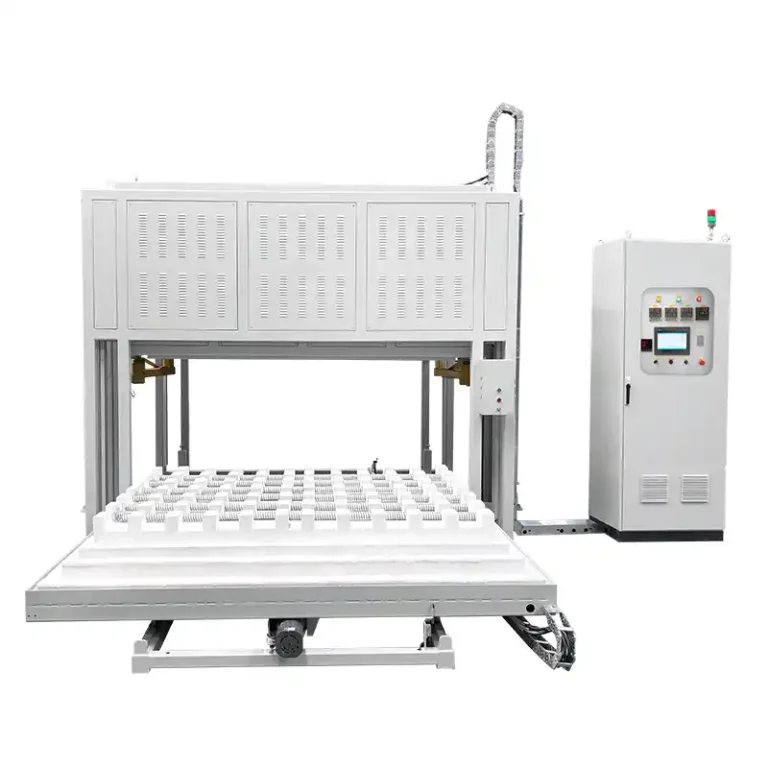
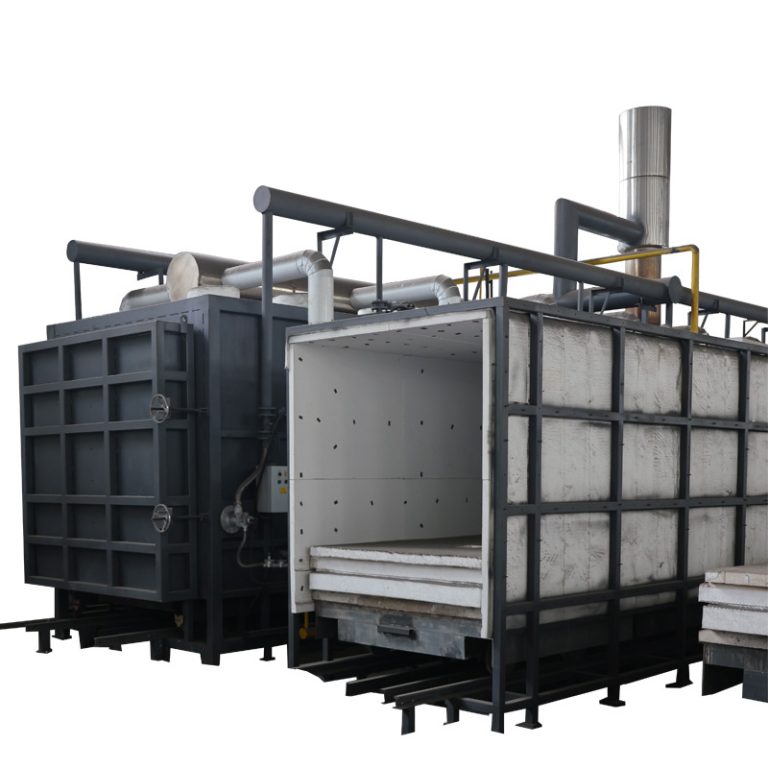
Luoyang Anjing Intelligence Equipment adalah pemimpin global dalam tungku listrik bersuhu tinggi



Vertical vs Horizontal Tube Furnace: Which Is Better for Heat Treatment Experiments?
In laboratory heat treatment and industrial materials research and development, the tube furnace is one of the most fundamental and crucial pieces of equipment. During the selection phase, one of the most easily overlooked yet most impactful factors is its structural form—vertical tube furnace versus horizontal tube furnace.
Although they may seem to differ only in direction, these two furnace types are fundamentally different in terms of heating methods, sample conditions, temperature field stability, and space utilization. Choosing the wrong structure often directly affects experimental repeatability and the consistency of process results.
SAYA. Ikhtisar Produk
A tube furnace is a device that uses resistance heating or induction heating to achieve high-temperature processing within a sealed furnace tube.
Based on their structural form, they can be divided into vertical tube furnaces Dan horizontal tube furnaces.
Vertical furnace: Heating tubes are arranged vertically, and the sample is placed along the direction of gravity.
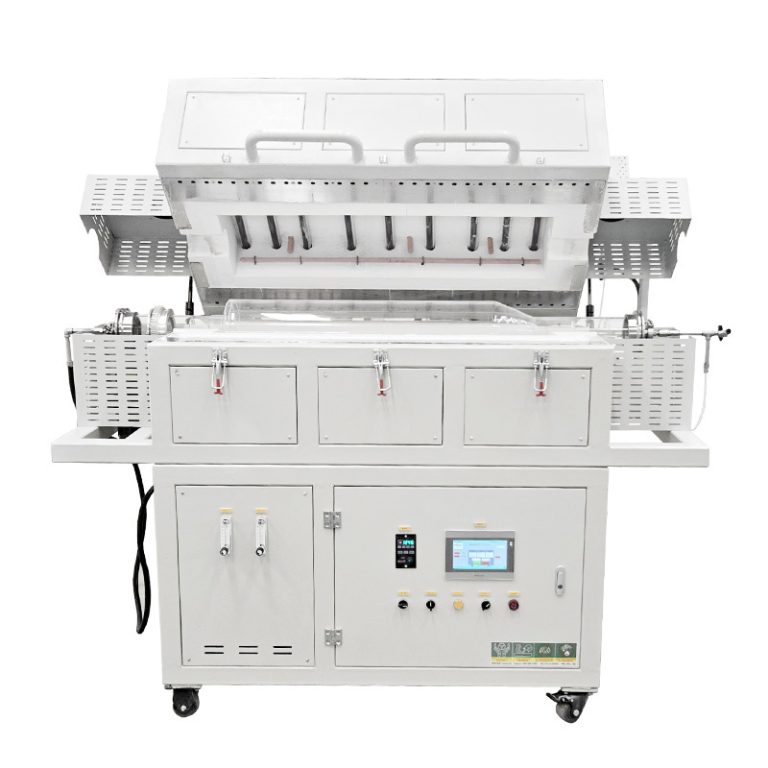
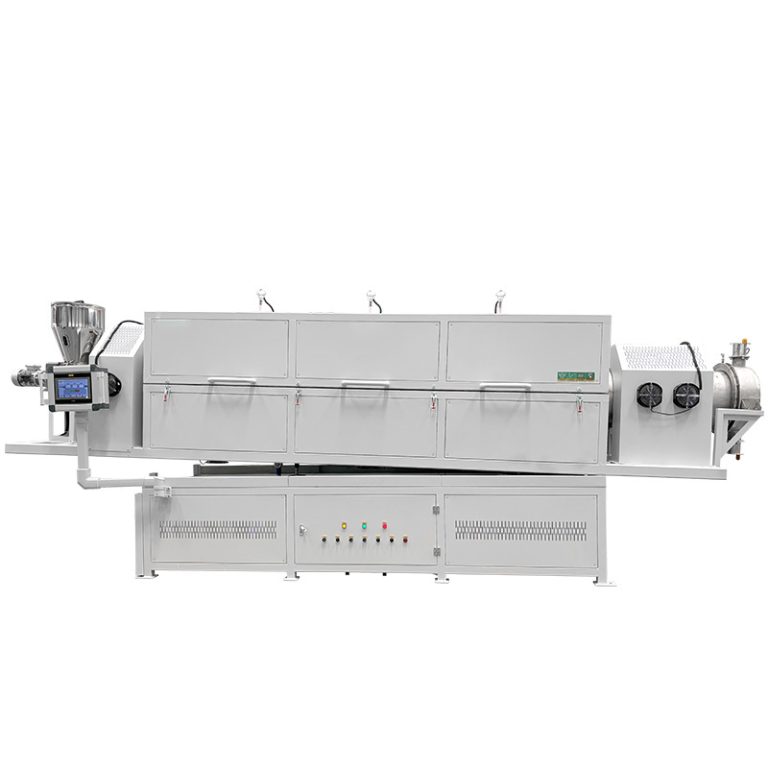
Horizontal furnace: Heating tubes are arranged horizontally, and the sample is placed along a horizontal axis.
Both can achieve vacuum, inert atmosphere, or controlled atmosphere environments, but they differ significantly in terms of thermal field distribution and sample behavior.


II. Fitur dan Keunggulan Produk
- Heating Mechanism: Radiation-Based vs. Radiation + Convection
In a vertical furnace, the heating elements are vertically arranged around the furnace tubes, allowing for natural vertical convection and a more uniform temperature field. In a horizontal furnace, the heating elements are horizontally arranged, and heat is mainly transferred from the tube wall to the interior through radiation, resulting in weaker convection. For powder samples or processes requiring atmospheric flow, the vertical furnace’s longitudinal airflow design is more conducive to a uniform temperature field.
- Sample Loading: Vertical Suspension vs. Horizontal Push-In
In a vertical furnace, samples are either suspended vertically from the top of the furnace tube or pushed in from the bottom. For slender samples (such as wires, rods, and long tubes), vertical placement avoids bending deformation caused by gravity at high temperatures. The loading operation is also relatively simple—simply lower the sample vertically; long horizontal pushing is not required.
In a horizontal furnace, samples need to be pushed in horizontally from one end of the furnace tube. For longer samples, there is a risk of collision with the tube wall during the pushing process, making the operation slightly more difficult. Namun, if the sample itself is powder or granular, a horizontal furnace is more convenient for holding it in a boat-shaped dish, eliminating concerns about powder spillage in the vertical tube.
- Space Occupancy: Compact and Vertical vs. Laterally Extended
Vertical furnaces have a smaller footprint, making them more suitable for laboratory benchtops or spaces with limited space. Namun, sufficient operating space needs to be reserved in the vertical direction—the longer the furnace tube, the higher the required ceiling height.
Horizontal furnaces have a larger footprint; the length of the equipment is directly proportional to the length of the furnace tube. For furnaces exceeding 1 meter in length, a dedicated equipment area may be required. Horizontal furnaces, Namun, have no special requirements in the vertical direction and can be accommodated at normal ceiling height.
- Keseragaman Suhu: Vertical is Slightly Better, Horizontal Requires Fine-tuning
Vertical furnaces achieve excellent temperature uniformity along the sample length due to the combined effect of the vertical direction and the surrounding heating elements. The heating elements completely enclose the furnace tube, distributing heat evenly in the vertical direction. Combined with a reasonable insulation structure, a temperature field deviation of ±1℃ can typically be achieved.
While horizontal furnaces can maintain uniform temperature, their horizontal layout leads to faster heat loss at the ends of the furnace tubes, potentially causing slight temperature variations along the sample length. The temperature near the furnace door and the ends of the tubes is often slightly lower than in the middle. Solutions include multi-zone temperature control or optimizing the position of the furnace plug to compensate for end heat loss.
- Atmosphere Control: Vertical furnaces are suitable for dynamic airflow, while horizontal furnaces are suitable for static sealing.
The vertical airflow design of vertical furnaces is suitable for processes requiring gas to flow upwards from the bottom and make full contact with the sample. Gases with lower densities (such as hydrogen and helium) rise more easily in vertical furnaces, reducing the likelihood of stagnation and dead zones within the tubes.
In a horizontal furnace, the gas flow is horizontal, and in a flowing atmosphere process, the gas enters from one end and exits from the other, with a clear and controllable path. For processes requiring a sealed static atmosphere, the flange sealing structure at both ends of the horizontal furnace is also more mature and reliable.
| Comparison Dimension | Vertical Tube Furnace | Horizontal Tube Furnace |
|---|---|---|
| Heating Mechanism | Radiation + natural convection, more uniform heat distribution | Primarily radiation, possible temperature difference at ends |
| Sample Loading Method | Vertically suspended / top-loaded, suitable for long samples | Horizontally pushed in, suitable for powders and boats |
| Sample Deformation Risk | Vertical placement, gravity does not cause bending | Horizontal placement, long samples prone to sagging at high temperatures |
| Space Occupation | Small footprint, requires high ceiling height | Large footprint, no ceiling height requirement |
| Suitable Sample Types | Long rods, wires, tubes | Powders, butiran, short blocks, boat-loaded samples |
| Operational Convenience | Simple loading, no long-distance pushing required | Long sample pushing requires skill |
| Gas Flow & Atmosphere | Longitudinal gas flow, suitable for dynamic atmospheres | Horizontal gas flow, mature sealing structure |
| Common Applications | Crystal growth, CVD, heat treatment of long samples | Powder sintering, tube annealing, conventional heat treatment |
AKU AKU AKU. Key Topic Analysis: Temperature Uniformity vs. Process Adaptability
- Which is Superior in Temperature Field Uniformity?
Theoretically, vertical furnaces, due to their vertical structure and symmetrical heating design, are better at achieving axially uniform temperature fields within short sample areas. Especially in small-sized furnace tubes, their temperature difference control capability is generally superior to that of ordinary single-zone horizontal furnaces.
Namun, in practical industrial applications, horizontal furnaces can effectively compensate for temperature difference issues through multi-zone temperature control designs (three zones, five zones, or even more). Therefore, the difference between the two is not absolute but depends on the specific design level.
- Differences in Sample Behavior are Often Overlooked
A key point that is easily overlooked is the “effect of gravity.” In vertical furnaces: powders will naturally settle, the gas-solid reaction path is more stable, and molten samples may flow and stratify. In horizontal furnaces: the sample state is more stable, making it more suitable for structural studies and solid-state reactions, and it is easier to control the consistency of sample morphology. This is why the field of materials research chooses different structures based on the type of experiment, rather than simply comparing their advantages and disadvantages.
IV. Aplikasi Produk
Typical Applications of Vertical Tube Furnaces
- Crystal Growth: Used for growing single-crystal silicon, sapphire, and scintillation crystals via the Czochralski method and crucible lowering method. The vertical structure is a natural fit for these processes.
- Chemical Vapor Deposition (CVD): The vertical airflow design allows for more thorough contact between the reactant gases and the substrate, making it suitable for growing vertically oriented materials such as carbon nanotubes, graphene, and ZnO nanowires.
- Heat Treatment of Long Filaments, Rods, and Tubes: Vertical furnaces are the preferred choice for samples with long, thin diameters that require vertical suspension to prevent deformation.
- Powder Bed Reaction and Sintering: In a vertical tube, the temperature gradient of the powder bed from bottom to top is controllable, suitable for gradient sintering processes.
Typical Applications of Horizontal Tube Furnaces
- Sintering of Powder and Particulate Materials: Powder is placed in a boat and horizontally pushed into the furnace tube; operation is simple, and multiple batches can be processed at once.
- Annealing of Tubes and Rods: Short tubes and rods are placed horizontally, making them easy to fix and quick to load and unload.
- Heat treatment under a flowing atmosphere: Protective gas is introduced from one end and discharged from the other, providing a clear airflow path suitable for processes requiring precise control of gas composition and flow rate.
- CVD and PVD coating experiments: A horizontally placed substrate within a horizontal furnace allows for uniform airflow distribution across the substrate surface, ideal for thin film deposition.
- Routine laboratory heat treatment: For routine experiments without special requirements, horizontal furnaces are the common choice for most laboratories due to their intuitive operation and mature sealing structure.
V. Pemasok
Luoyang Anjing Peralatan Cerdas Co., Ltd. adalah perusahaan yang didedikasikan untuk penelitian, perkembangan, produksi, penjualan, dan layanan teknis peralatan perlakuan panas seperti tungku listrik bersuhu tinggi. Kami memproduksi laboratorium, kosong, industri, dan tungku frekuensi menengah, mencakup kisaran suhu dari -100℃ hingga 2600℃, melayani industri seperti energi baru, semikonduktor, dan materi tingkat lanjut. Kami dapat memberikan solusi khusus berdasarkan suasana tertentu, suhu sangat tinggi, dan persyaratan sistem kontrol cerdas. Jangan ragu untuk menghubungi kami jika Anda tertarik.