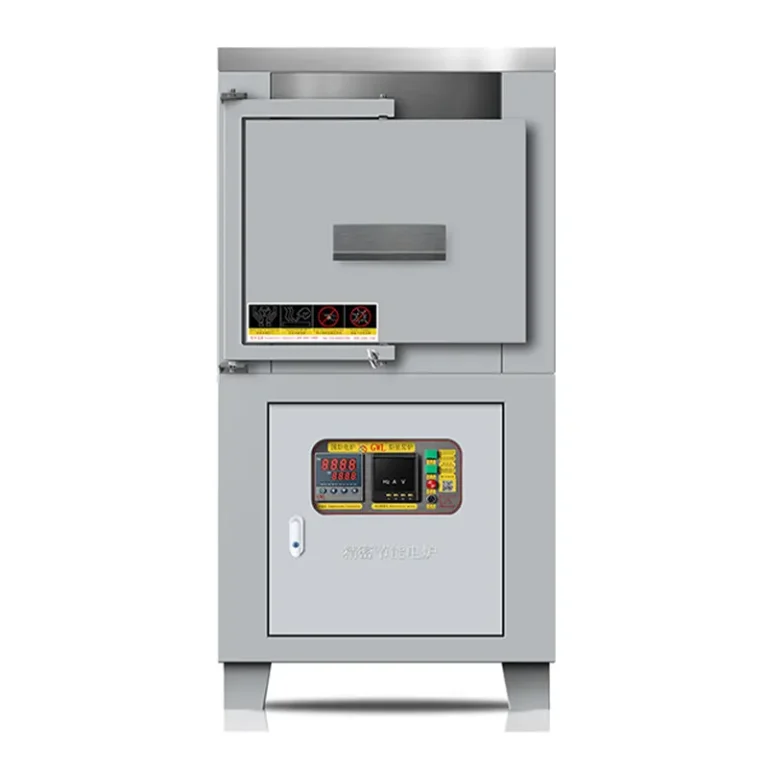
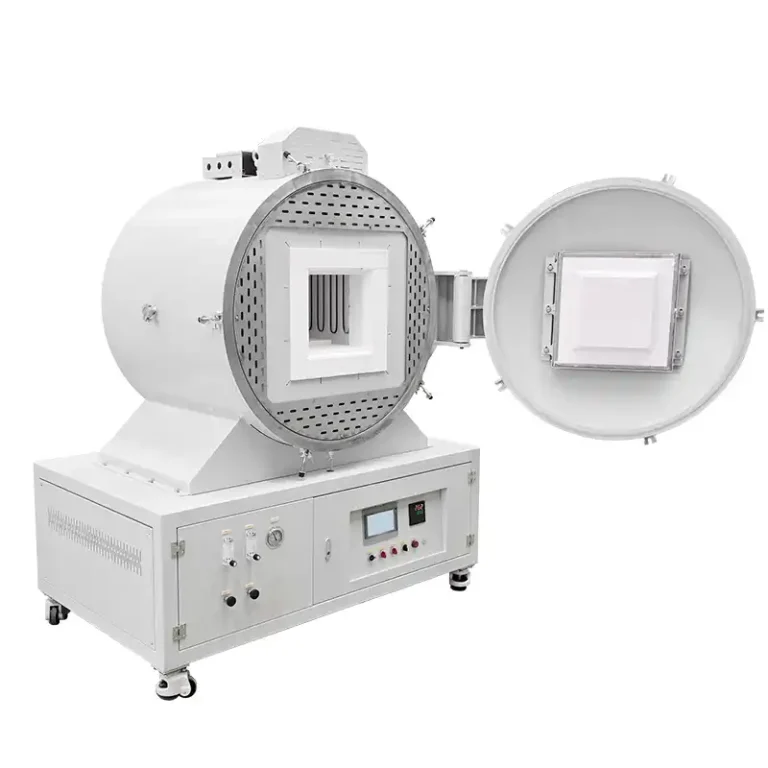
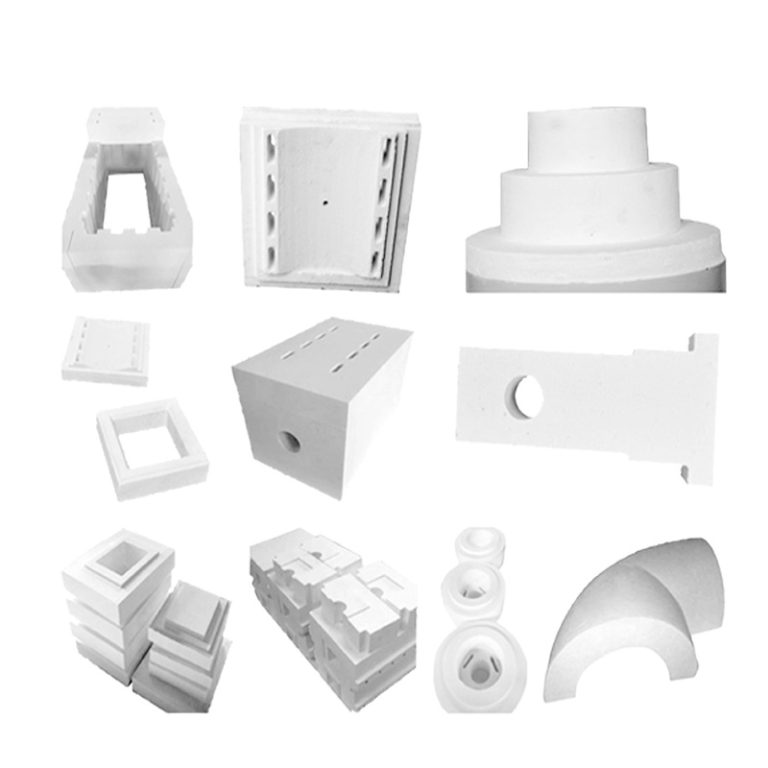
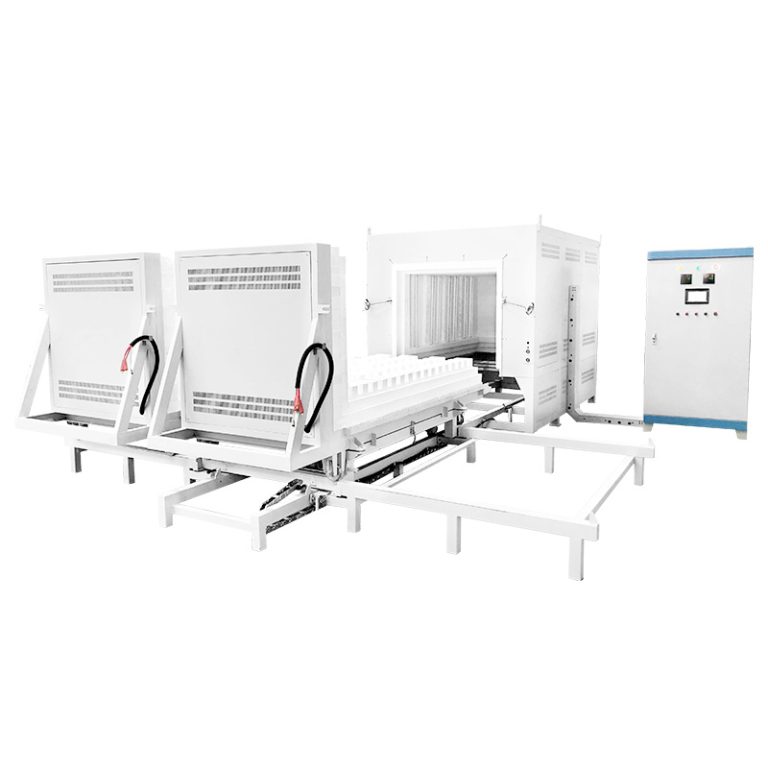
Luoyang Anjing Intelligence Equipment adalah pemimpin global dalam tungku listrik bersuhu tinggi



What Are The Disadvantages Of Rotary Kilns?
Rotary kilns are high-temperature continuous processing equipment, quite common in industrial production. Their advantages include high throughput, continuous drying capability, and strong adaptability. Namun, they also involve large investments, high electricity consumption, complex maintenance, and difficulty in temperature control.When selecting a rotary kiln, output should not be the sole consideration; material characteristics, energy costs, maintenance conditions, and quality requirements must all be taken into account. With the current emphasis on energy conservation, emission reduction, and intelligent manufacturing, the structural optimization and operational management of rotary kilns have an increasingly significant impact on production efficiency.
SAYA. Overview of Rotary Kilns
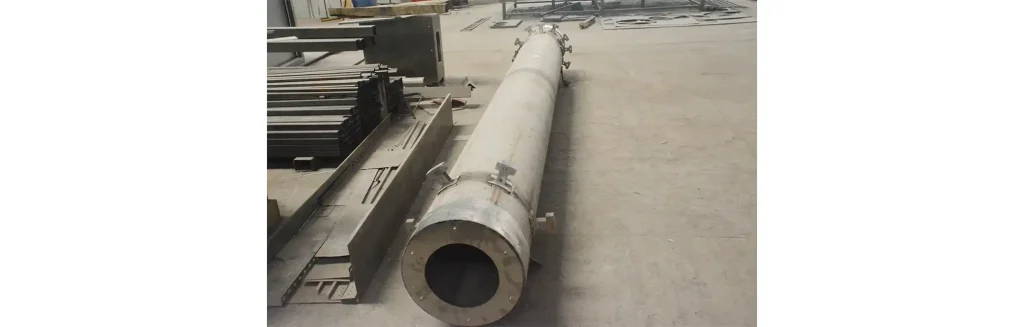
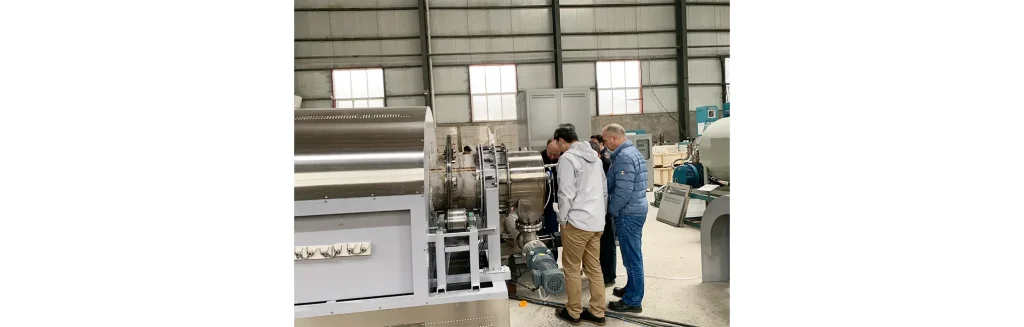
Rotary kilns are industrial furnaces that use a rotating cylinder to continuously transport and process materials at high temperatures.
Their basic structure includes:
Rotating cylinder
Supporting device
Drive system
Heating system
Sealing system
Feeding and discharging devices
During operation, materials enter from the kiln head or tail and move forward continuously as the cylinder slowly rotates, receiving high-temperature heating to complete calcination, memanggang, pengeringan, or heat treatment processes.
Rotary kilns are widely used in cement production, pengolahan mineral, metalurgi, bahan kimia, and new energy materials manufacturing.While rotary kilns offer strong continuous production capabilities, their large-scale structure also introduces some unavoidable limitations.
II. Features and Main Advantages of Rotary Kilns
- Strong Continuous Production Capacity
The biggest advantage of rotary kilns is their ability to operate continuously. Compared to batch furnaces, rotary kilns can operate stably for extended periods, making them suitable for large-scale industrial production.
In cement clinker, ore roasting, and industrial material processing, continuous operation increases output and reduces energy waste caused by frequent start-ups and shutdowns.
- Strong Adaptability to Materials
Rotary kilns can process materials in various forms, including powders, butiran, and lumpy minerals. By adjusting the rotation speed, tilt angle, and temperature profile, they can adapt to the processing requirements of different materials.
- Stable Heat Treatment Process
Rotary kilns utilize the continuous tumbling motion of materials, ensuring full contact between the material and the heat source. This dynamic heating method helps improve heat transfer efficiency, allowing for uniform processing of the material during its movement.
- Continuously Improving Automation
Modern rotary kilns are typically equipped with automatic control systems that can monitor temperature changes, kiln rotation speed, fuel supply, and gas emissions. The application of intelligent control technology improves the stability of equipment operation.
| Advantage | Keterangan |
|---|---|
| Continuous processing | Enables uninterrupted material flow for high-volume production |
| Excellent mixing & uniformity | Rotating motion continuously tumbles material, ensuring uniform heat exposure and consistent product quality |
| Wide temperature range | Capable of operating from low temperatures up to 2200°C, accommodating diverse thermal processes |
| Flexible atmosphere control | Supports air, inert gas, reducing gas, or oxidizing gas environments to suit various reaction requirements |
| Handles diverse material forms | Suitable for powders, butiran, pellets, slurries, and even some bulk solids |
| High thermal efficiency | Direct heat transfer and internal tumbling action promote efficient energy use |
| Scalability | Available from laboratory-scale units to large industrial kilns for mass production |
| Customizable residence time | Material dwell time can be controlled via rotation speed and kiln inclination angle |
| Adaptable to multiple processes | Suitable for calcination, reduction, oxidation, pengeringan, pyrolysis, sintering, and heat treatment |
AKU AKU AKU. Two Major Disadvantages of Rotary Kilns and Industry Challenges
- High Energy Consumption and Increasing Pressure for Energy Saving
One of the biggest problems with rotary kilns is their high energy consumption.
Since rotary kilns typically need to maintain a high-temperature environment of hundreds or even thousands of degrees Celsius while continuously heating the rotating cylinder, long-term operation results in high energy costs.
Main energy losses include: heat dissipation from the kiln surface, high-temperature exhaust gas emissions, heat storage loss in the cylinder, and heat leakage at seals.
Especially in traditional fuel systems, there is still considerable room for improvement in thermal efficiency.
In recent years, the industry has begun to reduce energy consumption through the following methods: optimizing combustion systems, improving insulation materials, using waste heat recovery technology, and introducing intelligent combustion control.
These measures can reduce energy consumption per unit output.
- Complex Equipment Structure and High Maintenance Costs
Rotary kilns are large-scale mechanical thermal equipment, and their long-term operation is affected by high temperatures, loads, and rotational motion.
Common maintenance problems include:
Cylinder deformation: Long-term high-temperature operation may cause thermal deformation of the kiln body, affecting the concentricity of the equipment. Support system wear: Key components such as support rollers and tires require regular adjustment and maintenance.
Sealing issues: Aging seals at the kiln head and tail can lead to: cold air entering, increased heat loss, and decreased combustion efficiency.
Therefore, while rotary kilns are suitable for continuous production, they require high levels of equipment maintenance and specialized management.
IV. Aplikasi Produk
- Cement clinker production: This is the most widespread application of rotary kilns. Ten-thousand-ton-class rotary kilns are core equipment in large cement plants, but maintenance is extremely difficult—problems such as vibration in the intermediate section, refractory brick detachment, and thinning of the cylinder steel plate require continuous modification and optimization.
- Non-ferrous metal smelting: Rotary kilns are used for the reduction roasting of materials such as nickel ore and zinc slag, offering high throughput and efficiency. Namun, severe ring formation within the kiln severely restricts production capacity.
- Waste incineration: Rotary kilns can simultaneously process various forms of hazardous waste, including solids, liquids, and sludge, but they generate large amounts of fly ash and require high investment in flue gas purification systems.
- Calcination of clay (auxiliary cementitious material): Traditional single-cylinder rotary kilns face challenges due to high heat loss, large footprint, and large waste gas treatment volumes. Namun, newly built two-stage designs (separate drying and calcination) are improving these issues.
V. Pemasok
Luoyang Anjing Peralatan Cerdas Co., Ltd. adalah perusahaan yang didedikasikan untuk penelitian, perkembangan, produksi, penjualan, dan layanan teknis peralatan perlakuan panas seperti tungku listrik bersuhu tinggi. Kami memproduksi laboratorium, kosong, industri, dan tungku frekuensi menengah, mencakup kisaran suhu dari -100℃ hingga 2600℃, melayani industri seperti energi baru, semikonduktor, dan materi tingkat lanjut. Kami dapat memberikan solusi khusus berdasarkan suasana tertentu, suhu sangat tinggi, dan persyaratan sistem kontrol cerdas. Jangan ragu untuk menghubungi kami jika Anda tertarik.
If you are struggling with equipment selection or parameter issues, simply leave your contact information and basic process requirements. We will arrange for a dedicated engineer to communicate directly with you and provide a detailed equipment configuration list and quotation.
Click “Request a Quote” to get a customized solution.