


Luoyang Anjing Intelligence Equipment sinn e weltwäite Leader an Héichtemperatur elektresch Uewen



Experimentell elektresch Uewen
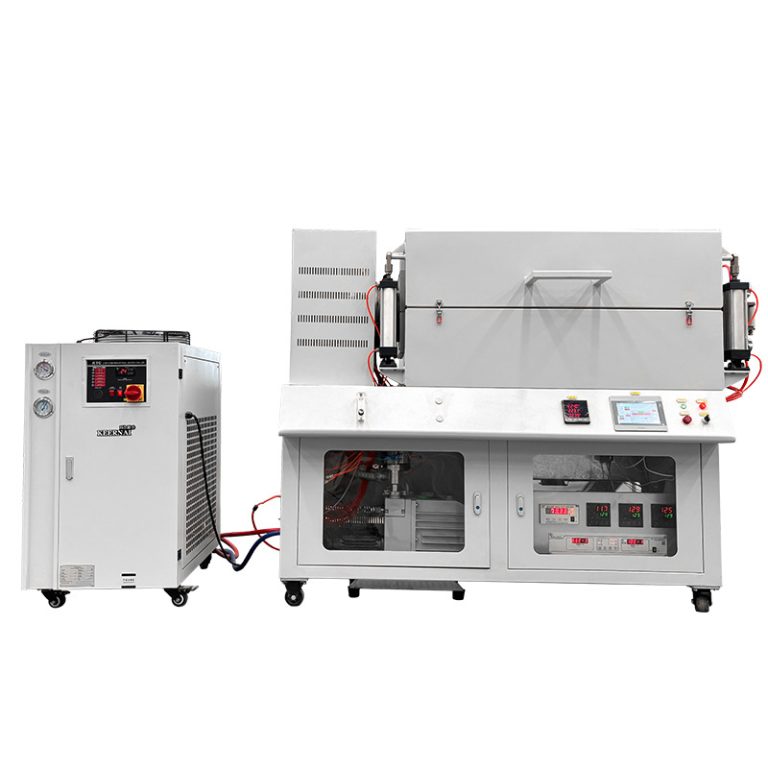
600°C Vacuum Aging Tube Furnace
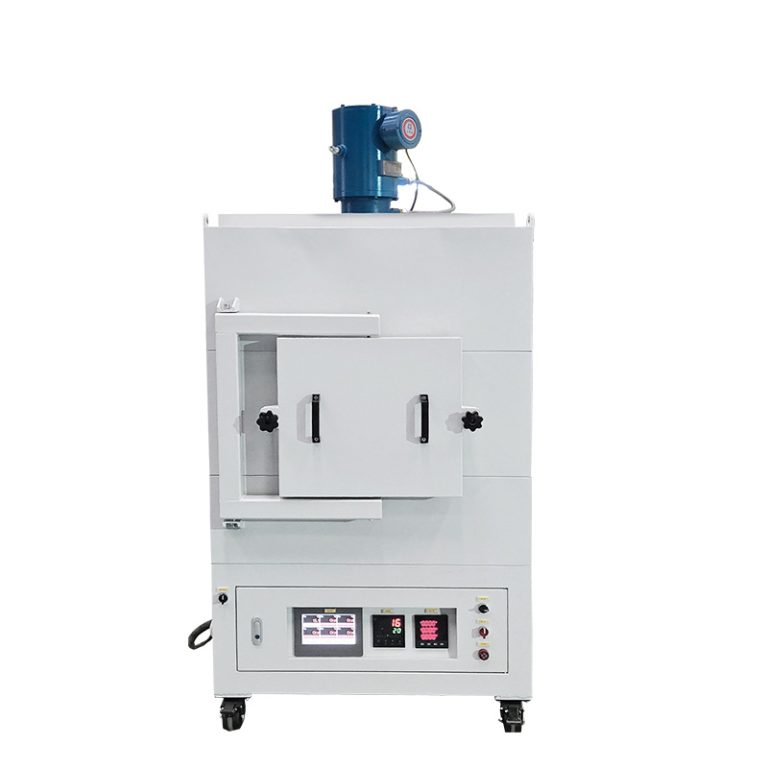
1100°C Box Furnace (Stainless Steel Inner Liner) – Laboratory High-Temperature Muffle Furnace
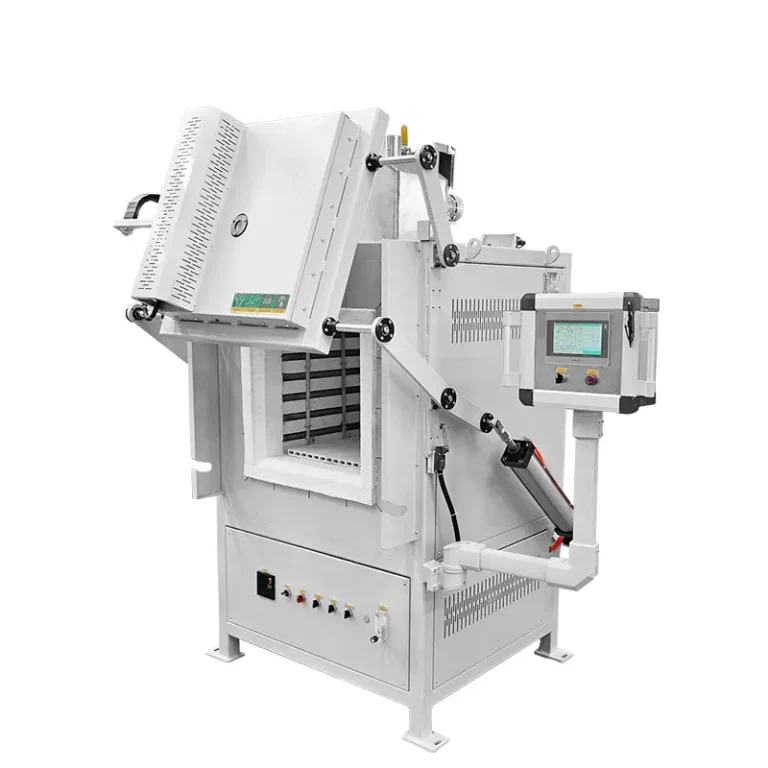
1000°C Electric Top-Opening Box Furnace, Laboratory High-Temperature Muffle Furnace
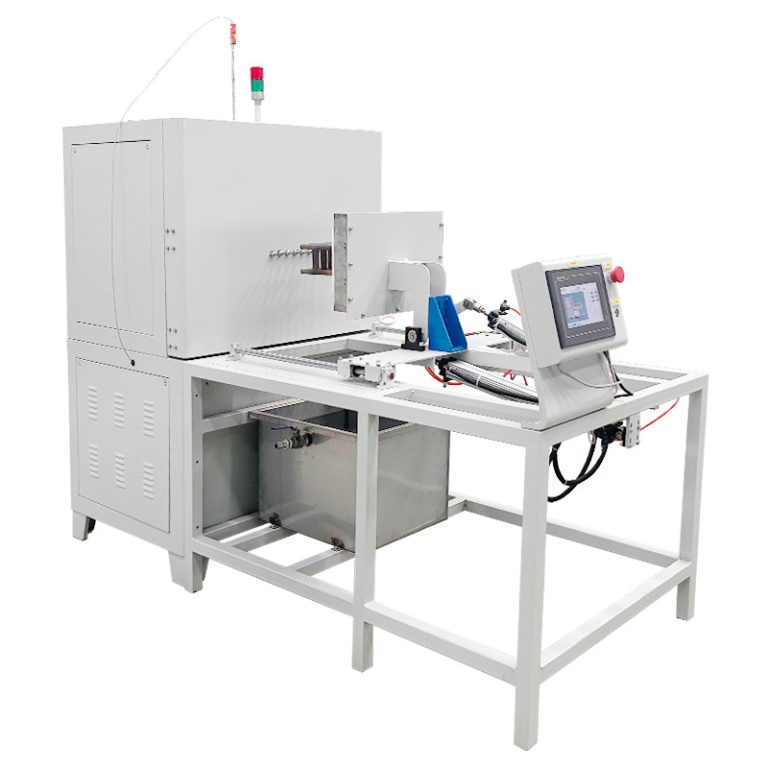
Fully Automatic Water-Cooled/Air-Cooled Thermal Shock Furnace
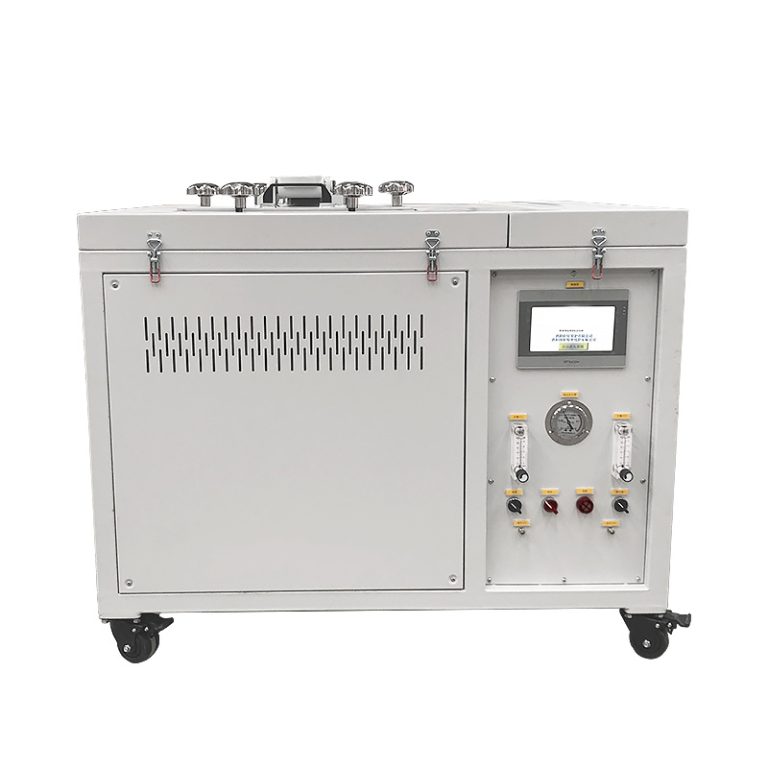
1600°C Vacuum Atmosphere Pit Furnace
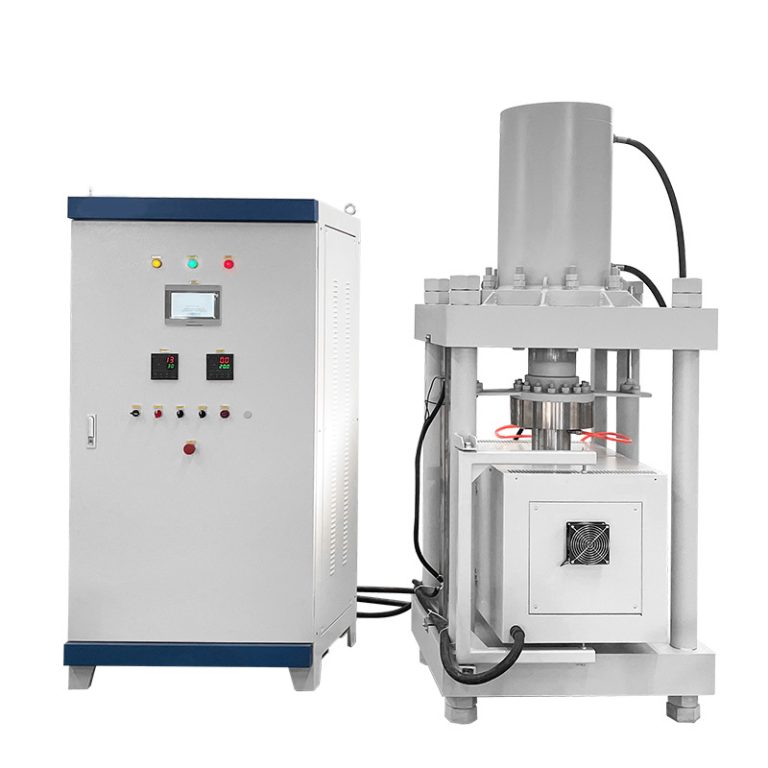
1200°C Vacuum Hot Press Furnace for Advanced Material Sintering
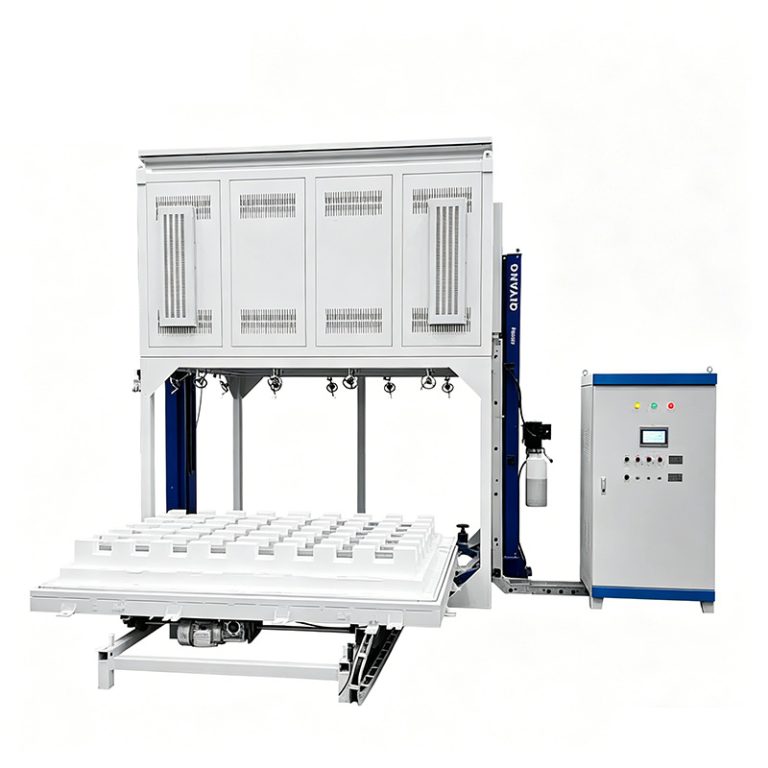
1000°C Atmosphere-Controlled Lifting Electric Furnace for Laboratory Use
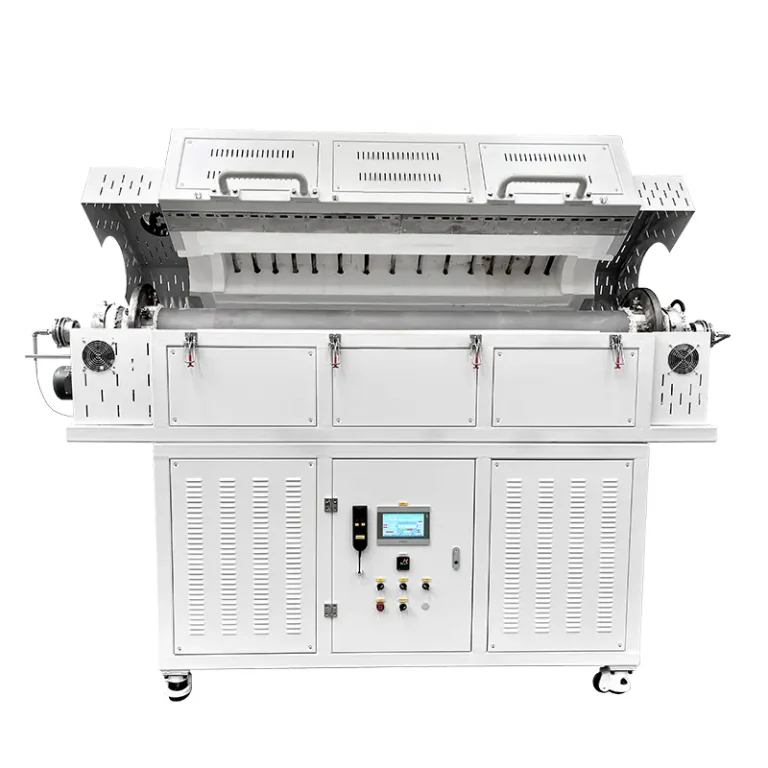
1400GA Rotary Furnace and Tilting Tubular Electric Furnace for Laboratory Heat Treatment
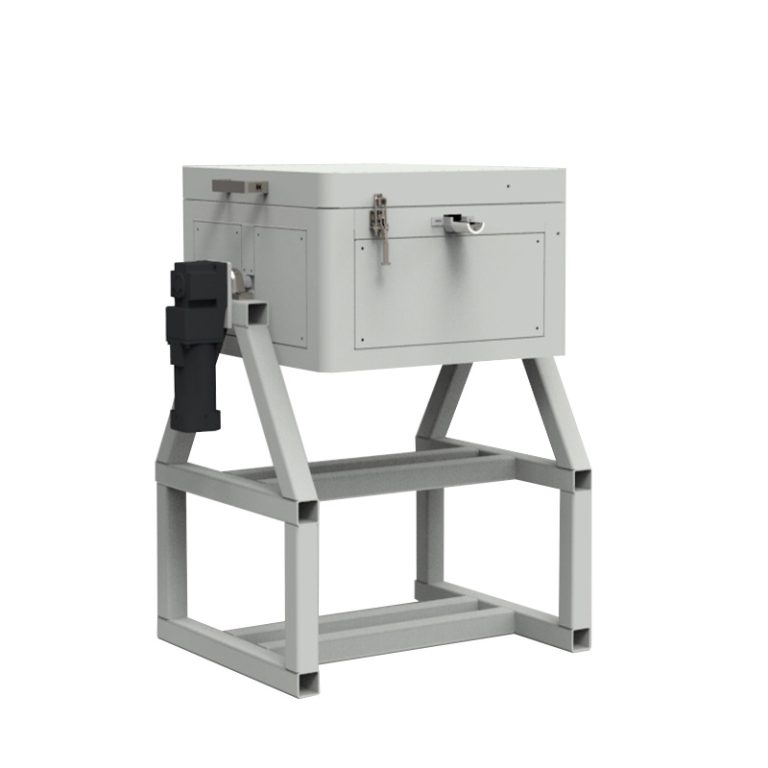
Tilting Frit Furnace,Flip-Discharge Frit Furnace
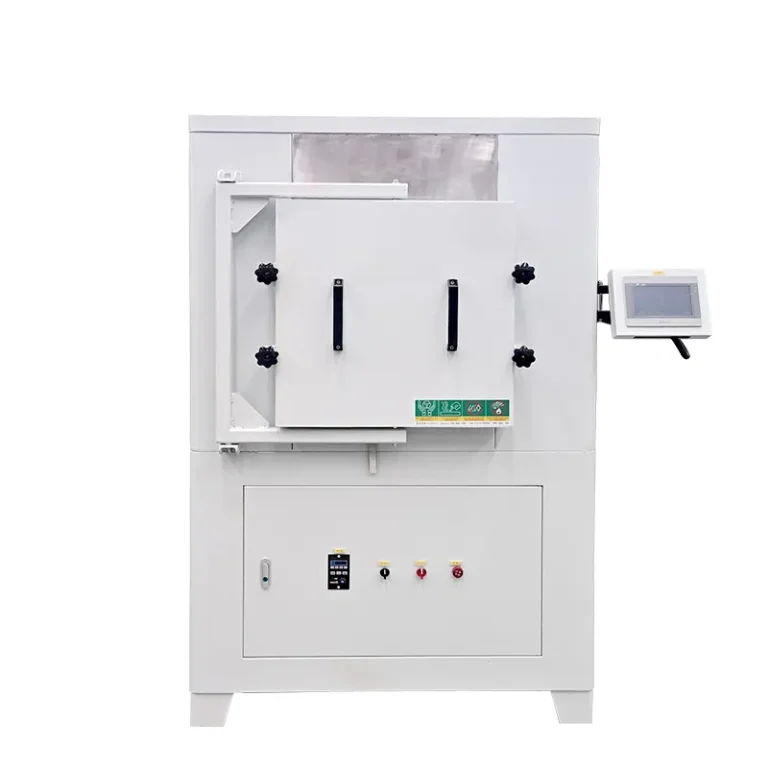
1400°C Box Furnace (With Rotating Material Table)
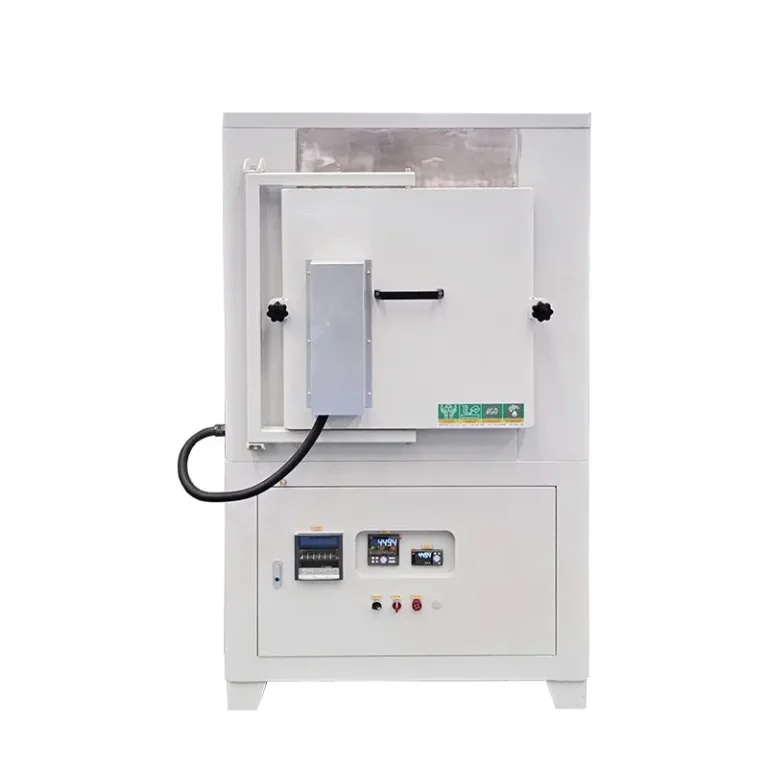
1400°C Box Furnace
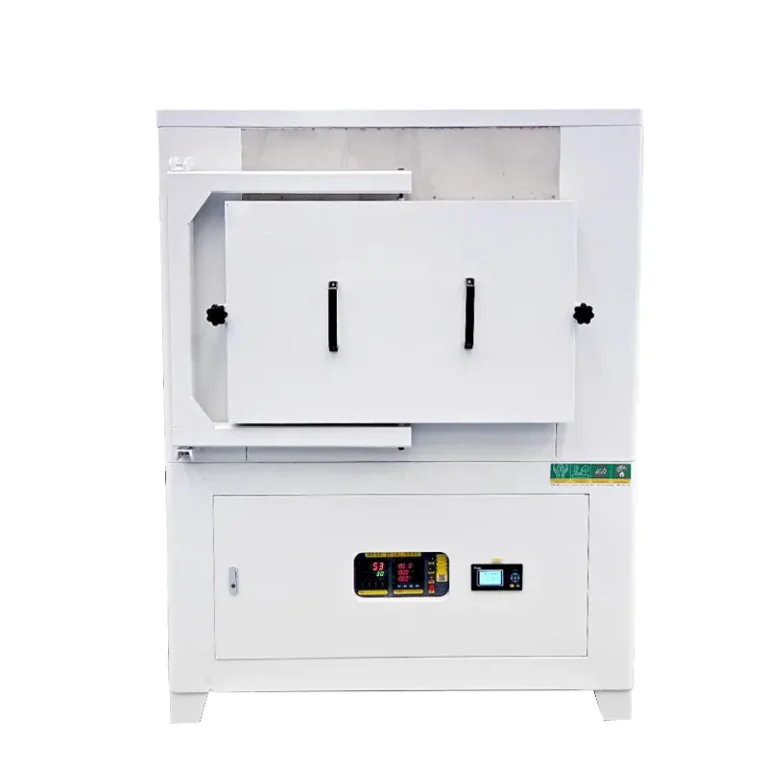
1600°C Box Furnace with Large Furnace Chamber
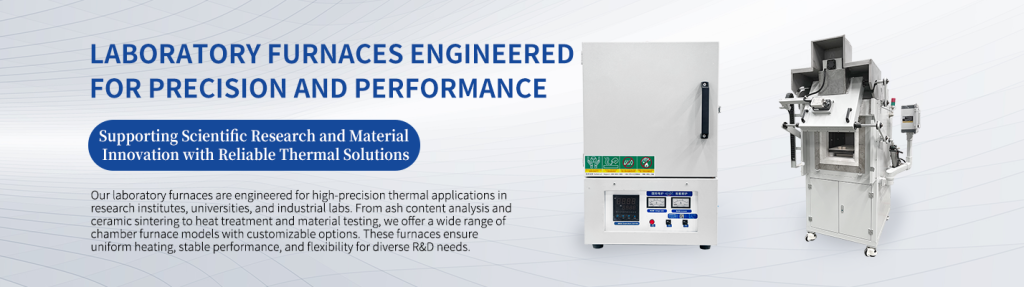
Experimental Electric Furnaces for Laboratory & R&D Applications
Laboratory electric furnaces are compact, precisely temperature-controlled heating devices designed specifically for laboratory research, materials testing, and small-batch metal smelting. They are widely used in universities, Fuerschung Instituter, corporate R&D Zentren, and pilot production lines, meeting diverse experimental needs such as materials analysis, process verification, and new product development. Compared to industrial electric furnaces, laboratory electric furnaces place greater emphasis on high temperature control precision, flexible operation, and the ability to process small batches of samples, making them essential equipment for scientific research and process development.
What is a Laboratory Electric Furnace?
A laboratory electric furnace is a laboratory-grade heat treatment device that uses resistance heating to achieve a stable and controllable high-temperature environment.
Main applications include:
- Materials research and testing
- Small-batch metal smelting
- Heat treatment experiments
- Chemical analysis and scientific research experiments
Laboratory electric furnaces are crucial equipment connecting laboratory research and industrial production, helping researchers verify material properties, optimize process parameters, and improve research and development efficiency.
Key Applications
Experimental electric furnaces are widely used in the following fields:
| Laboratory Material Testing | Used in research institutions and labs to analyze material behavior at high temperatures | • Thermal stability testing • Phase transformation analysis • Physical property evaluation |
| Small-Scale Metal Melting | Suitable for melting small batches of metals, ideal for sample selection and pilot production | • Aluminum • Copper • Gold and precious metals • Alloy samples |
| Heat Treatment Experiments | Used for controlled heat treatment processes to improve material structure and performance | • Annealing • Quenching • Tempering • Sintering |
| Chemical & Scientific Research | Applied in controlled experimental environments for chemical-related operations | • Chemical reaction heating • Sample decomposition • Laboratory material synthesis |
| Prototyping & R&D Development | Widely used in product development phases to validate new processes and materials | • New material testing • Process validation before mass production • Engineering experiments |
Types of Experimental Electric Furnaces
We offer multiple configurations to meet different laboratory requirements:
Box Furnace
Materials Heat Treatment Experiments
Ashing and Sintering Tests
Heat Treatment of Small Workpieces
Tube Uewen
Atmosphere-Protected Sintering
Materials Synthesis and Reaction Experiments
Powder Material Processing
Lift Furnace
Heat Treatment of Large-Size Samples
Industrial Material Experiment Verification
High-Temperature Sintering Process Testing
Fused Furnace
Enamel Glaze Melting
Glass Fused Preparation
Ceramic Glaze R&D
Refractory Testing Furnace
Refractory Material Performance Testing
High-Temperature Thermal Shock Resistance Tests
Materials Durability Assessment
Pit Uewen
Heat Treatment of Shaft Parts
Heat Treatment of Deep Hole Parts
Metal Uniform Heating Experiments
Rotary Uewen
Powder Calcination
Ceramic Material Sintering
Chemical Raw Material Processing
Thermesch Schock Uewen
Thermal Shock Stability Testing
Materials Crack Resistance Assessment
High-Temperature Rapid Cooling Tests
Hot Press Uewen
Powder Metallurgy Forming
High-Performance Ceramic Sintering
New Material Densification Research
Technical Advantages
- High temperature accuracy (±1–5°C)
- Fast heating performance
- Excellent thermal uniformity
- Energy-efficient electric heating
- Safe and easy operation
- Stable long-term laboratory use
Recommended Furnace Solutions
Explore related furnace equipment:
- Box Furnaces →/products/box-furnaces/
- Tube Furnace → /products/tube-furnace/
- Bottom-Loading Furnace → /products/bottom-loading-furnace/
- Enamel Frit Furnace → /products/enamel-frit-furnace/
- Fire Test Furnace → /products/fire-test-furnace/
- Pit Furnace → /products/pit-furnace/
- Rotary Furnace → /products/rotary-furnace/
- Thermal Shock Furnace → /products/thermal-shock-furnace/
- Hot Press Furnace → /products/hot-press-furnace/
Typical Process Flow
Sample Preparation → Furnace Loading → Program Setting → Controlled Heating → Cooling → Data Analysis
Why Experimental Furnaces Matter
Experimental furnaces play a critical role in bridging laboratory research and industrial production.
They help engineers and researchers to:
- Validate new material properties
- Reduce production risks
- Optimize industrial furnace parameters
- Accelerate product development cycles
Experimental Electric Furnaces Frequently Asked Questions (FAQ)
- What is a laboratory furnace?
Laboratory furnaces enable technicians to heat samples for extended periods. They are typically made of durable ceramics, ensuring they remain intact even at high temperatures.
- What is the difference between a laboratory furnace and a conventional furnace?
Ordinary muffle furnaces are mostly used for single experimental purposes. This Experimental Electric Furnace can meet the precision requirements of the laboratory while also undertaking small-batch production tasks, resulting in higher equipment utilization and lower overall costs.
- Is it suitable for small-batch production?
Jo. In addition to experimental applications, laboratory furnaces are frequently used for process validation and small-scale production.
- Is it complex to operate?
The overall operation is relatively simple, the control system is intuitive, and no complex training is required for daily use.
- Can I choose a model based on my needs?
Jo, different types of laboratory furnaces can be selected based on temperature range, furnace size, and intended use.
Request a Solution
If you need an experimental furnace for your laboratory or R&D project, our engineering team can provide customized solutions based on your materials, temperature requirements, and testing conditions.
👉 Contact us to get a technical proposal within 24 hours.