Luoyang Anjing Intelligence Equipment sinn e weltwäite Leader an Héichtemperatur elektresch Uewen



Zirconia Saggar with Round Bottom and Notched Edge for High Temperature Sintering


PRODUIT PARAMETER
Beschreiwung
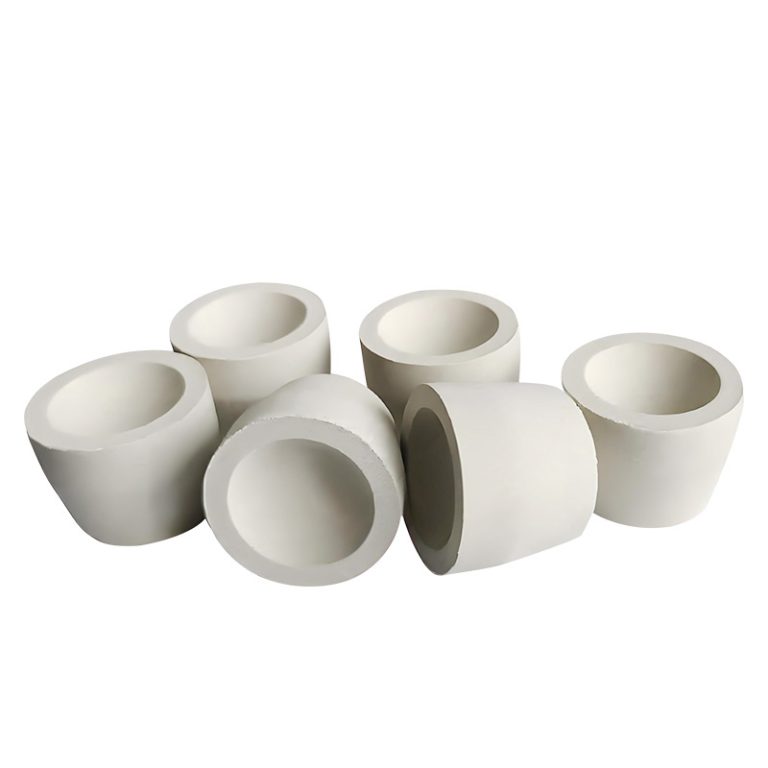
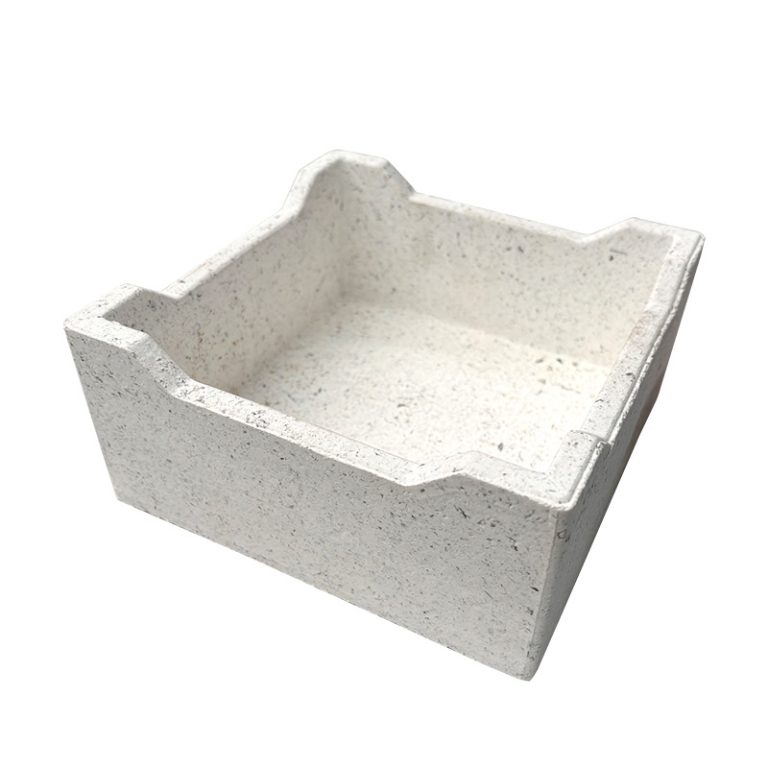
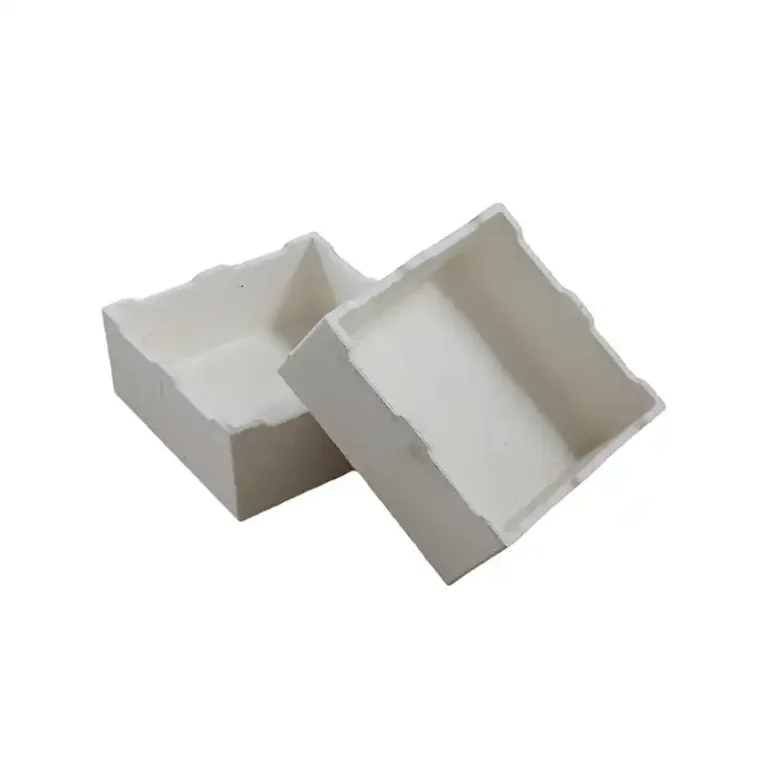
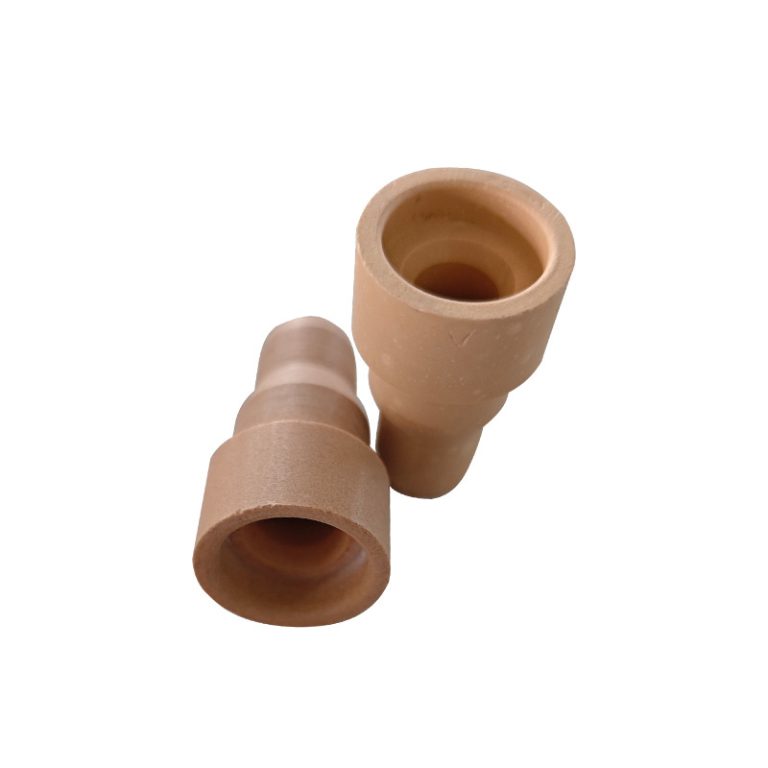
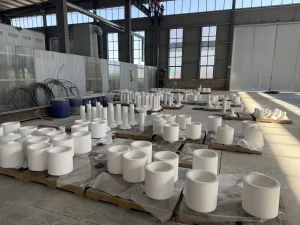
Zirconia crucible with round bottom and notched sagger
The zirconia crucible with a round bottom and notch is made of high-purity zirconia (ZrO₂) material, with a main composition of ZrO₂ + HfO₂ ≥ 95%, and is processed through precision molding and high-temperature sintering. The product exhibits extremely high temperature resistance, excellent thermal shock resistance, and good chemical stability, with a maximum operating temperature of 2200℃.
The round bottom structure and notch design facilitate the pouring, sampling, and transfer of high-temperature molten materials, effectively improving the convenience of experimental operations. Due to its high density, low impurity content, and excellent corrosion resistance, it is widely used in precious metal smelting, high-temperature material experiments, advanced ceramic research and development, special glass melting, and scientific research testing.
Produit Fonctiounen
- Ultra-high purity zirconia material, ZrO₂ + HfO₂ ≥ 95%
The main chemical composition is ZrO₂ + HfO₂, with a measured value of 95.28%, and a CaO stabilizer content of 3.94%. The high-purity zirconia matrix ensures that it does not react with materials at high temperatures and does not introduce impurities, making it particularly suitable for high-temperature processing of high-purity materials.
- Ultra-high temperature performance, maximum operating temperature 2200℃
The measured bulk density is 4.10 g/cm³ (standard > 4.0 g/cm³), and the maximum operating temperature can reach 2200℃. It meets the requirements for long-term use under extreme ultra-high temperature conditions and is the preferred crucible material for ultra-high temperature melting and sintering.
- Excellent thermal shock resistance, no cracking under rapid heating and cooling
Tested using the acetylene flame method, the thermal shock resistance is qualified, with no cracking observed. Zirconia’s excellent thermal stability and low thermal conductivity make it less prone to thermal stress cracking under rapid heating and cooling conditions, thus meeting the demanding process requirements of frequent temperature increases and decreases.
- Smooth Surface and High Dimensional Accuracy
The surface is smooth and flat, free of burrs, chips, loose sand, rust, and dirt. The dimensions are within tolerance, it fits well with the equipment, and it is reliable in use.
- Excellent Chemical Inertness and Corrosion Resistance
It exhibits extremely high resistance to corrosion from highly reactive media such as precious metals (platinum, palladium, rhodium, etc.), alkaline melts, and acidic slags. It does not corrode or contaminate materials during long-term use.

| Test Item | Unit | Test Method | Standard | Spezifizéierung | Measured Value |
|---|---|---|---|---|---|
| Appearance | — | Visual inspection | Smooth and flat surface, no flash or edge defects | Conforms | Conforms |
| — | Visual inspection | No visible residual sand on surface | Conforms | Conforms | |
| — | Visual inspection | No rust or contamination on surface | Conforms | Conforms | |
| — | Caliper measurement | Dimensions within tolerance range | Conforms | Conforms | |
| Composition Analysis | ZrO₂+HfO₂ | % | GB/T26563-2011 | >95 | 95.28 |
| CaO | % | — | — | 3.94 | |
| Al₂O₃ | % | — | — | 0.11 | |
| Na₂O | % | — | — | 0.01 | |
| MgO | % | — | — | 0.18 | |
| TiO₂ | % | — | — | 0.01 | |
| Product Performance | Thermal shock resistance | — | Acetylene flame method | No cracking | Qualified |
| Maximum service temperature | ℃ | — | 2200 | — | |
| Dicht | g/m³ | Mass-volume method | >4.0 | 4.10 |
Applikatioun Beräicher
- Ultra-high Temperature Ceramic Sintering: Suitable for pollution-free sintering of ultra-high temperature ceramic materials such as carbides, borides, and nitrides.
- Precious Metal Smelting and Purification: Suitable for high-temperature smelting and purification of precious metals such as platinum, palladium, and rhodium; high chemical inertness ensures the purity of precious metals.
- Specialty Glass and Optical Material Melting: Suitable for melting materials with extremely high requirements for crucible materials, such as high-refractive-index specialty glasses and optical glasses.
- Single Crystal Growth: Suitable for high-temperature single crystal growth processes of YAG, sapphire, and other materials.
- Aerospace Material Heat Treatment: Suitable for heat treatment processes of ultra-high temperature materials in the aerospace field.
- Universities and Research Institutes: Suitable for ultra-high temperature experimental teaching and research projects in materials science and engineering, metallurgical engineering, and other related majors.
Firma Profil
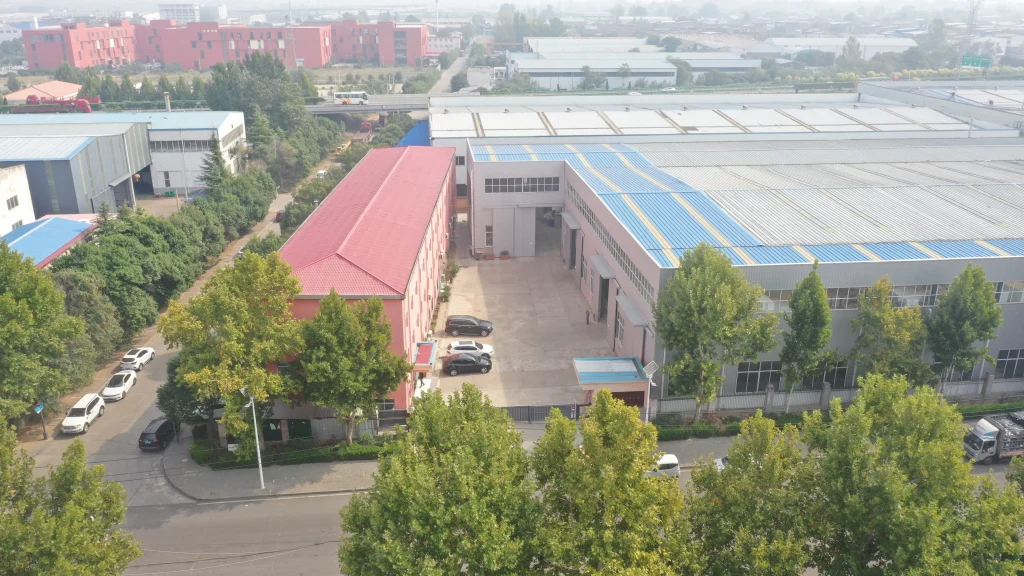
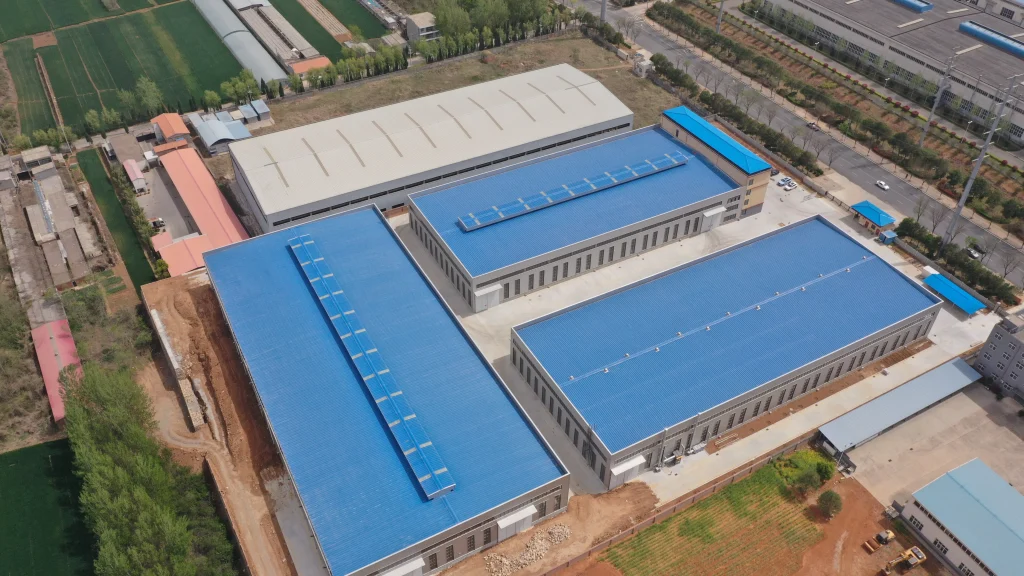
Eng professionell Entreprise spezialiséiert op Wärmebehandlungstechnologie Servicer an de R&D, Fabrikatioun, a Verkaf vun héich-Temperatur elektresch Schmelzhäre.
D'Firma konzentréiert sech op d'Entwécklung vun héijen Temperaturen elektreschen Uewen, déi e ganzt Temperaturberäich vun -100 ℃ bis 2600 ℃ decken. Seng Produkter enthalen experimentell elektresch Schmelzen, Vakuum Atmosphär Schmelzen, industriell Uewen, a Mëttelfrequenz Induktiounsheizungsausrüstung. Haaptprodukter enthalen Këschtofen, Rouer Uewen, Levée Schmelzen, pusher Uewen, bogie Uewen, Rotary Uewen, Tunnelofen, a verschidde spezialiséiert Mëttelfrequenz Uewen.
D'Firma hält technologesch Innovatioun an huet ISO9001 an EU CE Zertifizéierungen passéiert. Et gehéiert 21 registréiert Marken, 29 Patenter, an 27 Software Copyright.

Bezuelmethoden
TT
Versandmethoden
Den elektreschen Uewen ass an dräi Schichten verpackt: éischt a Schaumpapier gewéckelt, dann a Plastikfilm gewéckelt, a schlussendlech an eng hëlze Këscht gepackt.
Oft gestallte Froen (FAQ)
- What is the maximum temperature resistance of the zirconia crucible with a round bottom and notch?
This product has a maximum operating temperature of 2200℃, suitable for ultra-high temperature smelting and experiments with special materials. The actual operating temperature needs to be adjusted according to the heating method, atmosphere, and material properties.
- Why are zirconia crucibles suitable for precious metal smelting?
Zirconia is chemically stable and corrosion-resistant, and reacts very little with melts of precious metals such as platinum, palladium, and rhodium, reducing contamination and ensuring sample purity.
- What is the function of the round bottom and notch structure?
The round bottom structure allows for more even heating of materials and reduces the likelihood of residue buildup; the notch makes pouring high-temperature liquids much easier, safer, and more efficient.
- Can the zirconia crucible withstand rapid heating?
Jo. The product has good thermal shock resistance, showing no cracking after thermal shock testing, and is suitable for high-temperature experimental environments requiring frequent heating and cooling.
- Do you support customization of different specifications?
Jo. We can customize different sizes, capacities, shapes (such as round bottom, flat bottom, spout, lid, etc.) and special application requirements according to customer needs to meet laboratory and industrial production needs.