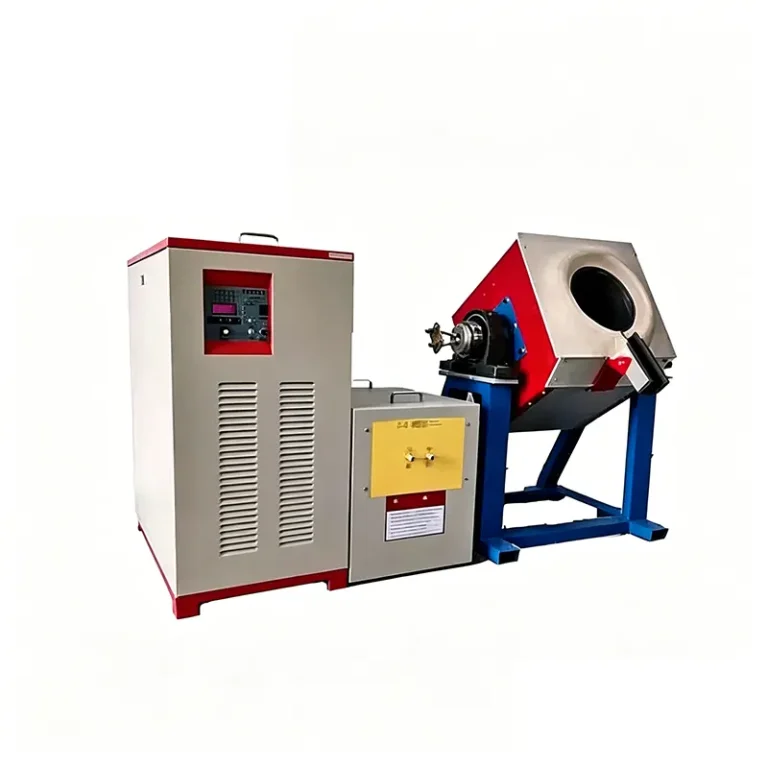
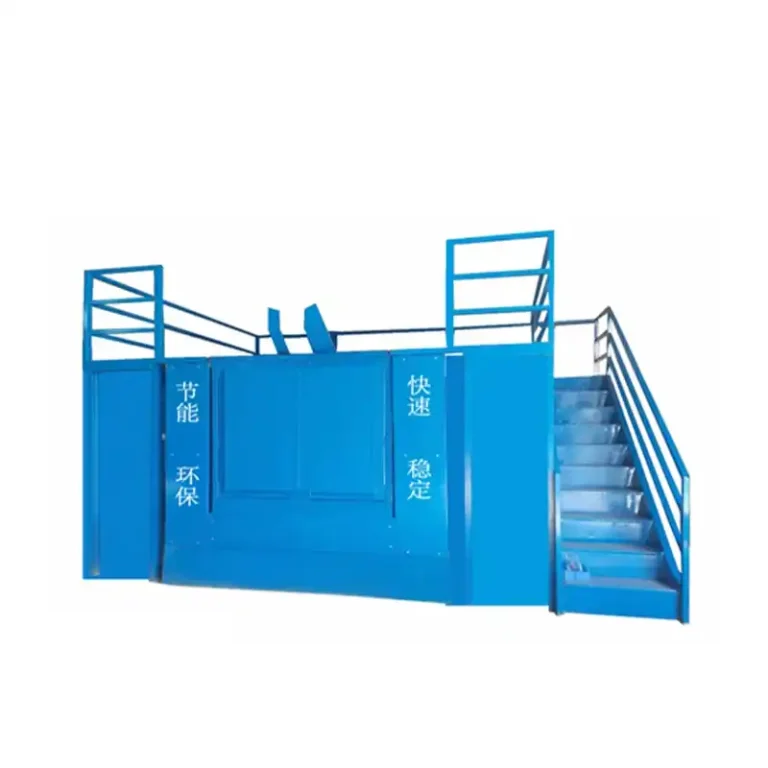
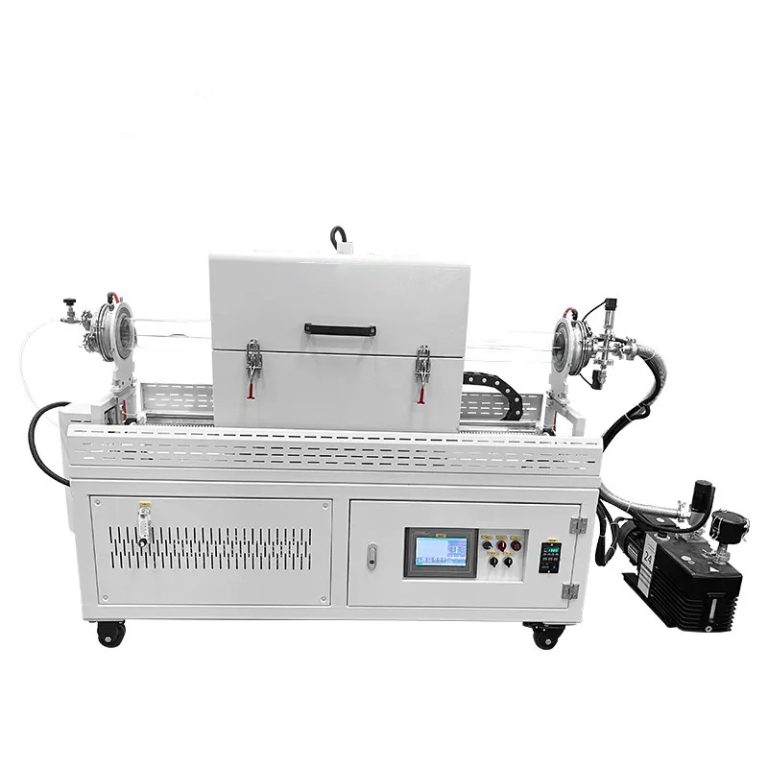
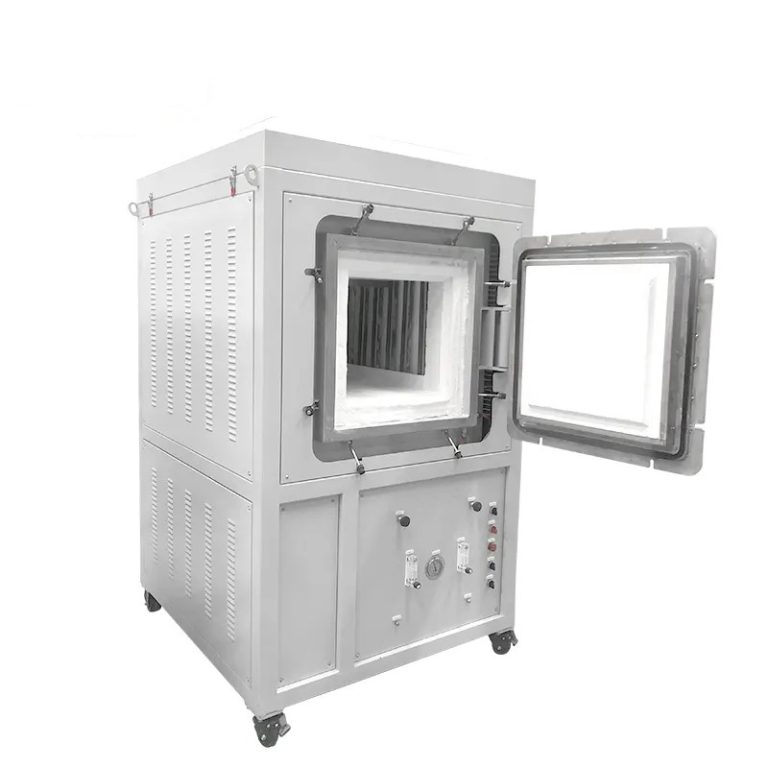
Luoyang Anjing Intelligence Equipment er en global leder innen elektriske høytemperaturovner



Vacuum & Inert Gas: Why The Atmosphere Box Furnace Is The Master of Melting Control
high-temperature atmosphere boksovn are gradually transforming from “laboratory equipment” into “core process units.” They not only provide a high-temperature environment but also, through precise atmosphere control, allow materials to undergo structural and performance reshaping within a “designable environment.” With the rapid development of the semiconductor, new energy, and new materials industries, the technological value of this type of equipment is continuously amplified.
jeg. Box Furnace Product Overview
High-temperature atmosphere box furnaces are heat treatment equipment that combine high-temperature heating with atmosphere control, achieving precise coordination between these two variables.Unlike the single heating mode of traditional resistance furnaces, it achieves switching between multiple environments such as oxidation, reduksjon, and inert protection through a sealed furnace chamber and gas introduction system.
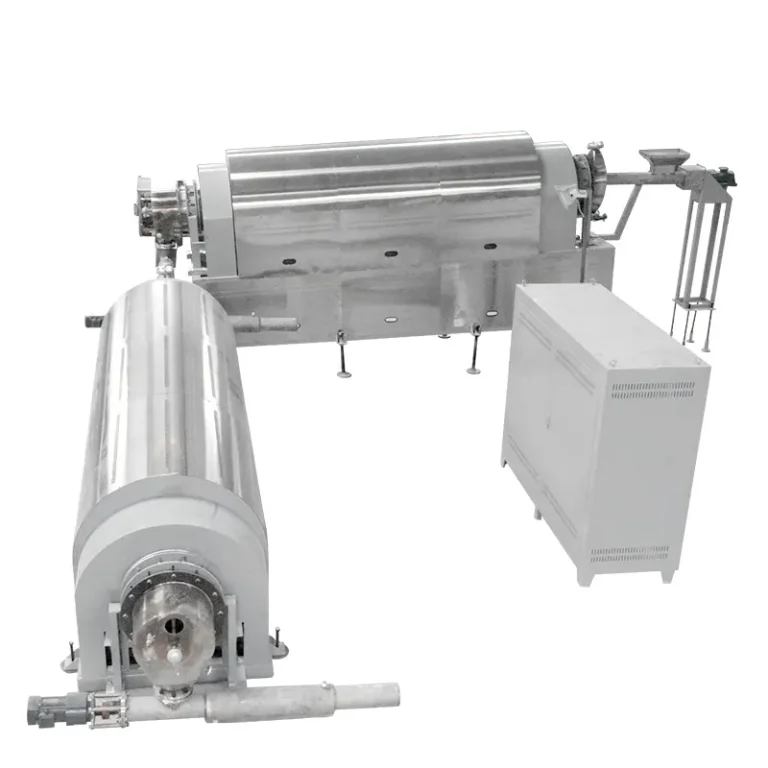
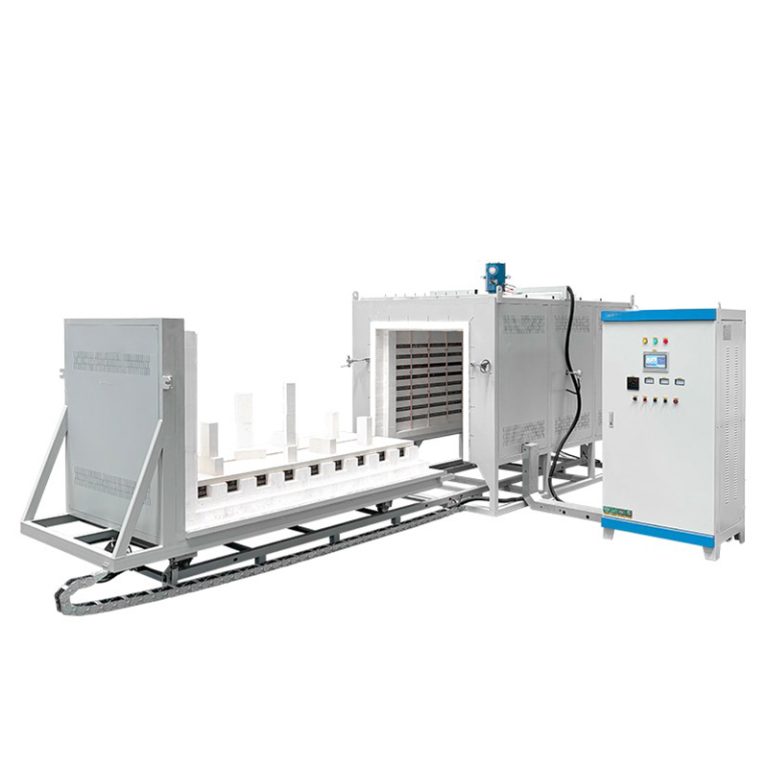
Structurally, this equipment typically consists of a furnace body, a heating system, a temperature control system, and an atmosphere control module.
II. Product Features/Advantages
- Precise Atmosphere Control Capability
The core competitiveness of the atmosphere box furnace lies in its atmosphere control. It can continuously adjust from a strongly oxidizing environment to a deeply reducing environment.
In practical use, users can easily switch between different gas types and flow rates according to experimental needs. For eksempel, hydrogen or carbon monoxide can be introduced to create a reducing atmosphere for the reduction of metal oxides. Oxygen or air can be introduced to create an oxidizing atmosphere for the oxidation sintering of ceramic materials. Argon or nitrogen can be introduced to create an inert protective atmosphere for the oxygen-free treatment of sensitive materials.
This capability is crucial for materials performance research. Many materials behave completely differently under different atmospheres, and may even undergo phase transitions or fail. Ordinary furnaces without atmosphere control cannot answer the crucial question: “How does this material perform under real-world conditions?”

- Excellent High-Temperature Processing Capability
The heating elements of the atmosphere box furnace typically use silicon carbide rods or silicon molybdenum rods. These two materials can reach the required high temperatures in a very short time and maintain temperature stability.
Silicon carbide rods are suitable for temperature ranges from 1300℃ to 1400℃, offering high cost-effectiveness and a long service life. Silicon molybdenum rods can handle high-temperature tasks above 1600℃, making them suitable for processing ultra-high temperature ceramics or special alloys.
Both components can meet the process requirements of rapid heating and cooling. This is especially important for experiments requiring precise control of heating and cooling rates.
- Precision Temperature Control System
Temperature control employs an intelligent PID algorithm, a mature and recognized solution in industrial control. High temperature uniformity within the furnace and error control within a minimal range are achieved.
For scientific research experiments, temperature accuracy directly determines the repeatability of the experiment. The same batch of materials, fired at different times and in different furnaces, must produce consistent results. PID intelligent temperature control, combined with a rational furnace structure design, ensures this.
In practical use, users only need to set the target temperature and holding time; the equipment will automatically adjust the power output to avoid temperature overshoot or fluctuations.

- Integrated Advanced Design
The atmosphere box furnace design integrates three major technologies: high-efficiency heating elements, a precision temperature control system, and a flexible atmosphere adjustment device. These three are not simply superimposed but rather form a holistic solution that works in tandem.
The heating element layout has been optimized to ensure uniform temperature distribution within the furnace.The temperature control system collects the furnace temperature in real time and adjusts the output, while the atmosphere system ensures that the gas flows evenly in the furnace without dead zones.
| Sammenligningsdimensjon | Standard Box Furnace | Vacuum Atmosphere Box Furnace |
|---|---|---|
| Working Environment | Air atmosphere (chamber contains air) | Vacuum state or controlled atmosphere (f.eks., inert/reducing gases such as argon, nitrogen, hydrogen) |
| Typical Maximum Temperature | 1000℃~1200℃ (resistance wire heating) | 1200℃~1800℃ or higher (silicon molybdenum rod or graphite heating) |
| Sample Oxidation Condition | Oxidation inevitable at high temperatures, oxide scale forms on surface | No oxidation or controlled oxidation, samples remain bright after treatment |
| Applicable Materials | Materials insensitive to oxidation: – Ordinary ceramics – Metal quenching/tempering – Conventional sintering, annealing | Oxidation-prone, volatile materials: – Titanium alloys, cemented carbides – Precision ceramics, semiconductor materials – High-temperature alloys, magnetic materials |
| Heating Element Protection | Resistance wire directly exposed to air, prone to oxidation and burnout at high temperatures, shorter lifespan | Molybdenum strips, graphite and other elements operate in vacuum/atmosphere, oxidation-resistant, longer lifespan |
| Equipment Structure | Simple steel plate shell + insulation layer, ordinary door seal (only prevents heat leakage) | Vacuum vessel (welded/cast), equipped with sealing rings, vacuum pump and gas flow control system |
| Operational Complexity | Simple: plug and use, no pretreatment required | Higher: requires vacuum pumping – gas filling – pressure holding steps, may require program control |
| Typical Cost | Lower (approx. several thousand to tens of thousands RMB) | Higher (approx. tens of thousands to hundreds of thousands RMB or more) |
| Main Safety Risks | High temperature burns | High temperature burns + chamber negative/positive pressure risk (possible explosion) + combustion/explosion risk when using hydrogen |
| Maintenance & Consumables | Simple maintenance, mainly replacing heating elements | Vacuum pump oil, sealing rings, gas consumables require regular replacement, higher maintenance cost |
III. Two Key Product Topics
- Why is “Atmosfærekontroll” the Core Value of High-Temperature Box Furnaces?
Ordinary box furnaces heat materials in air, causing them to react directly with oxygen. The functions of different atmospheres can be simply understood as follows: Reducing atmosphere: removes oxide layers, used for annealing and reduction treatments; Inert atmosphere (argon/nitrogen): isolates oxygen, protects materials, and is the most commonly used; Oxidizing atmosphere: used to actively generate oxide layers or specific structures.
In practical applications, atmosphere control often directly determines the outcome.
- What parameters should be considered when selecting a high-temperature atmosphere box furnace?
Maximum temperature: Determined based on the material system; do not blindly pursue high temperatures. Ceramic sintering typically requires temperatures above 1600℃, while metal annealing generally only needs around 1000℃. Higher temperatures significantly increase equipment costs and subsequent maintenance expenses.
Furnace Dimensions: The furnace size should match the sample size. It is recommended to allow 20%~30% extra space for easy operation and loading/unloading. An excessively large furnace increases energy and atmosphere consumption, while an excessively small furnace affects usability.
Atmosphere Type: It is necessary to specify the type of gas used, whether multiple atmosphere switching is involved, and whether vacuum pretreatment is required. A simple inert atmosphere system is more economical. If processes such as hydrogen reduction are involved, higher safety configurations are required, increasing costs.
Temperaturkontrollnøyaktighet: Scientific experiments generally require ±1℃, while industrial production can tolerate ±5~10℃. For most material sintering, an accuracy of ±1~2℃ is sufficient.
IV. Box Furnace Product Applications
- Materials Science Research: Sintering of novel ceramics, annealing and quenching of metallic materials, and preparation of nanomaterials. Researchers explore the relationship between the microstructure and macroscopic properties of materials by adjusting temperature profiles and atmosphere composition.
- Semiconductor and Electronic Materials: Annealing, diffusion, and oxidation processes for semiconductor materials. Precise control of the furnace atmosphere can improve the electrical properties of materials, providing a process platform for chip manufacturing and power device development.
- Nye energimaterialer: Synthesis and sintering of lithium-ion battery cathode materials (such as lithium cobalt oxide, lithium iron phosphate, and ternary materials). By optimizing the atmosphere and temperature distribution during sintering, the electrochemical performance and cycle stability of materials are significantly improved. Similarly, the preparation of solid electrolytes and anode materials also highly depends on atmosphere-controlled box furnaces.
- Pulvermetallurgi og harde legeringer: Sintering metal powders in a reducing atmosphere or vacuum to prepare high-density, high-strength powder metallurgy parts. For the cutting tool and mold industries, the sintering of hard alloys requires strict carbon potential control, which atmosphere-controlled box furnaces can meet.
- Catalysts and Chemical Materials: Calcination and activation of catalyst supports, as well as thermal decomposition of chemical raw materials. Controlled atmospheres prevent unintended oxidation or reduction of active components at high temperatures.
- Educational and Scientific Research Experiments: In materials, chemistry, and physics laboratories of universities and research institutes, atmosphere-controlled furnaces are among the most versatile heat treatment equipment, capable of fulfilling the experimental needs of multiple projects with a single unit.
V. Leverandør
Luoyang Anjing Intelligent Equipment Co., Ltd. er en bedrift dedikert til forskning, utvikling, produksjon, salg, og tekniske tjenester for varmebehandlingsutstyr som elektriske høytemperaturovner. Vi produserer laboratorium, tømme, industriell, and medium-frequency furnaces, som dekker et temperaturområde fra -100 ℃ til 2600 ℃, betjener industrier som ny energi, halvledere, og avanserte materialer. Vi kan tilby skreddersydde løsninger basert på spesifikk atmosfære, ultrahøy temperatur, og intelligente kontrollsystemkrav. Ta gjerne kontakt med oss hvis du er interessert.