லுயோயாங் அன்ஜிங் நுண்ணறிவு உபகரணங்கள் உயர் வெப்பநிலை மின்சார உலைகளில் உலகளாவிய முன்னணியில் உள்ளன



Annealing Furnace Temperature Guide: How to Choose the Right Temperature
Annealing Furnace a heat treatment process in which a metal or alloy is heated to a suitable temperature, held at that temperature for a certain time, and then slowly cooled. The purpose of annealing is to reduce hardness, increase plasticity, and facilitate subsequent machining and cold deformation; it also refines the grain size, eliminates internal stress, and homogenizes the microstructure.
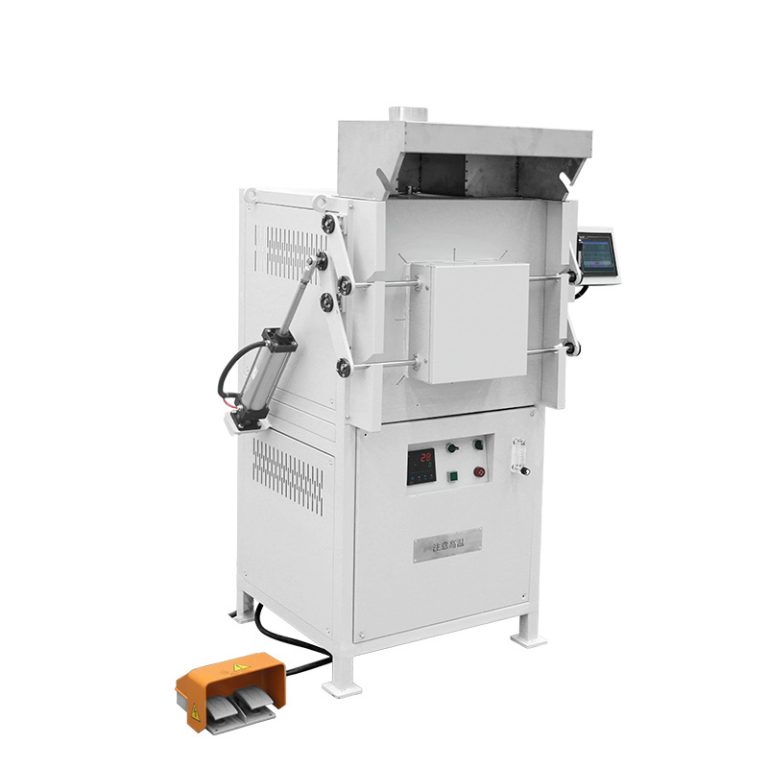
Annealing relies on an annealing furnace. Box furnaces, roller furnaces, pit furnaces, pusher furnaces—various furnace types are designed for different production volumes and applications. But regardless of the type used, temperature is crucial for the annealing effect. Incorrect temperature can ruin the entire batch of material.
I. Overview of Annealing Furnace Products
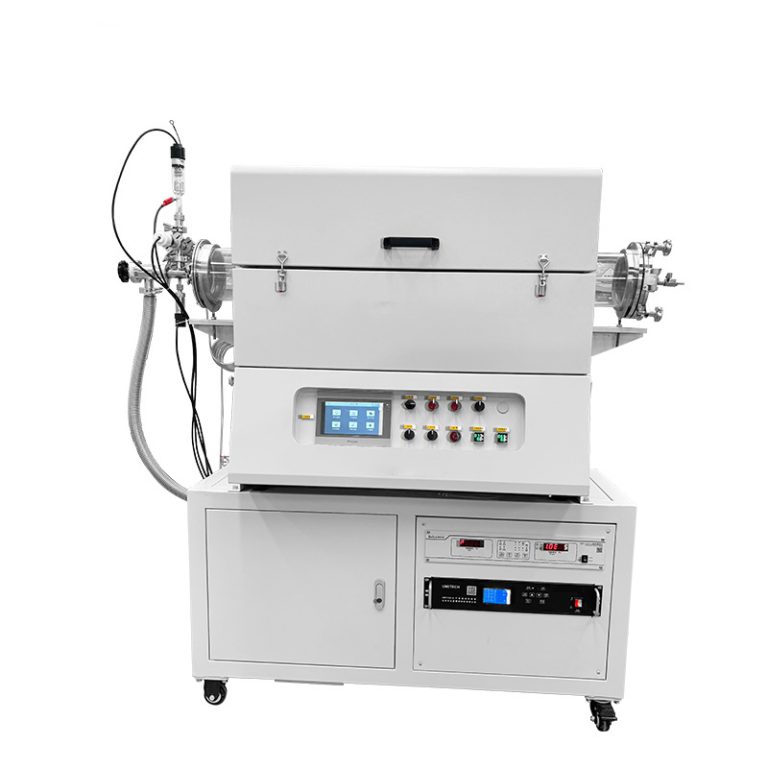
An annealing furnace is an industrial heat treatment device used for annealing materials. It primarily uses controlled heating and slow cooling to improve the plasticity, toughness, and internal structural stability of metals or other materials.The annealing process typically includes three stages:Heating stage: The material is heated to the target annealing temperature.Holding stage: The temperature is maintained for a certain period to allow for complete transformation of the internal structure.
Cooling stage: The material is slowly cooled according to process requirements.
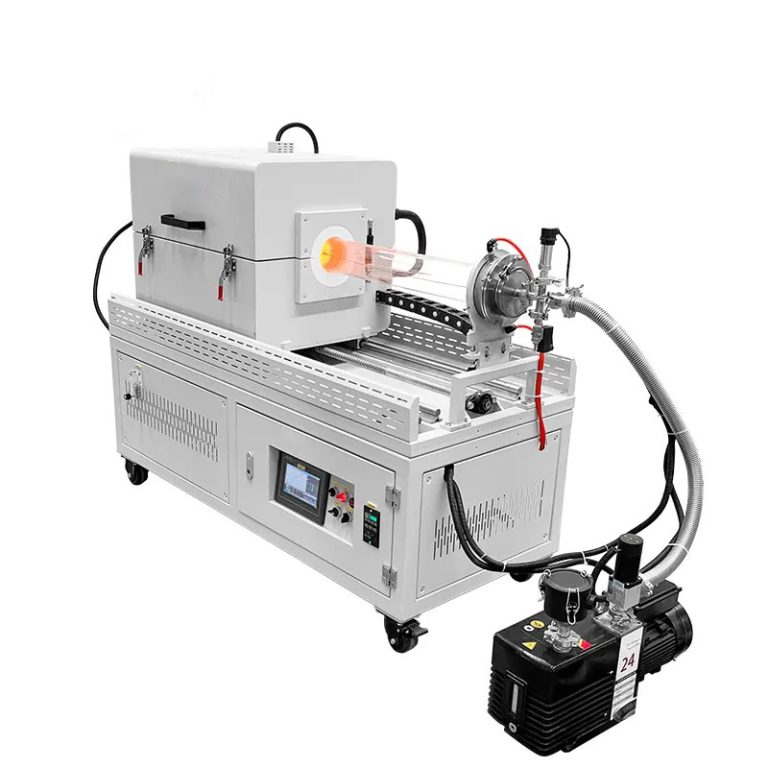
Different materials require different annealing temperature ranges. For example, annealing steel typically requires several hundred degrees Celsius to near the critical temperature range, while the annealing temperature for non-ferrous metals such as copper and aluminum varies depending on the alloy state.Modern annealing furnaces are usually equipped with intelligent temperature control systems, multi-zone heating structures, and atmosphere protection functions to meet the needs of high-precision material handling.
II. Key Features and Advantages of Annealing Furnace
- Precise Temperature Control Ensures Excellent Annealing Results
The quality of annealing largely depends on the accuracy of temperature control. Large fluctuations in furnace temperature will result in differences in the microstructure of different parts of the material, leading to inconsistencies in hardness and properties.Advanced annealing furnaces employ PID control, multi-point temperature measurement, and programmed temperature rise technology, automatically adjusting the heating power according to the process curve to ensure the material remains in a stable thermal environment.
- Uniform Thermal Field Improves Product Consistency
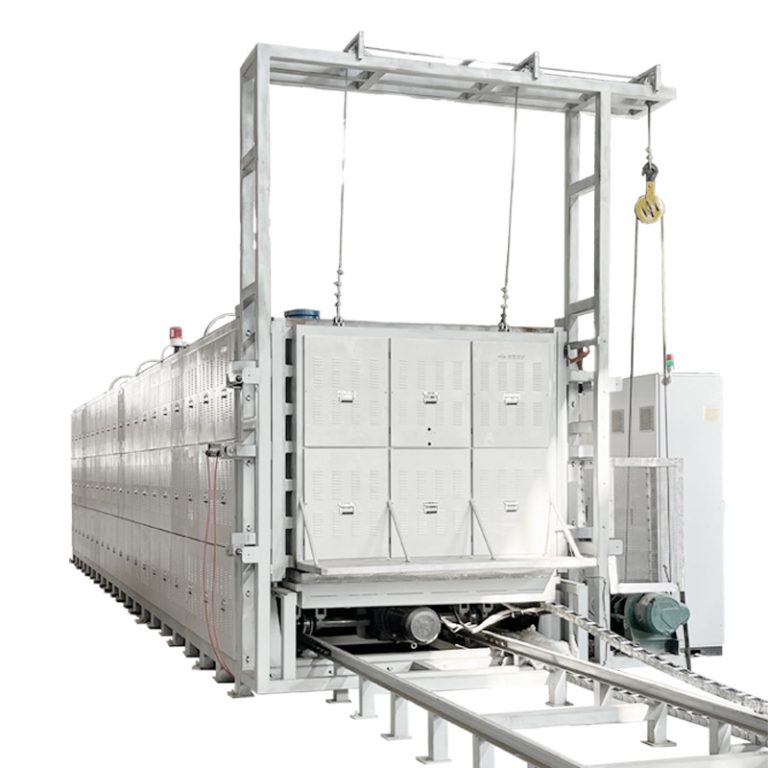
Temperature uniformity within the furnace is crucial during the annealing process.Large industrial annealing furnaces typically employ multi-zone independent temperature control, hot air circulation systems, optimized heating element layout, and high-performance insulation materials to reduce temperature differences between hot and cold zones within the furnace.
For products such as continuous strips and precision parts, a stable thermal field can significantly reduce performance variations between batches.
- Energy-Saving Design Reduces Operating Costs
Annealing typically requires a long holding time; therefore, energy consumption is a critical factor for businesses. Modern annealing furnaces improve thermal efficiency through lightweight furnace linings, low heat loss structures, and intelligent power regulation. Some equipment utilizes ceramic fiber insulation, which has a lower heat capacity than traditional refractory materials, reducing heating time and energy consumption during the holding phase.
- Atmosphere Control Improves Material Quality
Some metals are prone to oxidation at high temperatures, thus requiring a protective atmosphere. Annealing furnaces can be purged with nitrogen, ஆர்கான், or a hydrogen mixture, depending on the material requirements. A stable vacuum atmosphere within the furnace reduces oxide scale formation and improves material surface quality.


III. Two Key Topics in Annealing Furnace Temperature Selection
- How to Choose the Appropriate Annealing Temperature Based on the Material?
The annealing temperature is not a fixed parameter, but rather determined by the material composition and process objectives.
For example:
The annealing temperature of steel needs to be determined based on its carbon content and microstructure. There are significant differences in the annealing temperature range between low-carbon steel, medium-carbon steel, and alloy steel. Too low a temperature makes it difficult to effectively eliminate internal stress, while too high a temperature may cause grain coarsening, thereby affecting the mechanical properties of the material.
Copper and Aluminum Alloys: Annealing of non-ferrous metals focuses more on restoring plasticity and reducing work hardening. Temperatures are usually lower than the heat treatment range for steel, but precise control of time and cooling rate is still necessary.Therefore, when selecting the annealing temperature, one cannot only consider the material name; it is also necessary to consider: material grade, initial microstructure, product dimensions, and subsequent processing requirements.
- Why is Temperature Control More Important Than the Maximum Temperature?
Many companies prioritize the maximum temperature of the equipment when selecting an annealing furnace. However, for the annealing process, the maximum temperature is not a core indicator. What truly affects quality are: the stability of the heating rate, the accuracy of the holding time, the controllability of the temperature difference within the furnace, and whether the cooling process meets the requirements.
For example, even with the same annealing temperature of 600℃, two machines may produce completely different material properties due to differences in the thermal field. Therefore, the development direction of high-quality annealing furnaces has shifted from “pursuing higher temperatures” செய்ய “pursuing more precise temperature management.”
| Factor | விளக்கம் |
|---|---|
| Material Composition | Phase transformation points vary by steel grade; temperature selection based on phase diagram. Carbon steel references Ac₃ or Ac₁; alloy steel requires consideration of alloying element effects on transformation points |
| Annealing Purpose | Stress relief → low temperature (below transformation point); improving machinability → medium temperature (partial or full austenitization); eliminating segregation → high temperature (diffusion annealing) |
| Workpiece Size & Load Quantity | Large sections require longer soaking and slower cooling to ensure uniformity between core and surface. Heavy loads slow heat transfer, requiring extended soaking time |
| Post-Process Requirements | Direct machining after annealing → hardness must be reduced to tool-cutting range; preparing for quenching → structure should be uniform spheroidized pearlite |
| Furnace Type & Atmosphere | Furnaces with good temperature uniformity reduce deviation between setpoint and actual temperature. Most steels use nitrogen-hydrogen mixed atmosphere; oxidation-sensitive materials require inert gas or vacuum protection |
IV. Main Application Areas of Annealing Furnace
- Steel Manufacturing Industry: Used for annealing steel plates, strips, wires, and machine parts to improve material ductility and reduce processing stress.
- Automotive Manufacturing Industry: Annealing improves the formability and extends the service life of automotive parts.
- Aerospace Industry: High-temperature alloys, titanium alloys, and other materials require precise annealing to optimize their internal structure and improve reliability.
- New Energy Industry: Stable annealing processes are required in the production of lithium battery materials, copper foil, aluminum foil, etc., to ensure material performance.
- Electronics and Precision Manufacturing: Electronic components and precision metal parts have high requirements for dimensional stability; annealing can reduce internal stress and improve machining accuracy.
V.Supplier
Luoyang Anjing Intelligent Equipment Co., Ltd. is an enterprise dedicated to the research, development, production, sales, and technical services of heat treatment equipment such as high-temperature electric furnaces. We produce laboratory, vacuum, industrial, and medium frequency furnace, covering a temperature range from -100℃ to 2600℃, serving industries such as new energy, குறைக்கடத்திகள், மற்றும் மேம்பட்ட பொருட்கள். We can provide customized solutions based on specific atmosphere, ultra-high temperature, and intelligent control system requirements. Please feel free to contact us if you are interested.