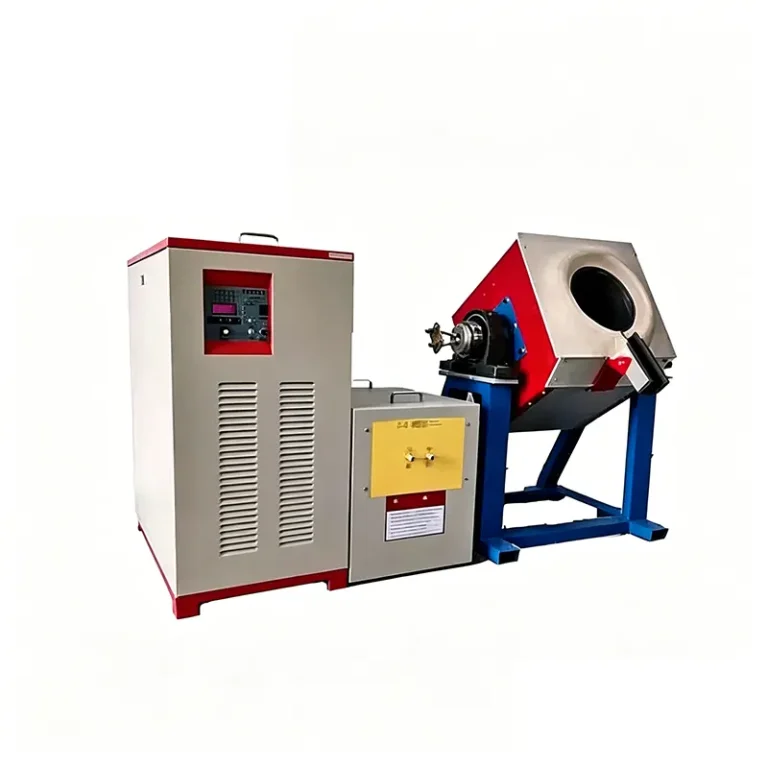
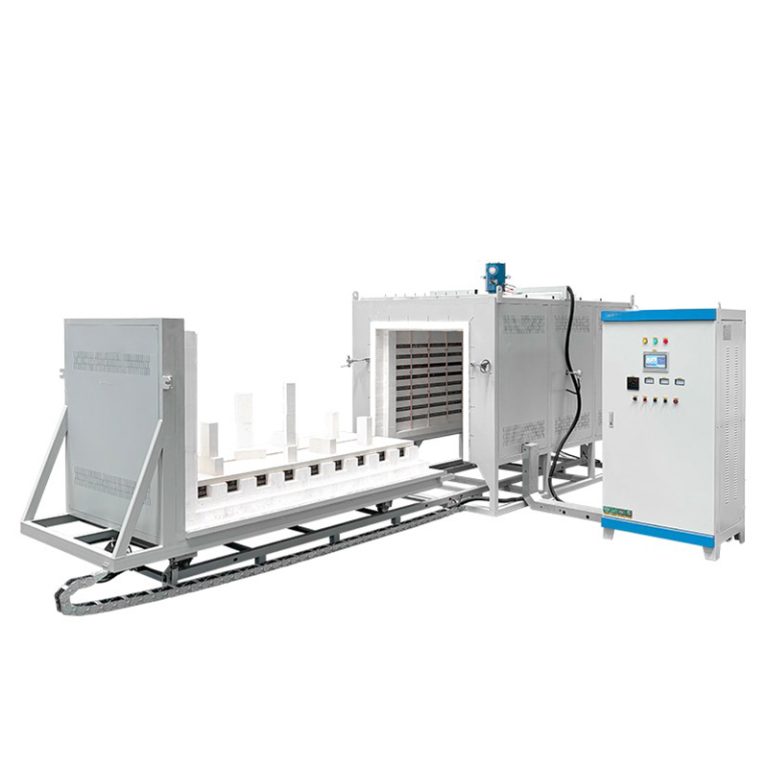
லுயோயாங் அன்ஜிங் நுண்ணறிவு உபகரணங்கள் உயர் வெப்பநிலை மின்சார உலைகளில் உலகளாவிய முன்னணியில் உள்ளன



What Are The Uses Of Introducing Hydrogen Into A Tube Furnace? A Comprehensive Explanation In One Article.
Many people believe that tube furnace can only perform simple heat treatments, and that adding hydrogen is merely for “preventing oxidation.” In reality, the applications of hydrogen atmosphere tube furnaces in materials science and high-end manufacturing far exceed most people’s imagination. From high-temperature alloys used in aerospace to core materials for next-generation hydrogen energy storage tanks, this equipment is indispensable.
I. Introduction to Hydrogen Tube Furnaces
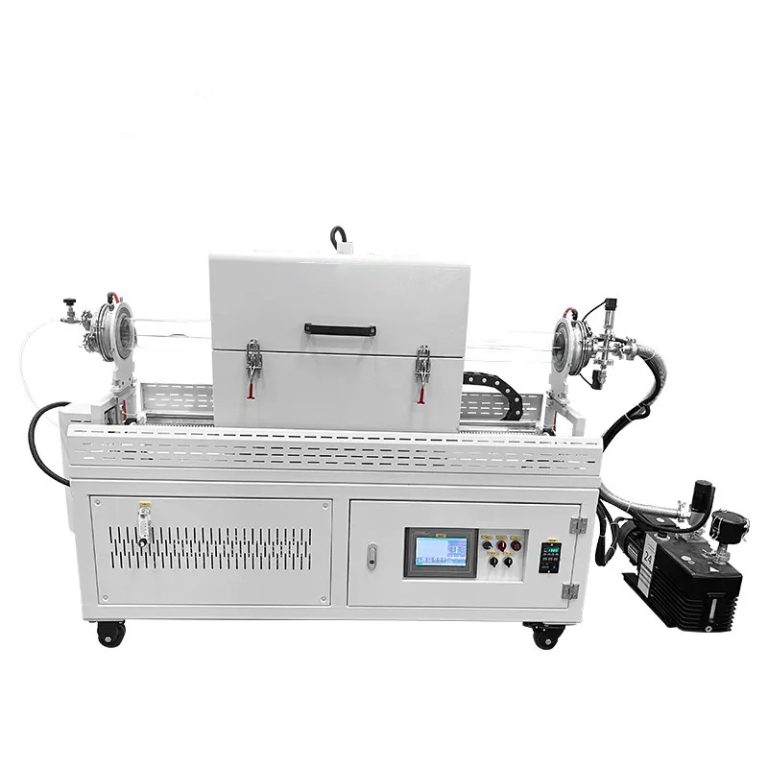
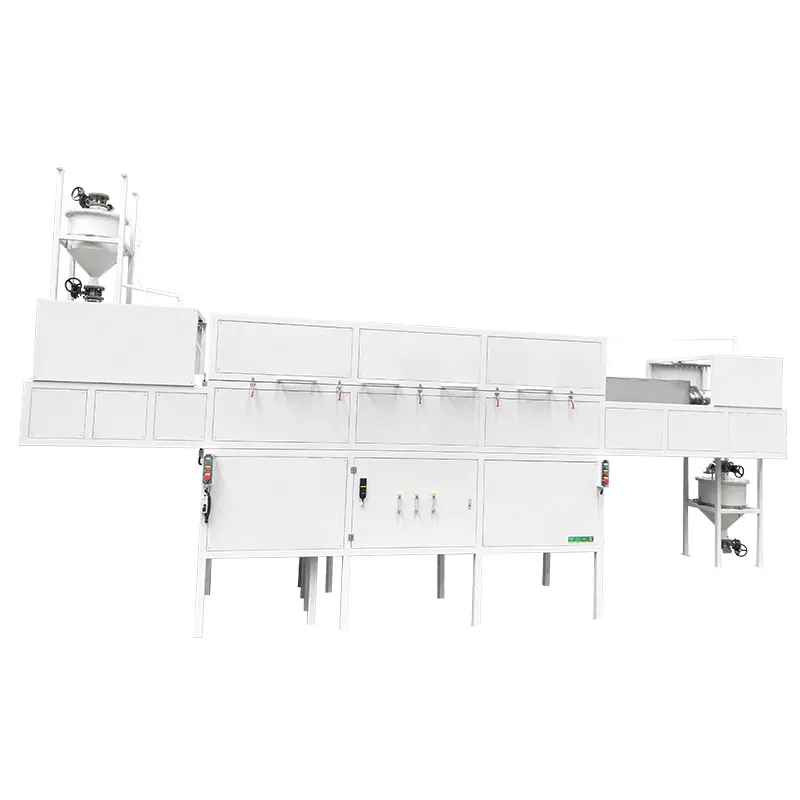
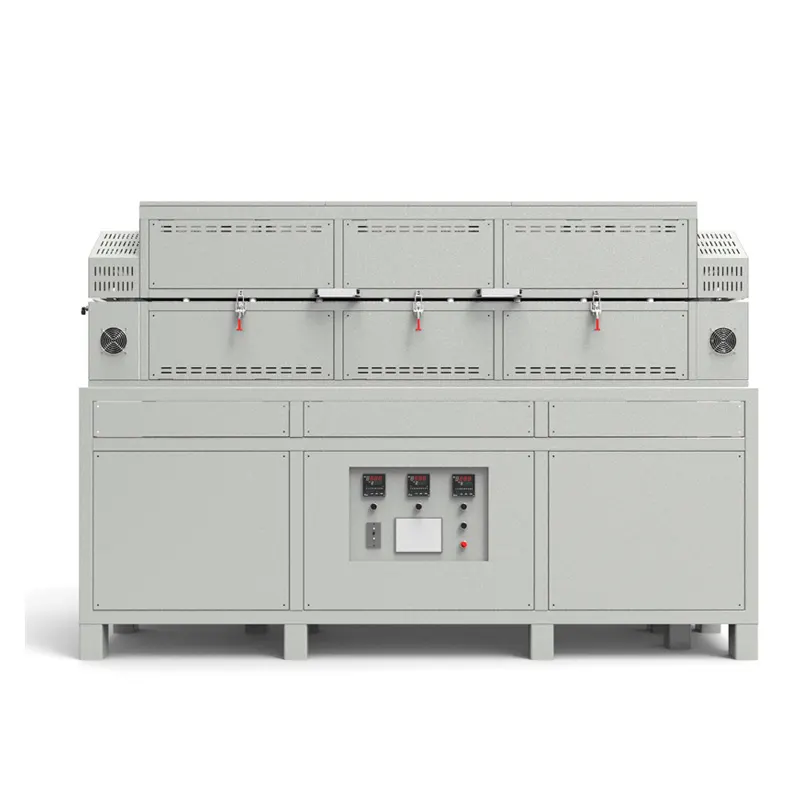
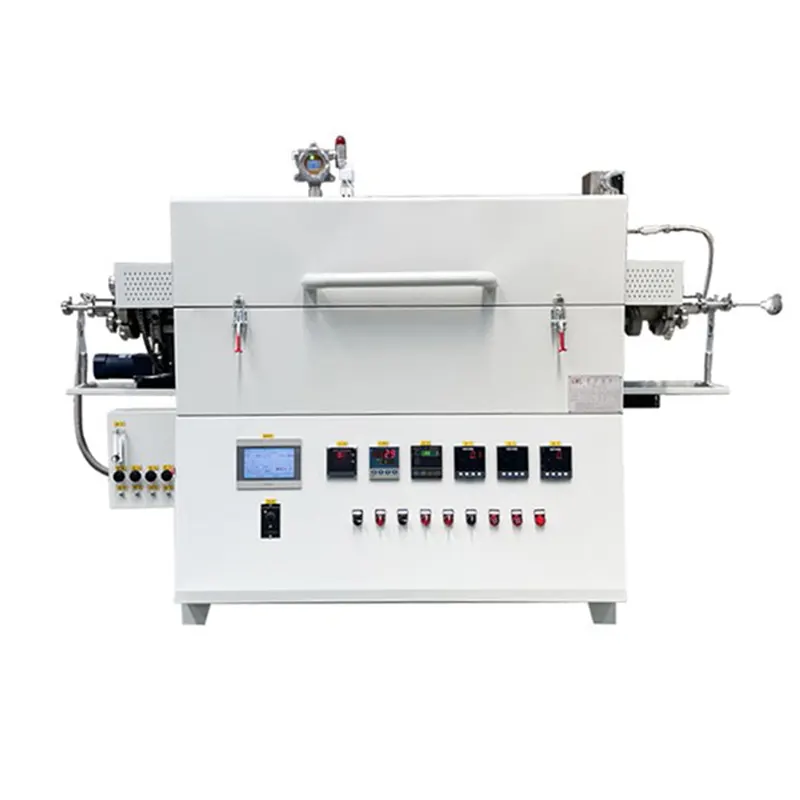
A tube furnace is a heat treatment device with a cylindrical heating chamber. The furnace tubes are typically made of quartz, corundum, or stainless steel, and are sealed at both ends to allow the introduction of various gases. When hydrogen is introduced, this device becomes a hydrogen tube furnace.
Hydrogen has strong reducing properties at high temperatures. It has two key characteristics: first, it combines with oxygen to form water, thus removing oxygen from metal oxides; second, hydrogen atoms are very small and can penetrate into the interior of materials, even the crystal lattice. These two characteristics determine the irreplaceable role of hydrogen in tube furnaces.
Unlike inert gases (such as argon and nitrogen), hydrogen actively participates in chemical reactions. Compared to carbon monoxide, hydrogen has stronger reducing properties and poses no risk of carbon pollution. This is why hydrogen has become one of the most commonly used reaction atmospheres in tubular furnaces, from laboratory research to industrial production.
II. Five Major Applications of Hydrogen in Tube Furnace
- Reducing Atmosphere – Preventing Oxidation is Just the Basics
At high temperatures, hydrogen actively removes oxygen from metal oxides, generating water vapor. This means that not only is there no oxygen inside the tube furnace, but it can also “rescue” oxidized surfaces. This is crucial for bright annealing of stainless steel and preventing blackening of copper during annealing.
- Advanced Material Sintering – Impurity Removal is More Important than Heating
Sintering is not simply burning powder together. Hydrogen reacts with impurities such as oxygen, sulfur, and carbon at high temperatures to generate gases that are then released. Clean grain boundaries allow for increased material density and strength. Ceramics and powder metallurgy without hydrogen suffer from performance degradation.
- Hydrogenation Reaction – Active Hydrogenation is More Valuable than Passive Protection
Many people only consider hydrogen as a protective gas, but in tube furnaces, hydrogen can be a reactant. For example, it can be used to synthesize metal hydrides for hydrogen storage or to produce catalysts. This represents a leap from “oxidation prevention” செய்ய “material manufacturing.”
- Surface Cleaning and Carbon Removal – More Thorough Than Any Solvent
Carbon contamination can diffuse into the interior of materials at high temperatures. Hydrogen reacts with carbon to produce methane, effectively “pulling” the carbon from the surface and subsurface. Hydrogen furnaces are standard equipment for semiconductor substrate cleaning and metal decarburization.
- Crystal Growth – Purity Determines Performance
When growing single-crystal silicon or optical crystals, even a part-in-a-million impurity can alter electrical or optical properties. Growth in a hydrogen atmosphere minimizes impurity incorporation. Without hydrogen furnaces, stable production of high-quality crystals is virtually impossible.
III. A Common Question: Is Hydrogen Safe?
Many people’s first reaction to encountering a hydrogen furnace is safety. This is completely understandable. Hydrogen is flammable and explosive, that’s a fact. However, industrial-grade tubular furnaces have mature safety systems.
Modern hydrogen atmosphere furnaces come standard with multiple safeguards: a gas flow controller precisely controls the hydrogen input; an ignition device handles exhaust gases; a furnace body sealing design prevents leaks; and an oxygen content sensor monitors in real time. Operating procedures are equally important: first, purge the furnace air with an inert gas (such as nitrogen) before introducing hydrogen; when shutting down the furnace, first turn off the hydrogen, purge with an inert gas, and then restart the furnace.
The key is: whether hydrogen is dangerous or not depends on how you treat it. Aviation fuel is also dangerous, but tens of thousands of flights take off and land safely every day. With adherence to procedures and proper equipment, the safety risks of hydrogen furnaces are controllable. In fact, thousands of laboratories and production lines worldwide operate normally every day.
IV. Tube Furnace Applications
- Powder Metallurgy Industry: Sintering of iron-based, copper-based, and stainless steel powders using a hydrogen atmosphere or a hydrogen-nitrogen mixed atmosphere. Hydrogen reduces oxides on the particle surface, allowing the sintering neck to grow fully, resulting in final products with higher density, strength, and elongation than those sintered with argon. Applications include oil-impregnated bearings, structural parts, and friction materials.
- Metal Processing and Heat Treatment: Continuous annealing of copper strips and tubes in hydrogen atmosphere achieves a bright surface, eliminating the need for acid pickling. Annealing of stainless steel wires and strips also relies on a hydrogen atmosphere to prevent oxidation. Intermediate annealing of high-purity metals such as tungsten, molybdenum, and tantalum must use hydrogen because these metals are extremely sensitive to oxygen at high temperatures.
- Semiconductors and Photovoltaics: Hydrogen annealing of silicon wafers is used to repair etching damage, saturated surface dangling bonds, and improve minority carrier lifetime. Hydrogen etching of the substrate before silicon carbide epitaxial growth removes surface contaminants and forms a stepped flow growth pattern. Hydrogen alloying treatment after diffusion in photovoltaic cells improves passivation.
- Hydrogen Storage Material Development: Laboratory-scale synthesis and testing of metal hydrides. Magnesium, lanthanum-nickel alloys, etc., are placed in a tube furnace and heated to a specific temperature while maintaining a certain pressure in high-purity hydrogen. The material absorbs hydrogen and transforms into a metal hydride. The hydrogen storage capacity and cycle stability of the material are evaluated using pressure-composition-temperature (PCT) testing.
- Catalyst Production: Nickel-based methanation catalysts and palladium-based hydrogenation catalysts are activated with hydrogen in a tube furnace. Activation essentially reduces the catalyst precursor to a catalytically active metallic state. Tube furnaces can process powdered or granular catalysts, allowing for large batch sizes and good temperature uniformity.
| Creating a Reducing Atmosphere | Bright annealing of stainless steel, metal annealing (மன அழுத்தம் நிவாரணம்), reduction of copper and alloy oxides |
| Sintering of Advanced Materials | Ceramics (oxide densification and reduction), metal powders (high-strength parts for powder metallurgy) |
| Hydrogenation Reaction | Hydrogen storage materials (testing and synthesis of metal hydrides), catalysts (production of industrial hydrogen-enriched compounds) |
| Surface Cleaning and Decarbonization | Semiconductor or thin-film deposition substrate preparation, decarburization treatment of metals and alloys |
| Crystal Growth | Growth of high-purity materials such as semiconductor crystals and optical crystals |
V.Supplier
Luoyang Anjing Intelligent Equipment Co., Ltd. is an enterprise dedicated to the research, development, production, sales, and technical services of heat treatment equipment such as high-temperature electric furnaces. We produce laboratory, vacuum, industrial, and medium-frequency furnaces, covering a temperature range from -100℃ to 2600℃, serving industries such as new energy, குறைக்கடத்திகள், மற்றும் மேம்பட்ட பொருட்கள். We can provide customized solutions based on specific atmosphere, ultra-high temperature, and intelligent control system requirements. Please feel free to contact us if you are interested.