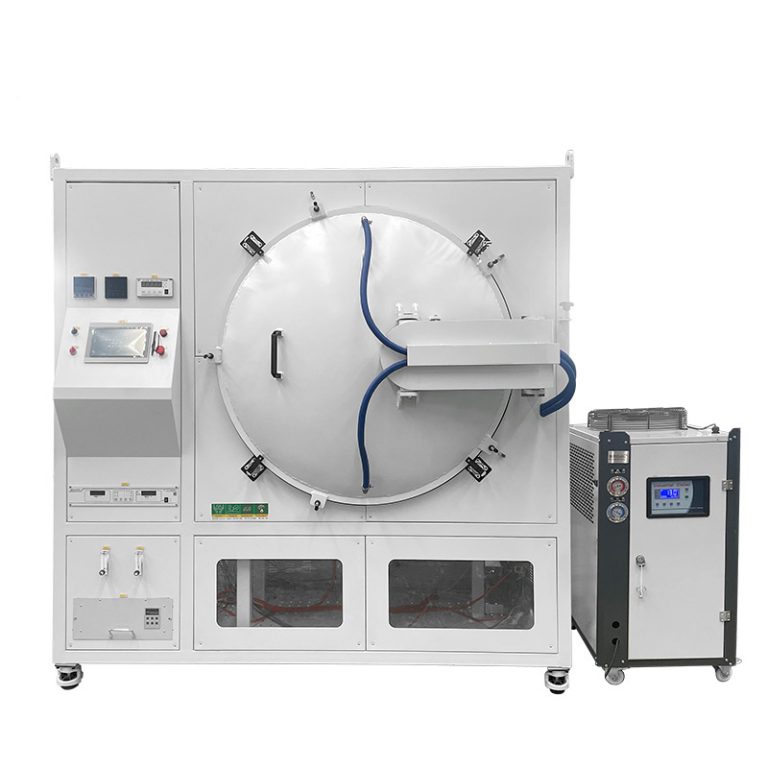
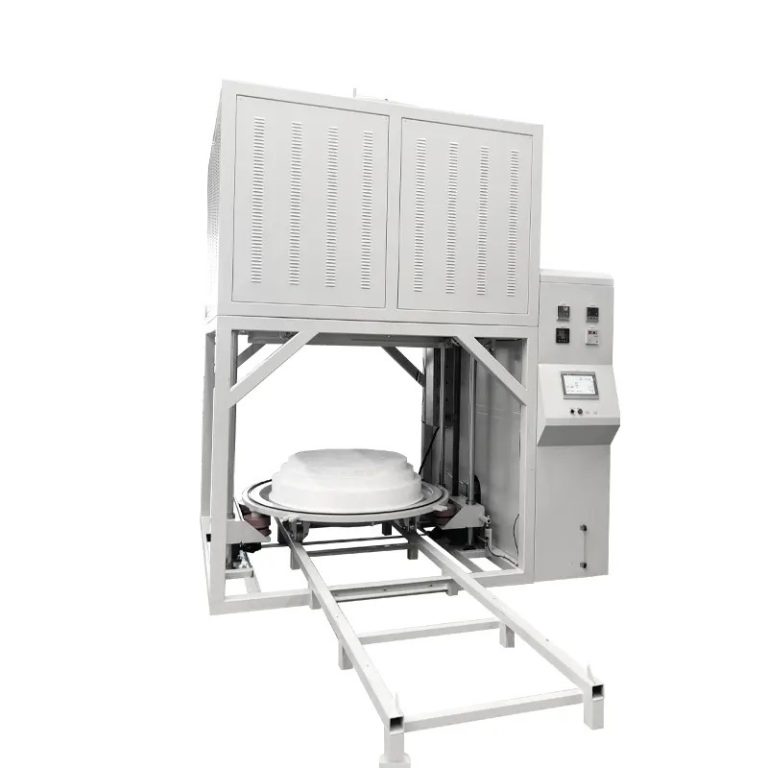
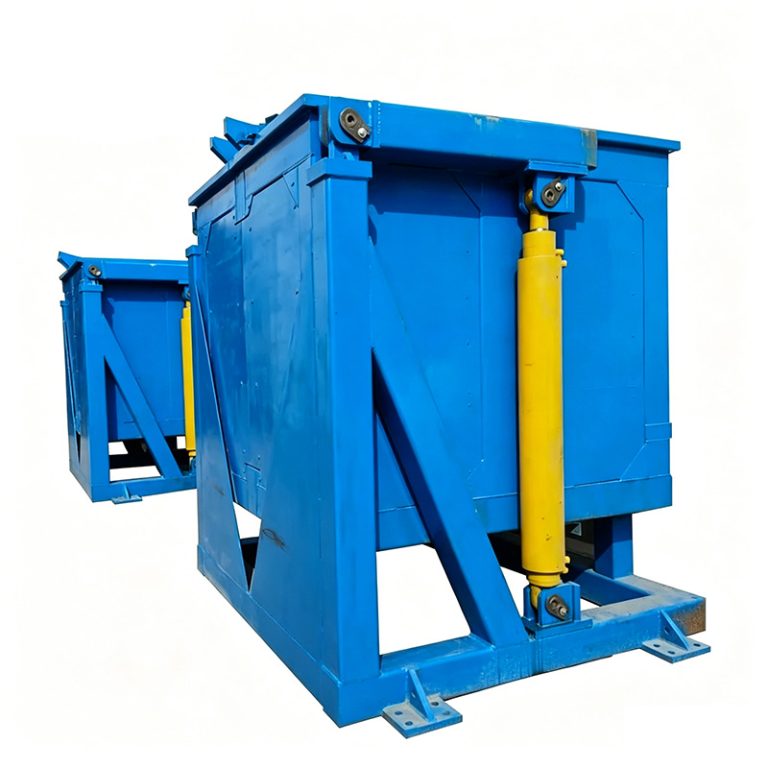
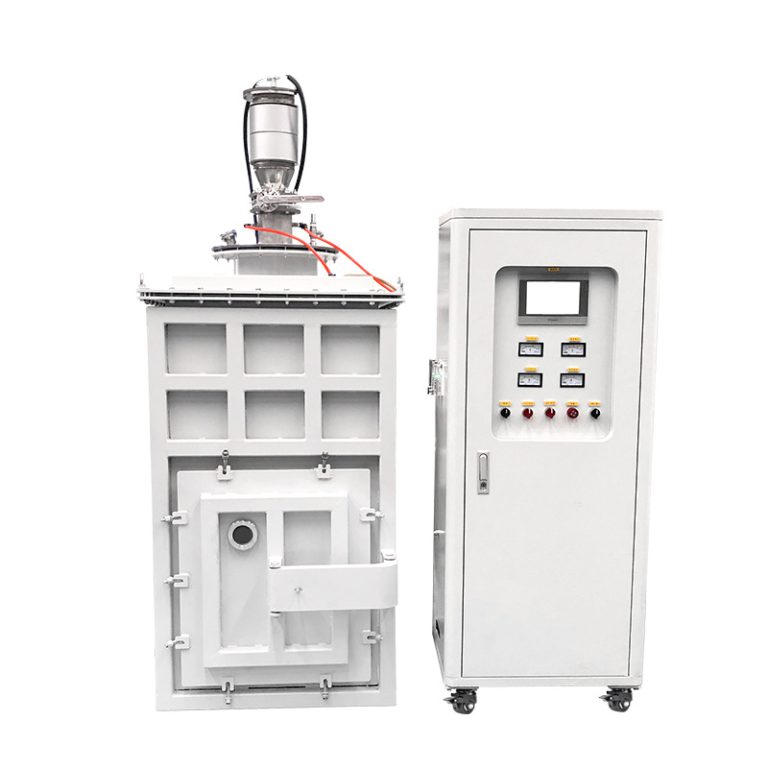
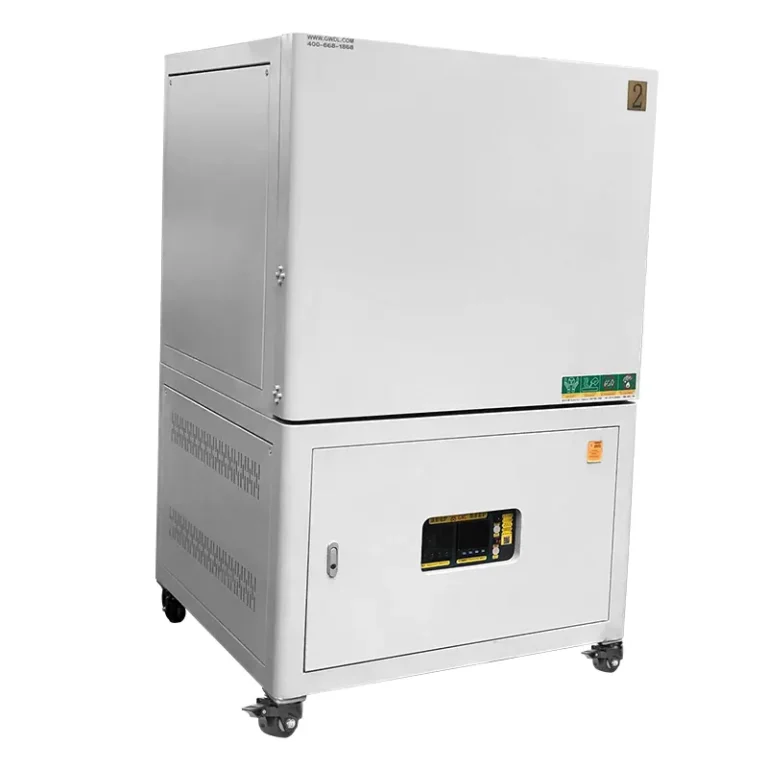
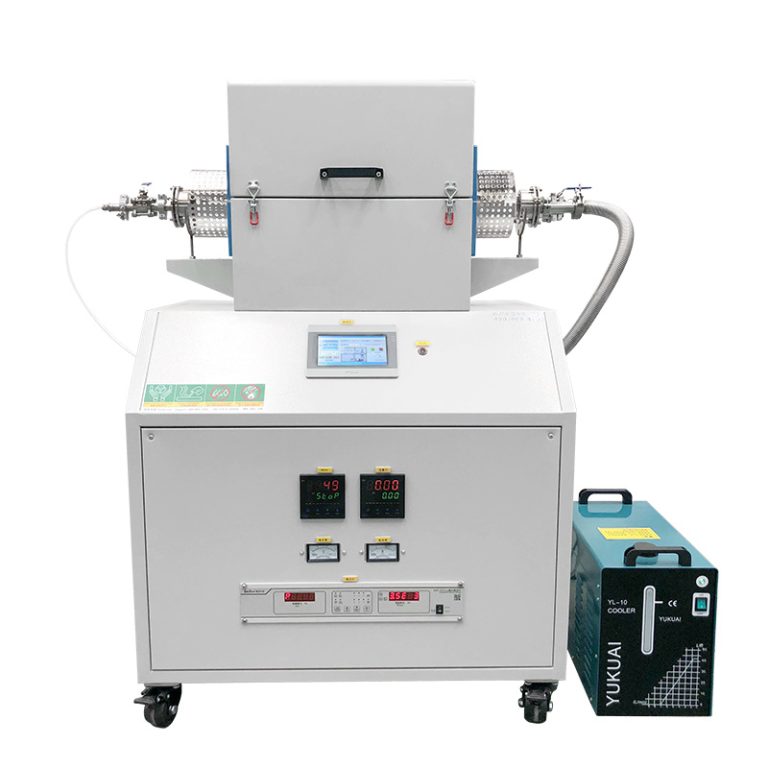
லுயோயாங் அன்ஜிங் நுண்ணறிவு உபகரணங்கள் உயர் வெப்பநிலை மின்சார உலைகளில் உலகளாவிய முன்னணியில் உள்ளன



What Is Heat Treatment Process? ஒரு முழுமையான வழிகாட்டி
The heat treatment process is a controlled cycle of heating, soaking, and cooling a material to change its microstructure and improve properties such as hardness, strength, toughness, ductility, wear resistance, and dimensional stability. The exact process depends on the material and required final properties.
I. Introduction
What is the heat treatment process, and why is it important in metal manufacturing? Heat treatment is a controlled thermal process used to modify the microstructure and performance of metals and alloys without changing their basic chemical composition.
For manufacturers, laboratories, and engineering companies, achieving consistent results requires more than simply heating a workpiece. Furnace temperature, heating rate, soaking time, atmosphere, cooling rate, and furnace uniformity all need to be controlled.
This guide explains the basic heat treatment process, the main types of heat treatment, how each method works, and how to select the appropriate heat treatment furnace.
II.What Is the Heat Treatment Process?
The heat treatment process is a controlled sequence of heating, வைத்திருக்கும், and cooling a material to obtain specific physical, mechanical, or metallurgical properties.
For metals, especially steels, the process is primarily used to modify the material’s microstructure.
The three fundamental stages are:
Heating → Soaking → Cooling
Each stage has a specific purpose.
Heating:The workpiece is heated from its initial temperature to a predetermined treatment temperature.
The heating rate must be controlled according to the material and workpiece geometry. Excessively rapid or uneven heating can create thermal gradients and stresses.
Soaking:Once the desired temperature is reached, the material is held at that temperature for a specified period.
This allows the workpiece to approach a uniform temperature and provides sufficient time for the intended metallurgical transformation.
Cooling:The material is then cooled according to the selected heat treatment method.
The cooling rate is one of the most important variables because it strongly influences the resulting microstructure and properties.
1.What Are the Main Types of Heat Treatment?
Several heat treatment methods are commonly used in metal processing.
(1) Annealing
Annealing generally involves heating a material to a suitable temperature followed by relatively slow cooling.
It is commonly used to:
- Reduce hardness
- Improve ductility
- Relieve internal stress
- Improve machinability
- Modify or refine microstructure
Annealing can be particularly useful before machining, forming, or subsequent heat treatment.
offers tube and industrial furnace configurations suitable for annealing applications. For example, the website lists an 800°C continuous annealing tube furnace specifically designed for continuous heat treatment of metal wires and rods.
(2) Normalizing
Normalizing is generally performed by heating steel above its relevant transformation range and then cooling it in air.
The process can be used to:
- Refine grain structure
- Improve structural uniformity
- Adjust mechanical properties
- Prepare material for further processing
Normalizing is often applied to steels following processes such as forging, rolling, or casting.
(3)Hardening and Quenching
Hardening typically involves heating a material to a suitable temperature and then rapidly cooling it.
The rapid cooling stage is known as quenching.
In suitable steels, rapid cooling can promote martensitic transformation and significantly increase hardness and strength.
Common quenching media include:
- Water
- Oil
- Polymer solutions
- Air
- Controlled gases
However, faster cooling is not automatically better. Excessively severe quenching can increase the risk of distortion, residual stress, and cracking.
(4)Tempering
Tempering is generally performed after hardening.
The quenched material is reheated to a temperature below the hardening range, held for a specified time, and then cooled.
The purpose is to obtain a more useful balance between:
Hardness + Strength + Toughness + Ductility
Tempering can reduce some of the brittleness and residual stress associated with the as-quenched condition.
This is why many industrial steel components undergo a quenching and tempering cycle rather than quenching alone.
(5)Stress Relieving
Stress relieving is a controlled heating process used to reduce residual stresses introduced during manufacturing.
Residual stress may result from:
- Welding
- Casting
- Forging
- Machining
- Cold working
- Forming
The objective is to improve dimensional stability and reduce the potential for deformation during subsequent processing or service.
For high-precision components, stress relieving can be an important intermediate manufacturing step.
(6)Solution Heat Treatment
Solution treatment is widely used for certain alloy systems, including aluminum alloys, stainless steels, and other precipitation-hardening materials.
The material is heated into a suitable temperature range to dissolve specific phases into a solid solution and then cooled according to the required process.
Depending on the alloy, solution treatment may be followed by aging.
The furnace therefore needs not only accurate temperature control but also appropriate atmosphere and cooling capabilities.
2.What Happens to Metal During Heat Treatment?
The fundamental reason heat treatment works is that temperature changes can cause changes in the material’s microstructure.
For steel, for example, heating can transform ferrite/pearlite structures into austenite under suitable conditions.
Subsequent cooling determines which transformation products form.
Depending on the cooling rate and alloy composition, the resulting structure may include:
- Ferrite
- Pearlite
- Bainite
- Martensite
The resulting microstructure strongly influences mechanical properties.
This is why temperature + time + cooling rate must be considered together when designing a heat treatment cycle.
3,What Factors Affect the Heat Treatment Process?
Material Composition
Different metals and alloys have different transformation temperatures, thermal properties, and hardenability.
The furnace program should therefore be developed from the actual material specification.
வெப்ப விகிதம்
The heating rate determines how quickly the workpiece reaches the treatment temperature.
A suitable heating rate can help reduce excessive thermal gradients and improve process consistency.
Soaking Time
Soaking time depends on:
- Material
- Workpiece thickness
- Part geometry
- Furnace loading
- Target transformation
Insufficient soaking may produce incomplete treatment, while unnecessarily long holding can increase energy consumption or affect material properties.
Cooling Rate
The cooling rate often determines the final microstructure.
For annealing, slow cooling may be required.
For hardening, rapid cooling may be necessary.
For other alloy systems, controlled air, gas, water, oil, or staged cooling may be appropriate.
Furnace Atmosphere
Atmosphere can become particularly important when oxidation, decarburization, or contamination must be controlled.
Depending on the application, heat treatment can be performed in:
- Air
- Nitrogen
- Argon
- Hydrogen-containing atmospheres
- Vacuum
- Other controlled environments
tube furnace range supports heat treatment under vacuum, inert, reducing, or oxidizing atmospheres depending on the equipment configuration.
4.Batch vs. Continuous Heat Treatment
| Feature | Batch Heat Treatment | Continuous Heat Treatment |
|---|---|---|
| Production method | One batch at a time | Continuous material flow |
| Flexibility | High | Optimized for defined products |
| Product variety | Suitable for multiple products | Best for stable production lines |
| Loading method | Manual/automated batch loading | Continuous feeding |
| Throughput | Low to medium | Medium to high |
| Typical equipment | Box/pit/tube furnace | Continuous furnace |
The correct choice depends on whether the customer prioritizes production flexibility or continuous throughput.
5.Why Is Temperature Uniformity Important in Heat Treatment?
The furnace must provide a consistent temperature environment so that different areas of the workpiece or different components in the same batch experience comparable thermal histories.
Poor temperature uniformity can contribute to:
- Inconsistent hardness
- Uneven microstructure
- Local overheating
- Incomplete transformation
- Distortion
- Product-to-product variation
6.What Is the Difference Between Heat Treatment and Heat Processing?
The terms are sometimes used broadly, but they do not always refer to exactly the same thing.
Heat treatment generally refers to controlled thermal processing intended to change material properties or microstructure.
Heat processing is a broader term that can include:
- Heat treatment
- Sintering
- கால்சினேஷன்
- Melting
- Annealing
- Drying
- Thermal decomposition
For equipment selection, it is therefore useful to define the actual process objective instead of using only the general term “high-temperature furnace.”
III. Heat Treatment Furnace Solutions from MeltingFurnace.net
MeltingFurnace.net provides multiple furnace configurations for laboratory, research, pilot-scale, and industrial heat-treatment applications.
The product range includes box furnaces, குழாய் உலைகள், pit furnaces, continuous annealing furnaces, சுழலும் உலைகள், and other high-temperature systems.
For atmosphere-controlled applications, tube furnaces provide vacuum and controlled-gas capabilities.
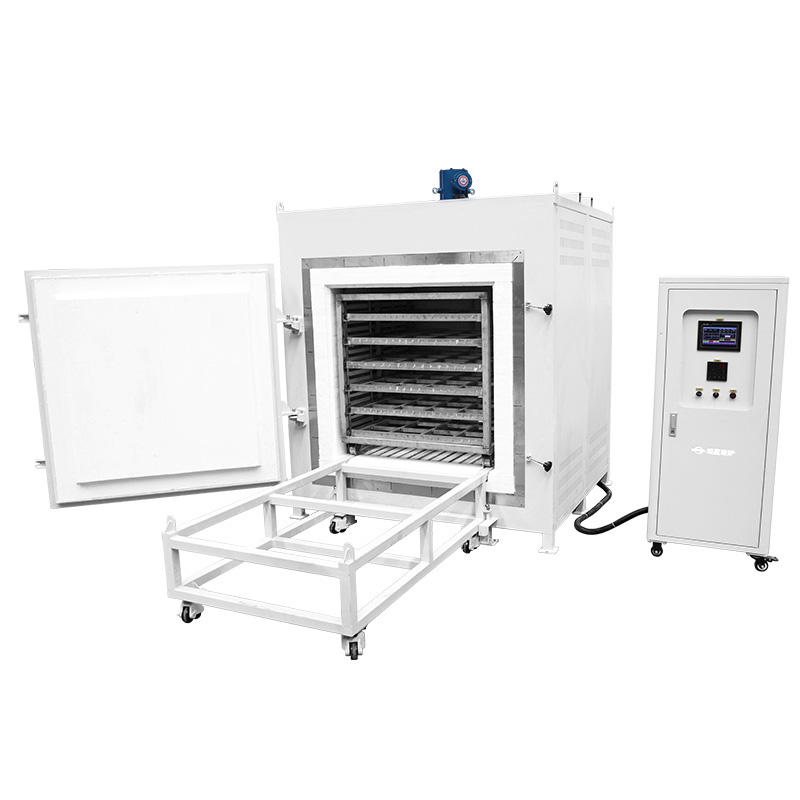
For long components, the 1200°C pit furnace is designed for processes such as annealing, normalizing, tempering, தீர்வு சிகிச்சை, and stress relief.
For continuous wire processing, the 800°C seven-zone annealing tube furnace provides a long heating zone and independently controlled thermal sections for continuous production.
For high-temperature research, MeltingFurnace.net also offers a 1700°C three-zone tube furnace with three independent control points, programmable temperature curves, and a maximum rated temperature of 1700°C.
The appropriate configuration should therefore be selected according to:
Material + Temperature + Holding Time + Atmosphere + Workpiece Geometry + Cooling Method + Production Capacity
This gives equipment buyers a more practical starting point than selecting a furnace based on maximum temperature alone.


IV.Conclusion
The heat treatment process is a controlled thermal cycle consisting primarily of heating, soaking, and cooling. By controlling these parameters, manufacturers can modify material microstructure and achieve required properties such as hardness, strength, toughness, ductility, wear resistance, and dimensional stability.
The main heat treatment methods include annealing, normalizing, hardening, quenching, tempering, stress relieving, and solution treatment. The correct process depends on the material and the desired final properties.
When selecting a heat treatment furnace, buyers should consider temperature accuracy, uniformity, atmosphere, workpiece size, production capacity, and cooling requirements together.
Contact MeltingFurnace.net to discuss your heat treatment requirements and get a furnace configuration matched to your material, இயக்க வெப்பநிலை, atmosphere, workpiece size, and production process.
Click “Request a Quote” to get a customized solution.
வி. அடிக்கடி கேட்கப்படும் கேள்விகள்
1.What is a heat treatment process?
A heat treatment process is a controlled sequence of heating, வைத்திருக்கும், and cooling a material to change its microstructure and achieve specific mechanical or physical properties.
2.What are the three basic steps of heat treatment?
The three basic steps are heating, soaking, and cooling. The temperature, holding time, and cooling rate are determined according to the material and required final properties.
3.What are the main types of heat treatment?
Common heat treatment methods include annealing, normalizing, hardening, quenching, tempering, and stress relieving. Solution treatment and aging are also widely used for specific alloy systems.
4.What furnace is used for heat treatment?
The appropriate furnace depends on the application. Box furnaces are commonly used for batch treatment, tube furnaces are useful for controlled-atmosphere processing, pit furnaces are suitable for long workpieces, and continuous furnaces are designed for high-throughput processes such as wire annealing.
5.Why is temperature control important in heat treatment?
Accurate temperature control and good temperature uniformity help ensure that the workpiece experiences the intended thermal cycle. Poor control can contribute to inconsistent microstructure, hardness variation, oxidation, distortion, or other quality problems.
Supplier
Luoyang Anjing Intelligent Equipment Co., Ltd. is an enterprise dedicated to the research, development, production, sales, and technical services of heat treatment equipment such as high-temperature electric furnaces. We produce laboratory, vacuum, industrial, and medium frequency furnace, covering a temperature range from -100℃ to 2600℃, serving industries such as new energy, குறைக்கடத்திகள், மற்றும் மேம்பட்ட பொருட்கள். We can provide customized solutions based on specific atmosphere, ultra-high temperature, and intelligent control system requirements. Please feel free to contact us if you are interested.