تعتبر شركة Luoyang Anjing Intelligence Equipment شركة رائدة عالميًا في مجال الأفران الكهربائية ذات درجات الحرارة العالية



What Is The Difference Between A Roller Hearth Kiln And A Rotary Kiln?
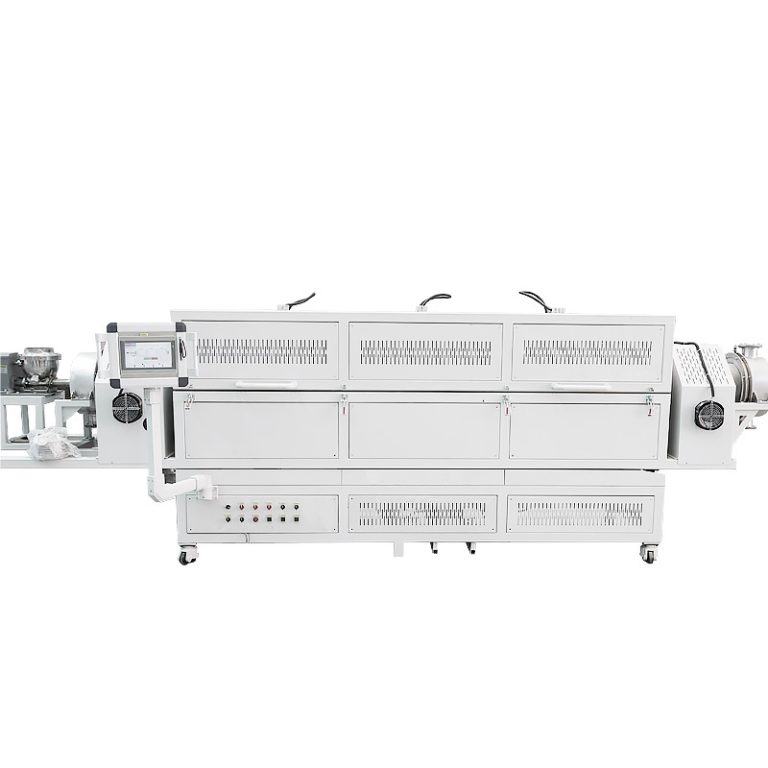
In high-temperature industrial production, roller hearth kiln و rotary kiln are both common types of continuous heat treatment equipment; however, they differ significantly in terms of structural design, material transport mechanisms, and suitable industries.In short, a roller hearth kiln relies on heat-resistant rollers to move materials horizontally, making it ideal for the continuous firing of products with regular shapes that require precise temperature control. Conversely, a rotary kiln uses a rotating cylinder to tumble materials forward, making it better suited for the calcination and processing of large volumes of bulk or granular materials.
Continuous operation is possible with any of them, but the choice of furnace depends on the material form, production output, temperature profile, and automation requirements.
I. Overview of Roller Hearth Kilns and Rotary Kilns
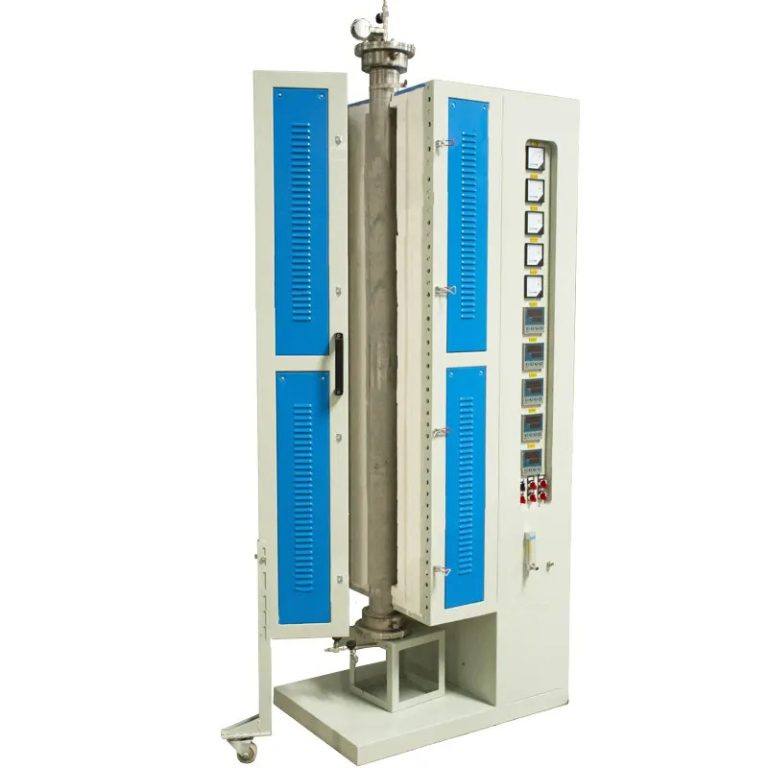
The main body of a rotary kiln is an inclined, continuously rotating cylinder; material enters at one end and moves forward while tumbling with the cylinder’s rotation, undergoing heating and calcination in the process. A roller hearth kiln consists of an elongated heating chamber featuring a conveyor path made of parallel rollers; materials rest on these rollers and pass through the chamber in a relatively stationary state.The differences in these modes of movement determine their respective applications: rotary kilns excel at processing powdered and granular materials, whereas roller kilns are better suited for firing finished or semi-finished products of fixed shapes.
ثانيا. Characteristics and Advantages of Roller Hearth Kilns vs. Rotary Kilns
- Differences in Material Transport Methods
The rotary kiln conveys material through the rotation of its cylindrical shell; the continuous tumbling of material within the cylinder increases the contact area—both between particles and between the material and the heat source—thereby enhancing heat exchange efficiency and processing capacity.
This method is suitable for:
- Ceramic plates/tiles
- Battery electrode materials
- Precision electronic components
Rotary kilns are different; the rotation of the kiln shell drives the material forward, causing it to tumble continuously, which ensures more thorough contact between the particles themselves and between the material and the heat source.
This method is better suited for:
- Ores
- Powders
- Granular materials
- Differences in Temperature Control Capabilities
The strength of the Roller Hearth Kiln lies in its temperature control precision. Because products travel along a fixed path, the furnace chamber can be designed with multiple independent temperature zones, enabling:
- Precise heating
- Stable holding (soaking)
- Controlled cooling
This level of control precision is critical for performance-sensitive materials. In rotary kilns, materials tumble continuously at high temperatures, and the thermal field is susceptible to airflow and the state of the material, with a focus on throughput; roller kilns, by contrast, place greater emphasis on product consistency.
- Differences in Production Efficiency and Processing Capacity
The greatest advantage of the rotary kiln is its high processing capacity. Its continuously rotating structure allows it to ingest bulk materials in large volumes, making it ideal for large-scale industrial production; for instance, cement production lines rely on rotary kilns to continuously process vast quantities of raw materials.
Roller Hearth Kilns excel in the manufacturing of high-value products. Although their single-batch capacity may be lower than that of large rotary kilns, their high level of automation and low product loss make them better suited for precision manufacturing.
- Differences in Equipment Maintenance Characteristics
Maintenance for Roller Hearth Kilns focuses primarily on:
- Roller wear
- Roller deformation
- Drive systems
- Temperature control components
Instability in roller operation can compromise the precision of material transport.
Maintenance for Rotary Kilns focuses on:
- Cylinder deformation
- Support roller systems
- Sealing structures
- Drive mechanisms
Due to the typically large size of the equipment, maintenance costs are also relatively high.


| Comparison Dimension | Rotary Kiln | فرن الموقد الدوار |
|---|---|---|
| Main Structure | Inclined rotating cylinder | Long flat-top chamber + roller bar conveyor |
| Material Movement | Tumbling and rotating, complex motion | Conveyed by rollers, relatively stationary |
| Suitable Material Forms | Powders, granular materials | Sheets, blocks, shaped products |
| Heating Efficiency | High (heating surface continuously renewed during tumbling) | Moderate (material stationary, slightly lower heat transfer) |
| Material Protection | Prone to breakage during tumbling | Smooth transport, low breakage risk |
| Typical Applications | Cement clinker, ore roasting, battery material calcination | Ceramic tiles, الطوب الحراري, special ceramic firing |
| Equipment Features | Wide adaptability, large throughput | High automation, uniform temperature distribution |
III. Two Key Topics: How to Select the Right Industrial Kiln?
- High-Precision Manufacturing or Mass Production?
The choice between a roller hearth kiln and a rotary kiln depends primarily on the enterprise’s production objectives. For high-value-added materials—such as those used in new energy batteries—where strict control over temperature uniformity, product dimensions, and firing quality is essential, a roller hearth kiln is typically the better choice; its stable thermal environment effectively minimizes batch-to-batch variation and ensures product consistency.
Conversely, for enterprises prioritizing high throughput, continuous operation, and low unit processing costs—such as in mineral calcination or cement production—the rotary kiln offers distinct advantages in continuous processing capacity, making it the more economical option.
- Energy Efficiency and Smart Technology: The Focus of Future Competition
As energy costs continue to rise, both types of equipment face an urgent need for energy-saving upgrades, though the approaches differ. Roller hearth kilns primarily reduce energy consumption by optimizing kiln insulation structures, minimizing heat loss through the rollers, and precisely controlling individual temperature zones.
Rotary kilns, on the other hand, increasingly rely on waste heat recovery systems, high-efficiency combustion technologies, and intelligent control systems to enhance overall thermal efficiency. Overall, the future development of industrial kilns is shifting away from the mere pursuit of higher temperatures toward achieving synergistic breakthroughs that combine superior heat utilization with precise process control.
IV. Application Areas of Roller Hearth Kilns and Rotary Kilns
- Roller Hearth Kilns: Applications requiring continuous, high-precision firing
- Ceramics industry: Used for sintering architectural ceramics, السيراميك الالكتروني, and functional ceramics.
- New energy materials industry: Used for processing lithium battery cathode materials, anode materials, and related powders.
- Electronics manufacturing industry: Used for the heat treatment of electronic components, المواد المغناطيسية, and precision parts.
- Glass industry: Used for the continuous heating and annealing of glass products.
- Rotary Kilns: Applications in large-scale industrial production
- Cement industry: Used for clinker calcination; this is the most established application area for rotary kilns.
- Mineral processing: Used for ore roasting, oxidation treatment, and metal extraction.
- Chemical industry: Used for high-temperature reactions and processing of chemical materials.
- New materials industry: Used for the continuous calcination of certain powder materials.
V.Supplier
شركة لويانغ أنجينج للمعدات الذكية, المحدودة. هي مؤسسة مخصصة للبحث, تطوير, إنتاج, مبيعات, والخدمات الفنية لمعدات المعالجة الحرارية مثل الأفران الكهربائية ذات درجة الحرارة العالية. نحن ننتج المختبر, فارغ, صناعي, وفرن التردد المتوسط, تغطي نطاق درجة الحرارة من -100 درجة مئوية إلى 2600 درجة مئوية, تخدم الصناعات مثل الطاقة الجديدة, أشباه الموصلات, والمواد المتقدمة. يمكننا تقديم حلول مخصصة على أساس جو معين, درجة حرارة عالية جدًا, ومتطلبات نظام التحكم الذكي. لا تتردد في الاتصال بنا إذا كنت مهتما.
If you are struggling with equipment selection or parameter issues, simply leave your contact information and basic process requirements. We will arrange for a dedicated engineer to communicate directly with you and provide a detailed equipment configuration list and quotation.
انقر “طلب عرض أسعار” للحصول على حل مخصص.