Tá Luoyang Anjing Intelligence Equipment ina cheannaire domhanda i bhfoirnéisí leictreacha ardteochta



High-Temperature Fire Assay Crucible for Gold and Silver Assaying

Paraiméadair TÁIRGÍ
Cur síos
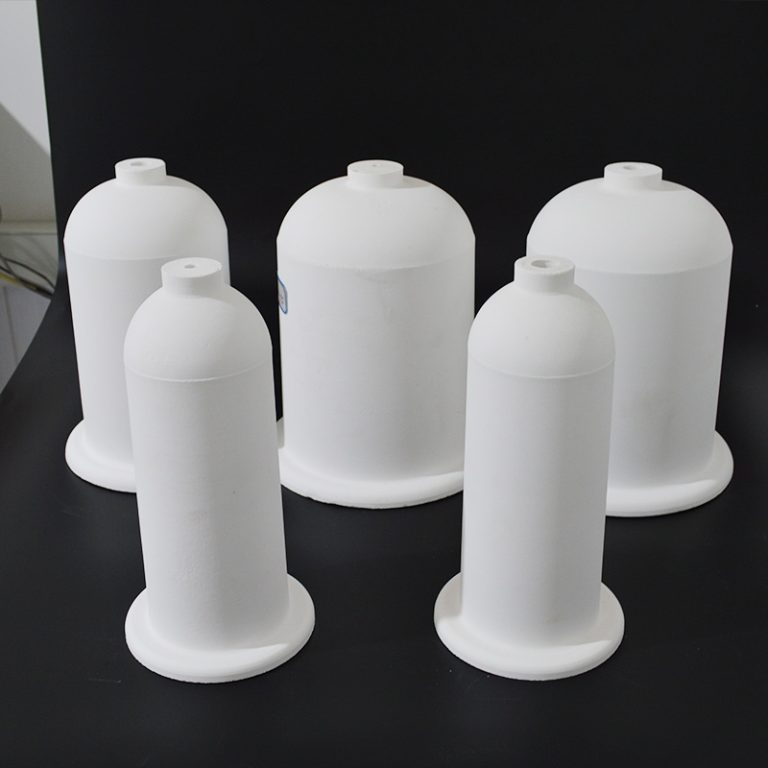
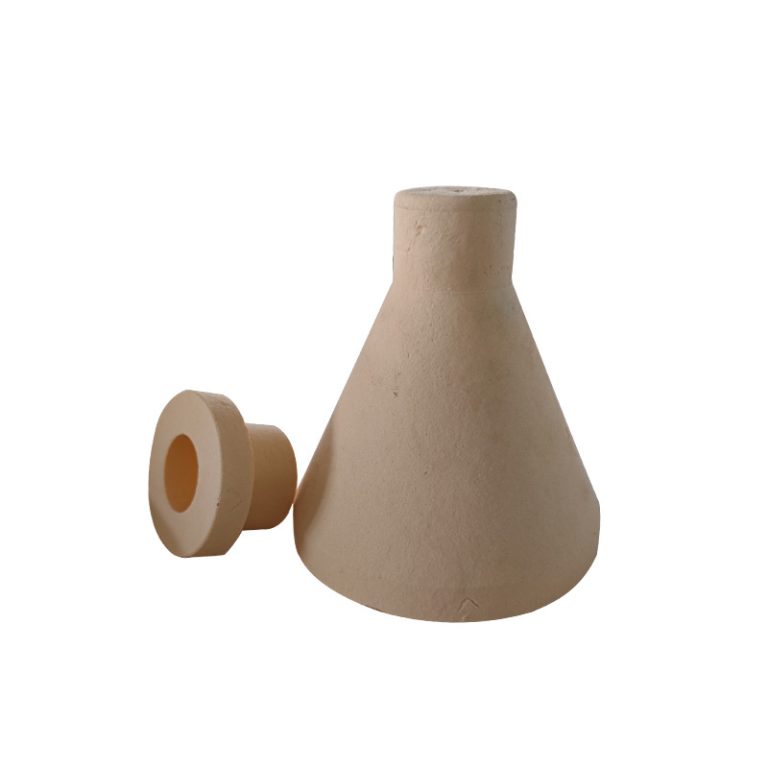
Fire Assay Crucibles
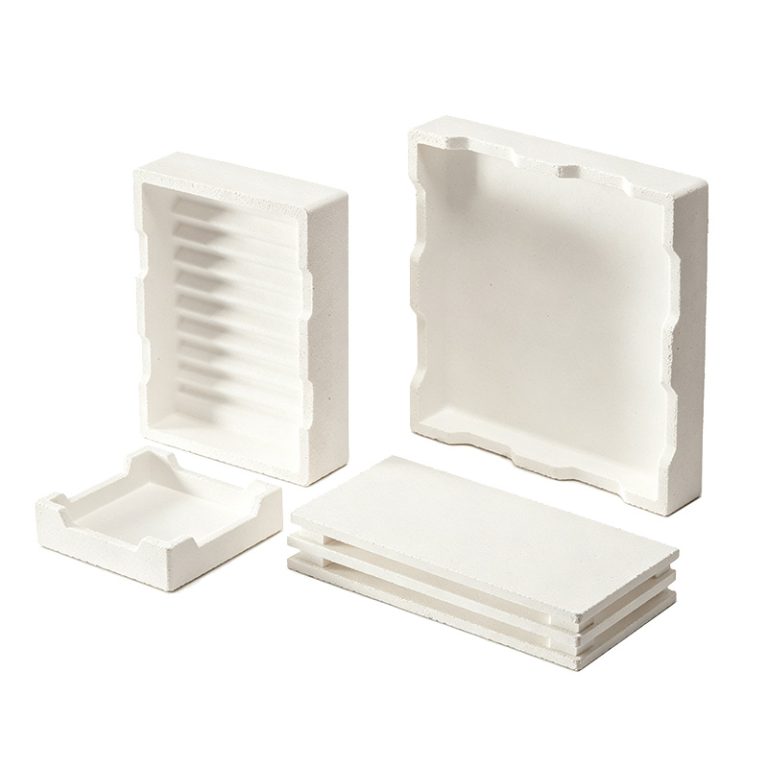
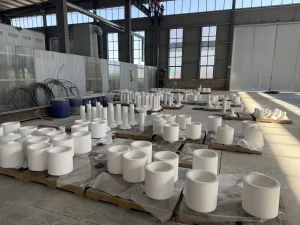
Fire assay crucibles are high-temperature refractory ceramic containers specifically designed for fire assay processes. They are primarily used for melting, oxidation, laghdú, and separation of precious metal samples such as gold, airgid, and platinum group metals under high-temperature conditions.
Fire assay clay crucibles are made from high-quality high-alumina clay and refractory materials, precision-molded and sintered at high temperatures. They possess excellent high-temperature resistance, thermal shock resistance, and chemical stability. They maintain good structural stability even in environments with strong fluxes such as borax, soda ash, and lead oxide, making them indispensable consumables in mineral testing, precious metal analysis, and metallurgical laboratories.
A complete range of specifications is available, supporting customization of different sizes, capacities, and formulations to meet the needs of laboratory analysis and batch testing.
Gnéithe Táirge
- High-quality refractory material with excellent high-temperature stability
Utilizing a high-alumina clay or refractory clay matrix, with appropriate amounts of quartz, feldspar, and other minerals as fluxes and reinforcing components, a dense ceramic structure is formed through high-temperature sintering. Recommended operating temperature is 1150-1300℃, with a maximum extreme temperature resistance of up to 1350℃ (depending on the formula and sintering density). It can be used continuously at around 1200℃ in gold and silver fire assay processes, and can withstand thermal shock from rapid temperature rises and falls.
- Strong thermal shock resistance and adaptability to cyclic processes
It can withstand frequent charging-heating-unloading cycles. The low coefficient of expansion reduces high-temperature deformation or cracking, maintaining structural integrity under multiple thermal cycles and extending crucible lifespan.
- Resistant to chemical corrosion and with good chemical stability
It exhibits good resistance to commonly used fluxes in fire assays, such as borates, carbonates, and lead oxide. The moderate porosity facilitates flux penetration reactions while maintaining crucible strength. It maintains good chemical stability even under high temperatures and strong oxidizing fluxes.
- Low background interference, reliable analytical results
The high-purity refractory material formulation ensures no interference from foreign impurities in fire assay analysis, resulting in accurate and reliable precious metal detection results.

Crucible — Instructions and Precautions
| 1. Preheating before use | The crucible can be preheated at a low temperature before use to reduce thermal shock |
| 2. Heating procedure | Avoid sudden temperature rise to full power; the high-temperature segment should be raised slowly to protect the crucible’s service life |
| 3. Cooling after use | Allow natural cooling after use; avoid rapid cooling to prevent cracking |
| 4. Regular inspection | When in long-term contact with highly corrosive fluxes, regularly check the crucible wall thickness and integrity |
Réimsí Iarratais
- Precious Metal Content Detection: Used for quantitative fire assay analysis of precious metals such as gold, airgid, platinum, and palladium. The ash dishes absorb lead and its oxides during the ash blowing step, enriching the precious metals on the surface; this is a key consumable for accurate fire assay analysis.
- Mining and Metallurgical Laboratories: Suitable for fire assay analysis of precious metal components in geological samples such as ores, concentrates, and tailings. The ash dishes are used in conjunction with fire assay clay crucibles to complete the entire analytical process of melting-ash blowing-weighing.
- Alloy Material Composition Analysis: Used for the detection and analysis of precious metal components in alloy materials, providing reliable data for material quality control.
- Research Institute Experiments: Suitable for high-temperature oxidation absorption experiments and fire assay analysis research in geology, miotalóireacht, materials science, and other related fields.
- Third-Party Testing Institutions: Suitable for various testing institutions conducting precious metal composition analysis services; the consistency and reliability of the ash dishes ensure the accuracy of the test results.
Próifíl na Cuideachta
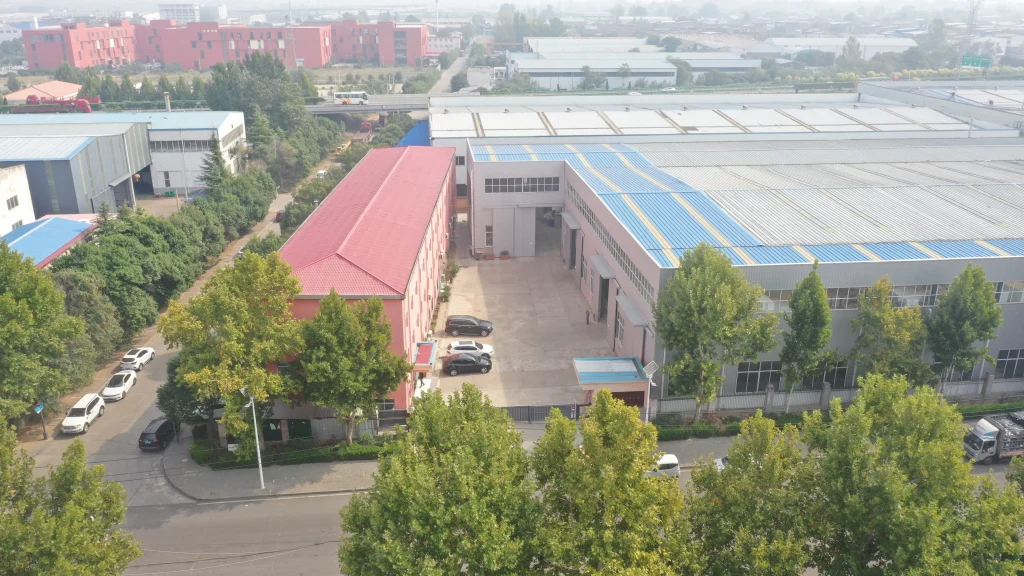
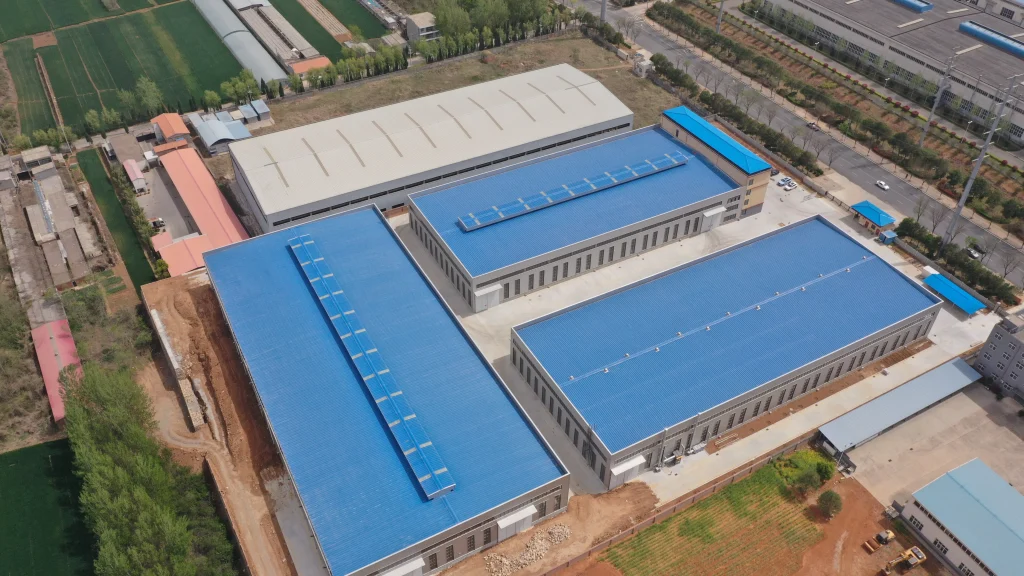
Is fiontar gairmiúil atá ag speisialú i seirbhísí teicneolaíochta cóireála teasa agus an R&D, déantúsaíocht, agus díolachán foirnéisí leictreacha ardteochta.
Díríonn an chuideachta ar fhoirnéisí leictreacha ardteochta a fhorbairt a chlúdaíonn raon teochta iomlán de -100 ℃ go 2600 ℃. Áirítear ar a chuid táirgí foirnéisí leictreacha turgnamhacha, foirnéisí atmaisféar bhfolús, áitheanna tionsclaíochta, agus trealamh téimh ionduchtaithe meánmhinicíochta. I measc na dtáirgí is mó tá foirnéisí bosca, foirnéisí feadán, foirnéisí ardaithe, áitheanna pusher, foirnéisí bogie, áitheanna rothlacha, áitheanna tolláin, agus foirnéisí meán-minicíochta speisialaithe éagsúla.
Cloíonn an chuideachta le nuálaíocht theicneolaíoch agus tá deimhnithe ISO9001 agus CE an AE faighte aici. Is leis 21 trádmharcanna cláraithe, 29 paitinní, agus 27 cóipchearta bogearraí.
Modhanna Íocaíochta
TT
Modhanna Loingsiú
Tá an foirnéis leictreach pacáistithe i dtrí shraith: fillte ar dtús i páipéar cúr, fillte ansin i scannán plaisteach, agus ar deireadh pacáilte i gcliathbhosca adhmaid.
Ceisteanna Coitianta (CCanna)
- What processes are fire assay crucibles mainly used in?
Fire assay crucibles are mainly used in the pyrometallurgical analysis of precious metals. Through high-temperature melting, the sample reacts fully with the flux to achieve the separation and enrichment of gold, airgid, and platinum group metals.
- What is the maximum temperature resistance of a fire assay crucible?
Depending on the material formulation, the recommended operating temperature for fire assay clay crucibles is 1150℃~1300℃, with a maximum resistance of approximately 1350℃.
- Can fire assay crucibles be reused?
Reuse is generally not recommended. Because the crucible is corroded by the high-temperature flux during use, reuse may affect its structural strength and the accuracy of the test results.
- What is the difference between a fire assay crucible and an ash dish?
Fire assay crucible: Used in the initial melting stage to ensure the ore sample, flux, and lead react fully to achieve precious metal enrichment.
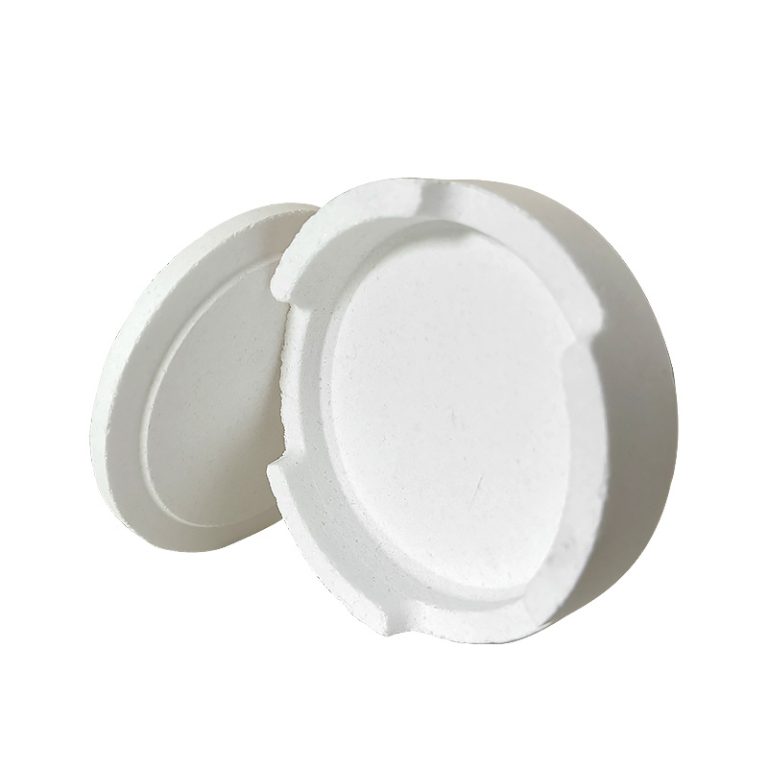
Ash dish (Cupel): Used in the subsequent ash blowing stage to absorb molten lead and PbO, leaving gold and silver particles as residue.
These two components are typically used together to complete the full fire assay analysis process.
- Do you support customization of different specifications?
Tá. Different capacities, sizes, wall thicknesses, and material formulations can be customized according to customer needs to meet the requirements of laboratory testing and industrial batch applications.