Luoyang Anjing Intelligence Equipment は高温電気炉の世界的リーダーです



High-Temperature Fire Assay Crucible for Gold and Silver Assaying

製品パラメータ
説明
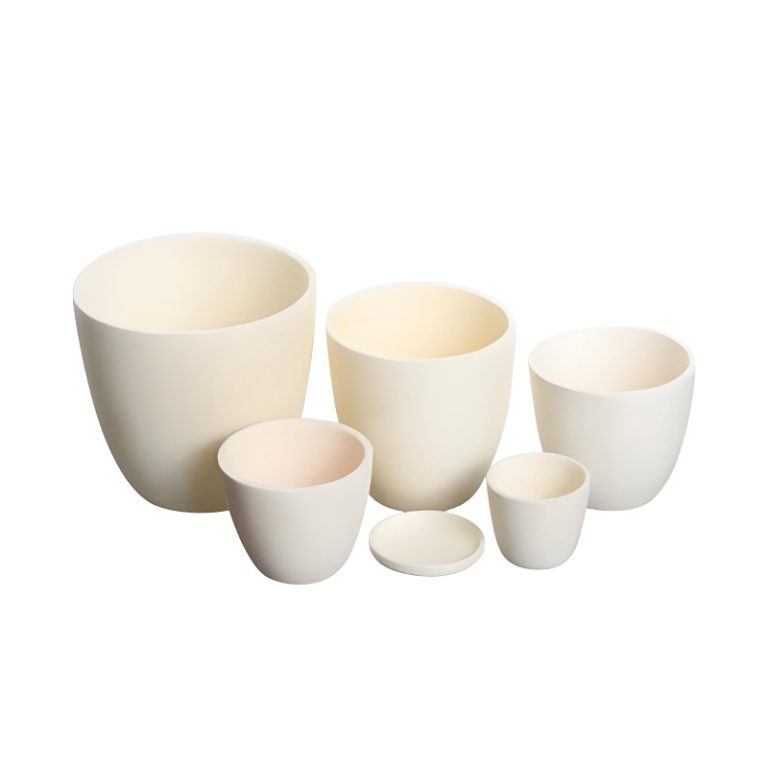
Fire Assay Crucibles
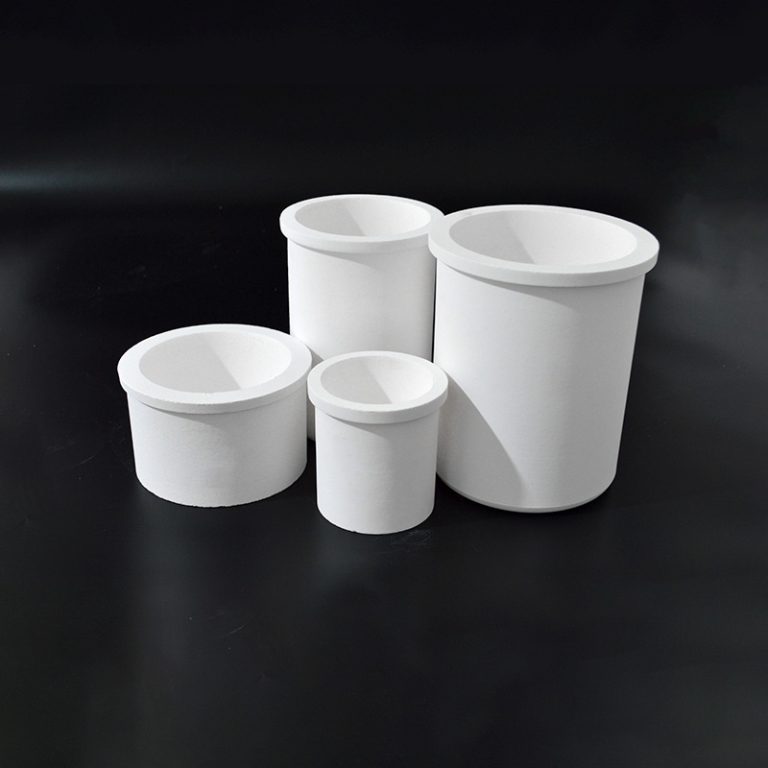
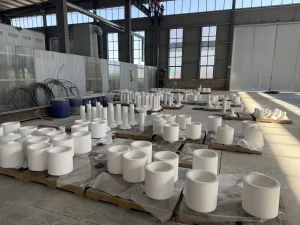
Fire assay crucibles are high-temperature refractory ceramic containers specifically designed for fire assay processes. They are primarily used for melting, oxidation, reduction, and separation of precious metal samples such as gold, 銀, and platinum group metals under high-temperature conditions.
Fire assay clay crucibles are made from high-quality high-alumina clay and refractory materials, precision-molded and sintered at high temperatures. They possess excellent high-temperature resistance, thermal shock resistance, and chemical stability. They maintain good structural stability even in environments with strong fluxes such as borax, soda ash, and lead oxide, making them indispensable consumables in mineral testing, precious metal analysis, and metallurgical laboratories.
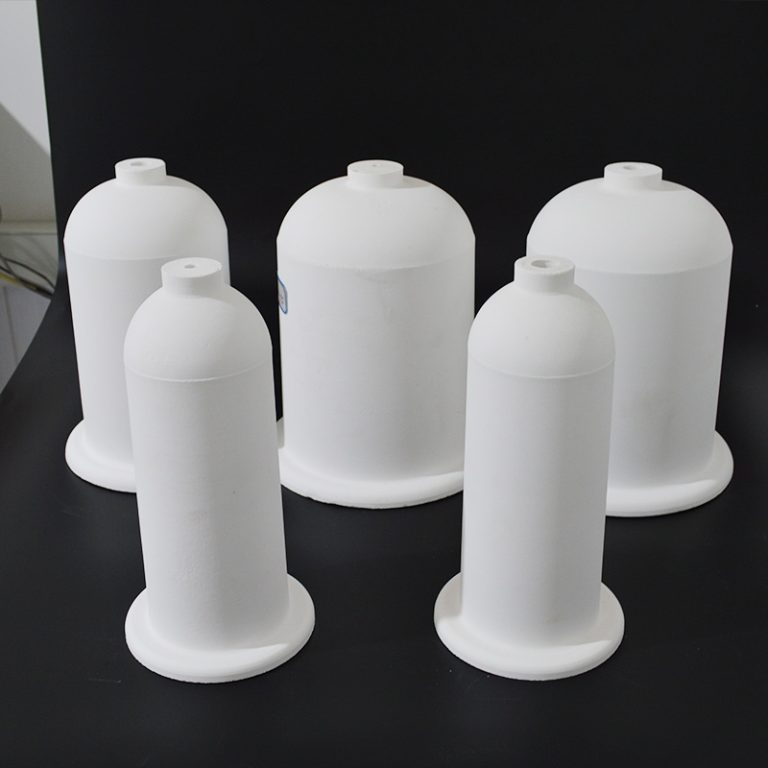
A complete range of specifications is available, supporting customization of different sizes, capacities, and formulations to meet the needs of laboratory analysis and batch testing.
製品の特徴
- High-quality refractory material with excellent high-temperature stability
Utilizing a high-alumina clay or refractory clay matrix, with appropriate amounts of quartz, feldspar, and other minerals as fluxes and reinforcing components, a dense ceramic structure is formed through high-temperature sintering. Recommended operating temperature is 1150-1300℃, with a maximum extreme temperature resistance of up to 1350℃ (depending on the formula and sintering density). It can be used continuously at around 1200℃ in gold and silver fire assay processes, and can withstand thermal shock from rapid temperature rises and falls.
- Strong thermal shock resistance and adaptability to cyclic processes
It can withstand frequent charging-heating-unloading cycles. The low coefficient of expansion reduces high-temperature deformation or cracking, maintaining structural integrity under multiple thermal cycles and extending crucible lifespan.
- Resistant to chemical corrosion and with good chemical stability
It exhibits good resistance to commonly used fluxes in fire assays, such as borates, carbonates, and lead oxide. The moderate porosity facilitates flux penetration reactions while maintaining crucible strength. It maintains good chemical stability even under high temperatures and strong oxidizing fluxes.
- Low background interference, reliable analytical results
The high-purity refractory material formulation ensures no interference from foreign impurities in fire assay analysis, resulting in accurate and reliable precious metal detection results.

Crucible — Instructions and Precautions
| 1. Preheating before use | The crucible can be preheated at a low temperature before use to reduce thermal shock |
| 2. Heating procedure | Avoid sudden temperature rise to full power; the high-temperature segment should be raised slowly to protect the crucible’s service life |
| 3. Cooling after use | Allow natural cooling after use; avoid rapid cooling to prevent cracking |
| 4. Regular inspection | When in long-term contact with highly corrosive fluxes, regularly check the crucible wall thickness and integrity |
応用分野
- Precious Metal Content Detection: Used for quantitative fire assay analysis of precious metals such as gold, 銀, 白金, and palladium. The ash dishes absorb lead and its oxides during the ash blowing step, enriching the precious metals on the surface; this is a key consumable for accurate fire assay analysis.
- Mining and Metallurgical Laboratories: Suitable for fire assay analysis of precious metal components in geological samples such as ores, 濃縮物, 尾鉱と尾鉱. The ash dishes are used in conjunction with fire assay clay crucibles to complete the entire analytical process of melting-ash blowing-weighing.
- Alloy Material Composition Analysis: Used for the detection and analysis of precious metal components in alloy materials, providing reliable data for material quality control.
- Research Institute Experiments: Suitable for high-temperature oxidation absorption experiments and fire assay analysis research in geology, 冶金, materials science, and other related fields.
- Third-Party Testing Institutions: Suitable for various testing institutions conducting precious metal composition analysis services; the consistency and reliability of the ash dishes ensure the accuracy of the test results.
会社概要
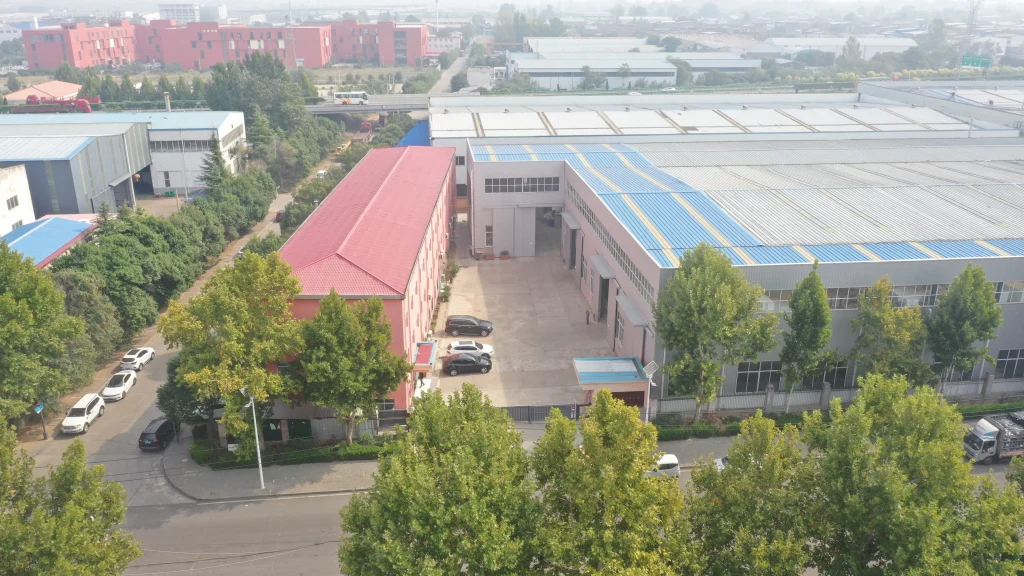
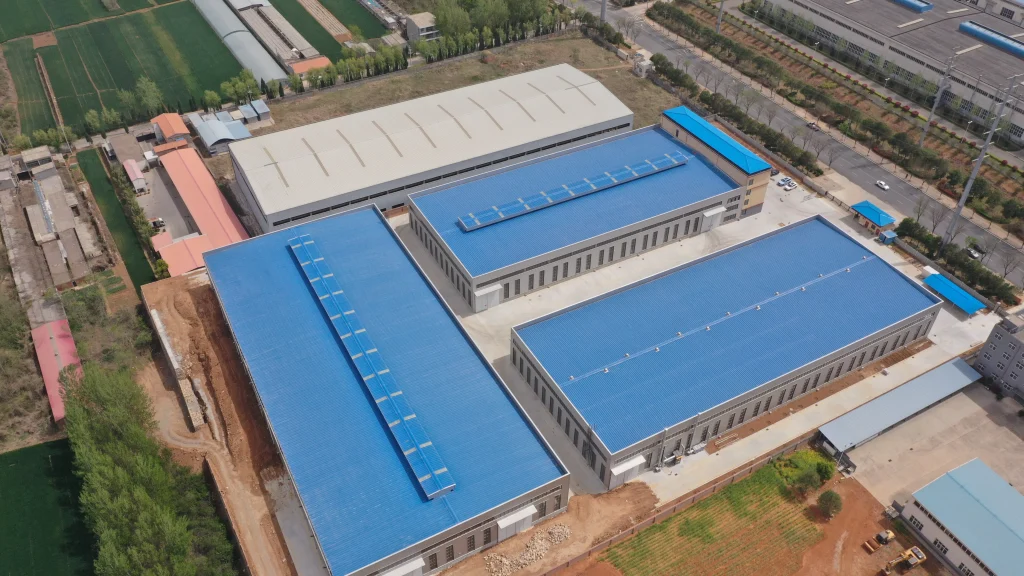
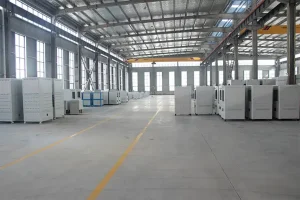
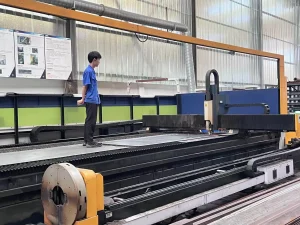
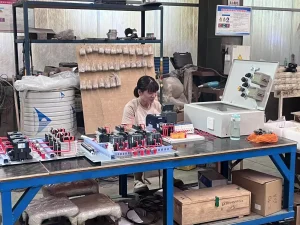
熱処理技術サービスとRを専門とする専門企業&D, 製造業, 高温電気炉の販売.
同社は-100℃から2600℃までの全温度範囲をカバーする高温電気炉の開発に注力しています。. 実験用電気炉などの製品を展開, 真空雰囲気炉, 工業用窯, 中周波誘導加熱装置. 主な製品にはボックス炉などがあります。, 管状炉, 昇降炉, プッシャーキルン, 台車炉, ロータリーキルン, トンネル窯, 各種専用中周波炉.
同社は技術革新を堅持しており、ISO9001およびEU CE認証を取得しています。. それは所有しています 21 登録商標, 29 特許, そして 27 ソフトウェアの著作権.
お支払い方法
TT
発送方法
電気炉は3層でパッケージ化されています: まずは発泡紙で包みます, その後プラスチックフィルムで包みます, そして最後に木箱に詰めていきます.
よくある質問 (よくある質問)
- What processes are fire assay crucibles mainly used in?
Fire assay crucibles are mainly used in the pyrometallurgical analysis of precious metals. Through high-temperature melting, the sample reacts fully with the flux to achieve the separation and enrichment of gold, 銀, and platinum group metals.
- What is the maximum temperature resistance of a fire assay crucible?
Depending on the material formulation, the recommended operating temperature for fire assay clay crucibles is 1150℃~1300℃, with a maximum resistance of approximately 1350℃.
- Can fire assay crucibles be reused?
Reuse is generally not recommended. Because the crucible is corroded by the high-temperature flux during use, reuse may affect its structural strength and the accuracy of the test results.
- What is the difference between a fire assay crucible and an ash dish?
Fire assay crucible: Used in the initial melting stage to ensure the ore sample, flux, and lead react fully to achieve precious metal enrichment.
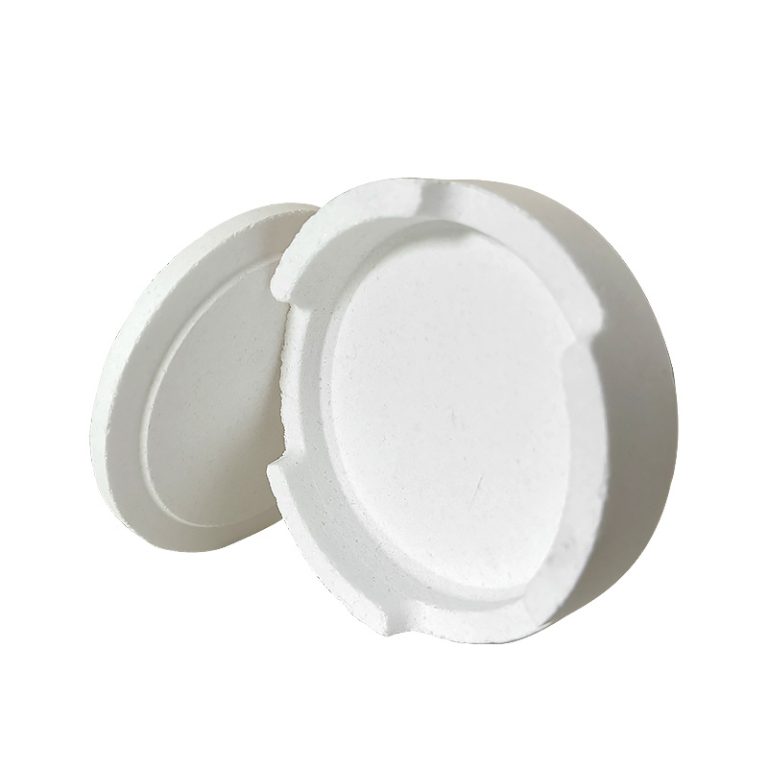
Ash dish (Cupel): Used in the subsequent ash blowing stage to absorb molten lead and PbO, leaving gold and silver particles as residue.
These two components are typically used together to complete the full fire assay analysis process.
- Do you support customization of different specifications?
はい. Different capacities, sizes, wall thicknesses, and material formulations can be customized according to customer needs to meet the requirements of laboratory testing and industrial batch applications.