


Luoyang Anjing Intelligence Equipment は高温電気炉の世界的リーダーです



耐火物・断熱材
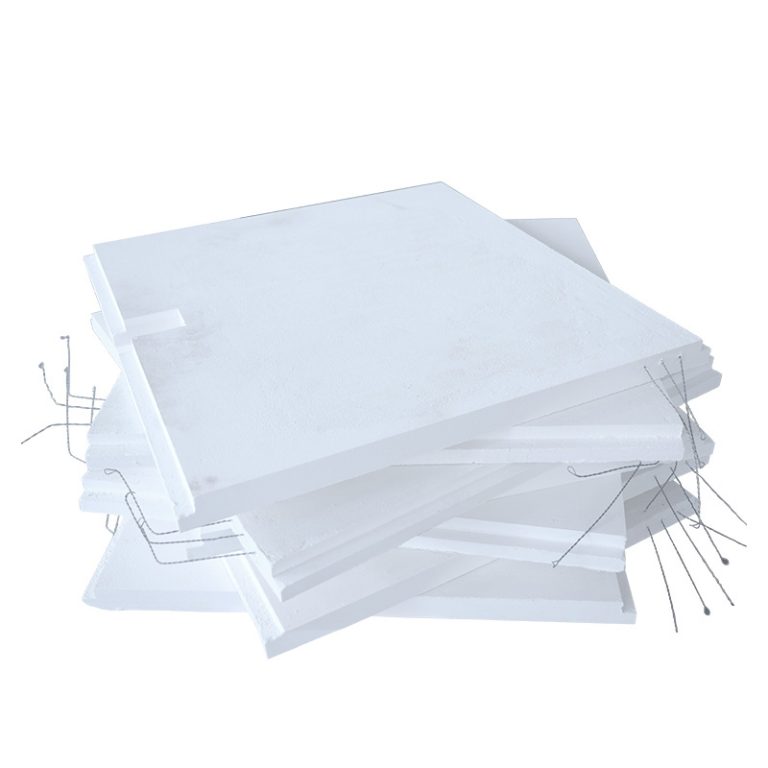
SOFC Fuel Cell Start-Up Preheating Furnace and Heating Module
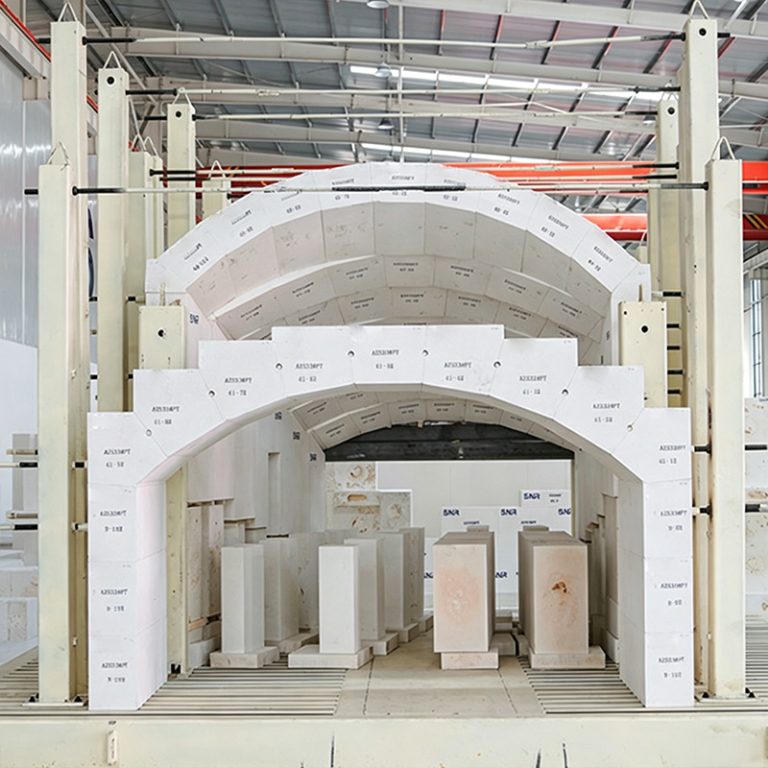
Zirconium Corundum Refractory Bricks
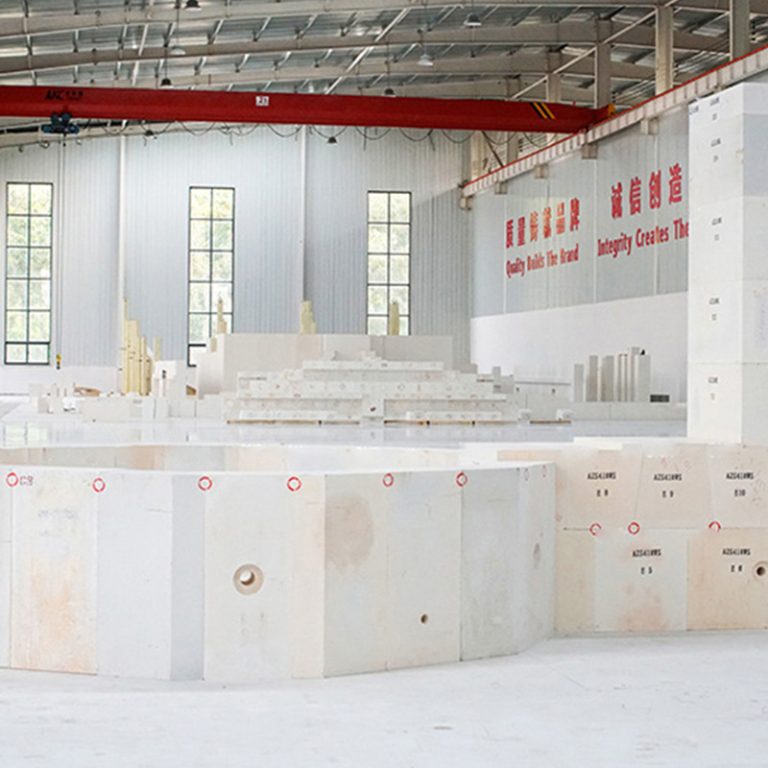
溶融ジルコニアコランダムレンガ
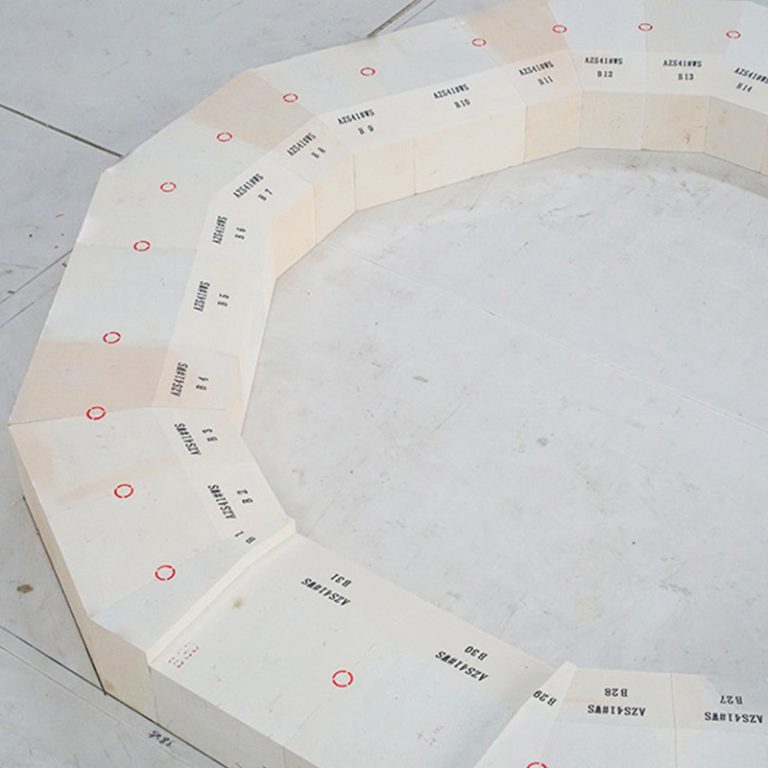
41 ジルコニウムコランダムレンガ
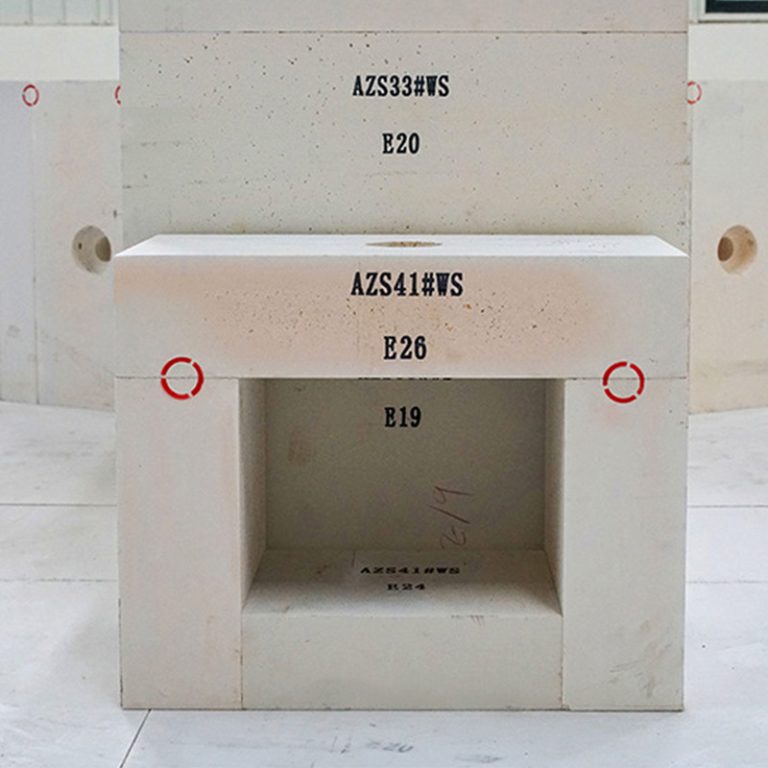
Zirconium Corundum Bricks
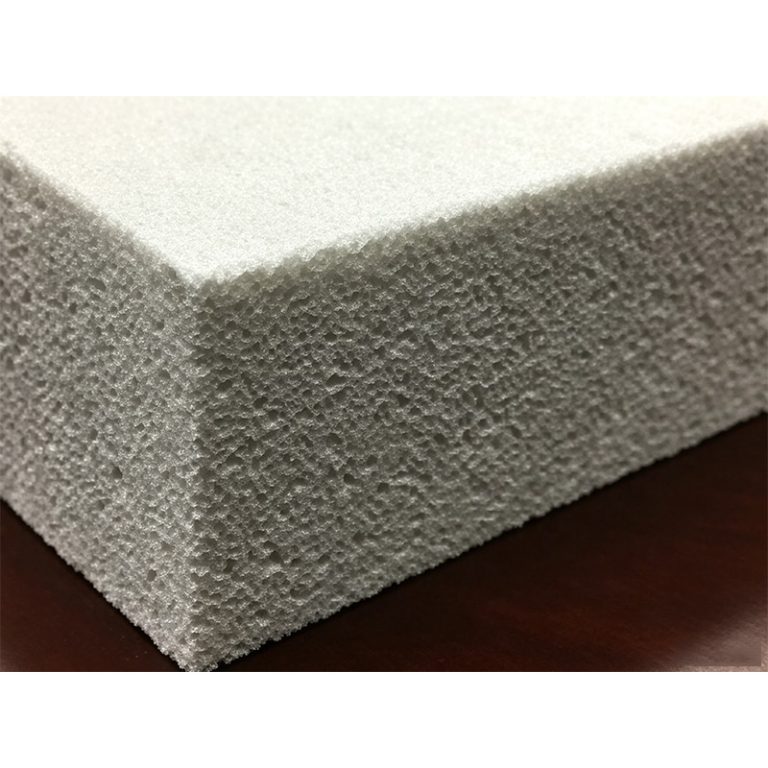
1800 Type Microporous Foam Ceramic Material
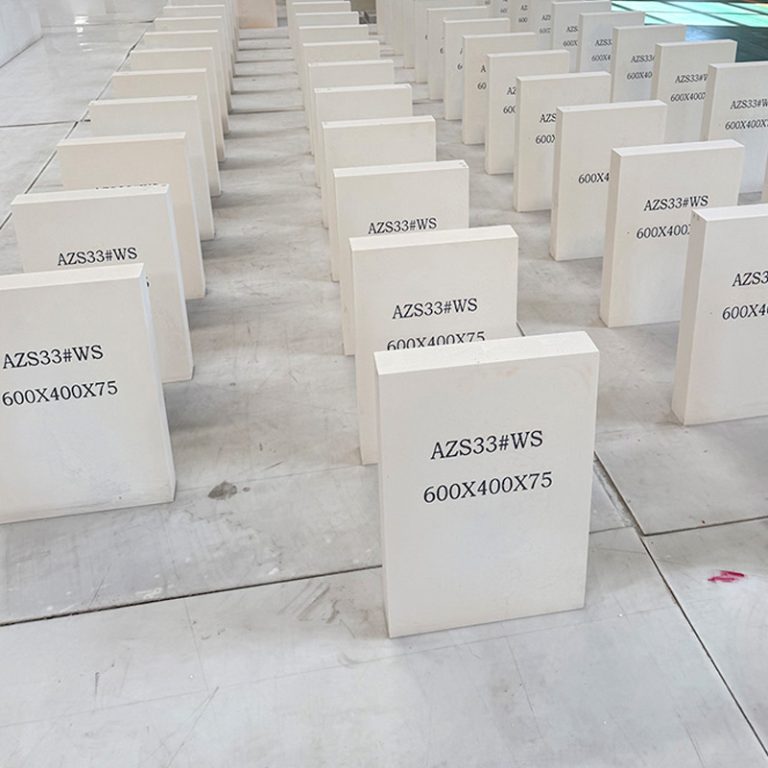
いいえ. 41 ジルコニウムコランダム
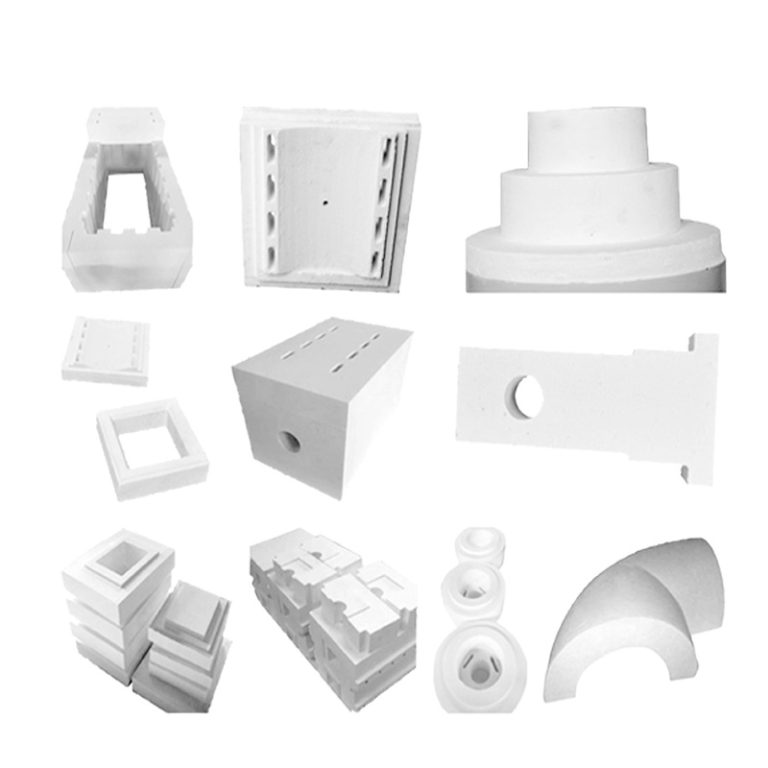
TY High Temperature Ceramic Fiber Shaped Parts
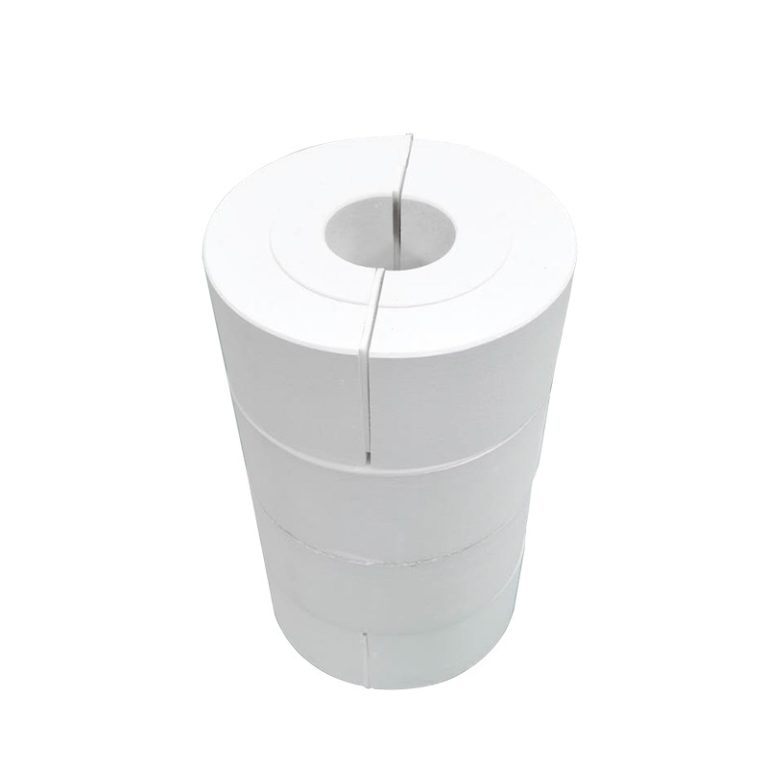
Furnace For TOC Analyzer
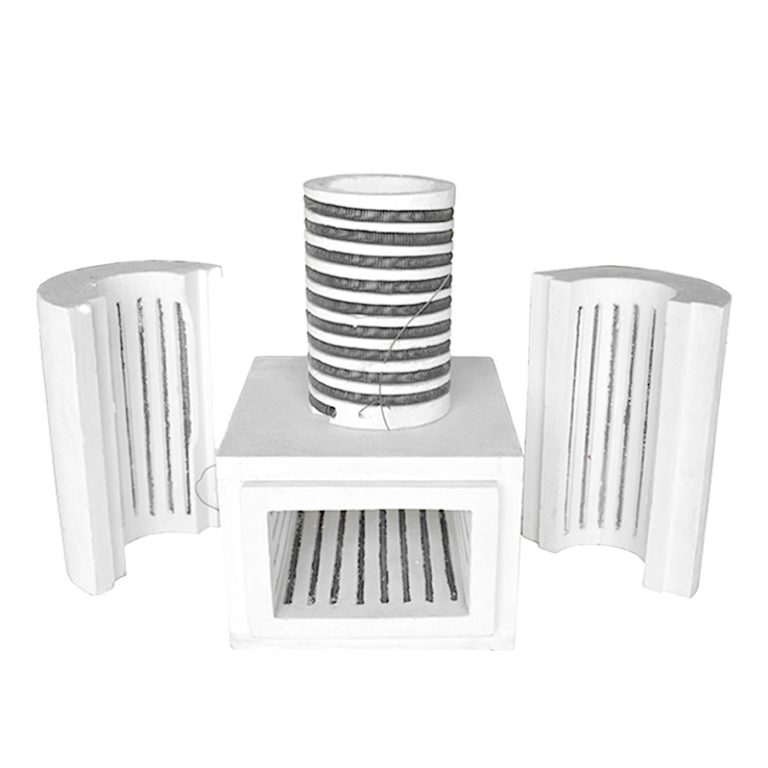
Electric Ceramic Fiber Furnace
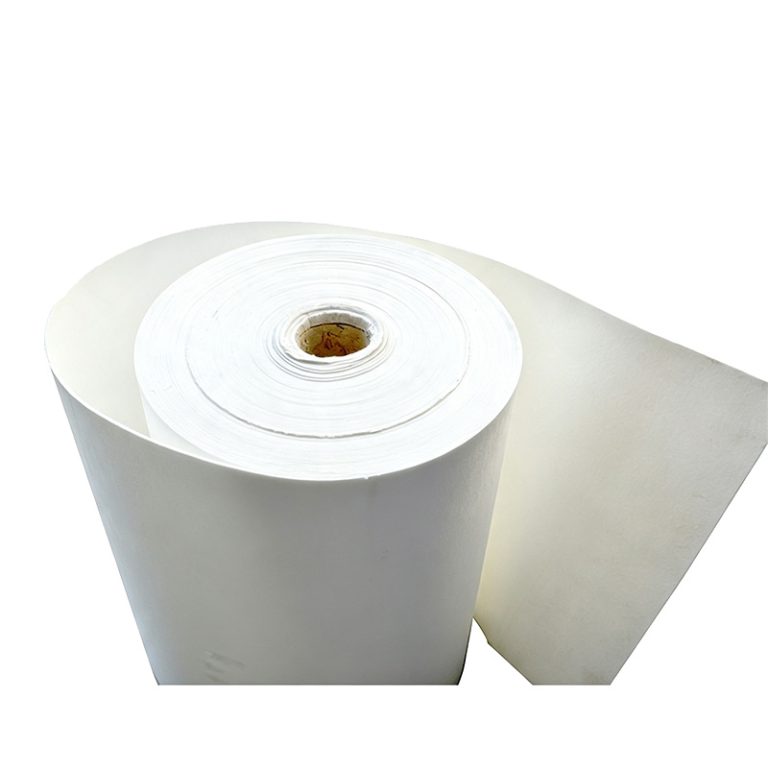
Z High Temperature Ceramic Fiber Paper
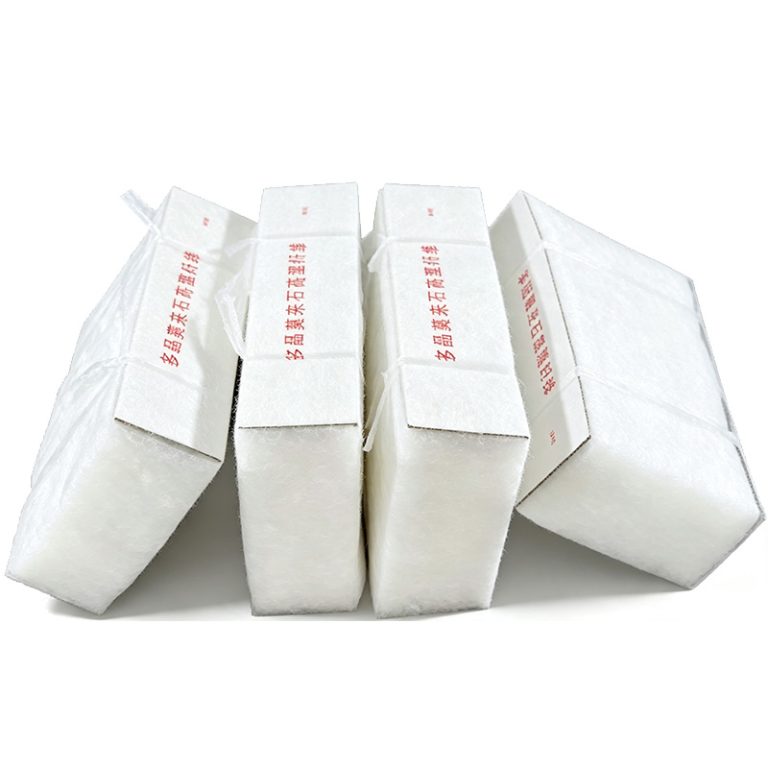
FT High-Temperature Ceramic Fiber Veneer Blocks
Refractory and Heat Insulation Materials
Refractory and heat insulation materials are key basic materials in various industrial furnace and kiln systems, widely used in the furnace lining structure and thermal management system of high-temperature equipment. These materials, based on ceramic fibers and high-purity refractory raw materials, possess excellent high-temperature resistance, heat insulation properties, and chemical stability.
By rationally selecting high-performance ceramic fibers and refractory materials, energy consumption can be effectively reduced, furnace temperature uniformity improved, and equipment service life extended. They are an indispensable component of industrial heat treatment and high-temperature processes.
Refractory And Heat Insulation Materials Product Features
- Excellent High-Temperature Resistance
Sustainable for long-term stable use in high-temperature environments, suitable for various industrial furnaces and kilns.
- High-Efficiency Thermal Insulation and Energy Saving
Low thermal conductivity effectively reduces heat loss and improves equipment energy efficiency.
- Lightweight Structural Design
Lightweight materials reduce furnace load and improve overall equipment performance.
- Strong Thermal Shock Resistance
Able to adapt to rapid heating and cooling conditions, less prone to cracking or damage.
- Good Chemical Stability
Resistant to acid and alkali corrosion, and does not easily react with the materials being treated.
- Multiple Material Options
Including ceramic fiber wool, fiberboard, 耐火レンガ, polycrystalline fibers, etc., to meet different temperature and process requirements.
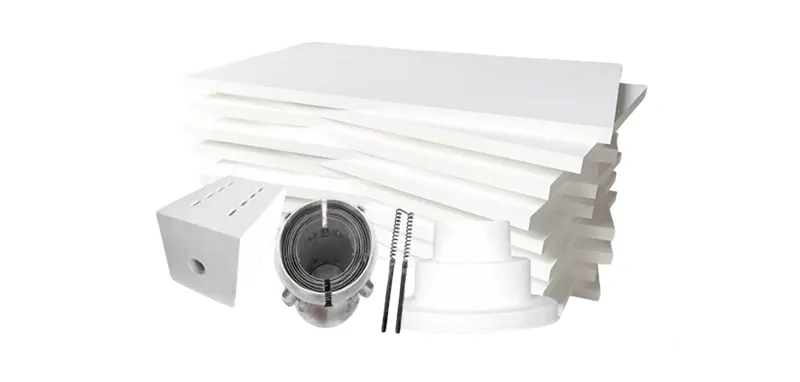
| 繊維板 | Lightweight, 熱伝導率が低い, easy to cut, good insulation |
| High Purity Corundum Powder | High refractoriness, good chemical stability, high purity (Al₂O₃≥99%) |
| High Purity Quartz Powder | High purity (SiO₂≥99.9%), low thermal expansion, good insulation |
| High Purity Silica Fume | Ultra-fine particle size, high reactivity, improves refractory strength |
| Fiber Blanket | Lightweight, high temperature resistance, easy installation, good insulation |
| Fiber Wool | Good filling ability, 熱伝導率が低い, suitable for complex gaps |
| High Temperature Repair Material | Strong plasticity, good adhesion, no shrinkage at high temperatures |
| Heating Module | Integrated design, quick installation, 急速加熱, good temperature uniformity |
| Lightweight Refractory Brick | Low density, 熱伝導率が低い, energy saving |
| Special-shaped Parts | Customizable, complex shapes, precise dimensions |
| Ceramic Fiber Furnace Chamber | Lightweight, low heat storage, 急速加熱, energy saving |
| Nano Spray Coating | Ultra-fine nano structure, excellent insulation, thin coating, strong adhesion |
| Ceramic Fiber Paper | Thin thickness, good flexibility, high temperature resistance, good electrical insulation |
| Ceramic Fiber Sticking Block | Simple installation, convenient repair, resistant to gas erosion |
| Ceramic Fiber Folded Block | High installation density, reliable anchoring, suitable for furnace roofs and walls |
| Ball Mill | Material crushing and mixing, adjustable fineness |
Refractory And Heat Insulation Materials Application Areas
- Industrial Electric Furnace Linings: Suitable for the insulation layer of various industrial electric furnaces such as box furnaces, bogie hearth furnaces, pit furnaces, 管状炉, and rotary furnaces, replacing traditional refractory bricks with significant energy-saving effects.
- Laboratory Electric Furnaces: Suitable for the lining material of small electric furnaces in university and research institute laboratories, offering rapid heating and cooling, ideal for experimental conditions requiring frequent furnace door opening and closing.
- High-Temperature Kilns: Suitable for the insulation layer and hot face lining of high-temperature kilns such as ceramic kilns, lithium battery material sintering kilns, プッシャーキルン, and roller kilns.
- 熱処理装置: Suitable for the insulation of furnace linings in metal heat treatment equipment such as quenching furnaces, tempering furnaces, and annealing furnaces, reducing heat loss and improving thermal efficiency.
- High-Temperature Testing Equipment: Suitable for the insulation of high-temperature test chambers, thermal shock testing equipment, and high-temperature material testing equipment.
- Old Furnace Retrofitting: Suitable for energy-saving retrofitting of traditional refractory brick linings, replacing them with fiberboard linings can reduce energy consumption by 20%-40%.
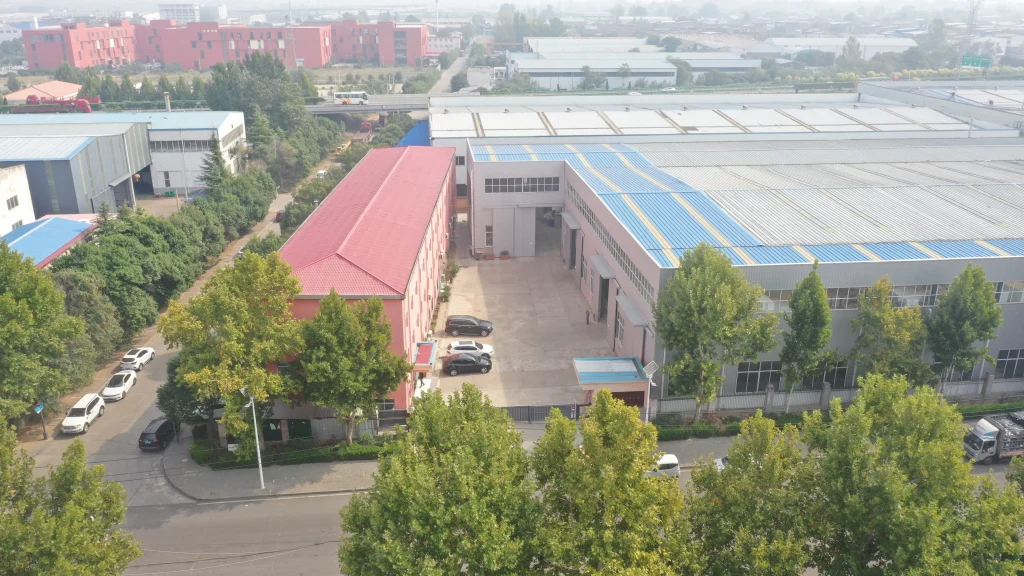
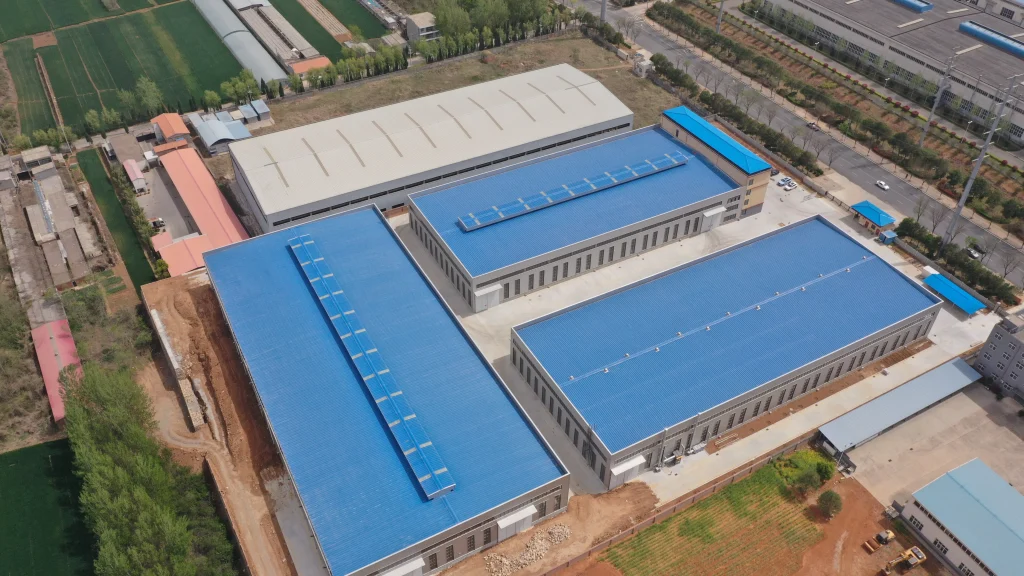
会社概要
熱処理技術サービスとRを専門とする専門企業&D, 製造業, 高温電気炉の販売.
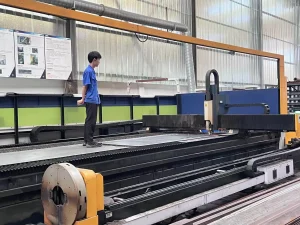
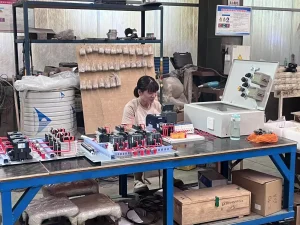
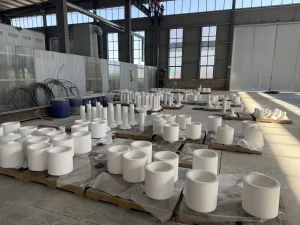
同社は-100℃から2600℃までの全温度範囲をカバーする高温電気炉の開発に注力しています。. 実験用電気炉などの製品を展開, 真空雰囲気炉, 工業用窯, 中周波誘導加熱装置. 主な製品にはボックス炉などがあります。, 管状炉, 昇降炉, プッシャーキルン, 台車炉, ロータリーキルン, トンネル窯, 各種専用中周波炉.
同社は技術革新を堅持しており、ISO9001およびEU CE認証を取得しています。. それは所有しています 21 登録商標, 29 特許, そして 27 ソフトウェアの著作権.
お支払い方法
TT
発送方法
The electric bottom-loading furnace is packaged in three layers: まずは発泡紙で包みます, その後プラスチックフィルムで包みます, そして最後に木箱に詰めていきます
よくある質問 (よくある質問)
- What are refractory insulation materials?
They are materials used in high-temperature equipment to withstand high temperatures and reduce heat loss, forming an important component of the furnace structure.
- What are the main materials?
Ceramic fiberboard, alumina fiber, 耐火レンガ, mullite bricks, corundum bricks, 等.
- What is the difference between ceramic fiber and refractory bricks?
Ceramic fiber: lightweight, good insulation, rapid heating; 耐火レンガ: high strength, erosion resistance, long service life.
- Can it withstand rapid heating and cooling?
Ceramic fiber can, with good resistance to rapid heating and cooling.
- How to select materials?
Select corundum or alumina materials for high-temperature zones, and ceramic fiber for insulation layers, depending on the process temperature.