Luoyang Anjing Intelligence Equipment è un leader globale nei forni elettrici ad alta temperatura



Crogiolo professionale per test al fuoco per test e analisi dell'oro in laboratorio


PARAMETRI DEL PRODOTTO
Descrizione
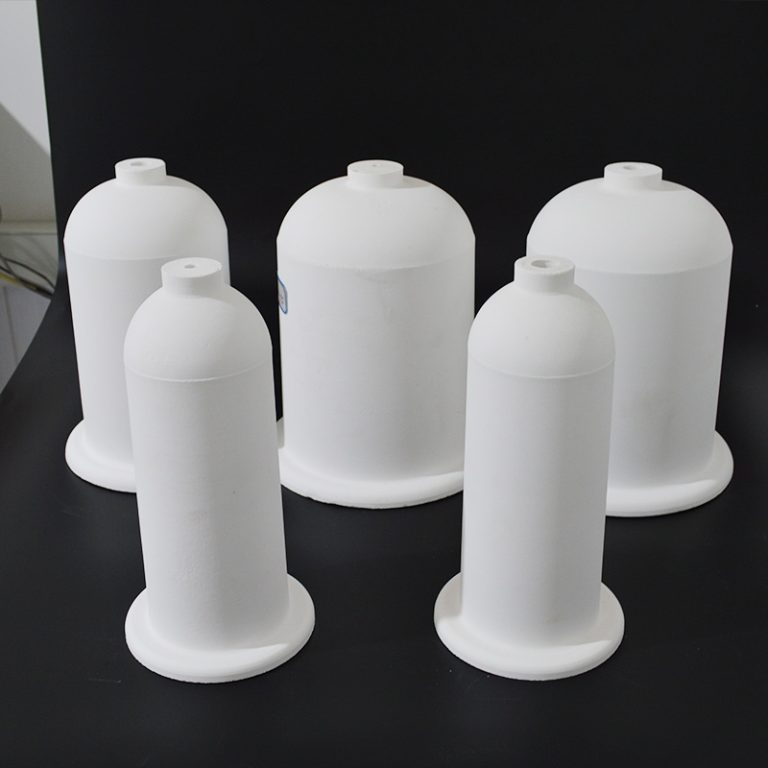
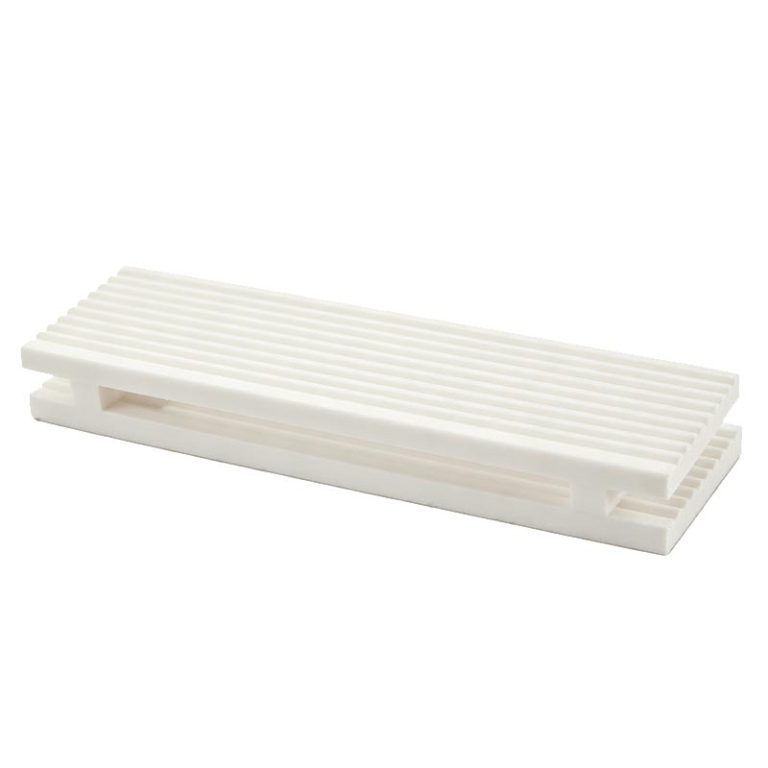
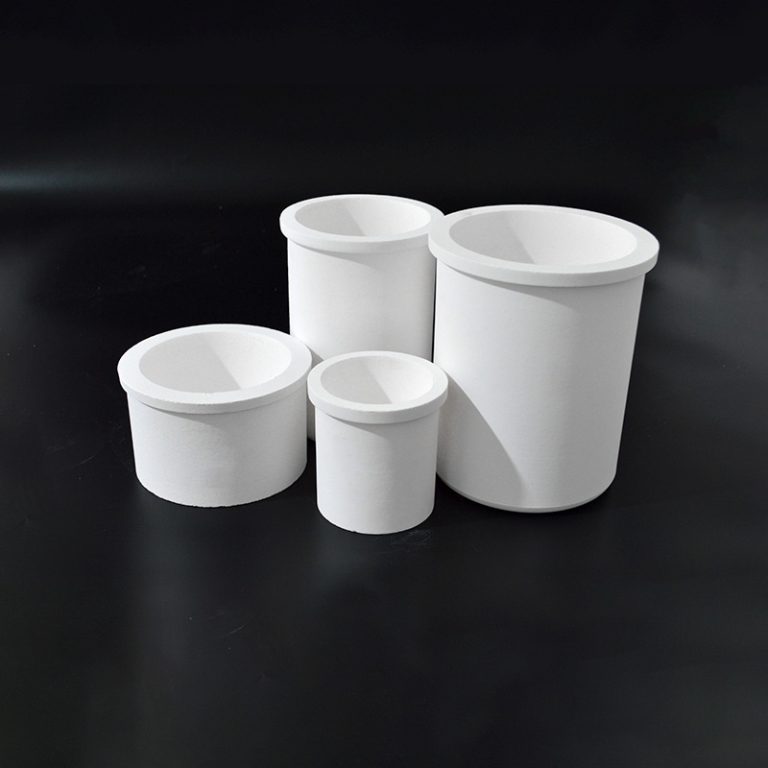
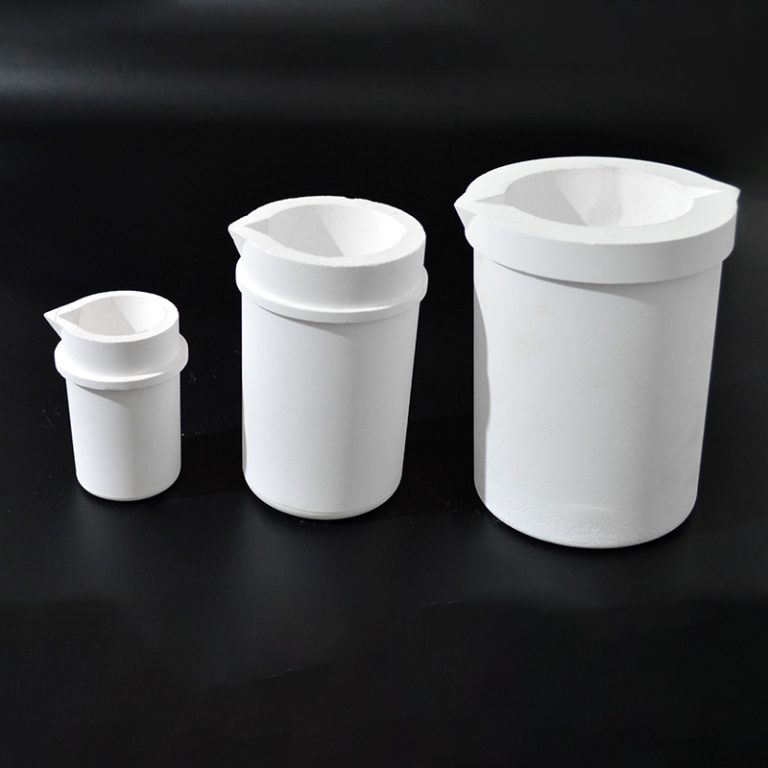
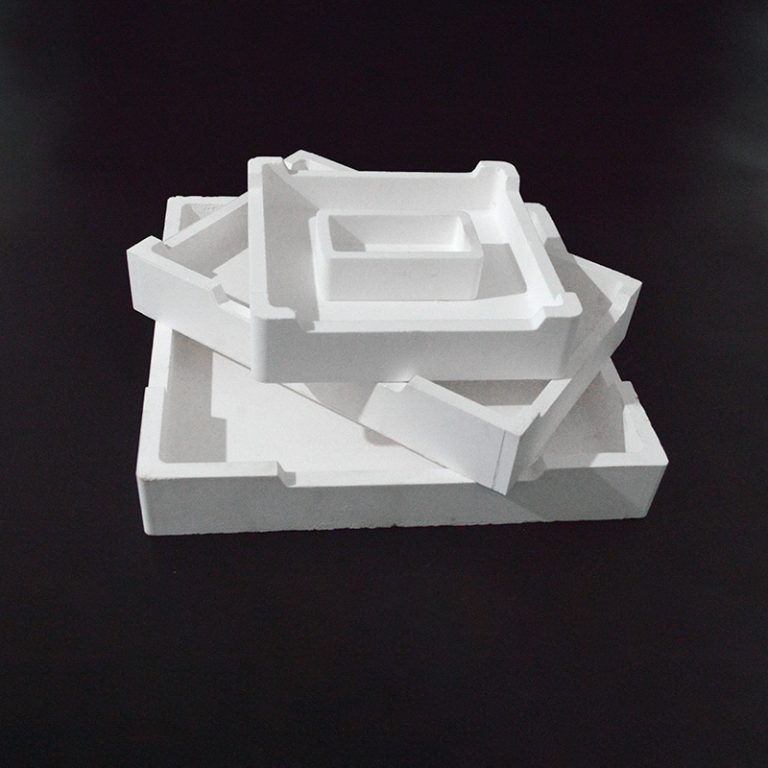
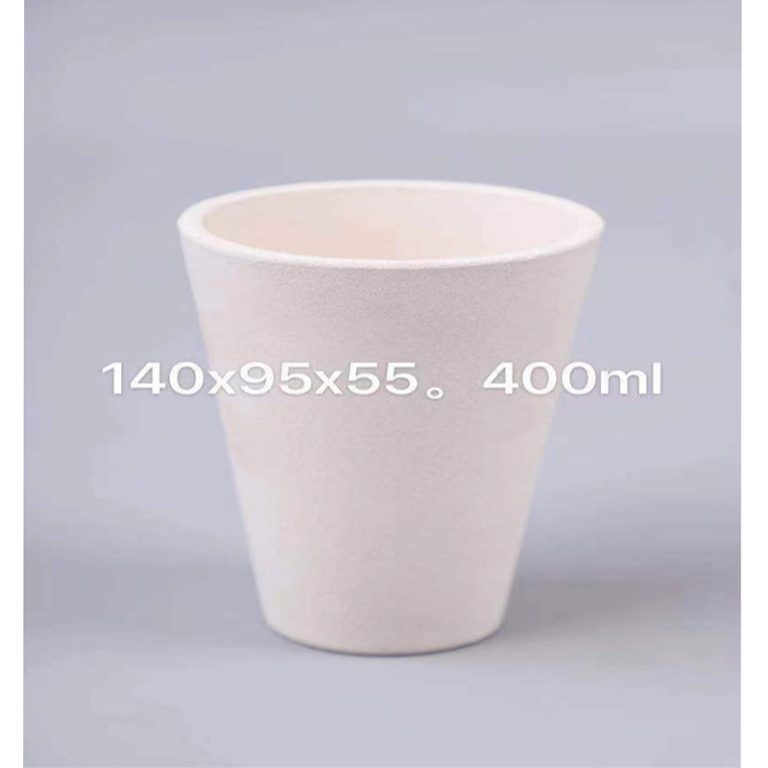
Fire Assay Cupel and Crucible
Fire assay ash dishes are refractory consumables used in the fire assay process for precious metal analysis, primarily in the ash blowing stage. They adsorb molten lead and lead oxide, allowing gold and silver to accumulate on the surface of the ash dish for easy subsequent weighing or content determination.They are generally used in conjunction with fire assay clay crucibles. They offer excellent lead adsorption under high-temperature oxidation conditions, are heat-resistant, and chemically stable, making them a common consumable in ore analysis, precious metal testing, e laboratori metallurgici.
Caratteristiche del prodotto
- High-Quality Materials, High Absorption Performance
Made primarily from bone ash or magnesium oxide (MgO), these dishes are pressed and sintered. Bone ash dishes possess excellent absorption performance; magnesium oxide dishes have a more stable structure and higher mechanical strength, suitable for batch production analysis. High chemical purity ensures extremely low background interference from precious metals in fire assay analysis.
- Porous Structure, Uniform Absorption Rate
The highly absorbent porous structure with uniform pore distribution ensures consistent absorption rates. It can rapidly absorb large amounts of PbO (lead oxide), leaving precious metals on the surface of the dish to form gold and silver particles, without causing the pores to crack due to excessive absorption.
- Good Refractoriness, High-Temperature Structural Stability
Recommended operating temperature: 900-1050℃, typical process temperature: around 950℃ (slight variations depending on lead content and furnace type). It can withstand prolonged operation under high-temperature oxidation conditions without softening or collapsing, ensuring the complete ash blowing process.
- Strong affinity for oxygen, resulting in high separation efficiency
It possesses excellent affinity for oxygen, promoting the oxidation reaction of lead and improving the separation efficiency between precious metals and lead. After lead is oxidized to PbO, it is absorbed by the ash dish, while gold and silver remain in the center of the dish, forming metal particles that can be used for subsequent weighing and composition analysis.

| 1. Pre-use treatment | The cupel should be dried or preheated at low temperature before use to avoid cracking due to moisture. |
| 2. Procedura di riscaldamento | After loading lead-containing particles, slowly raise the temperature according to the process curve to the cupellation temperature. |
| 3. Process phenomenon | After the cupel absorbs lead, a distinct “white core” or “halo” will appear, which is a normal phenomenon. |
| 4. Result determination | After absorption is complete, gold and silver particles will remain in the center of the cupel and can be used for subsequent evaluation. |
| 5. Reuse | The cupel is not reusable and should be replaced according to the experimental procedure. |
Aree di applicazione
- Rilevamento del contenuto di metalli preziosi: Utilizzato per l'analisi quantitativa del test al fuoco di metalli preziosi come l'oro, argento, platino, e palladio. I piatti cenere assorbono il piombo e i suoi ossidi durante la fase di soffiaggio della cenere, arricchendo i metalli preziosi in superficie; si tratta di un materiale di consumo fondamentale per un'analisi accurata del test del fuoco.
- Laboratori minerari e metallurgici: Adatto per l'analisi del fuoco di componenti di metalli preziosi in campioni geologici come i minerali, concentra, e sterili. I contenitori per la cenere vengono utilizzati insieme ai crogioli di argilla per la prova del fuoco per completare l'intero processo analitico di fusione, soffiaggio e pesatura della cenere..
- Analisi della composizione del materiale in lega: Utilizzato per il rilevamento e l'analisi di componenti di metalli preziosi nei materiali in lega, fornire dati affidabili per il controllo della qualità dei materiali.
- Esperimenti dell'istituto di ricerca: Adatto per esperimenti di assorbimento dell'ossidazione ad alta temperatura e ricerca di analisi di analisi del fuoco in geologia, metallurgia, scienza dei materiali, e altri campi correlati.
- Istituti di test di terze parti: Adatto a vari istituti di prova che effettuano servizi di analisi della composizione dei metalli preziosi; la consistenza e l'affidabilità dei piatti di cenere garantiscono l'accuratezza dei risultati del test.
Profilo Aziendale
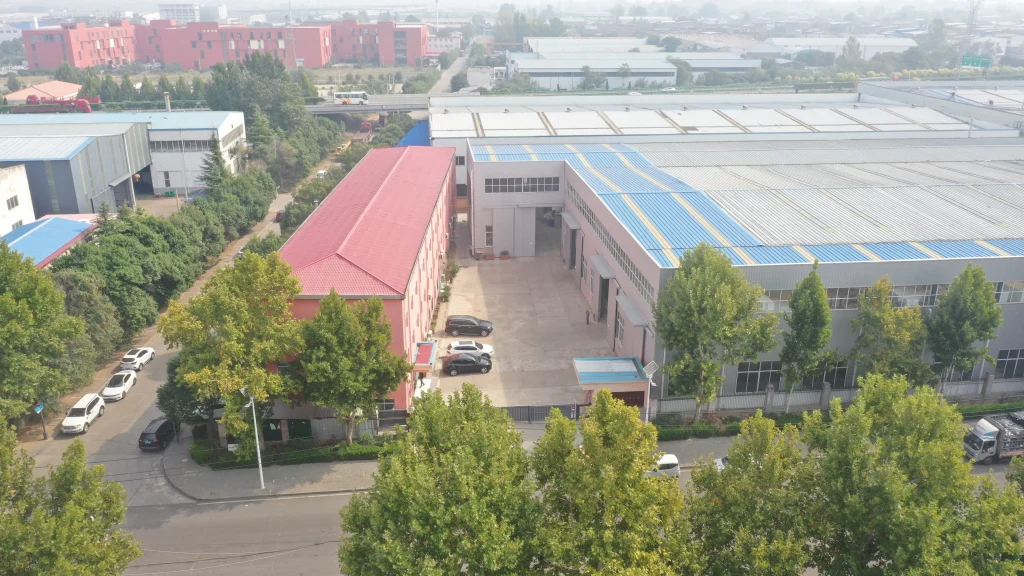
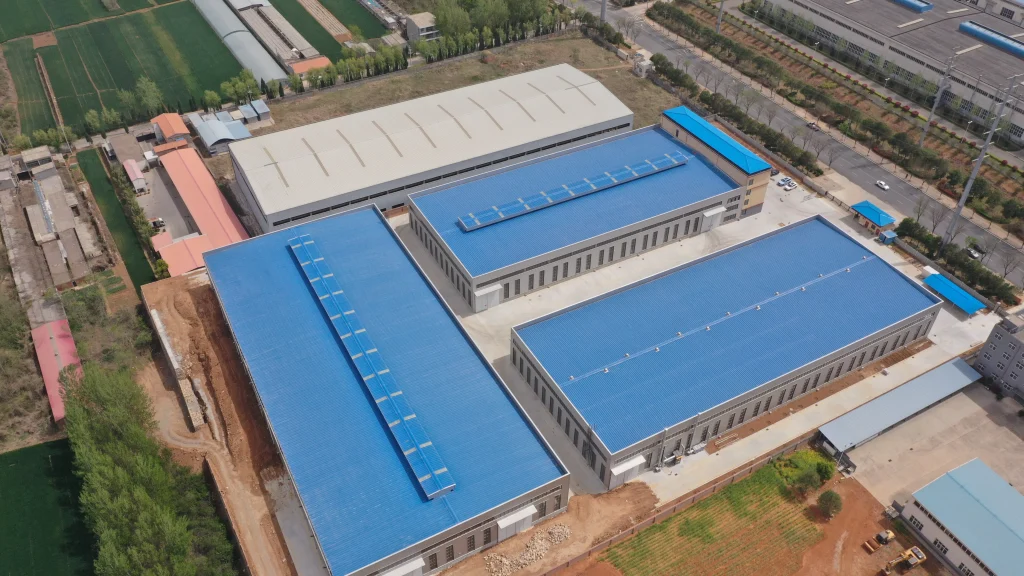
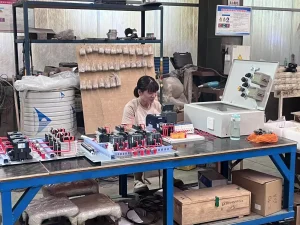
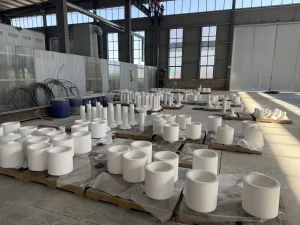
Un'impresa professionale specializzata in servizi tecnologici di trattamento termico e il marchio R&D, produzione, e vendita di forni elettrici ad alta temperatura.
L'azienda si concentra sullo sviluppo di forni elettrici ad alta temperatura che coprono un intervallo di temperature compreso tra -100 ℃ e 2600 ℃. I suoi prodotti includono forni elettrici sperimentali, forni in atmosfera sottovuoto, forni industriali, e apparecchiature di riscaldamento a induzione a media frequenza. I prodotti principali includono forni a scatola, forni tubolari, forni di sollevamento, forni a spinta, forni a carrelli, forni rotanti, forni a tunnel, e vari forni specializzati a media frequenza.
L'azienda aderisce all'innovazione tecnologica e ha superato le certificazioni ISO9001 e EU CE. Possiede 21 marchi registrati, 29 brevetti, E 27 diritti d'autore sul software.
Metodi di pagamento
TT
Metodi di spedizione
Il forno elettrico è confezionato in tre strati: prima avvolto in carta schiuma, poi avvolto in pellicola di plastica, e infine imballato in una cassa di legno.
Domande frequenti (Domande frequenti)
- What is the main function of fire assay ash dishes?
Ash dishes are mainly used in the fire assay ash blowing process. By absorbing molten lead and lead oxide (PbO), they enrich precious metals such as gold and silver, thereby achieving the separation and detection of precious metals.
- What materials are commonly used to manufacture ash dishes?
Common materials include: Bone ash: excellent absorption performance, widely used in traditional fire assays; Magnesium oxide (MgO): higher mechanical strength, suitable for large-scale production and long-term storage.
- At what temperatures are ash dishes suitable for use?
The recommended operating temperature range is 900℃~1050℃. The actual ash blowing temperature is usually controlled at around 950℃. The specific temperature needs to be adjusted according to the sample composition and furnace type.
- Can ash dishes be reused?
Reuse is not recommended. During the ash blowing process, the ash dish absorbs PbO and undergoes structural changes. Reuse may affect the absorption performance and the accuracy of the detection results.
- What equipment are ash dishes suitable for?
Ash dishes are mainly used in conjunction with equipment such as fire assay furnaces, muffle furnaces, and high-temperature experimental furnaces for precious metal testing and metallurgical analysis experiments.