Peralatan Perisikan Luoyang Anjing ialah peneraju global dalam relau elektrik suhu tinggi



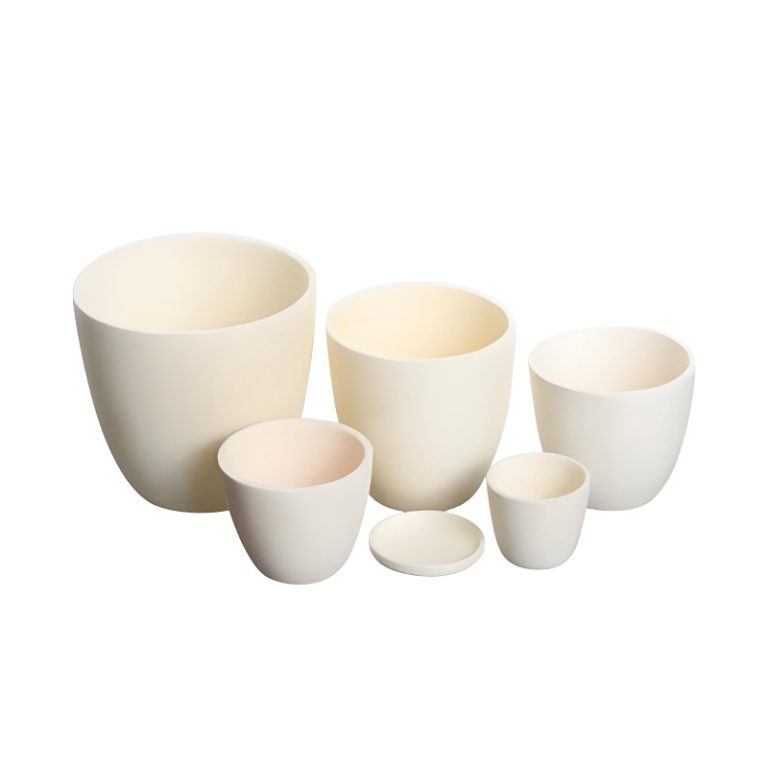
Professional Fire Assay Crucible for Laboratory Gold Testing and Analysis


PARAMETER PRODUK
Penerangan
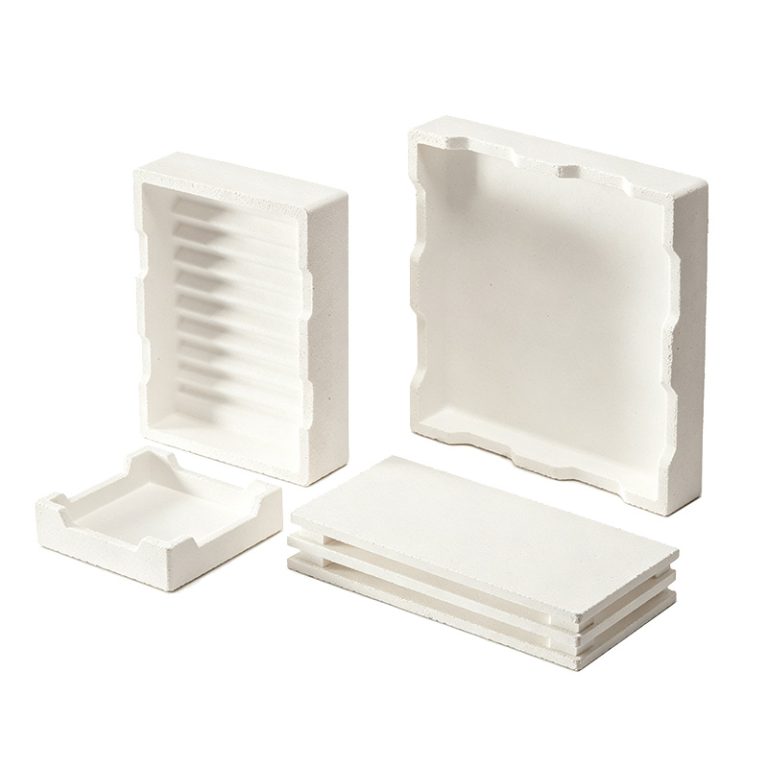
Fire Assay Cupel and Crucible
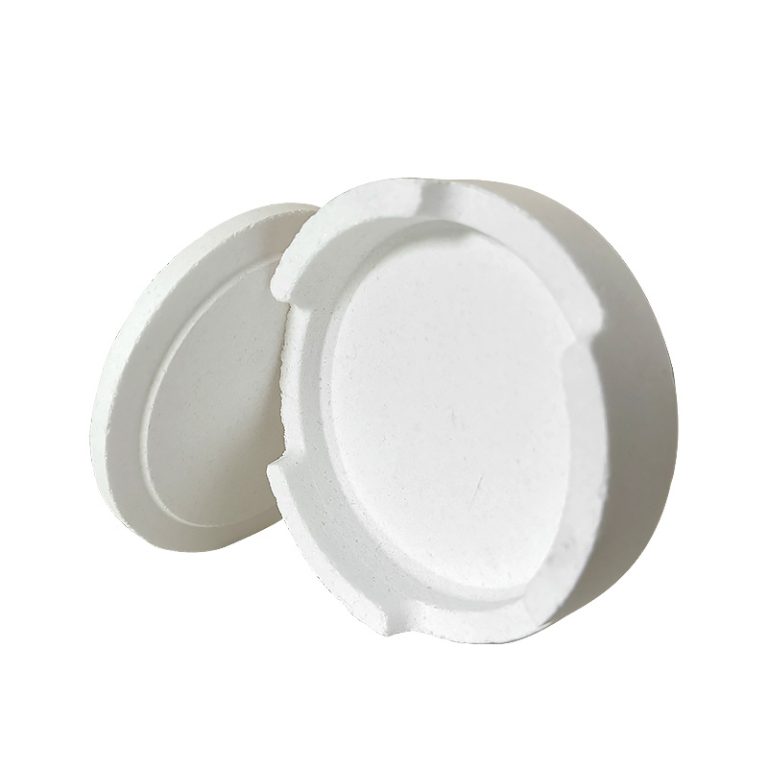
Fire assay ash dishes are refractory consumables used in the fire assay process for precious metal analysis, primarily in the ash blowing stage. They adsorb molten lead and lead oxide, allowing gold and silver to accumulate on the surface of the ash dish for easy subsequent weighing or content determination.They are generally used in conjunction with fire assay clay crucibles. They offer excellent lead adsorption under high-temperature oxidation conditions, are heat-resistant, and chemically stable, making them a common consumable in ore analysis, precious metal testing, and metallurgical laboratories.
Ciri-ciri Produk
- High-Quality Materials, High Absorption Performance
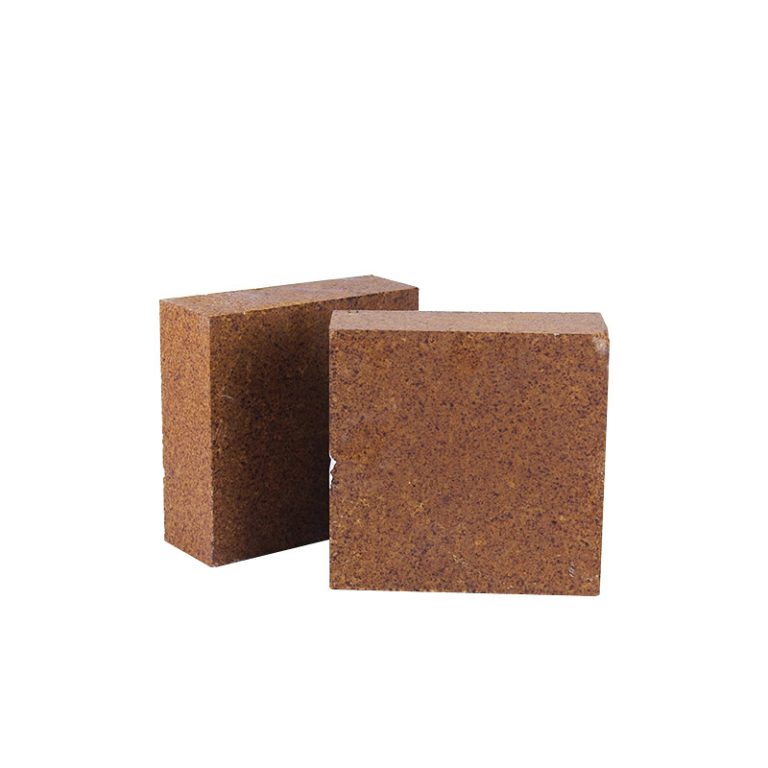
Made primarily from bone ash or magnesium oxide (MgO), these dishes are pressed and sintered. Bone ash dishes possess excellent absorption performance; magnesium oxide dishes have a more stable structure and higher mechanical strength, suitable for batch production analysis. High chemical purity ensures extremely low background interference from precious metals in fire assay analysis.
- Porous Structure, Uniform Absorption Rate
The highly absorbent porous structure with uniform pore distribution ensures consistent absorption rates. It can rapidly absorb large amounts of PbO (lead oxide), leaving precious metals on the surface of the dish to form gold and silver particles, without causing the pores to crack due to excessive absorption.
- Good Refractoriness, High-Temperature Structural Stability
Recommended operating temperature: 900-1050℃, typical process temperature: around 950℃ (slight variations depending on lead content and furnace type). It can withstand prolonged operation under high-temperature oxidation conditions without softening or collapsing, ensuring the complete ash blowing process.
- Strong affinity for oxygen, resulting in high separation efficiency
It possesses excellent affinity for oxygen, promoting the oxidation reaction of lead and improving the separation efficiency between precious metals and lead. After lead is oxidized to PbO, it is absorbed by the ash dish, while gold and silver remain in the center of the dish, forming metal particles that can be used for subsequent weighing and composition analysis.

| 1. Pre-use treatment | The cupel should be dried or preheated at low temperature before use to avoid cracking due to moisture. |
| 2. Heating procedure | After loading lead-containing particles, slowly raise the temperature according to the process curve to the cupellation temperature. |
| 3. Process phenomenon | After the cupel absorbs lead, a distinct “white core” or “halo” will appear, which is a normal phenomenon. |
| 4. Result determination | After absorption is complete, gold and silver particles will remain in the center of the cupel and can be used for subsequent evaluation. |
| 5. Reuse | The cupel is not reusable and should be replaced according to the experimental procedure. |
Kawasan Permohonan
- Precious Metal Content Detection: Used for quantitative fire assay analysis of precious metals such as gold, perak, platinum, dan paladium. The ash dishes absorb lead and its oxides during the ash blowing step, enriching the precious metals on the surface; this is a key consumable for accurate fire assay analysis.
- Mining and Metallurgical Laboratories: Suitable for fire assay analysis of precious metal components in geological samples such as ores, concentrates, and tailings. The ash dishes are used in conjunction with fire assay clay crucibles to complete the entire analytical process of melting-ash blowing-weighing.
- Alloy Material Composition Analysis: Used for the detection and analysis of precious metal components in alloy materials, providing reliable data for material quality control.
- Research Institute Experiments: Suitable for high-temperature oxidation absorption experiments and fire assay analysis research in geology, metallurgy, materials science, and other related fields.
- Third-Party Testing Institutions: Suitable for various testing institutions conducting precious metal composition analysis services; the consistency and reliability of the ash dishes ensure the accuracy of the test results.
Profil Syarikat
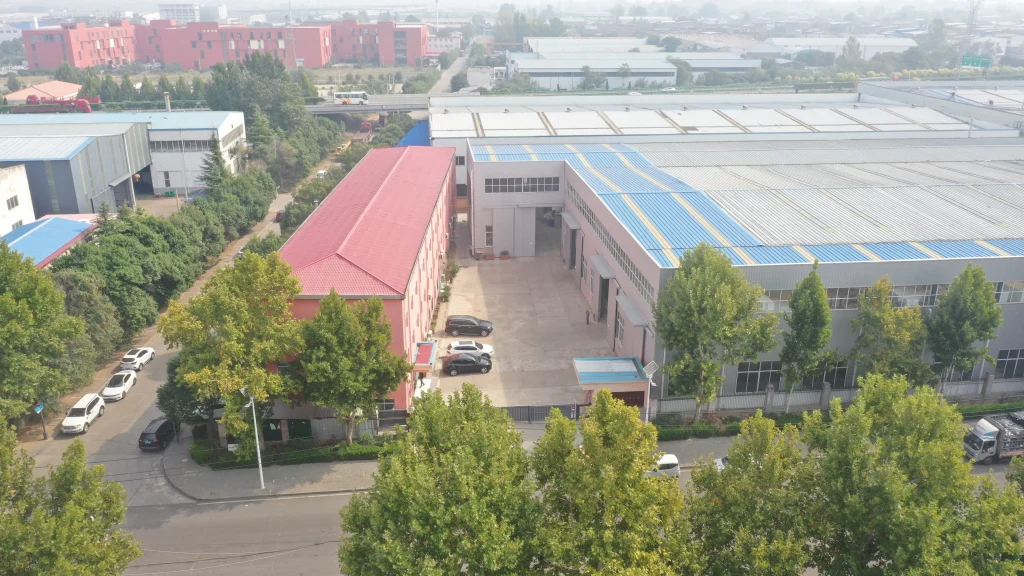
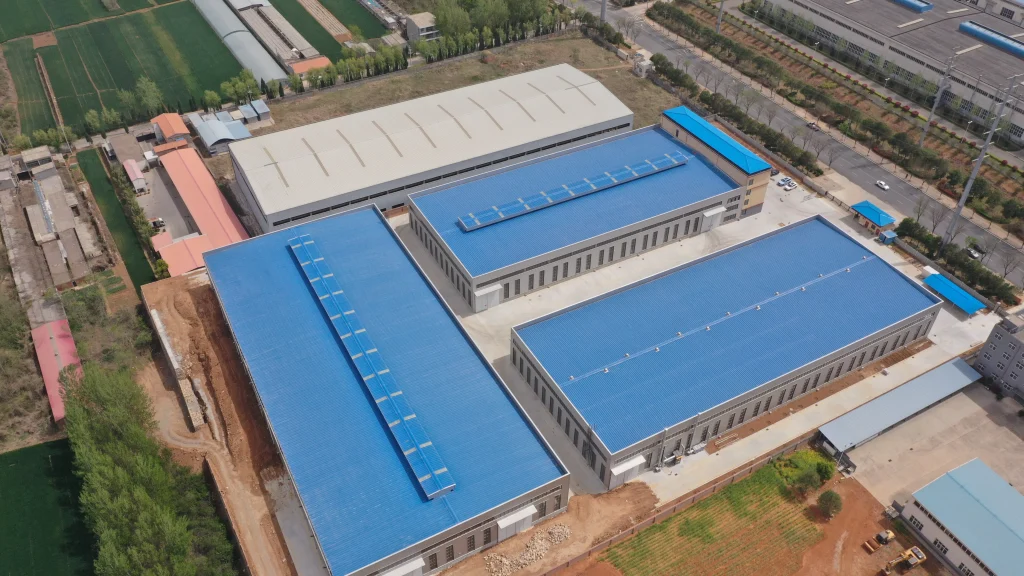
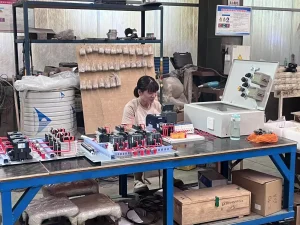
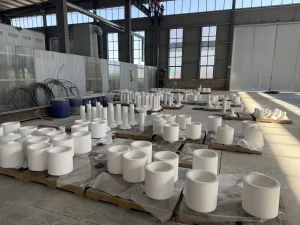
Sebuah perusahaan profesional yang mengkhusus dalam perkhidmatan teknologi rawatan haba dan R&D, pembuatan, dan penjualan relau elektrik suhu tinggi.
Syarikat memberi tumpuan kepada membangunkan relau elektrik suhu tinggi yang meliputi julat suhu penuh -100 ℃ hingga 2600 ℃. Produknya termasuk relau elektrik percubaan, relau suasana vakum, tanur industri, dan peralatan pemanasan aruhan frekuensi sederhana. Produk utama termasuk relau kotak, relau tiub, relau mengangkat, tanur penolak, relau bogie, tanur berputar, tanur terowong, dan pelbagai relau frekuensi sederhana khusus.
Syarikat itu mematuhi inovasi teknologi dan telah lulus pensijilan ISO9001 dan EU CE. Ia memiliki 21 tanda dagangan berdaftar, 29 paten, dan 27 hak cipta perisian.
Kaedah Pembayaran
TT
Kaedah Penghantaran
Relau elektrik dibungkus dalam tiga lapisan: pertama dibalut dengan kertas buih, kemudian dibalut dengan filem plastik, dan akhirnya dibungkus dalam peti kayu.
Soalan Lazim (Soalan Lazim)
- What is the main function of fire assay ash dishes?
Ash dishes are mainly used in the fire assay ash blowing process. By absorbing molten lead and lead oxide (PbO), they enrich precious metals such as gold and silver, thereby achieving the separation and detection of precious metals.
- What materials are commonly used to manufacture ash dishes?
Common materials include: Bone ash: excellent absorption performance, widely used in traditional fire assays; Magnesium oxide (MgO): higher mechanical strength, suitable for large-scale production and long-term storage.
- At what temperatures are ash dishes suitable for use?
The recommended operating temperature range is 900℃~1050℃. The actual ash blowing temperature is usually controlled at around 950℃. The specific temperature needs to be adjusted according to the sample composition and furnace type.
- Can ash dishes be reused?
Reuse is not recommended. During the ash blowing process, the ash dish absorbs PbO and undergoes structural changes. Reuse may affect the absorption performance and the accuracy of the detection results.
- What equipment are ash dishes suitable for?
Ash dishes are mainly used in conjunction with equipment such as fire assay furnaces, muffle furnaces, and high-temperature experimental furnaces for precious metal testing and metallurgical analysis experiments.