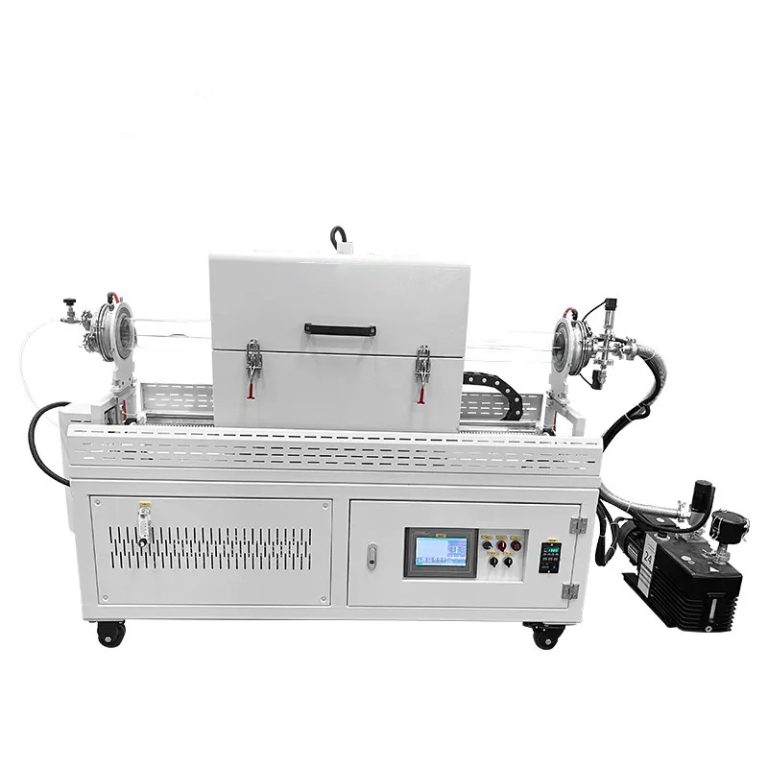
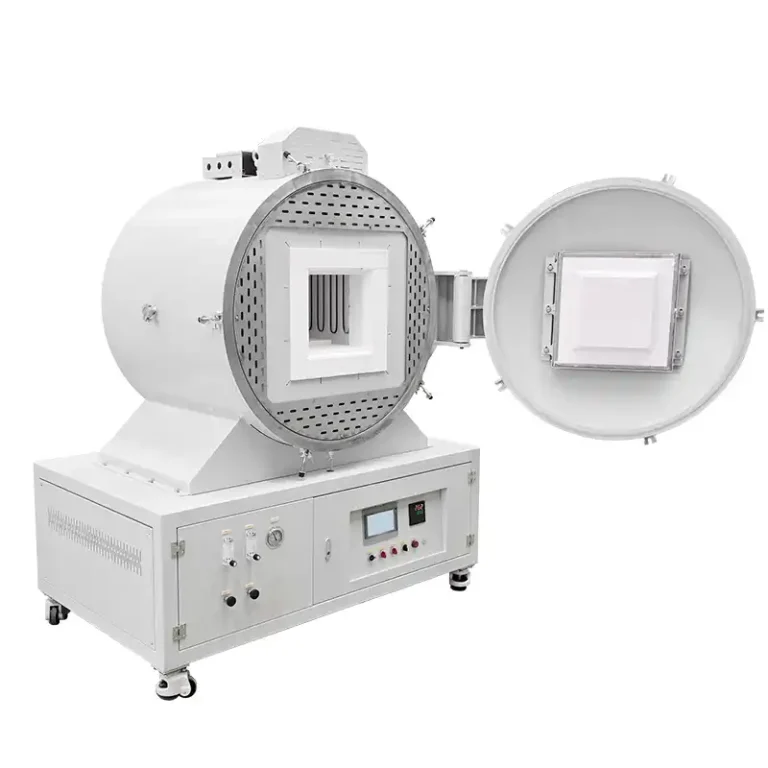
Luoyang Anjing Intelligence Equipment sinn e weltwäite Leader an Héichtemperatur elektresch Uewen



Is Substandard Steel Made In An Medium Frequency Furnace? 90% Of People Have This Misconception About Steelmaking.
Many people therefore equate “medium frequency furnace” with “inferior steel,” even believing that all products produced using medium frequency furnaces are inferior steel. In fact, this understanding is inaccurate and reflects a lack of understanding of the working principle and application scope of medium frequency induction furnaces.
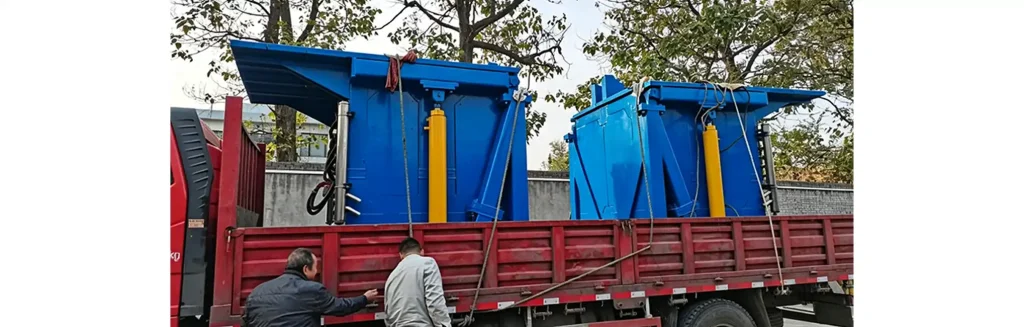
An medium frequency furnace is simply a device that uses electromagnetic induction to heat or melt materials. Its applications are very wide-ranging, including steel smelting, processing of non-ferrous metals such as copper, Aluminium, an Edelstahl, and widespread use in forging heating, Hëtzt Behandlung, and brazing.
What truly determines product quality is not the name of the equipment, but rather the production process, raw material control, component testing, and quality management system. Simply equating inferior steel with medium frequency furnaces confuses the concepts of equipment and production activities.
ech. General Product Introduction
“Inferior steel,” commonly known as “rebar steel,” is produced by melting scrap steel in an induction furnace and then pouring it into a simple cast iron mold to cool. Its diameter, tensile strength, and other characteristics often fail to meet national standards, and most products exhibit brittle fracture, posing serious quality risks. Many people equate inferior steel with induction furnace steel, believing that anything produced in an induction furnace is inferior steel.
Inferior steel, primarily used in construction, is steel or steel products produced from scrap steel through induction furnaces and other processes without proper composition and quality control. It is considered to have serious quality risks.
Allerdéngs, induction furnace steelmaking utilizes an induction magnetic field to melt scrap steel, followed by continuous casting and rolling mill processes to produce steel products that are no longer the inferior steel of the past.
II. Product Features and Advantages
- Fast Heating Speed and High Productivity
The principle of medium-frequency induction heating is electromagnetic induction—heat is generated within the metal itself, without external conduction. Ordinary workers operating medium frequency furnace can begin forging operations within ten minutes of starting work, unlike coal-fired furnaces which require pre-heating and sealing. Faster heating speed means higher output per unit time; the daily output of a single medium-frequency furnace is far higher than that of traditional heating methods.
- Less Oxidation and Decarburization, Saving Materials
Due to the rapid heating rate and short heating time, the residence time of the metal in the high-temperature zone is greatly shortened, significantly reducing oxidation loss. The oxidation loss of forgings heated by medium-frequency induction is only 0.5%, while the oxidation loss of gas-fired furnaces is 2%, and coal-fired furnaces reach as high as 3%. Each ton of forgings saves at least 20-50 kg of steel compared to coal-fired furnaces, with a material utilization rate of up to 95%.
- Uniform Heating and Small Core-Surface Temperature Difference
The heat from induction heating is generated directly within the workpiece, rather than being conducted from the surface inwards. Dofir, the temperature difference between the core and surface is minimal, resulting in excellent heating quality. Combined with a temperature control system, temperature control accuracy can be achieved within ±5℃, significantly improving product quality and yield, and reducing scrap rate by more than 1.5%.
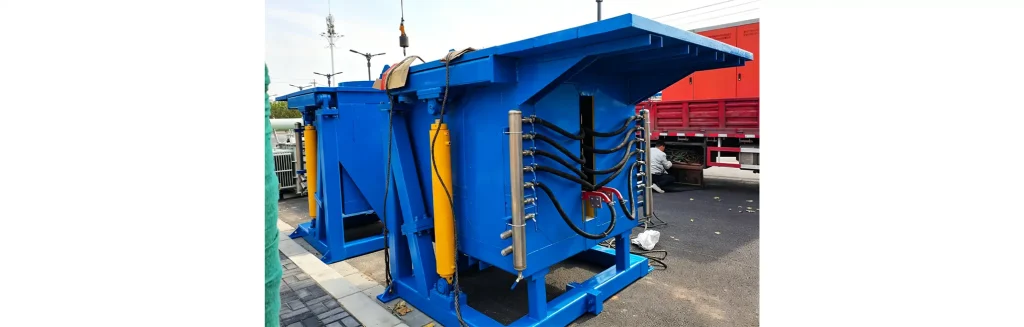
- Significant Energy Savings
Medium-frequency heating saves 31.5%-54.3% energy compared to heavy oil heating and 5%-40% compared to gas heating. Heating from room temperature to 1100℃ consumes less than 360 kWh per ton of forgings. Compared to traditional coal-fired furnaces, the overall energy consumption of medium-frequency furnaces is reduced by an order of magnitude.
- Extended Die Life
Uniform heating means that the metal is at a consistent temperature during forging, preventing localized overheating or undercooling and minimizing thermal shock to the die. The surface roughness of the forgings is less than 50μm, extending die life by 10%-15%.
- Superior Working Environment, No Pollution
Medium-frequency furnaces do not produce the smoke, dust, baking, or high-temperature radiation of coal-fired furnaces. Workers are no longer exposed to the scorching sun and smoke of coal-fired furnaces, resulting in a significantly improved working environment. Meeting all emission standards set by environmental protection departments, this represents the future development trend of the metal heating industry.
| Verglach Dimensioun | Scrap Steel (Illegal) | Regular Induction Furnace Steel |
|---|---|---|
| Raw Materials | Mixed scrap steel, unknown composition | Sorted scrap steel or qualified furnace charge |
| Smelting Process | Melting and casting only, no refining | Melting → Composition adjustment → Refining |
| Composition Control | No chemical analysis | Spectral analysis, batching according to standards |
| Casting Method | Simple cast iron mold | Continuous casting machine (billet/round billet) |
| Rolling Equipment | None or rudimentary | Continuous rolling production line |
| Quality Inspection | None | Full inspection (tensile, impact, hardness) |
| Product Standard | Does not meet national standards | Complies with GB/T 700 and other standards |
| Final Application | Construction steel (inferior rebar) | Various qualified steel products |
III. Two Core Issues Regarding the Product
- Why Can’t Induction Furnaces Be Simply Equated with “Inferior Steel”?
Inferior steel is essentially an illegal production practice, not a name for a piece of equipment. Its main characteristic is the use of scrap steel as raw material, producing inferior steel under conditions of insufficient composition control, quality inspection, and standardized processes. These products often suffer from insufficient strength, uneven microstructure, and high brittleness, easily posing safety hazards to construction projects and infrastructure.
Induction furnaces, on the other hand, are simply equipment for completing the metal melting and heating process. In fact, many legitimate steel mills, non-ferrous metal enterprises, and precision casting companies also use induction furnaces for production. Modern induction furnaces, combined with continuous casting, continuous rolling, refining, and automated control systems, can fully produce high-quality steel and alloy products that meet national standards.
- Why Have Induction Furnaces Become Important Equipment in Modern Industry?
As the manufacturing industry increasingly demands energy conservation, environmental protection, and automation, medium-frequency induction heating technology is gradually replacing traditional coal-fired furnaces, gas-fired furnaces, and some resistance furnaces.
Its core advantages lie in the fact that heat is generated directly inside the workpiece, resulting in rapid heating, uniform temperature, and minimal oxidation and decarburization. For forging companies, medium-frequency heating effectively reduces material loss and improves raw material utilization; for the foundry industry, medium-frequency melting yields more stable molten metal quality; and for the heat treatment industry, it enables more precise temperature control and better process repeatability.
Furthermore, modern medium frequency furnaces have undergone digital and intelligent upgrades. Through PLC control systems, human-machine interfaces, and remote monitoring technology, they can achieve automatic operation, fault warnings, and data management, significantly improving production efficiency and equipment reliability.
IV. Produit Uwendungen
- Metal Smelting in the Foundry Industry: Smelting pig iron, ordinary steel, STAINLESS Stol, and tool steel for casting production. Single furnace capacities range from 0.5 tons to 20 tons, catering to the needs of foundries of different sizes.
- Through Heating in the Forging Industry: Overall heating of steel and copper parts before forging, replacing coal-fired and gas-fired furnaces. Medium-frequency induction heating furnaces offer fast heating speed, less oxide scale, and uniform temperature, making them standard equipment in modern forging plants.
- Non-ferro Metal Schmelzen: Smelting of copper, Aluminium, zinc, lead, and master alloys, as well as refining of precious metals such as gold and silver. The electromagnetic stirring effect of medium-frequency melting ensures uniform alloy composition and precise temperature control.
- Heating of Aluminum Ingots for Extrusion Forming: On aluminum profile extrusion production lines, aluminum ingots need to be heated to 450℃-500℃ before extrusion. Medium-frequency induction heating offers fast heating speed and uniform temperature, perfectly matching the production cycle of the extrusion press.
- Heat treatment tempering and quenching: Medium-frequency power supplies, in conjunction with quenching transformers and inductors, are used to complete surface quenching and through-heat quenching of mechanical parts such as shafts and gears. The hardened layer depth is controllable, making it suitable for wear-resistant strengthening of medium to large-sized parts.
- Scientific research and new materials development: Small medium frequency furnaces in universities and research institutes are used for alloy formulation testing, intermetallic compound synthesis, and crystal growth research. The non-contact characteristics and rapid response of electromagnetic induction heating make it a practical tool for materials science research.
V. Fournisseur
Luoyang Anjing Intelligent Equipment Co., Ltd. ass eng Entreprise déi der Fuerschung gewidmet ass, Entwécklung, Produktioun, Ofsaz, an technesch Servicer vun Hëtzt Behandlung Equipement wéi héich-Temperatur elektresch Schmelzhäre. Mir produzéiere Labo, eidel, industriell, a Mëttelfrequenz Uewen, Deckt en Temperaturberäich vun -100 ℃ bis 2600 ℃, Déngscht Industrien wéi nei Energie, semiconductors, an fortgeschratt Materialien. Mir kënne personaliséiert Léisunge baséieren op spezifesch Atmosphär, ultra-héich Temperatur, an intelligent Kontroll System Ufuerderunge. W.e.g. kontaktéiert eis wann Dir interesséiert sidd.