Luoyang Anjing Intelligence Equipment é líder global em fornos elétricos de alta temperatura



Electric Ceramic Fiber Furnace

PARÂMETROS DO PRODUTO
Descrição
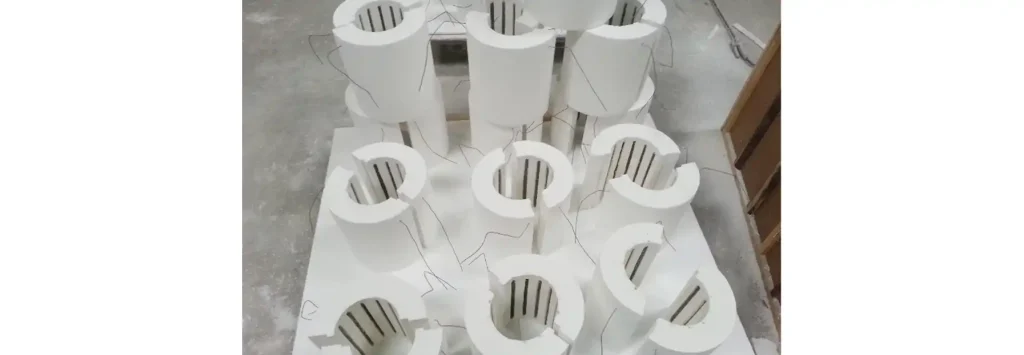
Electrothermal Ceramic Fiber Furnace Chamber
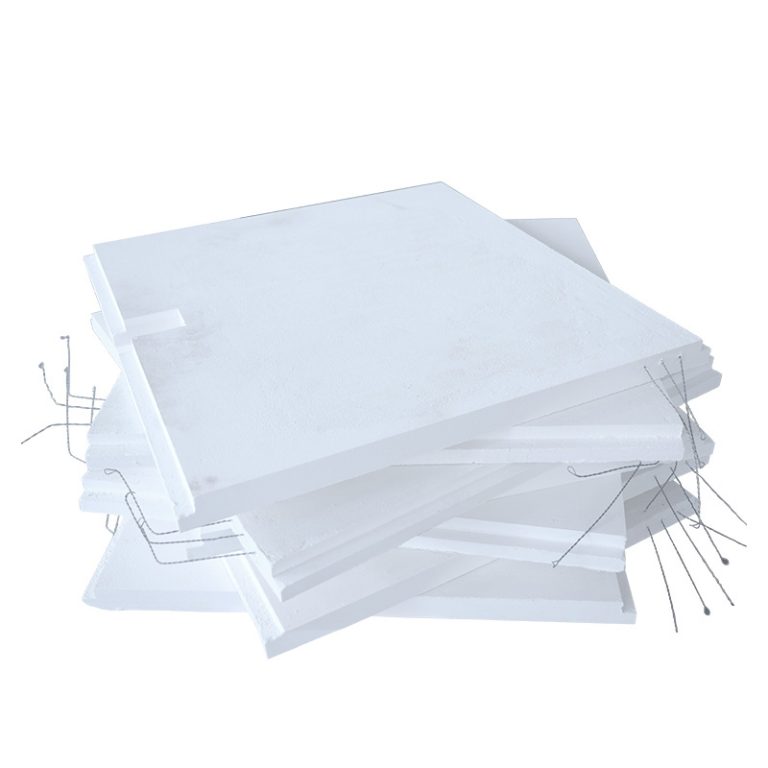
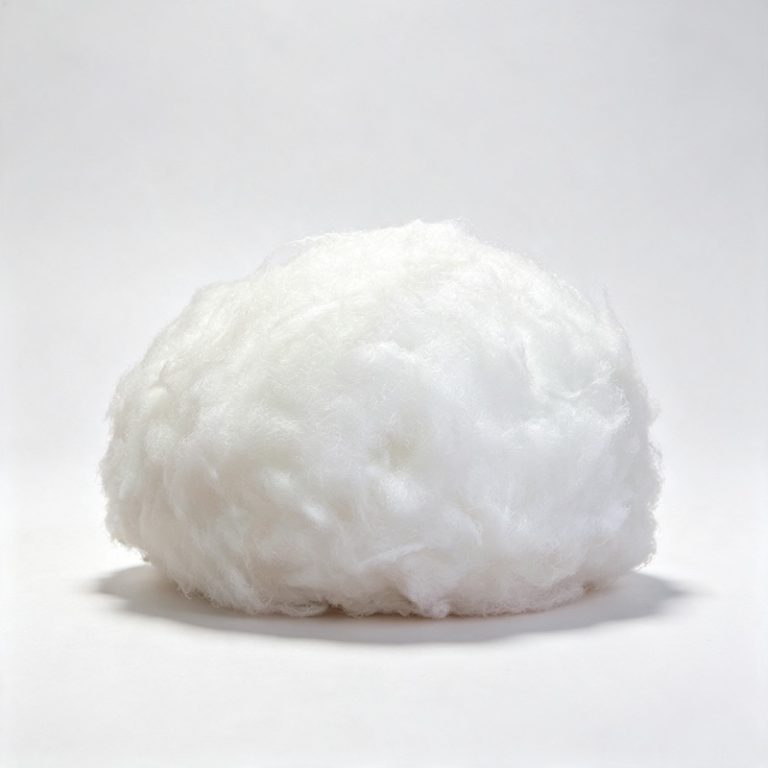
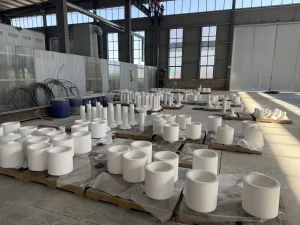
An electrothermal ceramic fiber furnace chamber is a heating element product that integrates heating elements (resistance wire, silicon carbide rod, or silicon molybdenum rod) with ceramic fiber material. The product uses high-purity aluminosilicate ceramic fiber or alumina fiber as the matrix, and the heating element is embedded or buried within the fiber through a vacuum forming process, forming a fibrous electrothermal body that integrates heating and insulation.
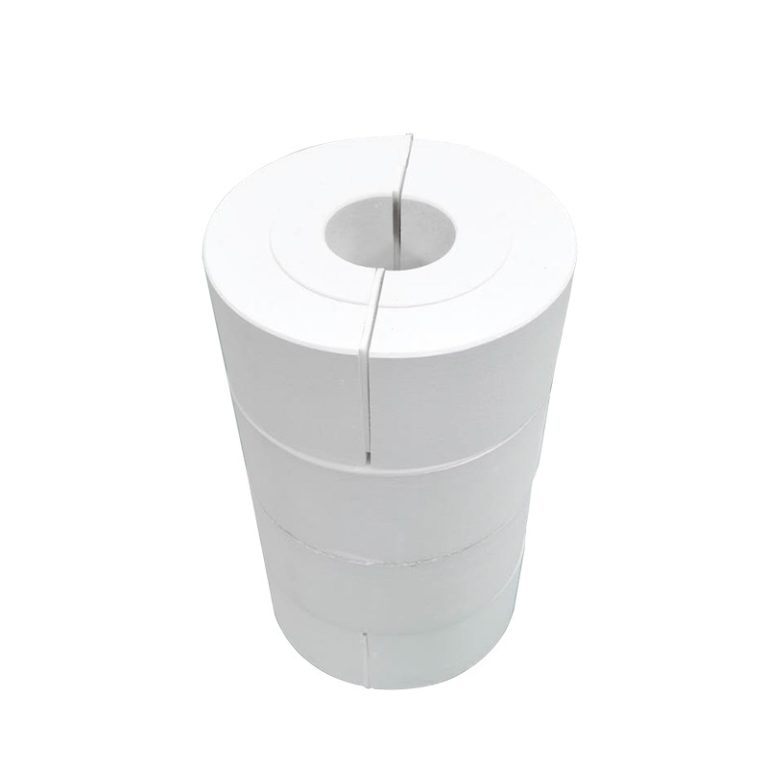
This product features lightweight, rapid heating, uniform furnace temperature, and high energy efficiency, and has gradually replaced traditional heavy refractory furnace chambers, becoming an ideal core component for high-temperature electric furnaces. Our company is a reputable manufacturer with many years of processing experience and a professional technical team. We can customize box-type furnace chambers, tube-type furnace chambers, and various electric heating plates. Custom orders based on drawings or samples are welcome.
Recursos do produto
- Rapid Heating and High Thermal Efficiency
The fiber material has low heat capacity and low heat storage, resulting in a much faster heating rate than traditional heavy-duty furnaces. A 1000℃ furnace can be heated from room temperature to 1000℃ in approximately 30 minutes, significantly reducing process waiting time.
- Uniform Furnace Temperature and Precise Temperature Control
The fiber furnace has low thermal conductivity and good insulation performance, resulting in a uniform temperature field within the furnace. Combined with a precision temperature control system, temperature control accuracy can reach ±1℃.
- Lightweight and Significantly Energy-Saving
The fiber furnace has low density and is lightweight (a 6-liter furnace weighs only about 50 kg), significantly reducing equipment load compared to traditional refractory brick furnaces. Energy savings can reach 20-50%, significantly reducing operating costs.
- Low Thermal Conductivity and Excellent Insulation Performance
The low thermal conductivity (approximately 0.16 W/(m·K) at 1000℃) provides significant thermal insulation. When heated to 1000℃, the furnace surface temperature is only about 50℃, far exceeding the national standard (100℃).
- No slag shedding, no dust, sem rachaduras
Using high-purity fiber raw materials, the structure remains stable at high temperatures, preventing slag shedding, dust generation, and cracking, ensuring furnace cleanliness and preventing contamination of heated materials.
- Customizable and flexible
Supports personalized customization of box-type furnaces, tube-type furnaces, and various electric heating plates to meet the needs of different scenarios such as laboratories and industries.
| Item | Ceramic Fiber Chamber (Low-Temp Series) | Alumina Fiber Chamber (High-Temp Series) |
|---|---|---|
| Material | Aluminosilicate ceramic fiber | Polycrystalline mullite fiber / Polycrystalline alumina fiber |
| Design Temperature | 200 ~ 1200℃ | 1300 ~ 1700℃ |
| Heating Elements | Resistance wire (Fe-Cr-Al / Ni-Cr), SiC rods | SiC rods, MoSi₂ rods |
| Resistance Wire Arrangement | Zigzag / Spiral / W/Z/O type | Zigzag / Spiral |
| Forming Method | Fully embedded, slightly exposed, slotted, exposed | Inlaid, embedded |
| Bulk Density | 200 ~ 600 kg/m³ | 300 ~ 700 kg/m³ |
| Thermal Conductivity | ~0.16 W/(m·K) at 1000℃ | ~0.14 ~ 0.20 W/(m·K) at 1200℃ |
| Energy Saving Rate | — | Up to 20 ~ 50% |
| Specifications | Customized per drawings | Customized per drawings |
| Standard Size Reference | 900 × 600 ×(30 ~ 130)mm | 900 × 600 ×(30 ~ 130)mm |
Áreas de aplicação
- Experimental Electric Furnaces and Muffle Furnaces: Used in material sintering and heat treatment experiments in universities and research institutes.
- Industrial Heat Treatment Furnaces: Used for heat treatment processes such as annealing, quenching, and tempering of metallic materials.
- Ceramics and Building Materials Industry: Used for the lining of furnaces such as ceramic firing kilns, shuttle kilns, e fornos de túnel.
- Electronics and Semiconductors: Used for precision temperature control processes such as sintering of electronic components and heating of photovoltaic silicon wafers.
- Powder Metallurgy and New Materials: Used for high-temperature processes such as reduction sintering of metal powders and synthesis of new materials.
perfil de companhia
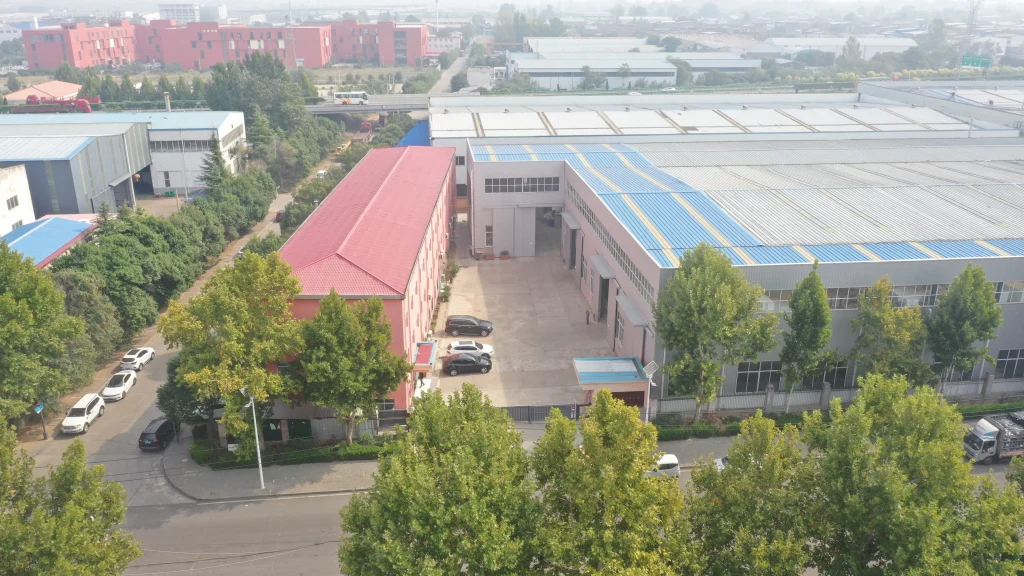
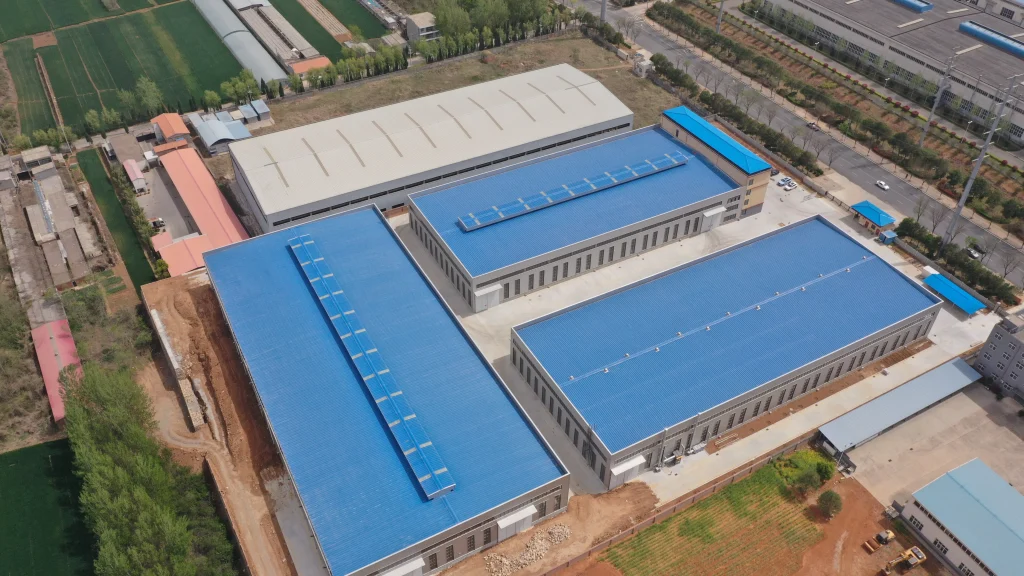
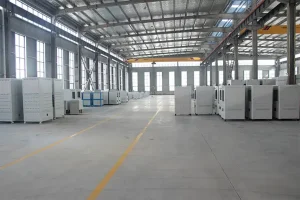
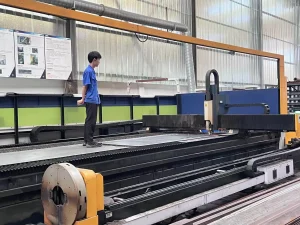
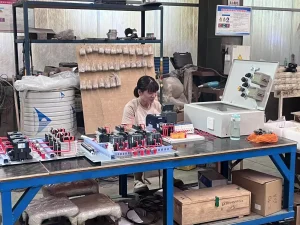
Uma empresa profissional especializada em serviços de tecnologia de tratamento térmico e R&D, fabricação, e vendas de fornos elétricos de alta temperatura.
A empresa se concentra no desenvolvimento de fornos elétricos de alta temperatura cobrindo uma faixa completa de temperatura de -100°C a 2600°C. Seus produtos incluem fornos elétricos experimentais, fornos de atmosfera a vácuo, fornos industriais, e equipamentos de aquecimento por indução de média frequência. Os principais produtos incluem fornos de caixa, fornos tubulares, fornos de elevação, fornos empurradores, fornos de bogie, fornos rotativos, fornos de túnel, e vários fornos especializados de média frequência.
A empresa adere à inovação tecnológica e obteve as certificações ISO9001 e CE da UE. Ele possui 21 marcas registradas, 29 patentes, e 27 direitos autorais de software.
Métodos de pagamento
TT
Métodos de envio
The electric furnace is packaged in thThe electric furnace is packaged in three layers: primeiro embrulhado em papel de espuma, depois embrulhado em filme plástico, and finally packed in a wooden crat.
Perguntas frequentes (Perguntas frequentes)
- Will the product shed slag or generate dust at high temperatures?
The product uses high-purity fiber raw materials, ensuring structural stability at high temperatures. It will not shed slag, generate dust, or crack, ensuring furnace cleanliness and preventing contamination of heated materials.
- What are the options for heating elements? How should they be arranged?
Low-temperature furnaces (≤1200℃) use resistance wire (iron-chromium-aluminum/nickel-chromium) or silicon carbide rods; ultra-high-temperature furnaces (1300~1700℃) use silicon carbide or silicon molybdenum rods. Resistance wires can be arranged in a zigzag, spiral, or W/Z/O pattern.
- What are the installation methods for resistance wires? What are their characteristics?
Mainly include fully embedded (high thermal efficiency), slightly exposed (good radiative heat dissipation), exposed (highest thermal radiation efficiency), and slotted (combining protection and heat dissipation). Specific selection can be determined based on furnace size and process requirements.
- What is the product’s heating rate?
Due to the low heat capacity of fiber materials, the heating rate is much faster than that of traditional heavy-duty furnaces. A 1000℃ furnace can heat from room temperature to 1000℃ in approximately 30 minutes, and a 1700℃ furnace to 1700℃ takes less than 90 minutes.
- Does the product support customization based on provided drawings?
Sim. Our company is a reputable manufacturer with many years of processing experience and a professional technical team. We can customize box-type furnaces, tube-type furnaces, and various electric heating plates. Customization based on provided drawings or samples is welcome.