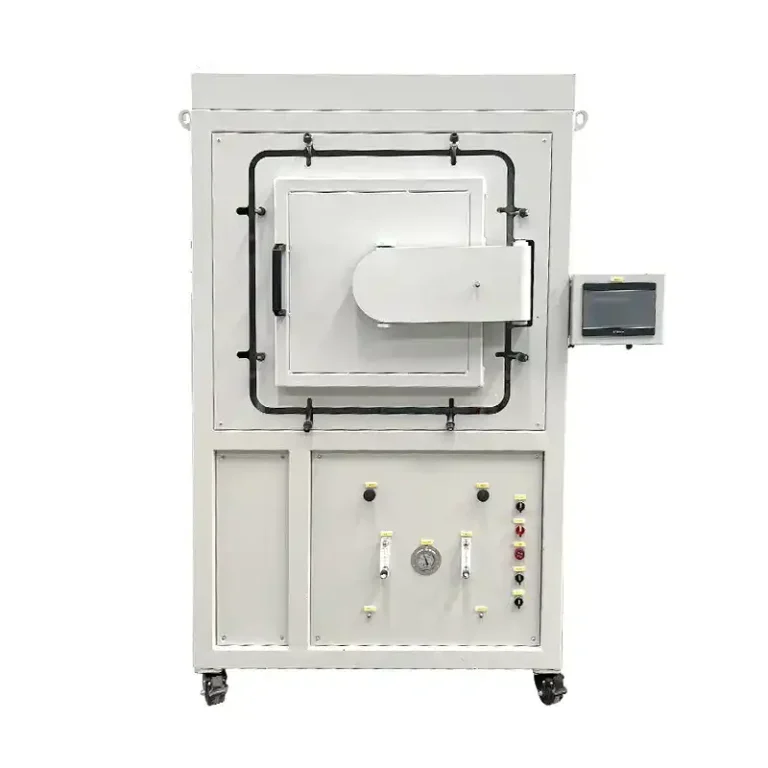
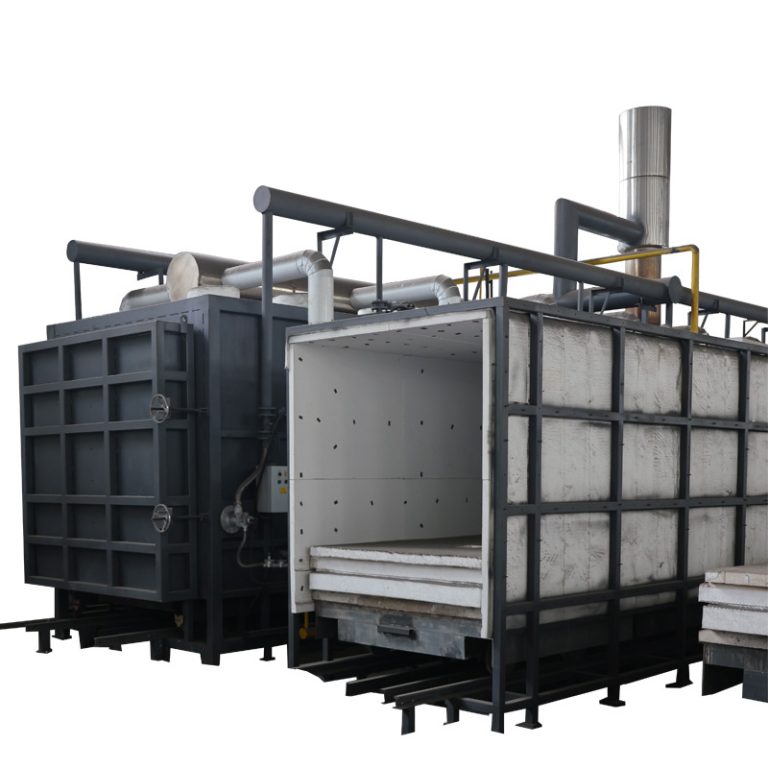
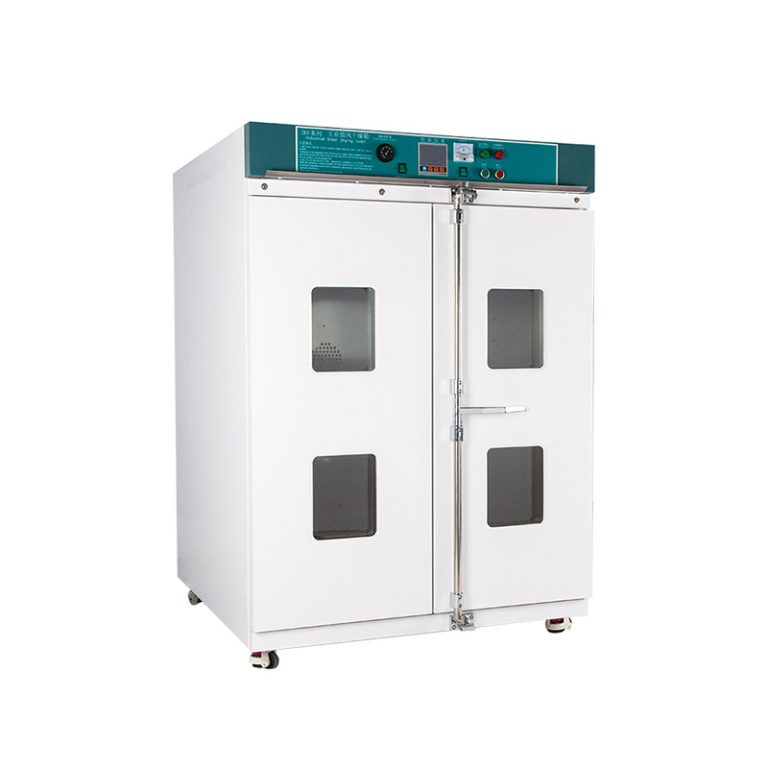
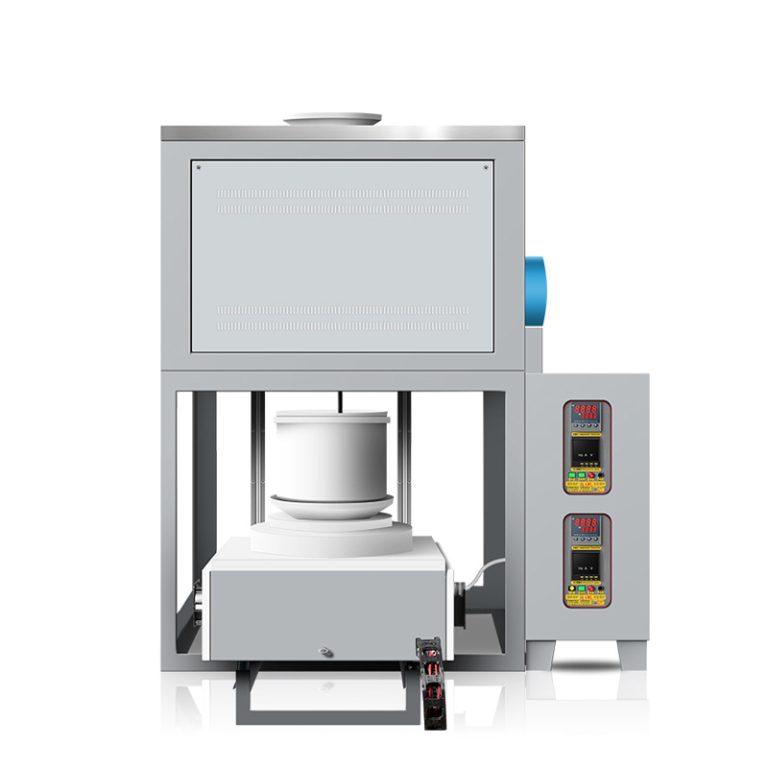
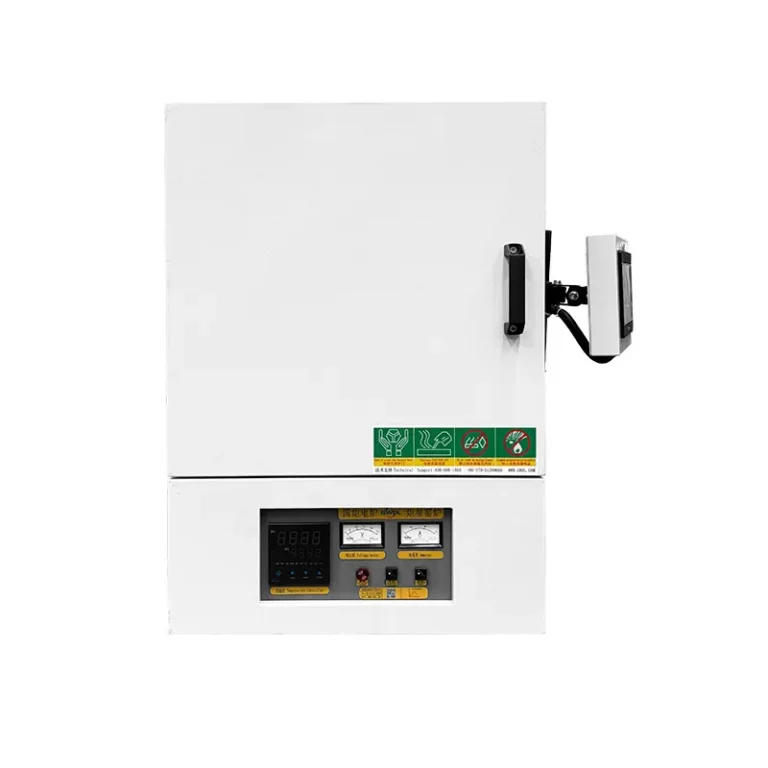
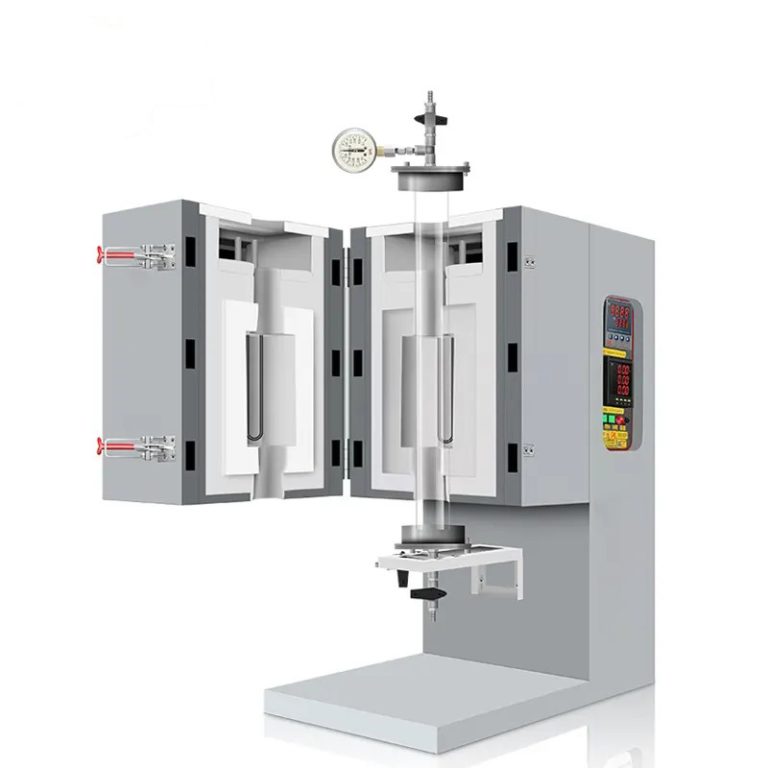
Luoyang Anjing Intelligence Equipment é líder global em fornos elétricos de alta temperatura



Working Principle Of Medium Frequency Furnace: How Does Electromagnetic Induction Melt Metal?
In modern casting, metal smelting, and heat treatment industries, Medium Frequency Furnace have become one of the most important core pieces of equipment. Compared to traditional coal-fired furnaces, coke furnaces, and electric resistance furnaces, induction furnaces are widely used in the steel, non-ferrous metals, precision casting, and new energy materials industries due to their faster heating speed, more stable temperature control, and higher energy efficiency.
With the continuous advancement of energy-saving manufacturing and green metallurgy trends, more and more companies are beginning to use electromagnetic induction heating technology to replace traditional combustion heating methods, and induction furnaces are one of the most representative pieces of equipment in this trend.
Essentially, induction furnaces do not rely on “flames” to heat metal; instead, they utilize the principle of electromagnetic induction to allow the metal itself to generate heat.
EU. Product Overview
An intermediate frequency furnace is an industrial device that uses the principle of electromagnetic induction to heat and melt metal materials. Its core working logic is “non-contact heating”—the metal material does not need to come into contact with a flame or resistance wire, but melts by heating itself in an alternating magnetic field.
Medium-frequency furnaces typically operate between 300Hz and 10000Hz. Compared to industrial-frequency furnaces (50Hz) and high-frequency furnaces (above 100kHz), this frequency range balances heating efficiency and penetration depth—allowing for rapid heating while ensuring heat penetrates to the core of large workpieces.
Medium-frequency furnaces are widely used in industries such as casting, forging, and metallurgy. They can efficiently melt various materials, including cast iron, cast steel, cobre, alumínio, aluminum alloys, and refractory metals such as titanium alloys and high-temperature alloys. Heating efficiency can reach over 85%, saving 30%-50% more energy than traditional coal-fired or oil-fired reverberatory furnaces.
II. Product Features and Advantages
- Electromagnetic Induction Heating: Heat Generated Directly Inside the Metal
The operation of a medium-frequency furnace is based on two physical phenomena: electromagnetic induction and the skin effect. When a medium-frequency alternating current is applied to the induction coil (usually made of hollow copper tubing), a rapidly changing alternating magnetic field is generated inside the coil. The metal charge placed in the coil is equivalent to the secondary coil of a transformer—magnetic lines of force cut through the metal, inducing strong eddy currents inside the metal.
As these eddy currents flow inside the metal, they overcome the metal’s own resistance, generating heat. This is “internal heating”—heat is generated directly from within the metal, rather than being transferred in from the outside. Compared to resistance furnaces (where heat radiates from the heating element to the metal surface and then conducts from the surface to the core), induction heating has a much faster heating rate and higher thermal efficiency.
- Skin Effect: Frequency Determines Heating Depth
When alternating current passes through a conductor, the current tends to be distributed on the conductor’s surface; this phenomenon is called the skin effect. The higher the frequency, the more concentrated the current is on the surface; the lower the frequency, the deeper the current distribution.
The frequency range of the medium-frequency furnace is carefully selected: the current penetration depth corresponding to 300Hz-10000Hz is perfectly suited for melting metals ranging from a few kilograms to tens of tons. If the frequency is too low (por exemplo, 50Hz), the penetration depth is too deep, resulting in insufficient power density and slow heating; if the frequency is too high (por exemplo, above 100kHz), all the heat is concentrated on the surface, and the core temperature cannot keep up, making it impossible to melt large workpieces uniformly. The “intermediate frequency” characteristic of the medium-frequency furnace makes it the optimal solution for industrial melting.
- Electromagnetic Stirring: A Natural Advantage of Uniform Composition
The induced current in the molten metal also generates an electromagnetic force, which propels the molten metal to churn violently within the crucible, creating a “stirring” effect. Electromagnetic stirring results in a more uniform distribution of alloying elements, a more consistent temperature field, and easier removal of slag.
This is a unique advantage of medium-frequency furnaces compared to gas furnaces and resistance furnaces. Other heating methods require mechanical or manual stirring to achieve similar uniformity, while medium-frequency furnaces complete this automatically during the heating process.
- Rapid Start-up and Precise Temperature Control
From cold start to tapping molten iron, a medium-frequency furnace typically takes only 30-60 minutes, while a gas-fired furnace may require 2-3 hours. Its power adjustment response is fast, allowing for rapid changes in output power and precise control of the molten metal temperature. Combined with infrared or thermocouple temperature measurement, temperature control accuracy can reach within ±5℃, meeting the stringent temperature requirements for high-quality castings.
- Environmental Protection and Safety
Medium-frequency furnaces have no combustion system, producing no pollutants such as smoke or sulfur dioxide, resulting in a clean working environment and low noise. Compared to cupola or gas-fired furnaces, medium-frequency furnaces have significantly lower carbon emissions. Além disso, the absence of open flames and high-temperature flue gas makes operation safer.

| Parameter | Intermediate Frequency Furnace |
|---|---|
| Operating Frequency | 300 Hz – 10,000 Hz |
| Heating Penetration Depth | Medium (several mm to several tens of mm) |
| Heating Characteristics | Fast heating, moderate stirring |
| Electromagnetic Stirring | Moderate |
| Applicable Capacity | 5 kg – 60 tons |
| Typical Applications | General metal melting, induction forging / through heating |
| Start-up Time | Fast (direct start from cold state) |
III. Medium Frequency Furnace Two Key Topics Regarding the Product
- Why is electromagnetic medium frequency furnace more efficient than traditional combustion heating?
Traditional combustion furnaces rely primarily on flames and heat conduction to gradually transfer heat to the interior of the metal. This method not only has a slow heating rate but also results in significant heat loss. In contrast, medium-frequency furnace use an alternating magnetic field to directly induce a current within the metal, making the metal itself the “heat source.” Therefore, heat is more concentrated on the material itself. This internal heating method reduces energy loss through the furnace body and air, enabling medium frequency furnace to achieve faster melting speeds and higher energy utilization under the same operating conditions. Simultaneously, because heat is generated from within the material, it also reduces the high-temperature load on the furnace walls, resulting in higher overall equipment operating efficiency. Currently, in the fields of high-quality alloy smelting and green casting, electromagnetic induction heating has gradually replaced some traditional combustion processes, becoming an important development direction in modern heat treatment.
- Why are medium-frequency furnace more suitable for high-quality metal smelting?
In the metal smelting process, temperature uniformity directly determines material properties and casting quality. Traditional furnaces are prone to problems such as localized overheating, excessive temperature differences, and metal oxidation at high temperatures. In contrast, medium-frequency furnaces generate a significant electromagnetic stirring effect during operation, ensuring continuous flow of molten metal and resulting in more uniform temperature and alloy composition. This characteristic effectively reduces defects such as component segregation, porosity, and inclusions, offering a significant advantage in improving the density and mechanical properties of castings. Especially in the stainless steel, high-temperature alloy, and precision casting industries, where the requirements for melting stability are increasingly stringent, medium frequency furnace, with their uniform heating and precise temperature control capabilities, have become a crucial core piece of equipment for high-quality metal processing.
IV. Medium Frequency Furnace Product Applications
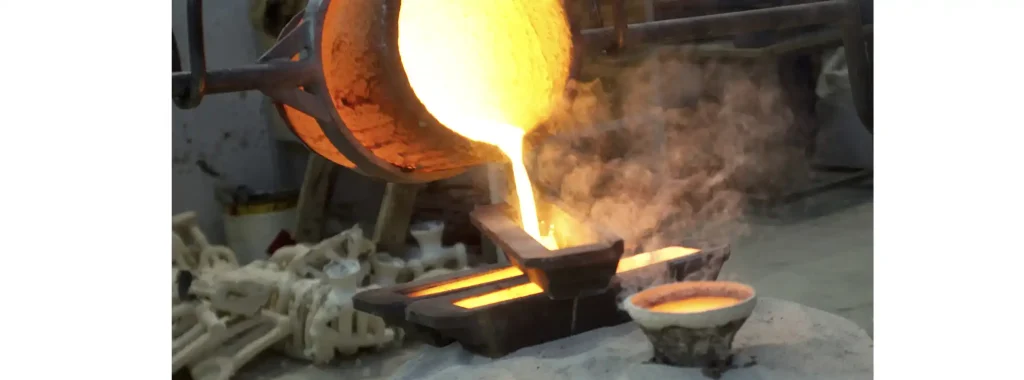
- Foundry Industry: Medium-frequency furnaces are the most widely used application for smelting ferrous and non-ferrous metals, including cast iron, cast steel, and stainless steel. Single furnace capacities range from 0.5 tons to 20 tons. The electromagnetic stirring in medium frequency furnace results in more uniform graphite morphology, significantly improving the spheroidization rate of ductile iron. Copper, alumínio, zinc, and lead are also extensively smelted in medium-frequency furnaces, with oxidation loss reduced by 2-3 percentage points compared to gas-fired furnaces.
- Forging Industry: Metal induction heating is used for overall heating of round steel and square billets before forging, requiring the temperature to be raised to around 1200℃. Medium-frequency induction furnaces can thoroughly heat the surface of the metal core within tens of seconds, controlling the oxide scale thickness to within 0.3mm, while gas furnaces typically require 1-2mm.
- Precision Casting: Master alloy smelting is used to melt master alloys required for precision casting, such as stainless steel, high-temperature alloys, and titanium alloys. The temperature control precision and alloy composition uniformity of medium-frequency furnaces meet the stringent requirements of aerospace-grade castings.
- Insulation and temperature regulation in the steel industry: In the electric arc furnace-refining furnace-continuous casting production process, medium-frequency furnaces are used as steel insulation containers or temperature regulators. When the temperature drops during steel transfer, medium-frequency reheating can quickly raise the steel temperature to the casting temperature, preventing scrap due to unsuitable temperature.
- Scientific research and new materials development:Small medium-frequency furnaces in universities and research institutes are used for alloy formulation testing, intermetallic compound synthesis, and amorphous alloy preparation. The non-contact characteristics and rapid response of electromagnetic induction heating make it a practical tool for materials science research.
V.Supplier
Luoyang Anjing Equipamento Inteligente Co., Ltda. é uma empresa dedicada à pesquisa, desenvolvimento, produção, vendas, e serviços técnicos de equipamentos de tratamento térmico, como fornos elétricos de alta temperatura. Nós produzimos laboratório, vazio, industrial, e forno de média frequência, cobrindo uma faixa de temperatura de -100°C a 2600°C, atendendo indústrias como novas energias, semicondutores, e materiais avançados. Podemos fornecer soluções personalizadas com base em atmosferas específicas, temperatura ultra-alta, e requisitos de sistema de controle inteligente. Não hesite em contactar-nos se estiver interessado.