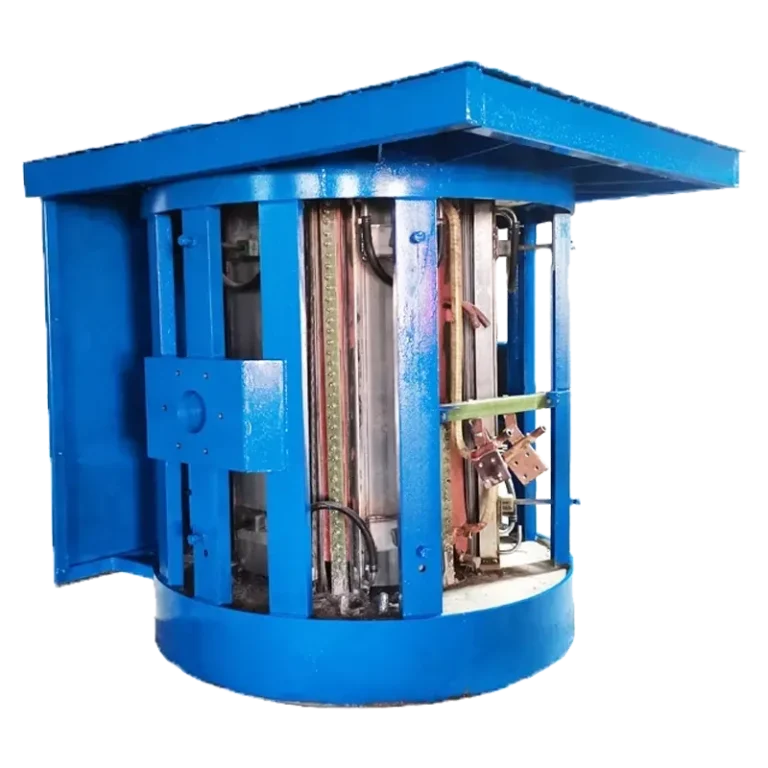
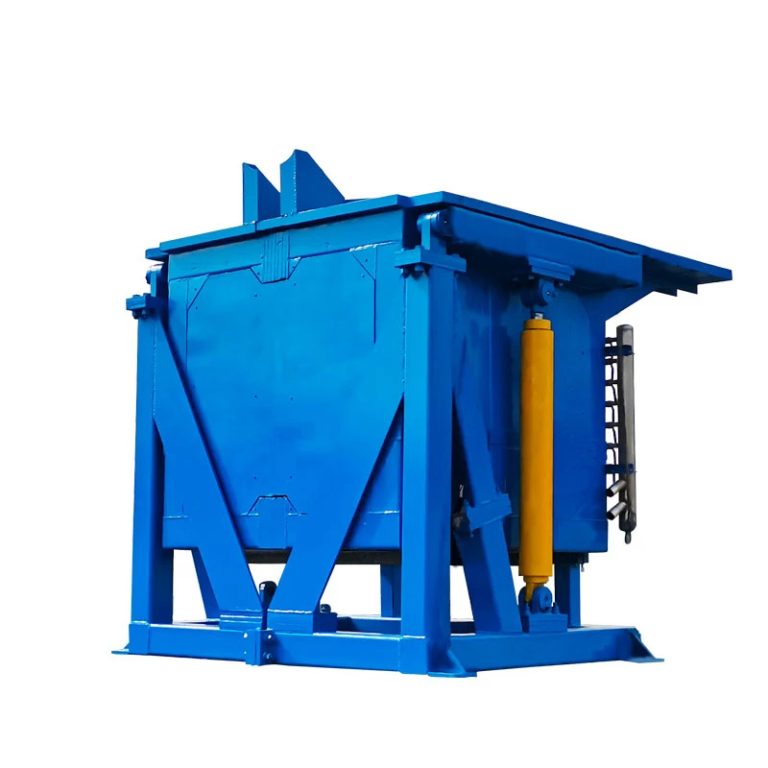
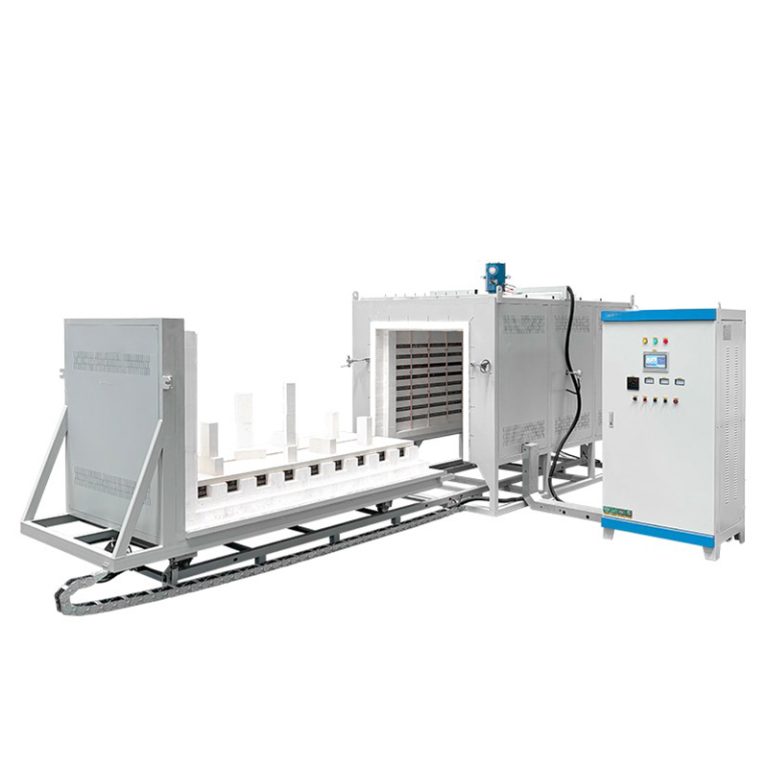
Luoyang Anjing Intelligence Equipment é líder global em fornos elétricos de alta temperatura



From Materials Sintering To Semiconductors: What Can Atmosphere Box Furnace Do?
This is a key reason for the continued growth in demand for box furnace and high-temperature vacuum furnaces. Compared to ordinary high-temperature furnaces, high-temperature atmosphere furnaces not only provide temperature but also a “controllable thermal environment.”
Against the backdrop of rapid development in high-end manufacturing and advanced materials, traditional high-temperature equipment is increasingly unable to meet the requirements of modern materials processing for “low oxygen, high purity, and stable thermal fields.” This is especially true in fields such as new energy materials, semicondutores, powder metallurgy, and aerospace, where even minute oxidation of materials in high-temperature environments can directly impact final performance.
I.Box Furnace Product Overview
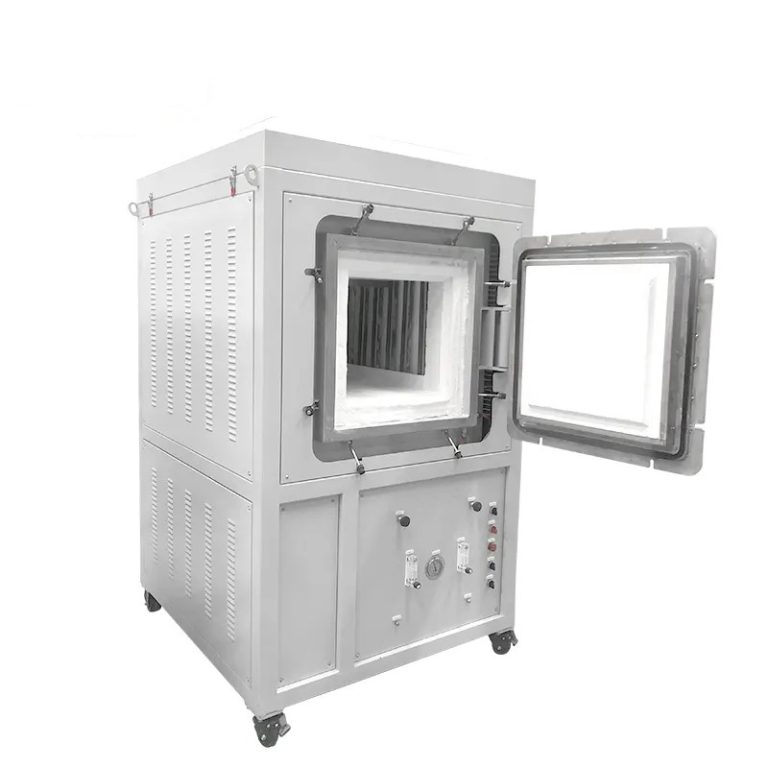
Atmosphere box furnaces are devices capable of high-temperature heat treatment in a controlled atmosphere. Their core difference from ordinary box furnaces lies in the fact that inert gases (such as nitrogen and argon) or reducing gases (such as hydrogen and carbon monoxide) can be introduced into the furnace chamber to reduce the oxygen content to extremely low levels, thereby protecting the sample from oxidation at high temperatures.
From material sintering to semiconductor manufacturing, from aerospace component processing to new energy battery material preparation, the application range of atmosphere box furnaces is far wider than most people imagine. Below, we will explain in detail what this equipment can do, based on three dimensions: operating temperature, atmosphere type, and application field.
II. Product Features and Advantages
- High Temperature Resistance: Up to 1600℃ and above
The maximum operating temperature of atmosphere box furnaces is typically in the range of 1200℃, 1400℃, 1600℃, and even 1700℃. The 1200℃ level uses resistance wire heating, suitable for most ceramic sintering and metal heat treatment. Temperatures above 1400℃ usually use silicon carbide or silicon molybdenum rods as heating elements, capable of processing high-melting-point materials.
- Precise Atmosphere Control: Oxygen content can be as low as 99.999% purity
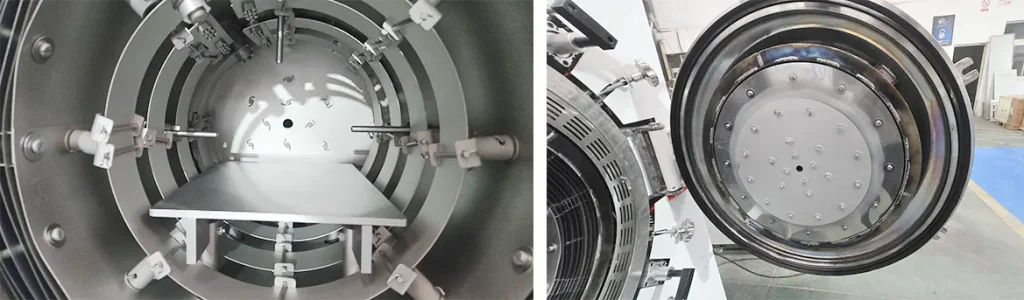
Atmosphere control is the core capability of this type of equipment. The furnace body adopts a double-layer sealing structure, and the furnace door is equipped with a silicone rubber sealing ring or a water-cooled sealing structure. During operation, a vacuum is first drawn, then a protective gas is introduced, repeating this process 2-3 times to reduce the oxygen content inside the furnace to below 50ppm. With a gas purification system, it can even reach below 10ppm, equivalent to a 99.999% high-purity atmosphere.
Supported atmosphere types include: nitrogen (most commonly used, low cost), argon (stronger inertness, suitable for sensitive materials), hydrogen (reducing atmosphere, used for the reduction of metal oxides), carbon monoxide, ammonia decomposition gas, etc.. Different gases require corresponding safety interlocking systems—explosion-proof design and automatic purging function are mandatory when using hydrogen.
- Temperature Uniformity: ≤±3℃ is a basic requirement
For sintering processes, temperature uniformity directly affects product consistency. A high-quality atmosphere box furnace can achieve a uniformity of ±3℃ within the effective working area. This relies on a reasonable heating element layout—five-sided heating (left, right, rear, top, and bottom) is much more effective than surface heating, and a precise PID temperature control algorithm.
- Sealing Reliability: Determines Atmosphere Maintenance Capability
Furnace body sealing is the biggest technical difference between atmosphere box furnaces and ordinary box furnaces. The furnace body adopts a fully welded structure, and the flange interface uses metal sealing rings or fluororubber sealing rings. An easily overlooked detail is that during the heating and cooling process, the thermal expansion and contraction of the metal material may cause deformation of the sealing surface. High-end products will adopt a water-cooled furnace door structure, which uses circulating cooling water to keep the temperature of the sealing surface stable, thereby maintaining a long-term reliable sealing effect.
| Nome | Modelo | Tamanho da Câmara (L×W×H) milímetros | Overall Dimension (milímetros) | Voltage AC V | Power kW | Weight kg |
| Vacuum Atmosphere Box Furnace | AJ-ZQXL/200/150/150 | 200×150×150 | 700×650×1500 | 380 | 5 | 360 |
| AJ-ZQXL/300/200/200 | 300×200×200 | 800×750×1550 | 380 | 12 | 520 | |
| AJ-ZQXL/400/200/200 | 400×200×200 | 900×750×1550 | 380 | 13 | 550 | |
| AJ-ZQXL/500/300/200 | 500×300×200 | 1000×850×1550 | 380 | 15 | 620 | |
| AJ-ZQXL/500/300/300 | 500×300×300 | 1000×850×1650 | 380 | 18 | 750 | |
| AJ-ZQXL/600/400/400 | 600×400×400 | 1150×1000×1800 | 380 | 24 | 900 | |
| AJ-ZQXL/800/500/500 | 800×500×500 | 1700×1700×1900 | 380 | 35 | 1150 | |
| AJ-ZQXL/1000/700/600 | 1000×700×600 | 1700×1500×2000 | 380 | 55 | 1800 |
Notes:
- Chamber sizes of special models can be customized according to customer requirements (delivery time: 17–30 days).
- Overall dimension unit: milímetros. The listed dimensions are for reference only; actual dimensions shall prevail.
III. Box Furnace Two Core Topics of the Product
- Why is High-Temperature Atmosphere Control Becoming Core of Advanced Materials Manufacturing?
In the past, high-temperature furnace equipment emphasized heating capacity and maximum operating temperature. However, with the development of new energy, semicondutores, and aerospace materials, the industry’s requirements for the heat treatment environment have changed significantly. Many advanced materials are extremely sensitive to oxygen content at high temperatures; even trace fluctuations in oxygen can lead to material oxidation, changes in crystal structure, and even performance degradation. Por exemplo, during the sintering process of lithium battery cathode materials, unstable atmosphere control directly affects battery cycle life and energy density; while semiconductor materials have even higher requirements for gas purity and environmental cleanliness during high-temperature processing. Therefore, the value of high-temperature atmosphere box furnaces is no longer just reflected in “heating,” but in the precise control of the entire heat treatment environment. Currently, more and more equipment is adopting high-purity inert gas protection, atmosphere circulation purification, and real-time oxygen content monitoring technologies. The essence of these technologies is to improve material consistency and product yield by stabilizing the atmosphere environment. The future competitive focus of the high-temperature furnace industry is gradually shifting from traditional temperature parameters to atmosphere control accuracy and system stability.
- Why is Temperature Field Uniformity More Important Than Simply Heating Rate?
In many high-temperature heat treatment processes, the true determinant of product quality is not the heating rate, but rather the uniformity of the thermal field within the furnace. Significant temperature differences within the furnace can easily lead to problems such as localized overheating, uneven sintering, or differences in crystal structure. This is particularly problematic for advanced ceramics, powder metallurgy, and semiconductor materials. Especially in the production of high-precision materials, even a difference of a few degrees can cause fluctuations in final performance. Therefore, modern high-temperature atmosphere furnaces increasingly emphasize thermal field design, employing multi-zone independent temperature control, a surrounding heating structure, and thermal field simulation optimization to create a more stable temperature environment within the furnace. Simultaneously, with the development of intelligent control technology, some high-end equipment has begun to incorporate multi-point temperature acquisition and dynamic temperature compensation systems to further reduce thermal field fluctuations at high temperatures. Industry trends are also changing; in the past, companies focused on “how quickly the equipment heats up,” but now they are paying more attention to “whether the entire heating process is stable, uniform, and controllable.”
IV. Box Furnace Product Applications
- Aerospace and Materials R&D: In the aerospace field, high-temperature atmosphere box furnaces are core equipment for the heat treatment of key components such as high-temperature alloys and composite materials. This equipment supports operation at temperatures up to 1600℃ and can precisely control the atmosphere concentration to above 99.999% in inert atmospheres such as nitrogen and argon. Through an atmosphere circulation and purification system, oxygen is effectively removed from the furnace, preventing material oxidation and significantly improving the high-temperature resistance and corrosion resistance of the materials. The furnace body uses high-quality insulation materials and a highly sealed structure to ensure no atmosphere leakage and stable temperature at high temperatures, meeting the stringent requirements of aerospace material heat treatment processes and ensuring stable operation of components under extreme conditions.
- New Energy Materials and Special Ceramics: In the new energy field, this equipment is widely used for the inert atmosphere sintering of lithium battery cathode materials and silicon-carbon anode materials, effectively preventing material oxidation and improving their electrochemical performance. Precise atmosphere and temperature control achieves uniform sintering, helping to improve battery energy density and cycle life. In the production of special ceramics, it is suitable for the high-temperature sintering of ceramic materials such as silicon nitride and silicon carbide, ensuring material purity and performance through inert atmosphere protection. A specialty ceramics company significantly improved its product quality and market competitiveness by deploying this equipment.
- Metal Powder Metallurgy and Scientific Testing: In the field of metal powder metallurgy, this equipment is used for powder sintering, preventing powder oxidation and increasing the density and strength of sintered parts. In university research, it supports the development of new specialty materials, providing precise atmosphere and temperature control for material performance research. Third-party testing institutions use this equipment to conduct high-temperature performance testing of materials, ensuring that products meet industry standards. The equipment is equipped with an intelligent control system that supports precise setting, real-time monitoring, and data recording of temperature and atmosphere parameters. It also features multiple safety protection functions to ensure safe operation under high temperature and high pressure atmospheres and facilitates convenient maintenance.
V.Supplier
Luoyang Anjing Equipamento Inteligente Co., Ltda. é uma empresa dedicada à pesquisa, desenvolvimento, produção, vendas, e serviços técnicos de equipamentos de tratamento térmico, como fornos elétricos de alta temperatura. Nós produzimos laboratório, vazio, industrial, and medium-frequency furnaces, cobrindo uma faixa de temperatura de -100°C a 2600°C, atendendo indústrias como novas energias, semicondutores, e materiais avançados. Podemos fornecer soluções personalizadas com base em atmosferas específicas, temperatura ultra-alta, e requisitos de sistema de controle inteligente. Não hesite em contactar-nos se estiver interessado.