Luoyang Anjing Intelligence Equipment является мировым лидером в производстве высокотемпературных электрических печей.



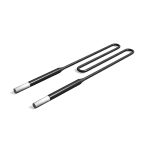
High Temperature Silicon Molybdenum Rod



ПАРАМЕТРЫ ПРОДУКТА
Описание
High Temperature Silicon Molybdenum Rod
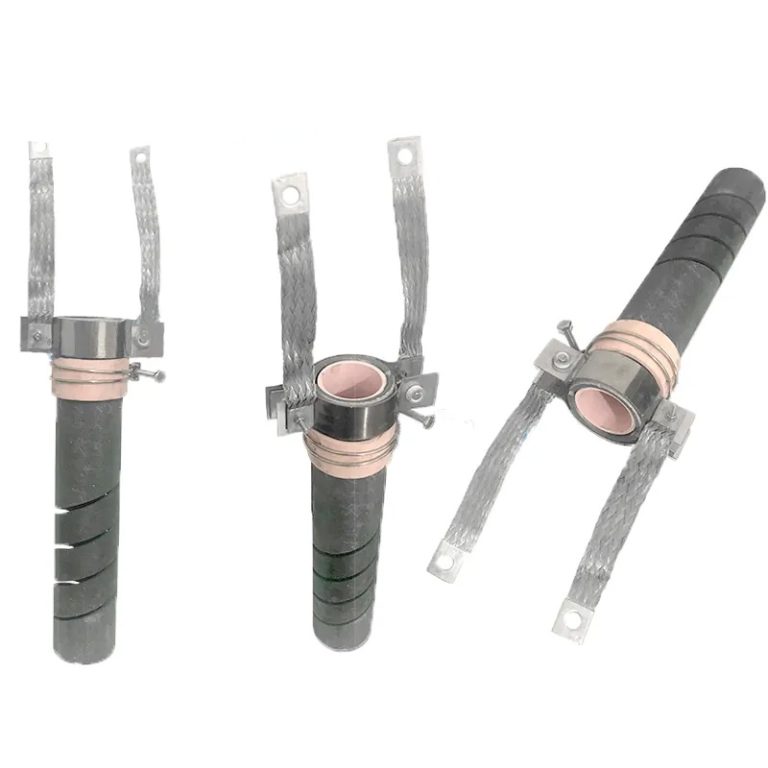
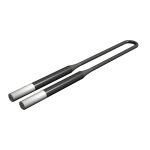
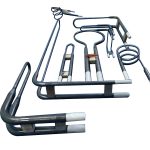
A high-temperature silicon molybdenum rod is a high-temperature heating element made primarily of molybdenum disilicide (MoSi₂). It possesses excellent high-temperature oxidation resistance and stable electrical resistance characteristics. Its maximum operating temperature can reach 1800℃, and it is widely used in high-temperature experimental furnaces, промышленные печи, sintering furnaces, heat treatment furnaces, and other equipment.
When operating in a high-temperature oxidizing atmosphere, a dense quartz protective film forms on the surface of the silicon molybdenum rod, effectively preventing further oxidation and extending the element’s lifespan. Simultaneously, the silicon molybdenum rod features rapid heating, высокий тепловой КПД, convenient installation, and stable resistance, making it a commonly used high-performance heating element in high-temperature electric furnaces above 1600℃.
Особенности продукта
- Excellent High-Temperature Performance
Made with high-purity molybdenum disilicide material, the maximum heating temperature can reach 1800℃, suitable for various high-temperature sintering, melting, and heat treatment processes.
- Strong Oxidation Resistance
In high-temperature oxidizing atmospheres, a protective glass film forms on the component surface, effectively preventing oxidation, extending service life, and making it suitable for long-term continuous operation.
- Stable and Reliable Resistance
The resistance of the silicon molybdenum rod changes little under normal operating conditions. New and old components can be used interchangeably, facilitating maintenance and replacement.
- High Thermal Efficiency and Rapid Heating
It has good electrical conductivity and heating properties, and a fast thermal response, meeting the requirements for rapid heating and precise temperature control, improving equipment operating efficiency.
| Material Type | Material Name | Макс. Heating Temperature(℃) | Remarks |
|---|---|---|---|
| Alloy Materials | Ni-Cr alloy | 1150 | Widely used |
| Fe-Cr alloy | 1400 | Widely used | |
| High-Melting Pure Metals | Platinum (Pt) | 1600 | Requires protective atmosphere |
| Molybdenum (Mo) | 1800 | Requires protective atmosphere | |
| Tantalum (Ta) | 2200 | Requires protective atmosphere | |
| Tungsten (W) | 2400 | Requires protective atmosphere | |
| SiC / MoSi₂ Elements | SiC rods, SiC tubes | 1500 | Hard and brittle; formed before use |
| MoSi₂ rods | 1800 | Hard and brittle; formed before use |
Области применения
- Ultra-high Temperature Electric Furnace Heating: Suitable for heating elements in high-temperature box furnaces, трубчатые печи, подъемные печи, bell furnaces, and other electric furnaces with temperatures ranging from 1600-1800℃.
- Усовершенствованное спекание керамики: Used for ultra-high temperature sintering processes of high-performance ceramic materials such as alumina, оксид циркония, нитрид кремния, и карбид кремния.
- Electronic Material Heat Treatment: Used for high-temperature heat treatment and sintering processes of electronic ceramics, магнитные материалы, and precision electronic components.
- Glass Melting and Special Glass Preparation: Used for heating equipment in melting special glass, microcrystalline glass, and optical glass.
- Metallurgy and New Material R&Д: Used for ultra-high temperature heat treatment and R&D experiments of new materials such as powder metallurgy, high-temperature alloys, и композиционные материалы.
- Research Institutes: Used for ultra-high temperature experimental research in materials science, metallurgical engineering, and other related fields in universities and research institutions.
Профиль компании
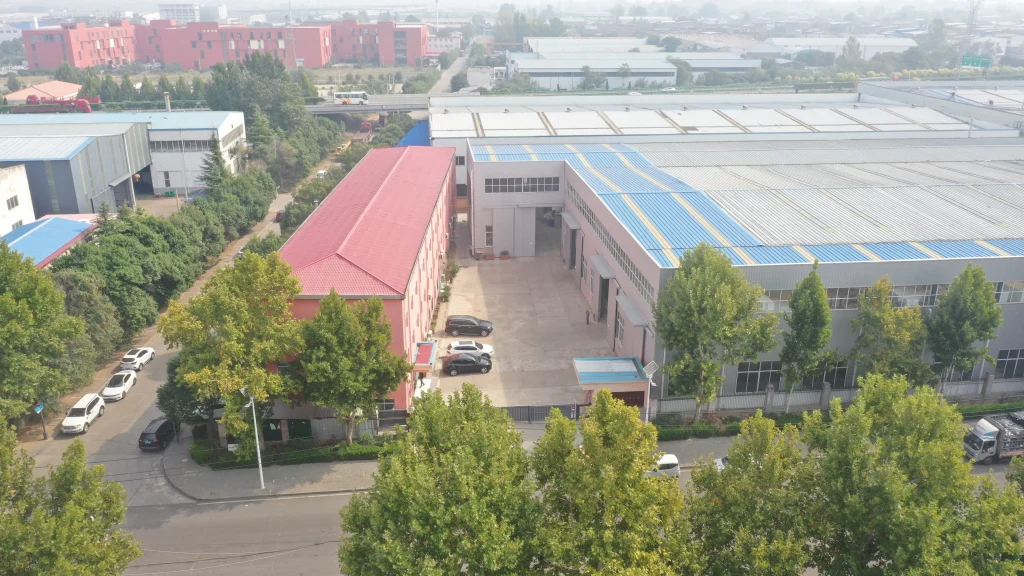
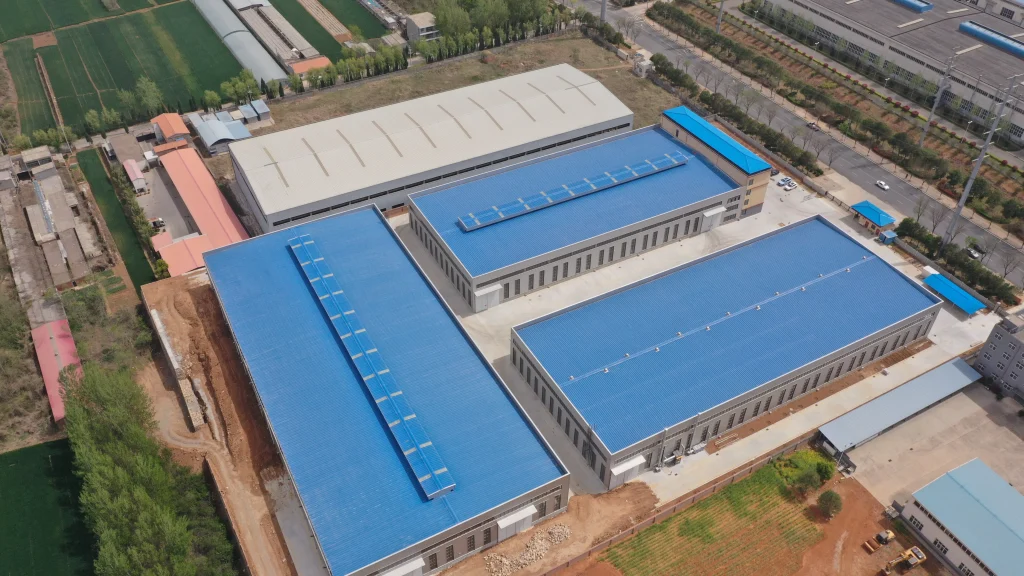
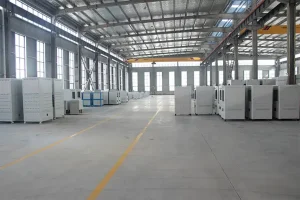
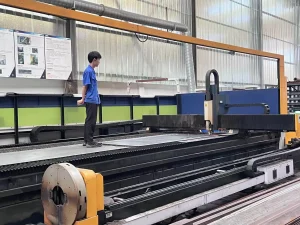
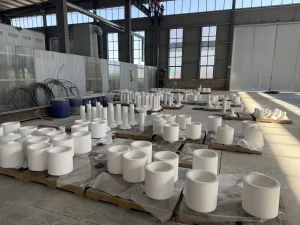
Профессиональное предприятие, специализирующееся на услугах по технологиям термообработки и R&Д, производство, и продажа высокотемпературных электропечей.
Компания специализируется на разработке высокотемпературных электрических печей, охватывающих полный диапазон температур от -100 ℃ до 2600 ℃.. Среди ее продукции – экспериментальные электропечи., печи с вакуумной атмосферой, промышленные печи, и среднечастотное индукционное нагревательное оборудование. Основная продукция включает коробчатые печи, трубчатые печи, подъемные печи, Толкательные печи, выдвижные печи, вращающиеся печи, туннельные печи, и различные специализированные среднечастотные печи.
Компания придерживается технологических инноваций и прошла сертификацию ISO9001 и ЕС CE.. Он владеет 21 зарегистрированные торговые марки, 29 патенты, и 27 авторские права на программное обеспечение.

Способы оплаты
ТТ
Способы доставки
Электропечь упакована в три слоя. Электропечь упакована в три слоя.: сначала завернули в пенопластовую бумагу, затем завернули в полиэтиленовую пленку, и, наконец, упаковано в деревянный ящик.
Часто задаваемые вопросы (Часто задаваемые вопросы)
- What is the maximum operating temperature of silicon molybdenum rods?
The maximum heating temperature of silicon molybdenum rods can reach 1800℃. The specific operating temperature needs to be determined based on the furnace structure, atmosphere conditions, and operating process.
- What atmospheres are silicon molybdenum rods suitable for?
They are mainly suitable for air oxidation atmospheres, and can also be used in some special atmosphere environments according to process requirements.
- What is the difference between silicon molybdenum rods and silicon carbide rods?
Silicon molybdenum rods are mainly made of molybdenum disilicide, with a maximum operating temperature of approximately 1800℃; silicon carbide rods are mainly made of silicon carbide, with a maximum heating temperature of approximately 1500℃. Silicon molybdenum rods are more suitable for ultra-high temperature applications.
- Are silicon molybdenum rods customizable?
Да. Different specifications of products can be provided according to the furnace size, power, Напряжение, installation method, and operating temperature requirements.
- What precautions should be taken when using silicon molybdenum rods?
During installation, mechanical impact and collision should be avoided. The heating and cooling process should be carried out according to the process curve to avoid damage to the components due to excessively rapid temperature changes.