லுயோயாங் அன்ஜிங் நுண்ணறிவு உபகரணங்கள் உயர் வெப்பநிலை மின்சார உலைகளில் உலகளாவிய முன்னணியில் உள்ளன



Bell Type Furnace vs Box Furnace: Which One for Your Heat Treatment?
In the selection of heat treatment equipment, the “Bell Type Furnace vs. box furnace” is not a simple substitution relationship, but rather two solutions tailored to different process logics. As the manufacturing industry shifts towards higher consistency and lower energy consumption, the differences between these two types of industrial furnaces in terms of structural design, temperature control methods, and production organization are being re-examined. Understanding these differences is often more crucial than simply comparing parameters.
I. Bell Type Furnace Product Overview
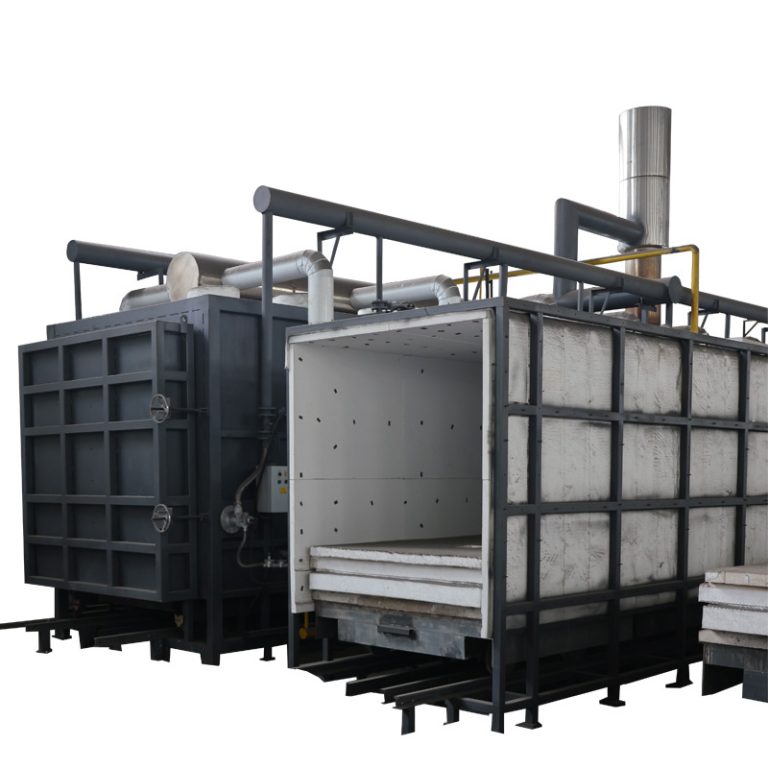
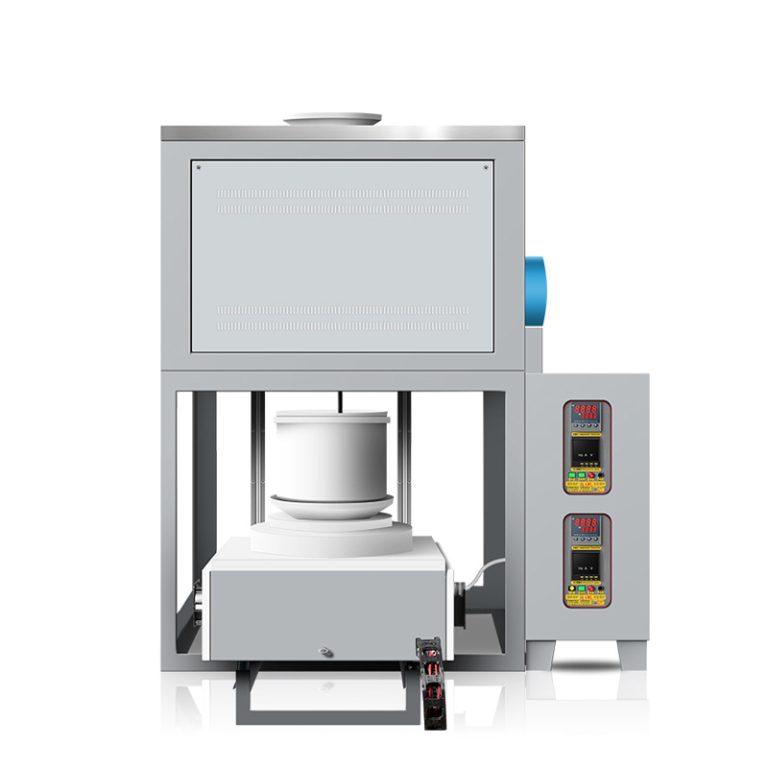
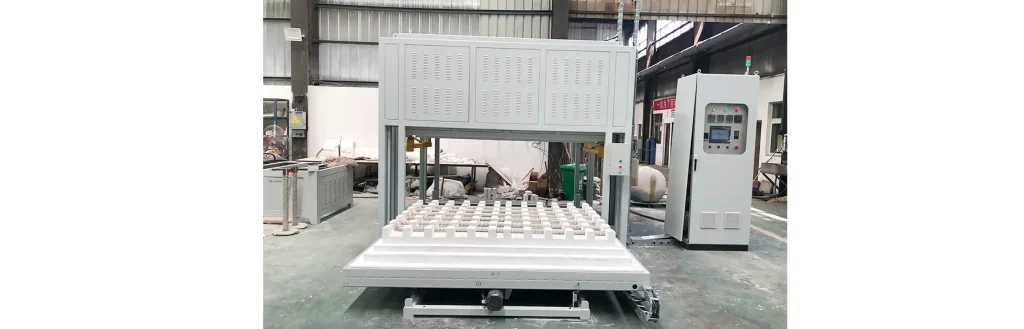
A bell-shaped furnace, also known as a bell-type furnace, is a special type of heat treatment equipment. Its structural feature is that the furnace body can be raised, lowered, or tilted—the heating hood rises or falls like a bell, covering the workpiece placed on the base. This unique design gives it significant advantages in processes such as heating, annealing, quenching, and tempering of metal materials.
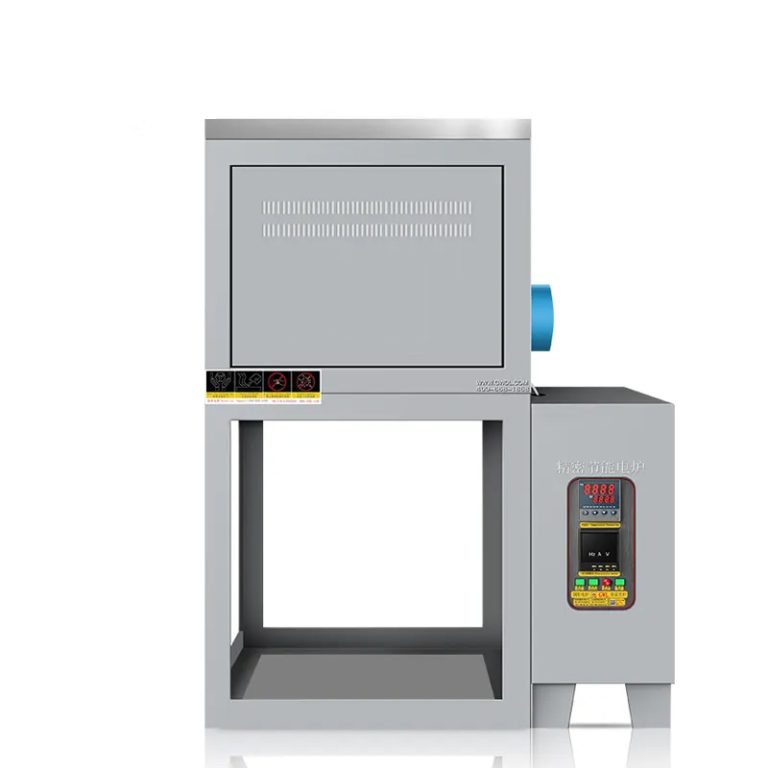
Compared to box furnaces, the biggest difference between bell-shaped furnaces and box furnaces is that “the furnace moves, but the material remains stationary.” In box furnaces, the furnace door is opened and the workpiece is placed into a fixed furnace chamber; in bell-shaped furnaces, the workpiece is placed on the base, and heating and cooling are achieved by the moving furnace hood. This seemingly simple difference brings completely different user experiences and process adaptability.
II. Bell Type Furnace Product Features and Advantages
- Heating Uniformity
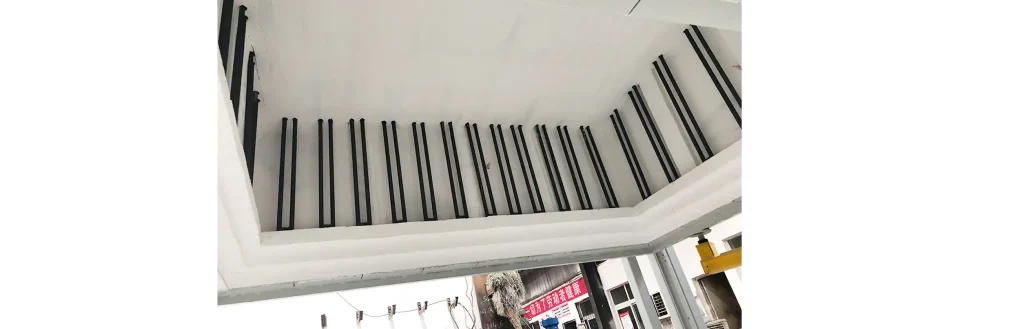
The heating elements of a bell type furnace are usually arranged around the inner wall of the furnace hood to provide enveloping heating for the workpiece.This characteristic is particularly important for precision workpieces where localized overheating or stress concentration needs to be avoided.
In contrast, the heating elements of a box-type furnace are generally located on the sides or rear wall of the furnace chamber, with relatively lower temperatures near the furnace door. While temperature uniformity can be improved through proper design, the surrounding heating method of the bell-type furnace still offers significant advantages for large or complex-shaped workpieces.
- Operational Flexibility and Cooling Control
After the bell type furnace finishes heating, the furnace hood can be quickly raised and detached from the workpiece, allowing the workpiece to be directly exposed to the ambient air, or it can be forcibly cooled by the cooling system under the base.This “removing the furnace hood” cooling method is much faster than the furnace-with-the-furnace cooling or door-open cooling of box-type furnaces, making it ideal for processes requiring rapid quenching.
Cooling in box type furnaces is relatively limited. While opening the furnace door for cooling can accelerate temperature reduction, the influx of cold air into the furnace can disrupt temperature distribution, affecting the processing of other workpieces. Therefore, box furnaces are more suitable for furnace-cooled processes or processes where rapid cooling is not critical.

- Energy Saving and Environmental Protection
A bell-type furnace heats up only when the hood is in operation, and the heat dissipates rapidly after it is raised, eliminating the energy consumption associated with standby heat preservation. This makes it particularly energy-efficient for intermittent production scenarios involving multiple product types and alternating batches.
In contrast, a box-type furnace maintains continuous heat in its furnace chamber. For continuous production scenarios, the continuous heat preservation of a box-type furnace is actually more efficient.
- Space Utilization and Structural Compactness
In a bell type Furnace, workpieces are placed on a fixed base platform. While the height required for raising and lowering the furnace hood is relatively large, the horizontal footprint is relatively compact. When the heating hood is raised, the workpieces are fully exposed, facilitating the hoisting of large or irregularly shaped parts.
Box furnaces require space for furnace door opening and material cart entry and exit, and generally have a larger overall footprint, but lower height requirements. For workshops with limited ceiling height but sufficient floor space, box furnaces may be more suitable.
III. Bell Type Furnace Key Selection Logic: Two Core Questions
- Do you value “production line efficiency” or “process flexibility” more?
For high-volume, highly repetitive production processes, such as steel coil annealing or standardized parts processing, bell type furnace are actually more advantageous. The multi-station rotating base mechanism reduces waiting time, allowing the heating system to operate continuously.
However, if production tasks change frequently, such as R&D testing or customized processing, box furnaces are more suitable. They do not rely on complex cycle time matching, can be started and stopped at any time, and are more adaptable to uncertainty.
- Is strict atmosphere control required?
This is an often underestimated but crucial factor. Bell furnaces have advantages in sealing and gas circulation design, enabling them to maintain a stable low-oxygen or specific atmosphere environment. This is particularly critical for high-end alloys, precision parts, or new energy materials.
While box furnaces can also add atmosphere systems, they are generally inferior to bell furnaces in terms of sealing and stability, especially during long-term high-temperature operation.
| Workpiece Shape & Size | No door opening limitation; loaded from above by lifting. Suitable for long shafts, large rings, irregular castings, முதலியன. | Limited by furnace door opening; workpiece must pass through the door. Suitable for regular-shaped, moderately sized workpieces. |
| Cooling Rate Requirements | Fast cooling by lifting the bell. Equipped with fans or spray systems under the base, offering a wide range of controlled cooling rates (from slow air cooling to high-speed gas cooling). Ideal for quenching. | Cooling mainly via natural convection or small fans after door opening. Slow and less precise cooling. Not suitable for cooling-sensitive processes. |
| Production Rhythm & Batch | Suitable for high-mix, low-volume, alternating production. Change process simply by lifting the bell, swapping workpieces, and lowering the bell. Rapid heating of the bell. | Frequent process changes require waiting for the chamber to cool to a safe temperature before opening, then reheating; high time cost. Suitable for continuous, fixed-process mass production. |
| Atmosphere Protection Requirements | Sealed between base and bell via sand or rubber seal; allows protective atmosphere. However, lifting the bell disrupts the atmosphere. Not suitable for long-term, strictly low-oxygen processes. | Integrated sealed structure with vacuum pre-evacuation or multi-stage gas purging, achieving extremely low oxygen content and dew point. Better for processes requiring strict atmosphere control. |
| Investment & Maintenance Costs | Simple structure, no complex door mechanism, fewer failure points. However, the lifting mechanism requires regular maintenance, and seals are consumable parts. | Mature door seal structure and heating element layout; lower maintenance skill barrier. However, the door is prone to deformation under prolonged high heat, requiring periodic adjustment or replacement. |
IV. Product Applications
- Aerospace: Used for heat treatment in the manufacture of high-performance materials such as high-temperature alloys and titanium alloys.
- Automotive Manufacturing: Used for quenching and tempering processes in automotive parts to improve the mechanical properties and wear resistance of materials.
- Metallurgy: Used for metal refining and alloy preparation.
- Copper Processing Industry: Bright annealing of copper tubes, rods, and wires is a traditional and advantageous application of bell-type furnaces. The entire coil of copper is loaded into the furnace at once, and annealing is completed under a protective atmosphere, resulting in a bright, oxidation-free surface.
- New Energy Industry: Used for heat treatment of equipment such as solar panels and wind turbines. For example, bell-type furnaces are ideal for stress-relief annealing of large forgings such as wind turbine main shafts and flanges.
- Scientific Research and Materials Development: In materials laboratories of universities and research institutes, bell-type furnaces are commonly used for experiments requiring rapid cooling or processing of irregularly shaped samples. Their flexibility makes them a highly versatile auxiliary device.
V.Supplier
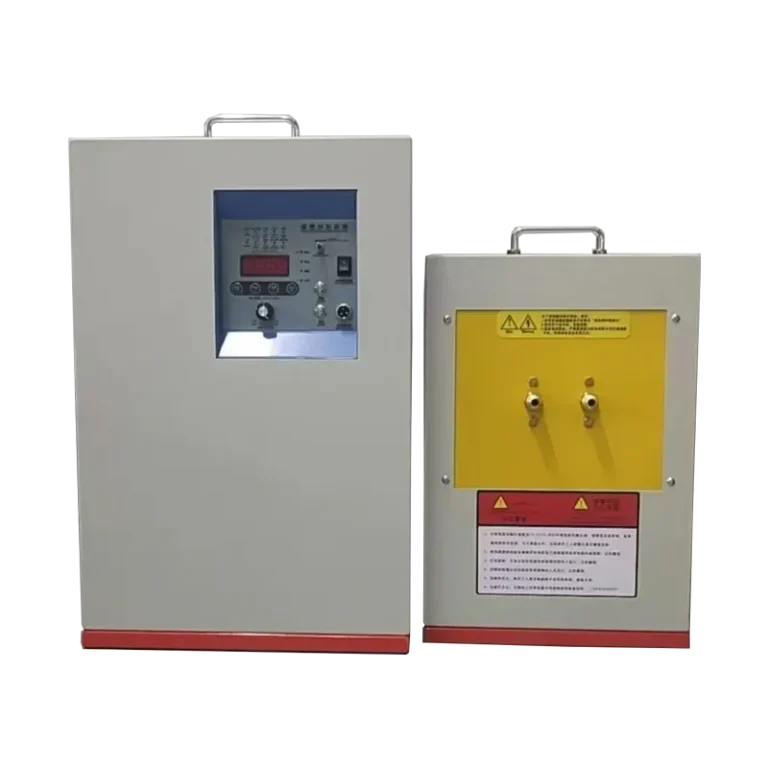
Luoyang Anjing Intelligent Equipment Co., Ltd. is an enterprise dedicated to the research, development, production, sales, and technical services of heat treatment equipment such as high-temperature electric furnaces. We produce laboratory, vacuum, industrial, and medium-frequency furnaces, covering a temperature range from -100℃ to 2600℃, serving industries such as new energy, குறைக்கடத்திகள், மற்றும் மேம்பட்ட பொருட்கள். We can provide customized solutions based on specific atmosphere, ultra-high temperature, and intelligent control system requirements. Please feel free to contact us if you are interested.